

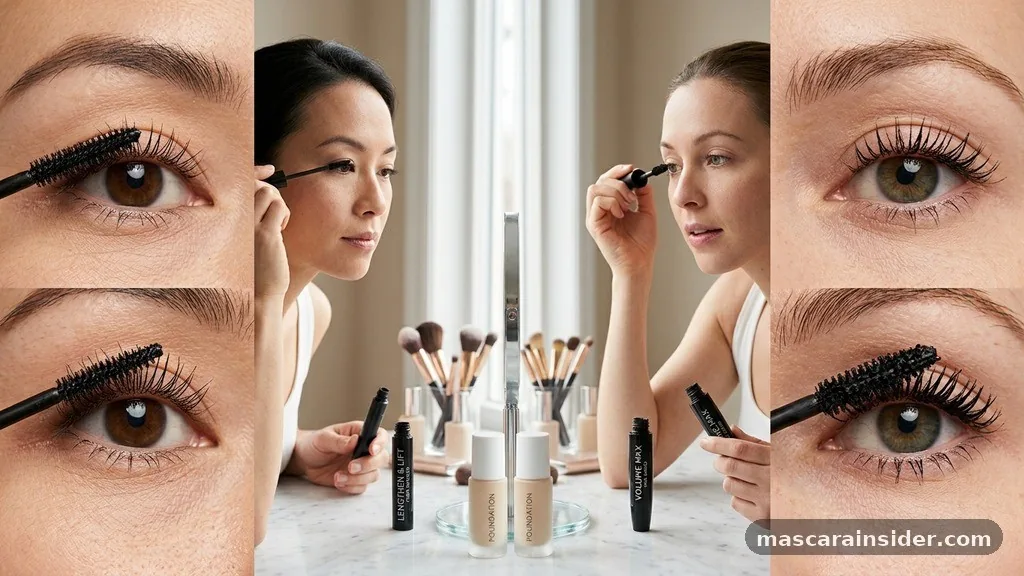
Finding the perfect eye makeup can feel like a daunting task given the endless aisles of options available at the beauty counter. Knowing how to choose mascara effectively comes down to understanding your unique lash goals, whether that means seeking extra drama, subtle definition, or all-day wear that resists the elements.
By focusing on the specific interplay between brush design and chemical composition, you can transform your routine and achieve a professional-looking finish every morning. This breakdown explores the essential components of product selection so you can stop guessing and start picking formulas that actually deliver on their promises.
Understanding Your Primary Lash Needs
Identifying what your natural lashes lack is the first step toward selecting the right product. Most people gravitate toward specific finishes based on whether their natural lashes are sparse, short, or straight, as these characteristics dictate which brush and formula will provide the most improvement.
Defining Your Desired Look
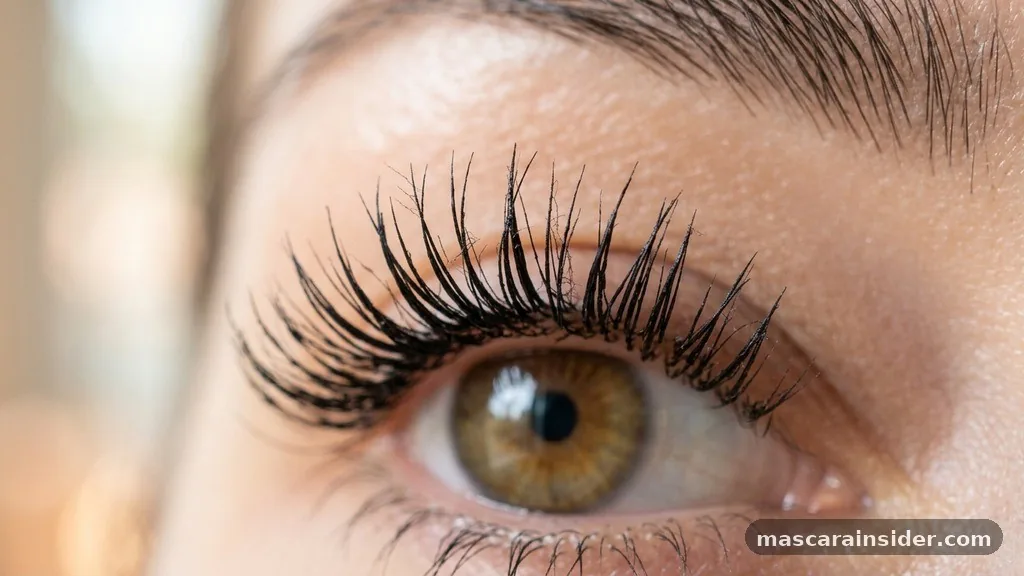
If your lashes are naturally short, a lengthening mascara is your best friend. These products often contain tiny fibers or specialized polymers that cling to the tips of your lashes, extending their reach. Conversely, if your lashes are thin or sparse, a volumizing formula is the superior choice. These are typically thicker and wax-based, designed to coat every single hair to create the illusion of density and thickness.
Addressing Straight or Drooping Lashes
For those with lashes that grow straight downward, a curling mascara is essential. These formulas are often lighter in weight to prevent the lash from drooping under the pressure of heavy waxes. Many people also find that using a lash curler before application significantly enhances the effect of a curling formula, locking the shape in place for hours.
Deciphering Mascara Wand Shapes
The shape of the applicator is just as important as the liquid inside the tube. Mascara wand shapes are engineered to deposit product in specific ways, and selecting the wrong shape can lead to frustrating results like clumping or missed spots.
- Tapered brushes: These are perfect for reaching the tiny inner corner lashes without making a mess on your skin.
- Hourglass brushes: Designed to grab lashes at the root and lift them, providing both volume and curl simultaneously.
- Curved brushes: These follow the natural arc of the eye, making it easier to coat every lash from root to tip in one stroke.
- Ball-tip brushes: Ideal for precision work, especially on the lower lash line where standard brushes might be too bulky.
- Comb brushes: These excel at separating lashes for a clean, clump-free application that looks natural and defined.
Formula Types and Their Benefits
Once you have identified your desired effect, you must look at the chemistry of the product. The difference between a standard formula and specialized technology can determine whether your makeup lasts through a workout or slides off by noon.
Waterproof vs Water-Resistant Formulas

Waterproof vs water-resistant are not the same thing. Waterproof formulas are designed to withstand total immersion in water, making them ideal for weddings or beach days. However, they are notoriously difficult to remove. Water-resistant options offer a middle ground, holding up against humidity and light moisture while being significantly easier to wash off at the end of the day.
The Rise of Tubing Technology
Tubing technology is a game-changer for those who suffer from raccoon eyes by midday. Instead of painting the lashes with pigment, these formulas create tiny, water-soluble “tubes” around each hair. Because these tubes don’t smear or melt like wax-based products, they remain completely smudge-proof until you remove them with warm water and a gentle tug.
| Formula Type | Best For | Primary Benefit |
|---|---|---|
| Volumizing | Sparse, thin lashes | Adds density and thickness |
| Lengthening | Short, blunt lashes | Extends reach with fibers |
| Tubing | Oily eyelids/smudging | Stays put without smearing |
| Waterproof | High-moisture environments | Maximum durability |
Addressing Common Topical Gaps
Many users struggle with specific application issues that are not always addressed by generic advice. Understanding the relationship between your tools and your technique can solve these persistent problems.
Why Do My Lashes Clump?
A clump-free application depends heavily on how you handle the wand. If you pull the wand straight out of the tube, you often load too much product onto the bristles. Instead, wipe the excess on the rim of the tube before you begin. Additionally, avoid “pumping” the wand in and out of the tube, as this pushes air into the container and causes the formula to dry out prematurely.
Can I Use a Lash Primer?
Yes, a lash primer acts like a base coat for your eyes. It provides a smooth surface for your mascara to grip, which can significantly boost the effectiveness of a lengthening mascara. Primers often contain conditioning ingredients that protect lashes from brittleness, making them an excellent addition for those who wear eye makeup every single day.
How to Handle Sensitive Eyes
If your eyes react easily to makeup, always look for an ophthalmologist-tested label. These products have been vetted for safety, reducing the risk of irritation. Furthermore, choosing a hypoallergenic mascara can prevent allergic reactions to common ingredients like fragrances or certain preservatives.
Ingredients and Application Tips
The composition of your mascara matters as much as the brand name. Pigmented formulas that use high-quality iron oxides provide a deeper, more intense black color, which makes your eyes pop. If you prefer a softer look, many brands offer deep brown or plum shades that define the eyes without the harshness of jet-black pigment.
When applying, start at the very root of your lashes. Wiggle the wand side-to-side to deposit the bulk of the product at the base, then pull it through to the tips.
This technique creates a natural “tight-lining” effect that fills in the gaps between lashes, making your lash line appear fuller instantly. If you are using a fiber mascara, be careful not to apply too many coats, as the fibers can sometimes become heavy and weigh the lashes down if over-applied.
Maintaining Lash Health
While finding the perfect product is important, how you treat your lashes matters just as much. Never sleep in your mascara, as it can cause lashes to become brittle and break off. Use a gentle oil-based cleanser or a dedicated makeup remover to dissolve the product before you wash your face.
If you notice your lashes thinning over time, consider using a lash serum at night to nourish the hair follicles and keep them strong. Finally, remember that mascara has a shelf life. Most tubes should be replaced every three months to prevent bacterial growth and ensure the formula remains effective.
Conclusion
Choosing the right eye makeup is a personal journey that balances your aesthetic preferences with the natural characteristics of your lashes. Whether you prioritize a volumizing formula for maximum impact, a smudge-proof tubing product for long days, or a gentle hypoallergenic mascara for sensitive skin, the key is to look closely at the wand shape and the specific benefits listed on the packaging.
By taking the time to understand these components, you can streamline your beauty routine and achieve the lash look you desire with confidence. Start experimenting with different wands and formulas today to see what works best for your eyes, and don’t be afraid to mix and match techniques to find your signature style.
FAQ
How often should I replace my mascara?
You should replace your mascara every three months to prevent bacterial growth and maintain product performance.
What is the difference between synthetic bristles and rubber wands?
Synthetic bristles hold more product for volume, while rubber wands are better for separating and defining lashes.
Can I use waterproof mascara every day?
Daily use of waterproof mascara is generally safe, but it can be drying and harder to remove.
How do I stop mascara from smudging on my lower lid?
Using a tubing formula or setting your under-eye area with powder can prevent smudging throughout the day.
Is brown mascara better for a natural look?
Yes, brown mascara provides softer definition, making it ideal for fair skin or a subtle, everyday look.
Should I apply lash primer every time?
It is not mandatory, but a primer is helpful if you want extra length, volume, or lash protection.
Are fiber mascaras safe for contact lens wearers?
Some fibers can flake into the eye, so contact lens wearers should choose formulas that are ophthalmologist-tested.


