

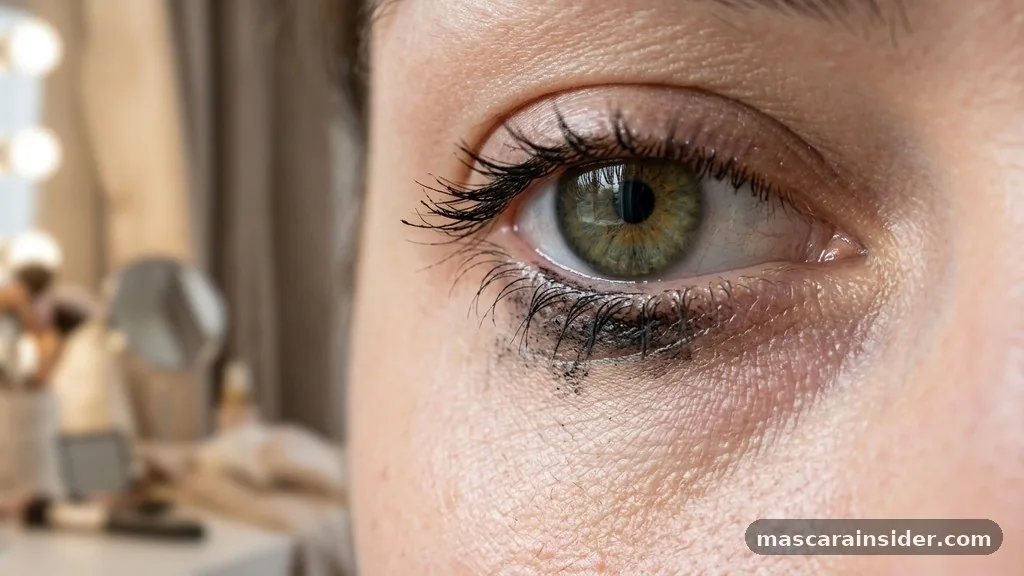
Dealing with the frustration of checking the mirror only to find dark circles under your eyes is a common beauty struggle. If you find yourself asking why does my mascara always smudge, you aren’t alone; it is often a matter of chemistry clashing with your natural skin type.
Whether your lids are naturally oily or you live in a humid climate, the pigments in your eye makeup are prone to traveling. By identifying the specific culprits behind this makeup migration, you can finally achieve a clean, long-lasting look that holds up from your morning coffee until the end of the day.
The Role of Sebum Production and Skin Type
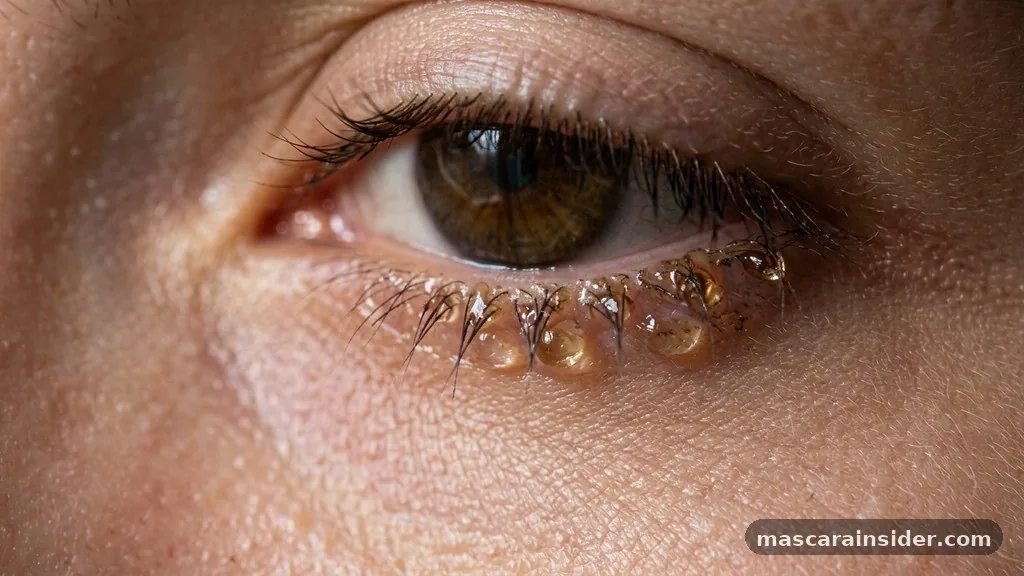
The primary reason for smudging is often the natural sebum production of your eyelids. Skin oils are designed to keep your complexion hydrated, but they act as a solvent for many traditional makeup products. When these oils mix with the waxes and oils found in standard mascara, the product begins to liquefy and slide down toward your lower lash line.
If you have naturally oily skin, your eyelids are likely creating a slick surface that prevents mascara from adhering properly. Even if you don’t consider your skin oily, the heat generated by your eyes throughout the day can cause the formula to break down. This process is essentially a chemical reaction where the oils on your skin dissolve the oils in your cosmetics, leading to those unwanted raccoon eyes by mid-afternoon.
Understanding Oil-Soluble Formulas vs. Tubing Mascara
Most traditional mascaras are formulated with waxes and oils that are designed to be water-resistant but remain oil-soluble. This means that when they encounter the natural lipids on your skin, they lose their structural integrity. If you are struggling with daily smudging, the ingredient list of your current tube might be the root cause.
A tubing mascara is a superior alternative for those who frequently experience smudging. Unlike standard versions, these formulas use polymer technology to wrap each individual lash in a water-resistant “tube.”
Because these polymers are not oil-soluble, they do not dissolve when exposed to skin oils or sweat. They stay firmly in place until they are rinsed away with warm water and gentle pressure, making them a game-changer for anyone prone to makeup migration.
The Science of Waterproof Mascara
Many people turn to waterproof mascara as a quick fix, but it isn’t always the perfect solution. While these formulas are designed to resist water, they are often still susceptible to breakdown from oils. If you have very oily lids, the oils can actually penetrate the waterproof layer, causing the product to flake or smudge over time.
It is helpful to consider the chemical composition of your makeup:
| Formula Type | Best For | Smudge Resistance |
|---|---|---|
| Water-based | Sensitive eyes | Low |
| Waterproof | High humidity | Medium (Oil-sensitive) |
| Tubing | Oily lids | Very High |
Techniques to Prevent Makeup Migration
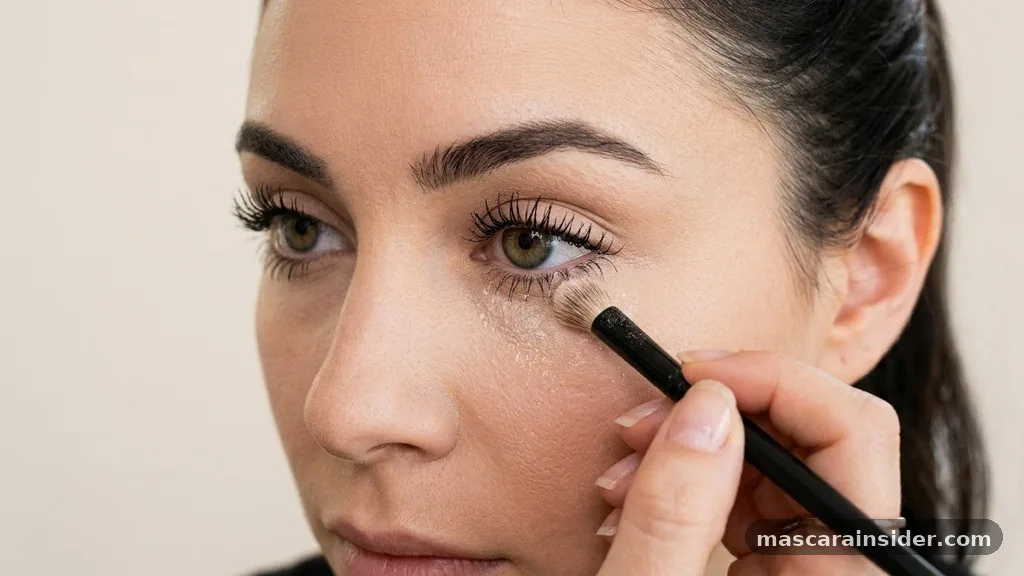
Beyond choosing the right product, your application technique plays a massive role in how well your mascara stays put. Using an eyelid primer is one of the most effective ways to create a barrier between your skin and your makeup. A good primer absorbs excess oil and creates a tacky base, ensuring that any stray mascara particles don’t have a slick surface to adhere to.
Another secret weapon is setting powder. After applying your concealer or eye cream, lightly dust a translucent powder around your orbital bone.
This creates a dry finish that prevents oils from traveling upward or downward. You can also finish your look with a high-quality makeup setting spray to lock everything in place, though be careful to keep your eyes closed until it dries completely to avoid dragging the mascara.
Addressing Topical Gaps: Common Mistakes
To get the most out of your beauty routine, you must address the hidden factors that contribute to smudging. Many people inadvertently set themselves up for failure before they even apply their first coat of mascara. Here are the most common overlooked issues:
- Applying heavy eye creams too close to the lash line, which adds unnecessary moisture and oil.
- Using an eyelash curler after the mascara has dried, which can crack the product and cause flaking.
- Failing to wipe excess product off the mascara wand, which leads to clumping and heavier weight on the lashes.
- Applying too many layers to the lower lashes, where the product is most likely to touch the skin.
- Using expired mascara, as the formula changes consistency and becomes more prone to separating.
The Impact of Lash Extensions and Fiber Mascara
If you wear lash extensions, you might find that adding mascara on top causes more harm than good. The oils in the mascara can break down the adhesive bond of the extensions, leading to premature shedding. If you must use mascara with extensions, always reach for a specialized, oil-free formula.
Similarly, fiber mascara can cause irritation if the fibers fall into the eye or migrate onto the skin. These fibers are essentially tiny hairs that can get stuck in the natural oils of your eyelid, creating a gritty, smudged appearance that is difficult to correct once it starts.
Optimizing Your Application Routine
The way you apply your product can change the entire longevity of your look. Start at the very base of your lashes and wiggle the wand upward to ensure the bulk of the product is concentrated at the root. This provides structural support to the lash, preventing it from drooping and touching the skin beneath your eye.
Avoid “pumping” the wand into the tube, as this pushes air inside and dries out the formula, making it prone to flaking later in the day. Instead, swirl the wand gently to pick up the product. If you find that your lower lashes are the main source of the problem, consider skipping mascara on the bottom lashes entirely or using a smudge-proof tubing formula specifically for those smaller, harder-to-reach hairs.
Conclusion
Finding the right balance for your eye makeup is often a process of elimination. By switching to a tubing formula, managing your eyelid oils with primer and powder, and being mindful of your application technique, you can stop the constant need for touch-ups. Remember that your skin chemistry changes with the seasons, so what works in the winter might need a slight adjustment during the hotter months.
If you continue to see smudging despite these changes, try switching to a different brand, as even minor variations in wax content can impact performance. Take these steps one by one, and you will likely find that your makeup stays exactly where you put it.
FAQ
How do I stop mascara from smudging under my eyes?
Use an oil-absorbing eyelid primer and set your under-eye area with a light, translucent setting powder.
Which mascara is best for preventing smudges?
Tubing mascaras are generally the best choice because they use polymers that resist oils and natural moisture.
Does putting Vaseline on lashes help with smudging?
No, Vaseline is oil-based and will likely cause your mascara to break down and smudge even faster.
How can I make my mascara completely smudge-proof?
Pair a tubing mascara with a waterproof topcoat or ensure your skin is completely oil-free before application.
Why does my waterproof mascara smudge?
Waterproof formulas resist water but are often still soluble in the natural oils produced by your skin.
Should I avoid mascara on my lower lashes?
If you are prone to smudging, avoiding lower lash mascara or using a tubing formula is highly recommended.
Does expired mascara cause more smudging?
Yes, the chemical stability of the formula degrades over time, making it prone to flaking and smudging.


