

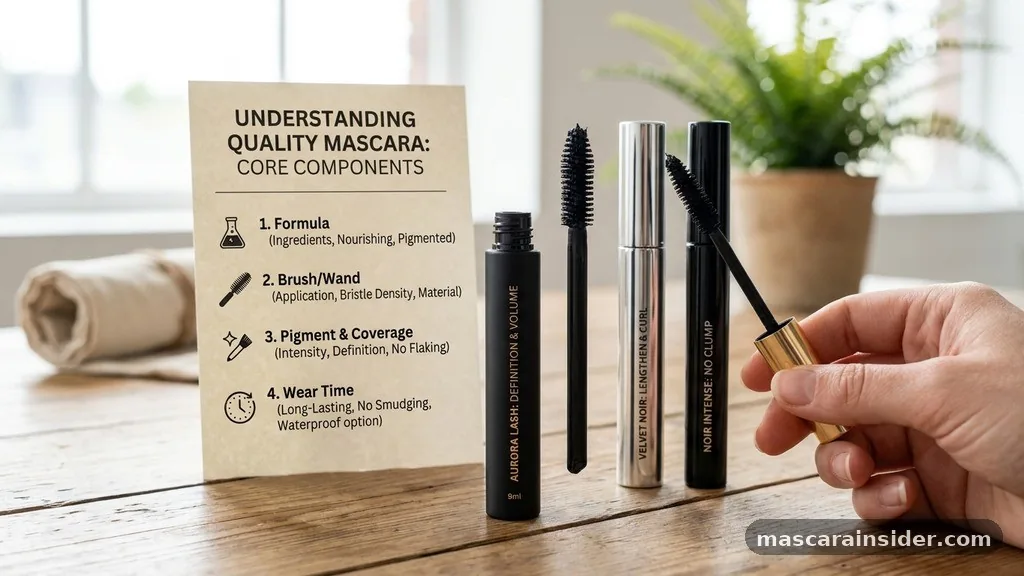
Finding a product that truly works for your unique lash type can feel like a never-ending search, but knowing what is a good mascara comes down to understanding the science behind the wand and the formula. Whether you desire dramatic volume or a natural, fluttery look, the right cosmetic choice balances performance, comfort, and safety.
By focusing on specific ingredients and brush shapes, you can easily filter through hundreds of options to find the one that fits your daily routine. This exploration covers the key technical aspects of high-quality lash enhancers, helping you make an informed decision for your next beauty purchase.
Understanding the Core Components of Quality Mascara
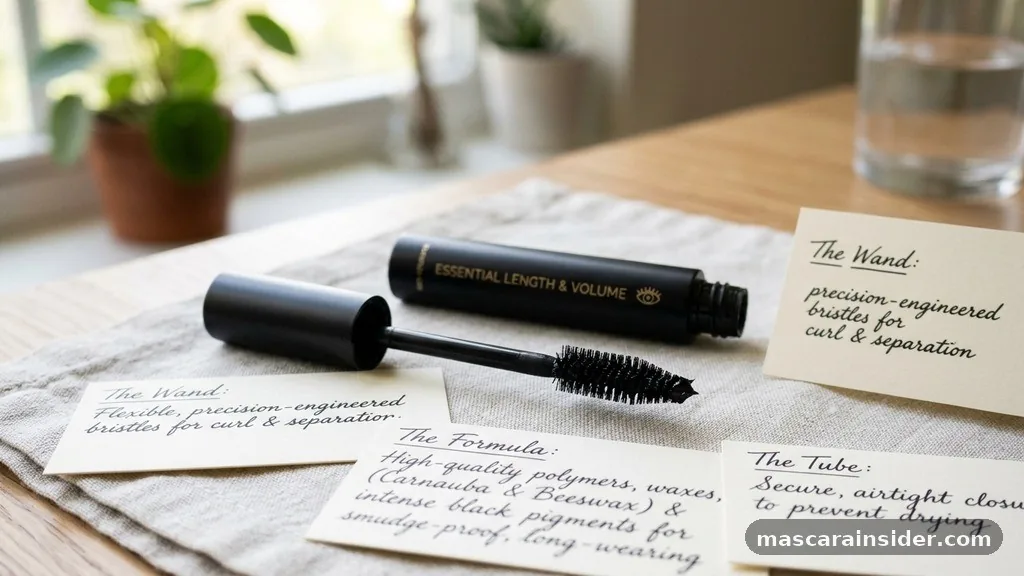
A high-performing lash product is defined by more than just its marketing claims; it is a blend of chemistry and design. When evaluating what is a good mascara, look for a volumizing formula that provides buildable coverage without weighing down the hairs. The goal is to achieve a clump-free application that lasts through the day without flaking.
Professional-grade products often prioritize both aesthetics and lash health. Ingredients like panthenol are frequently included to condition the lashes, preventing them from becoming brittle or dry after repeated use.
Furthermore, if you wear contact lenses or have sensitive eyes, choosing an ophthalmologist-tested option is non-negotiable. These products undergo rigorous testing to ensure they won’t cause irritation or allergic reactions.
The Role of Brush Design in Lash Definition
The applicator is just as critical as the liquid inside the tube. You will notice that different shapes serve distinct purposes in achieving lash definition. A tapered brush is excellent for reaching the tiny, hard-to-reach hairs at the inner corners of your eyes, while a fuller, hourglass-shaped brush excels at depositing product for maximum volume.
* Rubber Brushes: These are typically better at grabbing individual lashes to provide superior lash separation.
* Bristle Brushes: Natural fibers tend to hold more product, making them ideal for someone aiming for a thick, dramatic appearance.
* Curved Wands: These are specifically engineered to lift lashes from the root, acting as a curling wand to open up the eye area.
Waterproof vs. Tubing Mascara
One of the most common dilemmas in beauty is choosing between waterproof vs. tubing formulas. Waterproof options are designed to withstand humidity, sweat, and moisture by using waxes and polymers that resist water dissolution. They are incredibly reliable for long events, but they often require an oil-based makeup remover to break down the bond.
Tubing formulas represent a different approach to long-wear makeup. Instead of painting the lashes with pigment, they use polymer technology to wrap each lash in a water-resistant tube.
These tubes slide off easily with warm water and gentle pressure, making them a favorite for those who dislike the scrubbing required by traditional waterproof formulas. If you struggle with smudge-proof wear, tubing technology is often the cleanest solution.
Specialized Formulas for Specific Needs
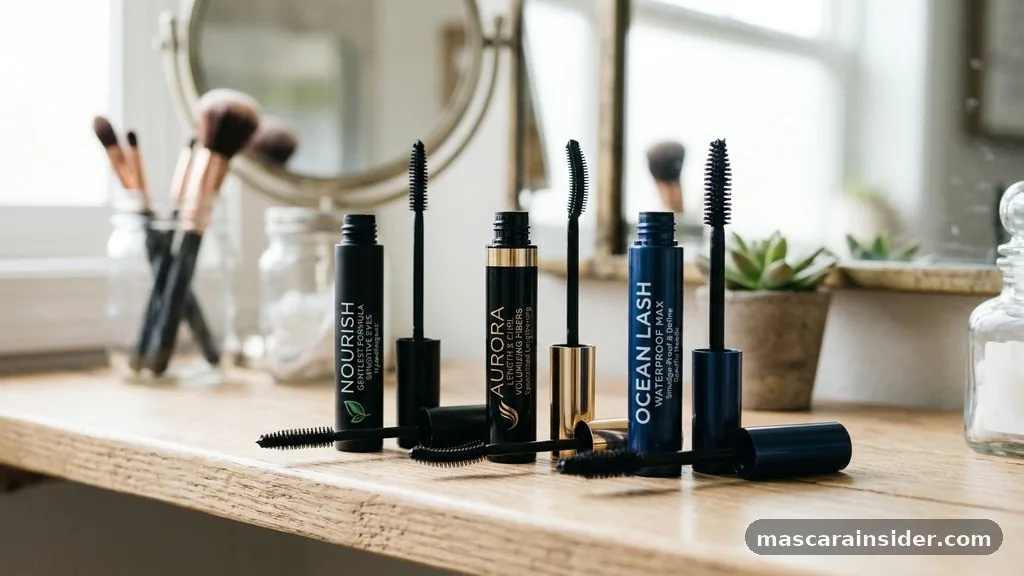
Not every lash requires the same level of care or intensity. If you are struggling with naturally thin or short lashes, a lengthening mascara containing synthetic fibers—often called a fiber mascara—can physically extend the appearance of your lashes. These tiny fibers adhere to your natural lash tips, creating a dramatic extension that traditional waxes cannot achieve alone.
| Feature | Best For | Primary Benefit |
|---|---|---|
| Volumizing | Thin or sparse lashes | Adds thickness and density |
| Lengthening | Short, straight lashes | Creates visible reach and extension |
| Tubing | Oily eyelids/smudging | Zero smudging and easy removal |
| Hypoallergenic | Sensitive eyes | Minimal risk of inflammation |
Addressing Common Lash Challenges
Many users find that their mascara migrates under their eyes by midday, a phenomenon often caused by natural oils on the skin. If you have oily eyelids, stick to smudge-proof formulas that set quickly. Avoid applying heavy creams or oils directly to the lash line, as these will break down even the most durable formulas within hours.
Another frequent challenge is the dreaded “spidery” look. This usually happens when the brush is overloaded with product.
To fix this, wipe the excess mascara off the wand onto a clean tissue before applying. Use a zig-zag motion starting at the base of your lashes to ensure even distribution and maximum separation.
How to Identify a Hypoallergenic Product
For those with sensitive eyes, identifying a truly hypoallergenic option is essential. Brands that prioritize this designation usually exclude fragrance, essential oils, and certain preservatives that are known to trigger contact dermatitis or redness. Always check the ingredient list for potential irritants.
If you find that your eyes tear up during application, it might be the formula’s pH balance or a specific chemical stabilizer. Switching to a formula explicitly labeled for sensitive users can prevent the irritation that often leads to rubbing and potential lash breakage. Consistency in your choice of brand often leads to better long-term lash health.
Topical Gaps: Why Mascara Expiration Matters
A frequently overlooked aspect of what is a good mascara is the lifespan of the product. Even the highest-quality tube will harbor bacteria over time due to the repeated motion of pulling the wand out and pushing it back in. This creates an environment where microorganisms can thrive.
Most dermatologists recommend replacing your mascara every three months. Using an old tube doesn’t just result in clumpy, dry application; it significantly increases the risk of eye infections like conjunctivitis.
If the formula changes texture, smells unusual, or causes any sudden eye discomfort, discard it immediately regardless of how much product is left. Investing in a fresh tube is one of the easiest ways to ensure your eye safety and maintain that perfect, fresh-applied look every single day.
Frequently Asked Questions
What is the most important factor when choosing a mascara?
The most important factor is your specific lash goal, such as prioritizing volume, length, or smudge-proof wear.
Does a higher price point guarantee a better mascara?
Not necessarily; many drugstore options offer excellent polymer technology and formulas that rival high-end luxury brands.
How can I prevent my mascara from clumping?
Wipe excess product off the wand before application and use a clean spoolie to comb through your lashes.
Is it safe to use waterproof mascara every day?
It is safe, but it can be drying; ensure you use a gentle, oil-based remover to prevent lash breakage.
How do I know if a product is safe for sensitive eyes?
Look for the ophthalmologist-tested label and ensure the formula is fragrance-free and labeled as hypoallergenic.
What is the benefit of a fiber mascara?
Fiber mascara uses tiny synthetic strands to bond to your natural lashes, providing extra length and volume.
When should I replace my mascara?
You should replace your mascara every three months to prevent bacterial buildup and ensure optimal product performance.
Final Thoughts on Choosing Your Mascara
Selecting the right lash product is ultimately a process of trial and error tailored to your unique eye shape and lifestyle. Whether you lean toward a lengthening mascara for a daytime look or a volumizing formula for evenings, the secret lies in the quality of the brush and the stability of the ingredients. By keeping an eye on expiration dates and prioritizing formulas that match your sensitivity levels, you can maintain healthy, beautiful lashes year-round.
Remember that the best product for you is one that makes you feel confident while remaining comfortable throughout your busiest days. Don’t be afraid to experiment with different wand types to see what works best for your specific lash texture, and reach out if you have further questions about finding your perfect match.


