

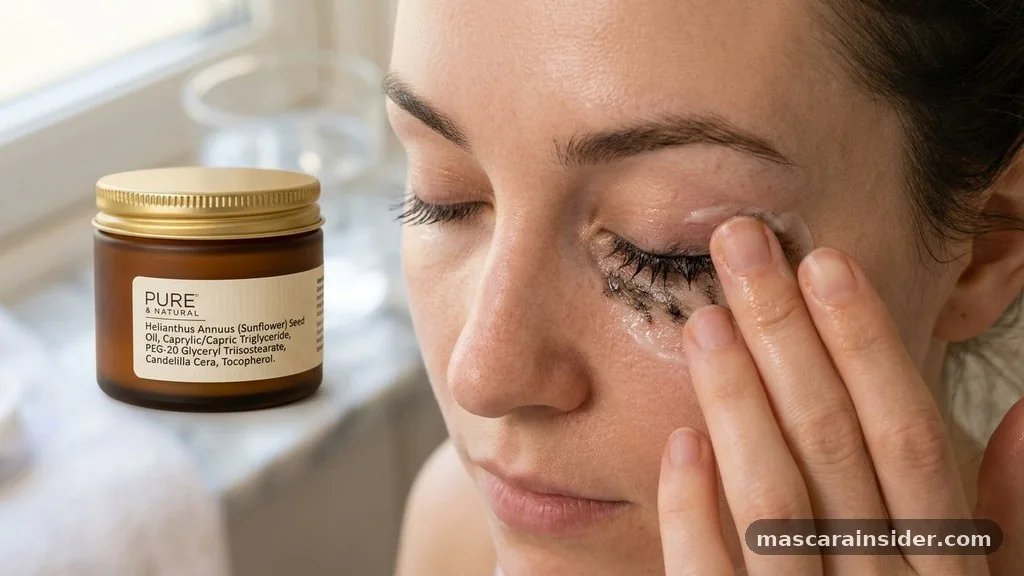
Removing stubborn eye makeup often feels like a battle of wills, especially when you are trying to figure out how to get waterproof mascara off with water alone. While standard tap water lacks the chemical properties to dissolve the polymers and waxes found in long-wear formulas, understanding the mechanics of emulsification and proper technique can make the process much smoother.
Relying solely on water often leads to aggressive scrubbing, which is the primary cause of eyelash health decline and premature lash loss. By shifting your approach to include gentle, household-friendly alternatives, you can protect your delicate eye area while ensuring every trace of makeup residue disappears.
The Science Behind Waterproof Mascara Removal
Waterproof mascara is designed to resist moisture, meaning it contains hydrophobic ingredients like synthetic waxes and volatile silicones. These components create a barrier that repels standard water, making the simple act of splashing your face entirely ineffective. When you attempt to remove these products, you are essentially trying to break down a chemical shield that was engineered to withstand sweat, tears, and humidity.
Water alone cannot penetrate this barrier. Instead, it forces you to apply excessive physical friction. This mechanical stress is detrimental to your skin, as the skin around the eyes is the thinnest on the body.
Repeatedly dragging a cloth or your fingers across your lids contributes to eyelash breakage and potential eyelid irritation. To effectively remove these products, you must use a substance that can dissolve the oils and waxes, which is why experts often recommend a double cleansing routine.
Why Water Alone Often Fails
If you have ever stood in front of a mirror splashing your face, only to find yourself with raccoon eyes, you have experienced the limitations of water. The primary reason for this failure is the molecular structure of the mascara. Because the product is hydrophobic, it effectively ignores water molecules.
The Role of Emulsification
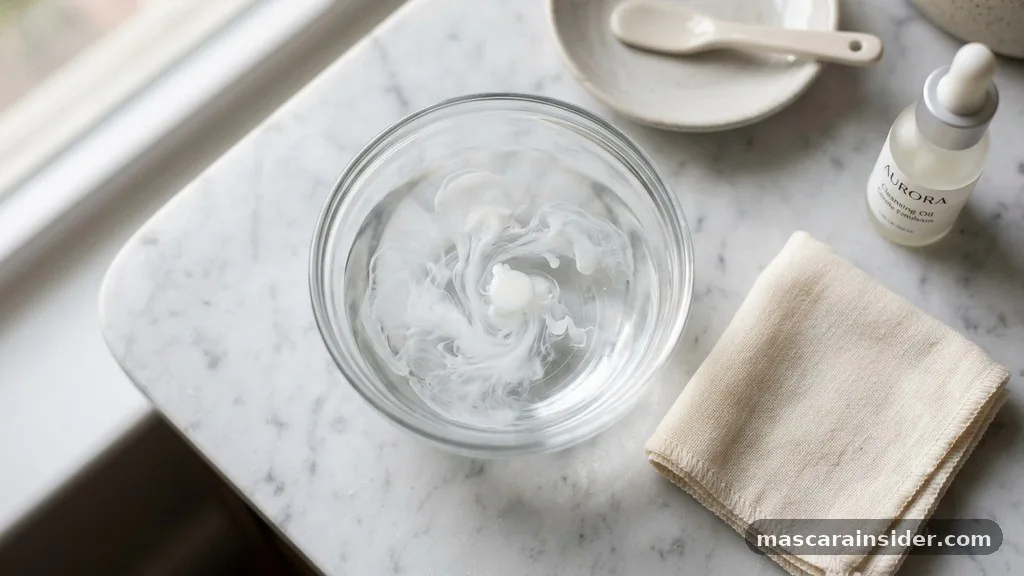
Emulsification is the process where a substance allows oil and water to mix, which is exactly what you need to break down long-wear cosmetics. If you are determined to use water as part of your routine, you must combine it with an agent that can bridge the gap between oil-based makeup and water-based rinsing.
Common Risks of Aggressive Scrubbing

* Lash breakage: Pulling on dried mascara causes lashes to snap at the root. * Skin sensitivity: Friction leads to redness, dryness, and potential contact dermatitis. * Micro-tears: Rough rubbing can cause tiny abrasions in the skin around the eyes. * Increased aging: Stretching the skin accelerates the appearance of fine lines and wrinkles.
Effective Alternatives to Plain Water
Since plain water is insufficient, incorporating natural oils or specialized cleansers is the most efficient way to achieve a clean slate. These substances work by softening the wax layer, allowing you to wipe the mascara away without tugging.
| Method | Best For | Key Benefit |
|---|---|---|
| Coconut Oil | Thick, stubborn formulas | Deeply moisturizing for the lashes |
| Micellar Water | Sensitive eyes | No-rinse, lightweight removal |
| Jojoba Oil | Oily or acne-prone skin | Mimics skin’s natural sebum |
| Cleansing Balm | Full-face makeup wearers | Efficient, mess-free emulsification |
Using Natural Oils for Gentle Removal
Using household oils is a popular strategy for those who want to avoid harsh synthetic chemicals. Coconut oil, olive oil, and jojoba oil are highly effective at dissolving the polymers in waterproof mascara. Because these are natural fats, they soften the mascara almost instantly upon contact.
To use this method, place a small amount of oil onto a clean finger or a pad. Gently massage it into your lashes in a downward motion. Let the oil sit for about thirty seconds.
This “dwell time” allows the oil to penetrate the product. Once the mascara has softened, you can wipe it away with a damp cloth or a warm, wet cotton pad. Follow up with a gentle facial cleanser to remove any remaining oily film.
Integrating Micellar Water into Your Routine
Micellar water has become a staple for many because it acts like a magnet for dirt and makeup. While it is mostly water, it contains tiny suspended surfactants called micelles. These micelles grab onto the makeup particles, lifting them away from your skin without the need for intense scrubbing.
When using micellar water, don’t just swipe it across the lid. Instead, soak your cotton pads thoroughly and press them against your closed eyelid for at least twenty seconds. This allows the micelles to work their way into the lash line.
After the time is up, gently wipe downward. This technique is particularly helpful for those who wear lash extensions, as it prevents the rubbing that can cause premature shedding.
Addressing Topical Gaps: Precision Removal
Many people struggle with the “last mile” of removal—those tiny bits of product stuck right at the root of the lashes. If you leave this residue, it can lead to clogged follicles or eye irritation by morning.
How to Clean the Lash Line
The best tool for precision is a clean, pointed cotton swab. After you have removed the bulk of the mascara with an oil or balm, dip the swab into a small amount of micellar water. Carefully run the swab along the upper lash line to pick up any remaining dark pigment. This ensures that you aren’t leaving behind any debris that could cause discomfort or infection. If you find that the mascara is still stubborn, do not force it; apply a fresh layer of oil and repeat the process.
The Importance of Double Cleansing
If you wear waterproof mascara daily, double cleansing is the gold standard for maintaining healthy skin. The first step involves using an oil-based cleanser or a gentle cleansing balm to dissolve the makeup. The second step involves using a water-based cleanser to remove the oil and any remaining impurities.
This two-step process ensures that you aren’t just moving makeup around your face. By removing the waterproof layer first, you allow your pores to breathe.
Furthermore, this method is significantly safer for your lashes than trying to remove everything with a face wash alone. It prevents the need to scrub, which is the ultimate goal for long-term lash health.
Managing Lash Health During Removal
Your lashes are delicate and prone to damage if handled improperly. The stress of waterproof mascara, combined with the removal process, can lead to thinning over time. To mitigate this, always prioritize products that contain conditioning agents.
Jojoba oil is particularly excellent for this, as it is structurally similar to the natural oils produced by your skin. Regularly conditioning your lashes with a tiny amount of oil can help keep them flexible, reducing the likelihood that they will snap when you eventually clean them. Always move your fingers or pads in the direction of lash growth—never side-to-side or upward—to minimize mechanical strain.
Frequently Asked Questions
Does plain water remove waterproof mascara?
No, plain water lacks the solvent properties needed to break down the hydrophobic waxes in waterproof mascara.
Can I damage my lashes by removing mascara?
Yes, aggressive scrubbing and tugging can cause lash breakage and weaken the follicles over the long term.
Is it safe to use coconut oil near my eyes?
Yes, organic, cold-pressed coconut oil is generally safe for the eye area, provided you are not allergic.
What is the best way to remove mascara without store-bought remover?
Using a natural oil like olive or jojoba oil is the most effective way to dissolve waterproof mascara.
Why does my mascara leave residue after washing?
The formula is likely still bonded to the lash; you need an oil-based cleanser to fully dissolve it.
How do I protect my lashes while removing makeup?
Always use a gentle, downward wiping motion and avoid pulling or rubbing the eyes with rough towels.
Should I use micellar water for waterproof makeup?
Yes, but look for a bi-phase micellar water specifically formulated to handle waterproof and long-wear eye makeup.
Maintaining Long-Term Lash Vitality
Understanding how to get waterproof mascara off with water and other safe methods is only one piece of the puzzle. Consistency is what truly preserves the health of your eyes and lashes over time. By incorporating a gentle, oil-based removal step into your nightly routine, you eliminate the need for harsh scrubbing and protect the integrity of your lashes.
Remember that the skin around your eyes is incredibly sensitive; treat it with the same care you would apply to any other delicate part of your body. If you find that your chosen product consistently causes irritation, it may be time to switch to a formula that is easier to remove or to take a break from waterproof options entirely. Your eyes will thank you for the extra care you put into your nightly ritual.


