

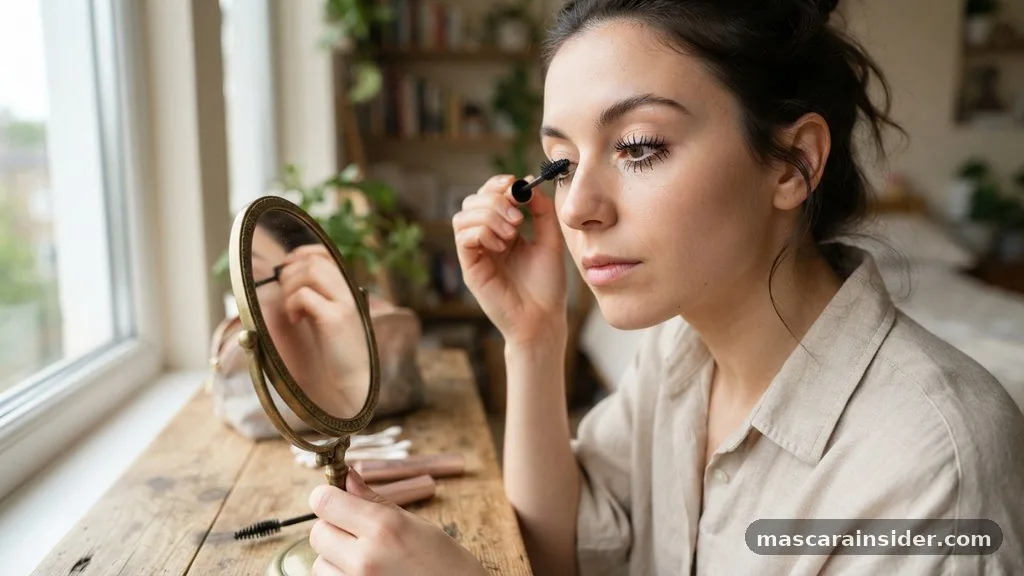
Knowing how long does mascara take to dry is essential for achieving a flawless makeup look without the frustrating smudges that often ruin a fresh application. Most formulas require about thirty to sixty seconds to settle completely onto your lashes after you have finished your final coat. Understanding this timing helps you avoid the dreaded transfer onto your eyelids, which happens when the product is still tacky.
Whether you are using a volumizing or a lengthening product, patience is your best friend when building up your lash appearance. By timing your routine correctly, you ensure your makeup stays crisp, clump-free, and perfectly defined throughout the entire day.
Factors Influencing Mascara Setting Time
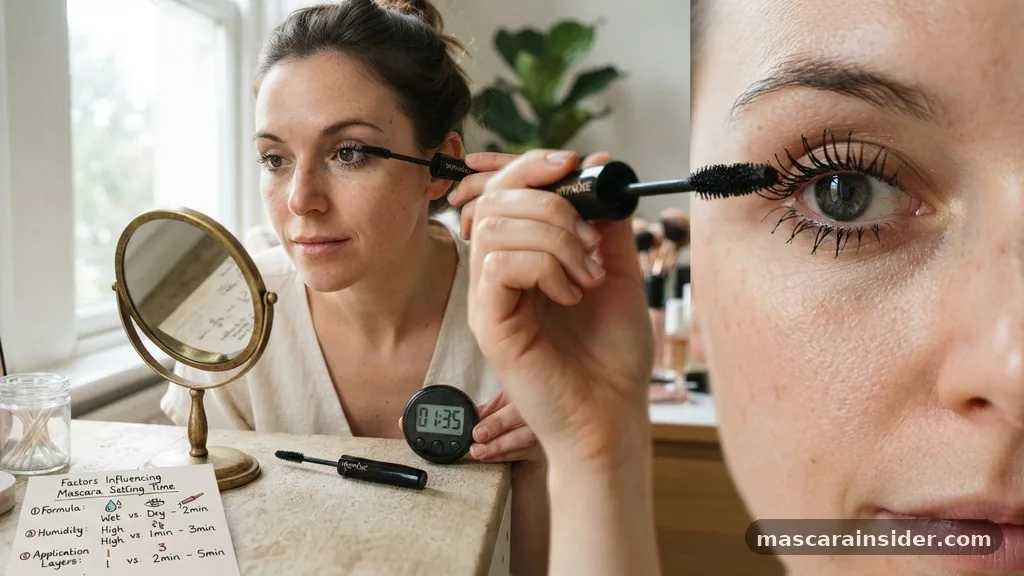
The exact duration for your makeup to set depends heavily on the specific ingredients within the tube. A polymer formula is designed to create a flexible film around each lash, which generally takes longer to harden than a simple wax-based blend. If you are wondering how long does mascara take to dry, consider that high-performance products often contain extra emollients that keep the texture workable during application but extend the final drying window.
Environmental factors also play a significant role in the lash drying process. If you live in a humid climate, moisture in the air will prevent the formula from setting as quickly as it would in a dry environment. Furthermore, the thickness of the application matters; layering three or four coats significantly increases the volume of product on your lashes, meaning there is more liquid content that needs to evaporate or set before the surface becomes smudge-proof.
Differences Between Mascara Types
Not all tubes are created equal, and the type of product you choose will directly dictate the speed at which it sets. Waterproof mascara is notorious for having a different drying profile compared to standard formulas. Because these products are designed to repel water, they often incorporate volatile solvents that evaporate rapidly, leading to a faster set. However, they can also feel stiffer once dry.
Standard washable formulas often rely on water-based emulsions. These typically stay tacky for a minute or longer, which is actually beneficial if you want to comb through your lashes to ensure a clump-free result.
Once you are satisfied with the separation, you must avoid blinking aggressively or touching your eyes during that critical minute. The following table illustrates the general drying expectations based on common product categories.
| Mascara Type | Estimated Drying Time | Key Characteristic |
|---|---|---|
| Waterproof | 20–40 Seconds | Fast-setting, solvent-heavy |
| Tubing | 30–50 Seconds | Forms polymer sleeves |
| Volumizing | 45–70 Seconds | High wax/emollient content |
| Natural/Organic | 60–90 Seconds | Oil-based, slower evaporation |
Managing Clumps and Smudging During the Drying Phase
If you find that your makeup is transferring onto your upper lid, you are likely rushing the smudge-proof application process. Many people try to apply their eyeshadow or eyeliner immediately after their lashes, which often results in the wet product picking up pigments from your lids. To avoid this, try looking downward into a mirror while the lashes set; this keeps your eyelashes away from your skin, preventing the contact that causes those annoying black dots above your eyes.
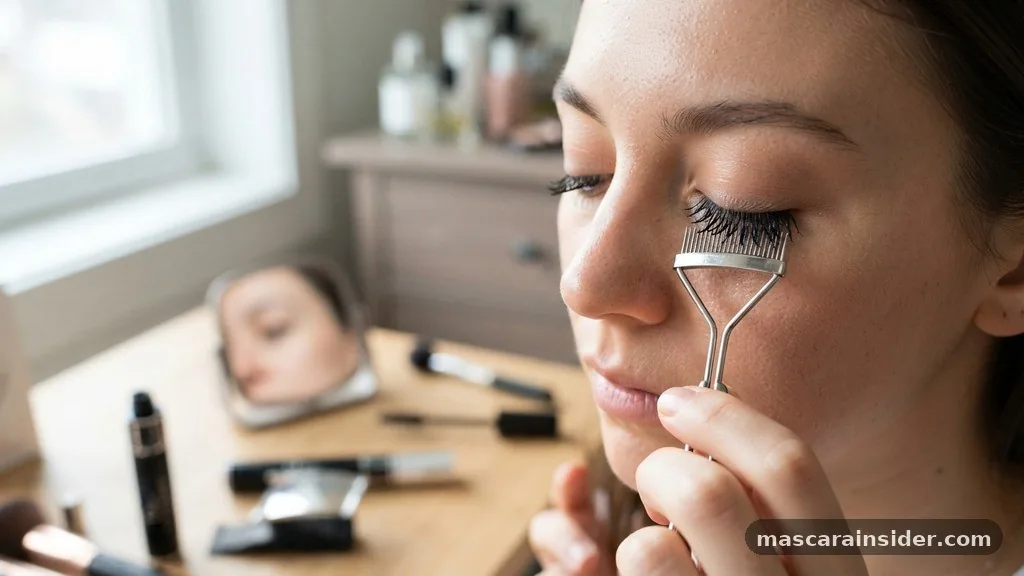
Another common mistake is trying to “fix” the lashes once they are partially dry. If you run a spoolie brush through lashes that are halfway through the setting phase, you will likely cause them to look spidery or broken.
It is much better to ensure your lash separation is perfect while the product is still very wet. If you absolutely must touch them up, use a clean, dry metal lash comb rather than a plastic wand to avoid dragging the setting formula.
Addressing Common Topical Gaps
Many users are confused about the relationship between product age and performance, specifically regarding mascara shelf life. A common question is whether an old tube dries faster or slower.
As a tube ages, the solvents evaporate, leading to a thicker, clumpy consistency that actually dries much faster on the wand but applies unevenly to the eye. This is a sign that your eye makeup expiration date has passed, and you should consider replacing it to avoid bacterial contamination.
If your product feels slightly dry but isn’t expired, you might be tempted to add a saline solution to revive it. While this can provide a temporary dry mascara fix, it can also alter the chemical balance of the preservative system, potentially leading to eye irritation.
It is generally safer to replace the product every three months. To maintain hygiene and performance:
- Always replace your tube every three months to prevent bacterial buildup.
- Practice proper mascara wand hygiene by wiping off excess product from the bristles.
- Ensure the cap is screwed on tightly after every use to slow down solvent evaporation.
- Avoid pumping the wand in and out of the tube, as this pushes air inside and accelerates drying.
- Use a gentle oil-based makeup remover to ensure you aren’t tugging on your lashes during removal.
- Prioritize eyelash health by removing all traces of product before going to sleep.
Frequently Asked Questions
Is it normal for my mascara to take two minutes to dry?
While longer than average, heavy coats of volumizing or oil-based formulas can take up to two minutes.
Can I use a hair dryer to speed up the drying process?
No, never use a hair dryer near your eyes, as the heat can cause severe irritation and damage lashes.
Does waterproof mascara dry faster than regular mascara?
Yes, waterproof formulas typically contain volatile solvents that allow them to set much quicker than water-based alternatives.
How do I know if my mascara has reached its expiration date?
If the formula is clumpy, smells off, or causes eye irritation, it has likely reached its expiration date.
Can I revive dry mascara with water?
Avoid using water, as it can introduce bacteria; a drop of saline solution is a safer, temporary fix.
Why does my mascara transfer to my eyelid even after drying?
This usually happens because the formula is not fully set or your eyelids have natural oils that break it down.
How can I prevent mascara from clumping while it dries?
Use a clean lash comb to separate your lashes immediately after application while the formula is still wet.
Final Thoughts on Lash Maintenance
Mastering the timeline for your makeup application transforms your daily routine into a much smoother experience. By respecting the time your chosen formula needs to set, you protect your hard work from smudges and ensure your eyes look bright and defined. Remember that the health of your eyes should always take priority over a quick finish; if a product has become too thick or old, it is time to cycle it out.
Keeping your tools clean and understanding how your specific products behave will keep your lashes looking their best. If you find yourself frequently struggling with transfer, consider switching to a tubing formula or a fast-setting waterproof option to better suit your needs and lifestyle.


