

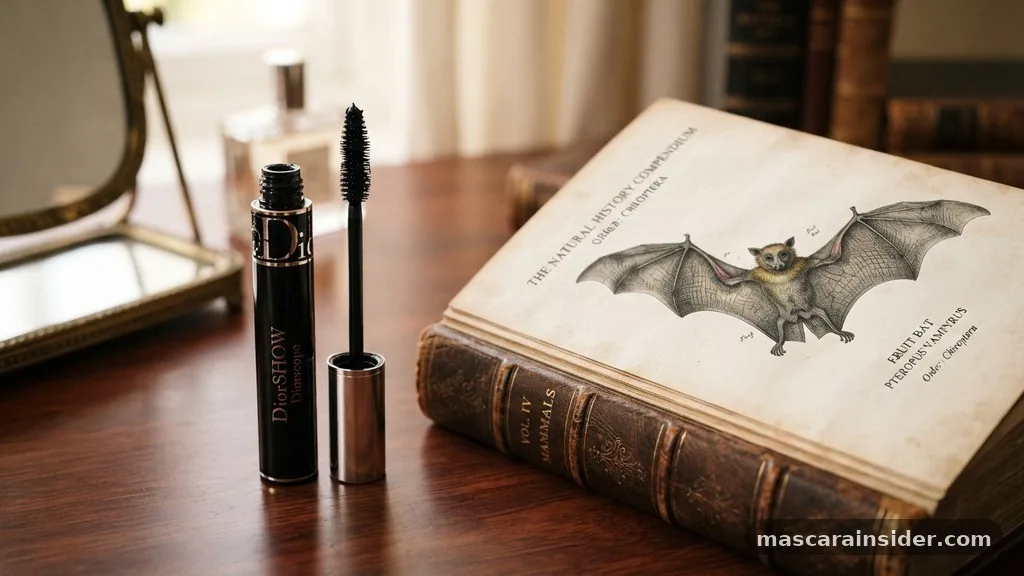
The persistent rumor that there is bat poop in mascara has circulated in beauty circles for decades. It is one of those urban legends that sounds just plausible enough to make people pause before applying their favorite lash-lengthening products.
While the cosmetic industry often uses complex terminology that can sound intimidating to the average consumer, the reality behind these claims is far less exotic and much more scientific. By investigating the actual components of your makeup, you can separate fact from fiction and understand exactly what is being applied near your eyes.
The Origin of the Bat Poop Myth

The confusion surrounding whether there is bat poop in mascara stems from a fundamental misunderstanding of chemical names and their origins. The term “guano,” which refers to the excrement of seabirds and bats, sounds phonetically similar to “guanine,” a crystalline substance used in the beauty industry.
Because these words share a common root and sound nearly identical, it was easy for the rumor to take hold in the early days of the internet. People began conflating the organic waste found in caves with the shimmering pigment used in high-end cosmetics.
In reality, these two substances have nothing to do with each other. While guano is indeed a natural substance, it has no place in the strictly controlled environment of a cosmetic laboratory.
The beauty industry relies on precise chemical formulations to ensure that products remain stable, effective, and safe for human use. The myth likely gained traction because it sounds like a shocking “behind-the-scenes” secret, which is a common trope in beauty industry myths designed to drive clicks and social media engagement.
What Is Guanine and Where Does It Come From?
Guanine is a naturally occurring crystalline material that creates an iridescent shimmer or pearl-like effect in cosmetics. It is a nitrogenous base that is essential to life, as it is one of the five primary nucleobases found in DNA and RNA.
However, the guanine used in your makeup does not come from bat caves, nor does it come from any part of a mammal. Instead, it is typically derived from the silvery scales of fish, specifically those harvested from the herring family.
This substance is often referred to as “pearl essence” in the trade. When processed, these fish scales produce a beautiful, reflective quality that makes eyeshadows, lipsticks, and mascaras catch the light.
Because consumers are increasingly demanding transparency, many brands have moved away from animal-derived ingredients entirely. Today, most of the shimmer you see in modern makeup comes from engineered minerals or synthetic alternatives rather than traditional fish-scale extracts.
Understanding Mascara Formulation and Ingredients
Modern mascara formulation is a precise science that balances pigments, waxes, polymers, and preservatives to create a product that stays on your lashes without flaking. If you look at the back of a mascara tube, you will see a long list of cosmetic ingredients that look like a chemistry textbook. Manufacturers must adhere to strict safety protocols to ensure that these substances do not cause irritation, especially given the sensitivity of the ocular area.
The primary components of mascara include:
- Water, which acts as a base for the emulsion.
- Waxes like carnauba or beeswax to provide structure and hold.
- Pigments such as iron oxides to provide that deep black color.
- Film-formers like acrylates to prevent smudging.
- Preservatives to prevent the growth of bacteria over the product’s lifespan.
None of these categories require the inclusion of animal waste. The industry is heavily regulated, and the addition of substances like guano would be a massive liability and a violation of health codes. When you purchase a product from a reputable brand, you are receiving a formula that has been tested for purity and stability.
The Role of FDA Cosmetic Regulations
The FDA cosmetic regulations play a significant role in debunking the idea that unsanitary materials are hidden in your beauty bag. In the United States, the FDA does not require pre-market approval for most cosmetics, but it does mandate that all products must be safe for their intended use. This means that if a company were found to be using bat guano or any other hazardous material in their products, they would face massive fines, product recalls, and potential litigation.
Furthermore, the FDA requires that all ingredients be listed on the packaging. This is known as cosmetic labeling, and it is designed to protect the consumer.
If you ever have a doubt about what is in your mascara, you can look up the ingredients on the Environmental Working Group’s database or the brand’s own website. These regulations ensure that the “mystery” in your makeup is actually just science that has been clearly labeled for your review.
Synthetic Alternatives to Traditional Pigments
As consumer preferences shift toward vegan and cruelty-free options, the industry has embraced synthetic pigments and lab-created minerals. These alternatives provide the same, if not better, performance than their natural counterparts while removing the ethical and sanitary concerns of using animal-derived ingredients. For instance, instead of using fish-scale guanine, many companies now use mica or bismuth oxychloride.
Mica is a natural mineral that provides a reflective, metallic finish. Because it is a mineral, it is inherently free from biological waste.
Bismuth oxychloride is a synthetic powder often used to add a pearlescent sheen to cosmetics. By using these engineered materials, companies can guarantee that their products are consistent, vegan-friendly, and free from the contaminants that urban legends often suggest are lurking in our makeup kits.
Addressing Topical Gaps in Beauty Knowledge
Many people wonder if there are other animal products in mascara that might be mistaken for “poop” or other unsavory items. While guano is definitely not in your makeup, it is true that some older or non-vegan formulas historically included ingredients like shellac (derived from beetles) or lanolin (from sheep’s wool). Understanding these distinctions helps clarify why myths start; people know that animal products are used in some beauty items, so they assume the worst when they hear a rumor about “bat poop.”
| Ingredient | Source | Purpose in Makeup |
|---|---|---|
| Guanine | Fish scales | Pearlescent shimmer |
| Beeswax | Honeybees | Consistency and hold |
| Iron Oxides | Minerals | Black/brown pigment |
| Mica | Earth minerals | Shimmer and light reflection |
By looking at this table, you can see that the ingredients are either mineral-based or derived from common animal byproducts that are widely accepted and safe. There is no intersection between the manufacturing process for mascara and the collection of bat excrement. The confusion is purely linguistic, fueled by the similarity between “guanine” and “guano.”
How to Read Your Cosmetic Labels
Learning to interpret cosmetic labeling is the most effective way to put your mind at ease. When you pick up a tube of mascara, ignore the marketing claims on the front and head straight to the “Ingredients” or “INCI” (International Nomenclature of Cosmetic Ingredients) list. If you see a term you don’t recognize, a quick search on a reputable database will tell you exactly what it is and where it comes from.
Most brands now clearly mark their products as “Vegan” or “Cruelty-Free” if they avoid all animal-derived ingredients. If you are worried about the origin of your shimmer, look for “Synthetic Fluorphlogopite” on the label.
This is a synthetic mica that provides a brilliant glow without needing to harvest fish scales or any other biological material. Taking the time to read these labels turns you from a passive consumer into an informed one, rendering rumors about bat poop irrelevant.
The Impact of Social Media on Beauty Myths
Social media has a unique ability to amplify misinformation, and the “bat poop in mascara” story is a prime example of how a joke or a misunderstanding can go viral. When an influencer or a commenter claims there is guano in a popular mascara, they are often not checking the science; they are looking for engagement. A shocking headline is more likely to get clicks than a boring explanation about fish-scale guanine.
This is why it is vital to approach beauty news with a healthy dose of skepticism. The beauty industry is a multi-billion dollar business, and companies are generally too concerned with their brand reputation and legal compliance to risk including hazardous waste in their products.
Next time you see a claim about a bizarre ingredient, ask yourself if it makes financial or logistical sense for a company to include it. In the case of bat guano, the answer is a resounding no.
Maintaining Cosmetic Safety and Hygiene
While there is no bat poop in your mascara, it is true that mascara can become a breeding ground for bacteria if it is not handled correctly. Cosmetic safety is largely in the hands of the user. Mascara should be replaced every three months to prevent the buildup of microorganisms that can cause eye infections. This is where the real danger lies, rather than in the ingredients list itself.
To keep your lashes healthy:
- Never share your mascara with friends or family members.
- Avoid “pumping” the wand, as this pushes air and bacteria into the tube.
- Store your makeup in a cool, dry place away from direct sunlight.
- If you notice an unusual smell or change in texture, discard the product immediately.
By following these simple steps, you ensure that your makeup remains a tool for beauty rather than a source of irritation. The focus should always be on proper hygiene and product expiration, rather than worrying about mythical ingredients.
Closing Thoughts on Beauty Myths
The rumor that there is bat poop in mascara is a classic example of how misinformation spreads through the confusion of similar-sounding words. As we have explored, the substance often cited is actually guanine, a common shimmer-inducing ingredient derived from fish scales, which is now being replaced by safe, synthetic alternatives. There is no place for guano in the strictly regulated world of cosmetic manufacturing, and the health standards enforced by the FDA ensure that your products are safe for daily use.
Moving forward, you can enjoy your beauty routine with confidence by relying on verified ingredient lists and prioritizing proper hygiene. When you encounter wild claims about what goes into your makeup, remember that the truth is often much more mundane than the legends suggest. If you have any further questions about your favorite products, feel free to reach out to the manufacturer or consult professional dermatological resources to keep your beauty knowledge sharp and accurate.


