

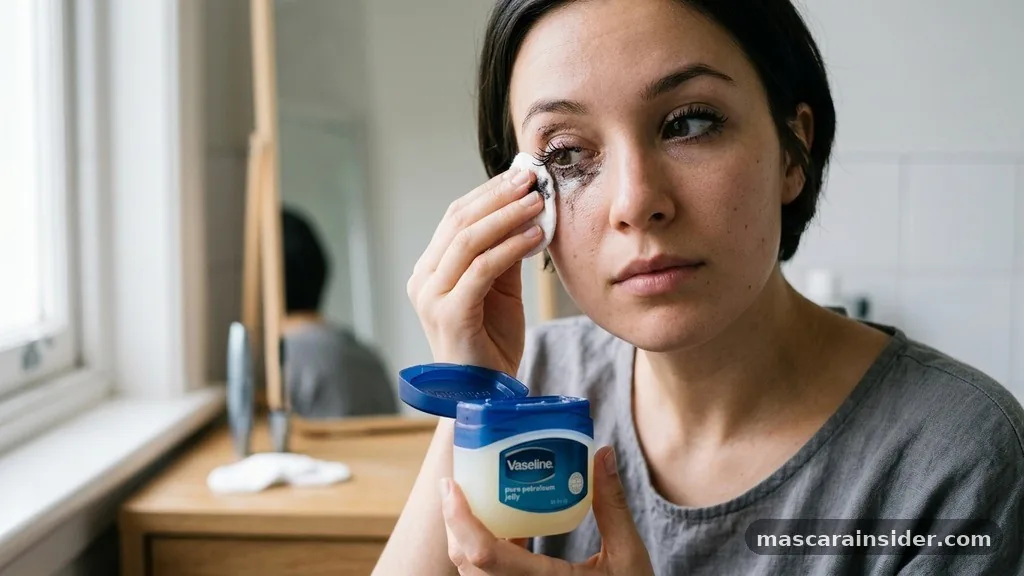
If you have ever struggled to scrub away stubborn eye makeup, you have likely wondered if a common household staple might be the solution. Many beauty enthusiasts swear by the fact that petroleum jelly acts as a powerful agent for removing stubborn eye products. It is a common question whether does vaseline take off waterproof mascara effectively without causing irritation or damage to your delicate lashes.
By understanding how this substance interacts with long-wearing cosmetic formulas, you can simplify your nightly routine and protect your eyes from the unnecessary friction caused by harsh rubbing. Let’s look at how this simple product functions as a reliable alternative to store-bought removers.
The Science Behind Petroleum Jelly and Waterproof Formulas
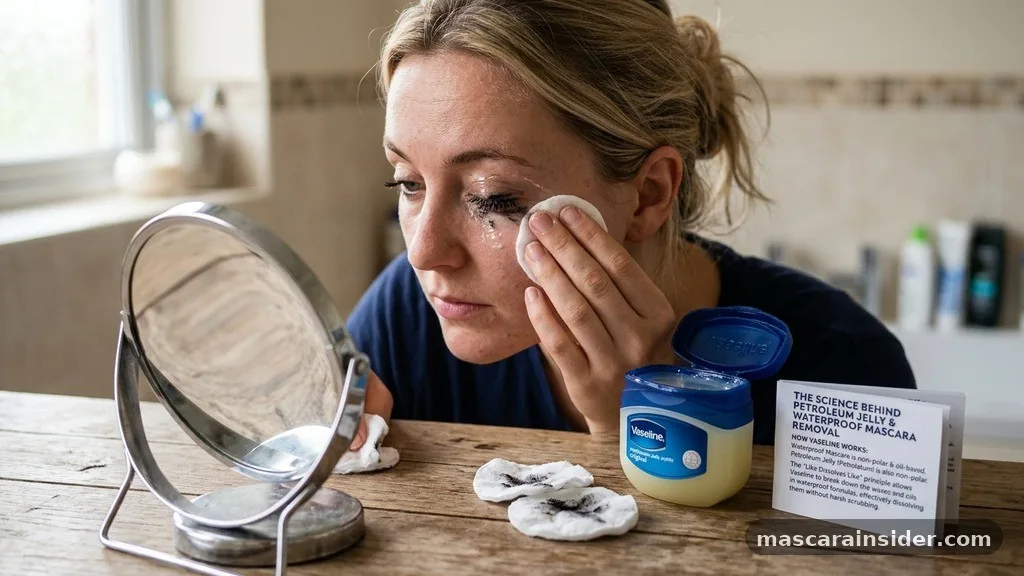
To understand if does vaseline take off waterproof mascara work, you must first understand the chemistry involved in your cosmetics. Waterproof formulas are specifically designed to resist water, sweat, and humidity by incorporating a waterproof polymer.
These synthetic barriers cling to the hair shaft, creating a protective coating that prevents pigment from smudging or running throughout the day. Because these polymers are hydrophobic, standard water-based cleansers simply slide right off them, leaving you with “panda eyes” after every attempt at washing your face.
Petroleum jelly is a semi-solid mixture of hydrocarbons that functions as an excellent lipid solvent. Since waterproof formulas are oil-soluble, applying a greasy substance allows the makeup to break down almost instantly.
When you apply this substance to your lashes, it softens the waxy, resinous bonds of the mascara, effectively lifting the product away from the hair follicle. This process mimics the action of an oil-based makeup remover, but with a much thicker, more occlusive consistency that doesn’t sting the eyes like some harsh chemical solvents might.
Safety Considerations and Ocular Health
While many people find success using this method, ocular safety remains a primary concern for dermatologists and ophthalmologists. The eye area is incredibly sensitive, and introducing any foreign substance—even one that is technically non-toxic—requires caution.
Because petroleum jelly is highly occlusive, it can create a temporary film over your vision if it gets inside the eye. While this is rarely dangerous, it can be startling and uncomfortable, often leading to a cloudy sensation that lasts until you blink it away or rinse your eyes with cool water.
You should also be aware of the potential for residue buildup along the lash line. If you do not cleanse your face thoroughly after using this product, the jelly may clog the tiny oil glands located at the base of your eyelashes. These glands, known as Meibomian glands, are essential for maintaining healthy tear film.
Blockages here can lead to inflammation or even blepharitis, a condition characterized by red, swollen, and itchy eyelids. Always follow up your removal process with a gentle face wash to ensure all traces of the jelly are removed from the skin.
Step-by-Step Application for Gentle Cleansing
Using this makeup removal technique requires a light touch to avoid pulling out your natural lashes. The goal is to let the product do the work for you, rather than relying on physical force. Start by washing your hands thoroughly to prevent transferring bacteria to your eye area.
Take a very small amount of the jelly on your fingertip or a clean cotton swab application and gently press it against your closed eyelid. You want enough to coat the lashes without having a giant glob that might migrate into your eyes.
Once the lashes are coated, let the product sit for about thirty to sixty seconds. This short waiting period is crucial because it allows the lipid solvent properties of the jelly to penetrate the waterproof layers of your mascara.
After the waiting period, use a soft, damp cloth or a cotton pad to gently wipe downward from the base of the lash to the tip. Avoid rubbing back and forth, as this creates tension on the lash follicles, which can eventually lead to premature lash loss or breakage.
Comparing Petroleum Jelly to Specialized Removers
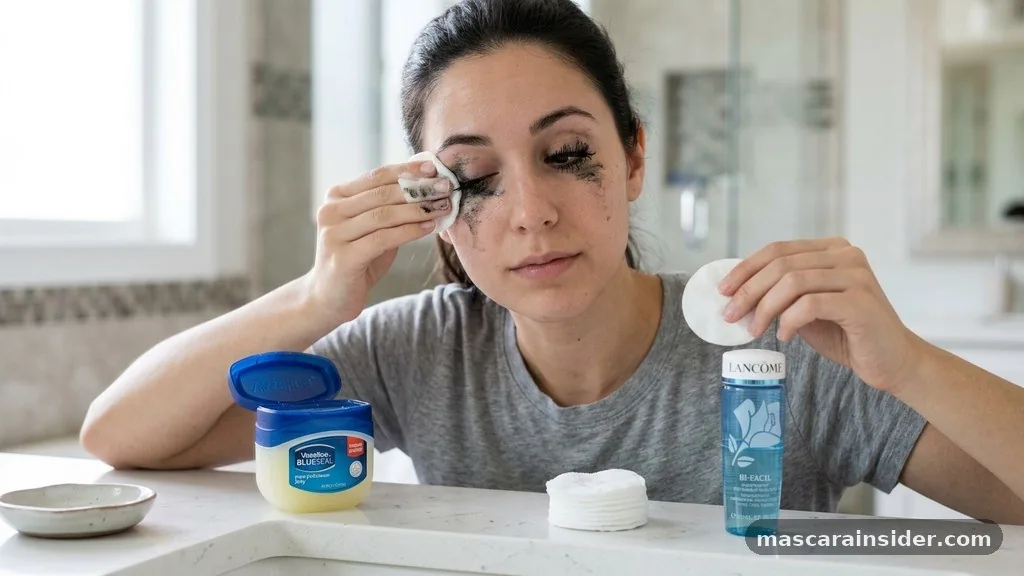
When deciding between a dedicated oil-based makeup remover and petroleum jelly, it helps to look at the pros and cons of each. Specialized removers are often formulated with additional ingredients like antioxidants, soothing botanicals, or surfactants that help rinse away the oil completely.
These products are designed for the specific purpose of eye makeup removal, meaning they are less likely to leave a heavy, greasy film on your skin. However, they can also be significantly more expensive and may contain fragrances or preservatives that irritate sensitive skin.
| Feature | Petroleum Jelly | Specialized Remover |
|---|---|---|
| Primary Action | Lipid Solvent | Surfactant/Emulsifier |
| Residue | Heavy/Occlusive | Light/Rinsable |
| Cost | Very Low | Moderate to High |
| Skin Sensitivity | Generally Non-irritating | Varies by Ingredients |
As shown in the table, the choice often comes down to your personal skin type and budget. If you have extremely oily skin, you might find the heavy texture of petroleum jelly to be a bit too much, even if it is technically non-comedogenic. Conversely, if your skin is dry or prone to eczema, the protective nature of the jelly can actually soothe the eyelid area during the removal process.
Addressing Topical Gaps: Lash Extensions and Sensitive Skin
One common question is whether you can use this method if you have lash extensions. The short answer is a firm no. Because petroleum jelly is a powerful oil-based product, it will actively dissolve the lash extension adhesive that bonds the extensions to your natural hair.
If you have invested in professional lashes, avoid all oil-based products in the eye area to maintain the longevity of the application. Using such a product will almost certainly result in the premature shedding of your extensions.
Another gap in common knowledge involves people with active acne or very oily complexions. While petroleum jelly itself is considered non-comedogenic—meaning it typically does not clog pores—the act of spreading a thick, oily substance across your entire face can lead to breakouts if not washed off properly. If you are prone to acne, focus your application exclusively on the eyelashes and immediately cleanse the surrounding skin with a foaming cleanser to ensure the oils are fully lifted away.
The Importance of Proper Follow-up Cleansing
The most common mistake people make when using this method is skipping the secondary cleanse. Because you are essentially applying oil to your eyelids, you must use a cleanser that can effectively emulsify and remove that oil.
Simply rinsing with water will not be enough to break the lipid barrier created by the petroleum jelly. A mild, hydrating face wash or a dedicated micellar water is the perfect follow-up to ensure your skin is clean and ready for your nighttime skincare routine.
Using a double-cleansing method is highly recommended here. First, use your jelly or oil-based product to break down the makeup and the waterproof polymer in your mascara. Second, follow up with a water-based cleanser to remove the residue and the remaining dissolved makeup.
This two-step process is a standard practice in many skincare routines, ensuring that your pores stay clear and your eyelid skin remains healthy. If you find your eyes feel tacky or blurry after the process, it is a clear sign that you need to be more thorough with your second cleansing step.
Lash Health and Conditioning Benefits
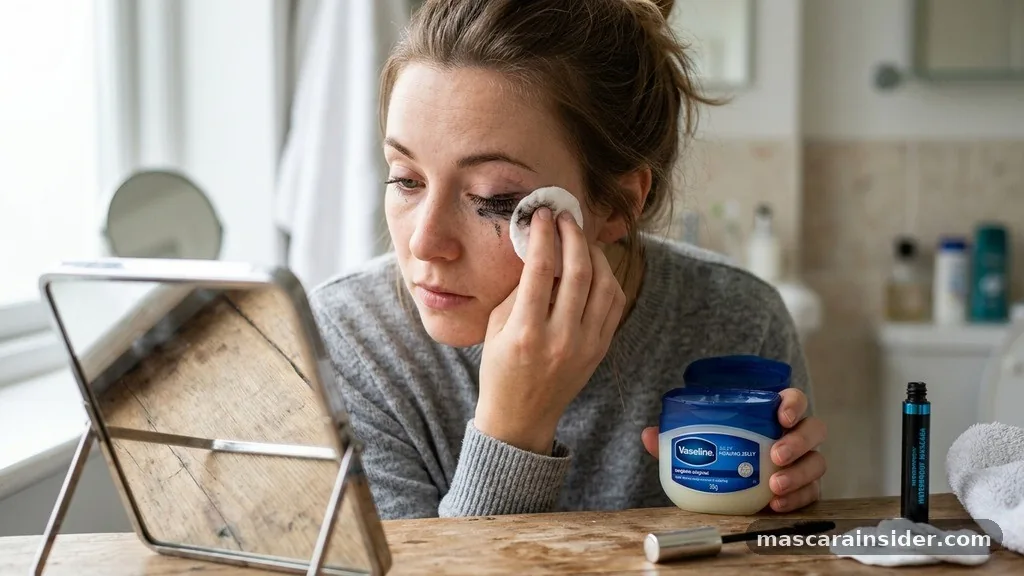
Beyond its utility as a makeup remover, many people use petroleum jelly to condition their lashes. While it does not technically promote hair growth in the way that specialized peptide serums might, the moisturizing effects can prevent your lashes from becoming brittle.
Waterproof mascara is notoriously drying, and the daily process of removing it can strip the lashes of their natural moisture. By providing a hydration boost, you may notice that your lashes look healthier and are less prone to breakage over time.
However, do not mistake conditioning for growth stimulation. If you are looking to increase the length or density of your lashes, a dedicated serum containing active ingredients like prostaglandins or peptides is a better investment. Petroleum jelly acts more like a protective sealant, keeping the hair flexible and soft.
This flexibility is vital, as it makes your lashes more resilient against the mechanical stress of curling or applying mascara the following day. When your lashes are healthy and hydrated, they are naturally less likely to snap under the weight of heavy makeup.
Common Mistakes to Avoid
Even though the process seems simple, there are several common errors that can diminish your experience. One major mistake is using too much product. You only need a tiny amount, roughly the size of a grain of rice for both eyes.
Using a large amount makes the clean-up process significantly harder and increases the likelihood that it will get inside your eyes, causing that temporary blurry vision. Less is truly more when it comes to this makeup removal technique.
Another error is being too aggressive with your wiping. It is tempting to scrub when you see dark smudges, but this is exactly how you damage the delicate eyelash follicles. If the mascara isn’t coming off easily, it means you haven’t given the jelly enough time to break down the waterproof polymer.
Add a little more time to your wait period rather than applying more physical pressure. Patience in the removal process is the key to maintaining long-term eye health and ensuring your lashes stay thick and full.
Integrating into Your Nightly Routine
Incorporating this step into your nightly routine is easy once you get the hang of it. You can keep a small jar of petroleum jelly on your vanity specifically for this purpose. Because it has such a long shelf life, it is a very cost-effective solution compared to traditional makeup removers.
Remember that your goal is to be efficient without being abrasive. By treating your eyes with care, you will find that you can remove even the most stubborn waterproof products without any pain or irritation.
Ultimately, whether this method is right for you depends on your personal preference and how your skin reacts to the heavy texture. It is a tried-and-true beauty hack that has stood the test of time for a reason.
If you find that it works for your lifestyle, you can save money and minimize your exposure to harsh chemicals. Just remember to be mindful of your lash health, clean your skin thoroughly after each use, and avoid the product entirely if you currently wear professional lash extensions.
Frequently Asked Questions
Does Vaseline cause eye irritation?
Generally no, but it may cause temporary blurry vision if it gets directly into your eyes.
Can I use petroleum jelly for lash extensions?
No, it will dissolve the adhesive bond and cause your lash extensions to fall out prematurely.
Is it safe to use this every night?
Yes, as long as you thoroughly cleanse your skin afterward to prevent clogged pores and residue.
Does it help my eyelashes grow?
No, it provides hydration and conditioning, which prevents breakage, but it does not stimulate new growth.
What is the best way to remove it?
Follow your application with a mild foaming cleanser or micellar water to remove all oily residue.
Can this cause acne around my eyes?
It is non-comedogenic, but improper removal can lead to trapped oils and potential breakouts for some.
How long should I let it sit?
Allow it to sit for at least thirty to sixty seconds to effectively break down waterproof formulas.
Using petroleum jelly is a reliable, budget-friendly way to remove stubborn eye makeup, provided you follow the proper steps to maintain your ocular health. By allowing the jelly to function as a lipid solvent and following up with a thorough cleanse, you can easily remove your waterproof polymer mascara without causing damage to your lashes or skin. While it may not be suitable for those with lash extensions or extremely sensitive, acne-prone skin, it remains a favorite for many looking for a gentle alternative.
Experiment with this simple makeup removal technique tonight and see how it fits into your beauty regimen. If you have any concerns about your eye health or persistent irritation, it is always best to consult with a dermatologist or eye care professional.


