

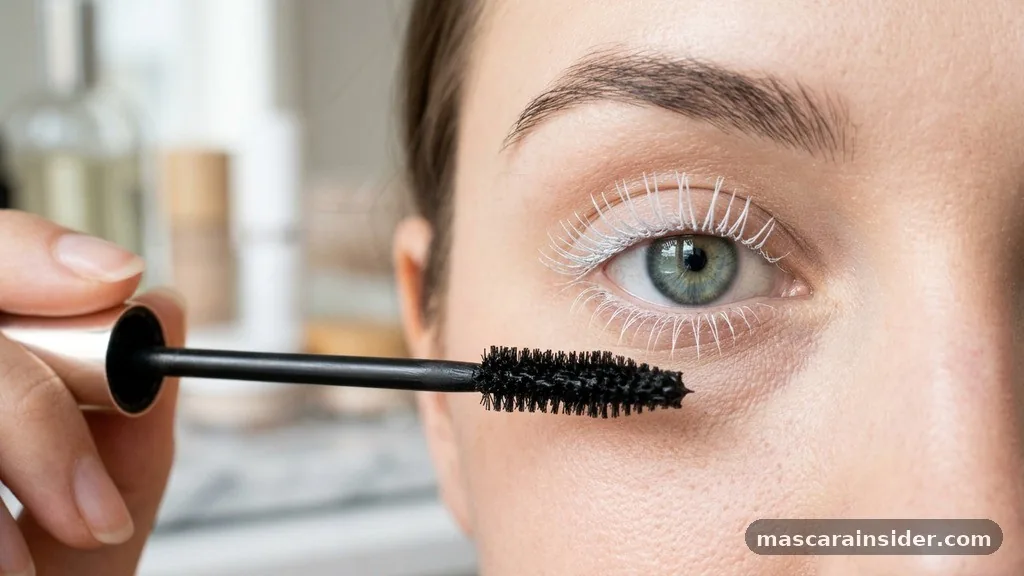
Achieving that wide-eyed, dramatic look often feels like a balancing act between too little product and spider-leg clumps. If you are struggling with lashes that fall flat by midday, learning how to use mascara primer is likely the missing link in your beauty routine. This specialized product acts as a foundation for your eyes, prepping the surface so your colored mascara can grip more effectively.
By building a base, you create the illusion of added thickness and length without needing to pile on coat after coat of heavy pigment. It’s a simple switch that changes how your daily makeup wears.
Understanding the Role of Mascara Primer
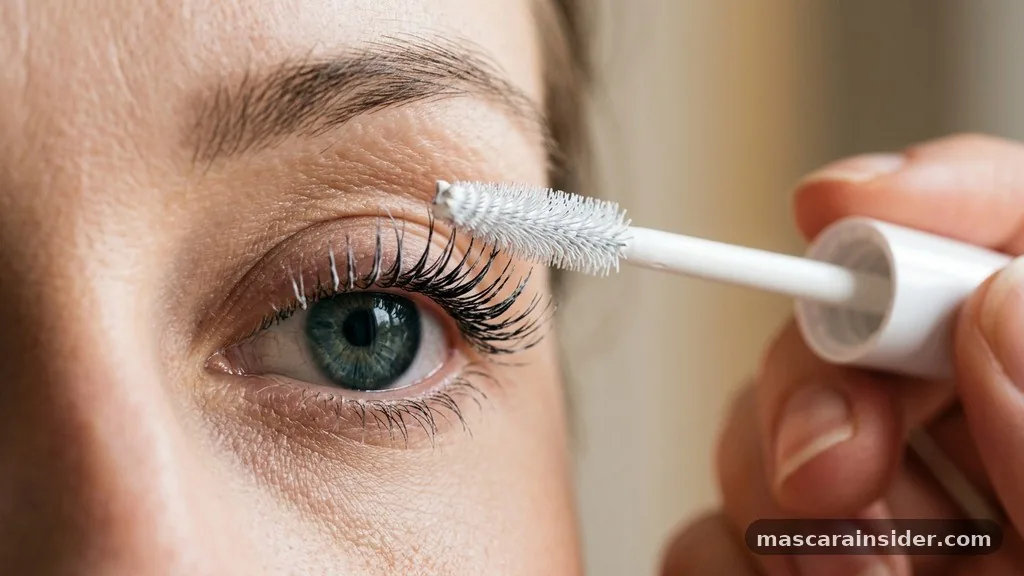
Mascara primer is essentially a base coat designed to enhance the performance of your regular makeup. Most formulas are white or clear, providing a tacky surface that helps the dark pigment adhere better to the hair.
When you coat lashes with this substance, you are essentially thickening the individual strands before the final color is even applied. This step is particularly helpful for those with short or sparse lashes, as it provides a scaffolding effect that makes every subsequent stroke more impactful.
Beyond the aesthetic benefits, many modern primers include lash conditioning ingredients. You will often find peptide-infused formulas or those enriched with panthenol to keep hair healthy and flexible.
Using these products ensures your lashes don’t become brittle from daily wear. By incorporating this step, you protect the delicate hairs while achieving a more dramatic, lifted appearance.
The Step-by-Step Application Process
Mastering the technique requires a bit of patience and the right motion. You want to focus on the roots to ensure the most lift, then work toward the tips to avoid dragging the hair down. Follow these steps to ensure a smooth, professional result every time you reach for your makeup bag.
- Start with clean, dry eyes to prevent any oils from interfering with the formula’s grip.
- Pull the spoolie brush from the tube, wiping any excess product on the rim to prevent thick globbing.
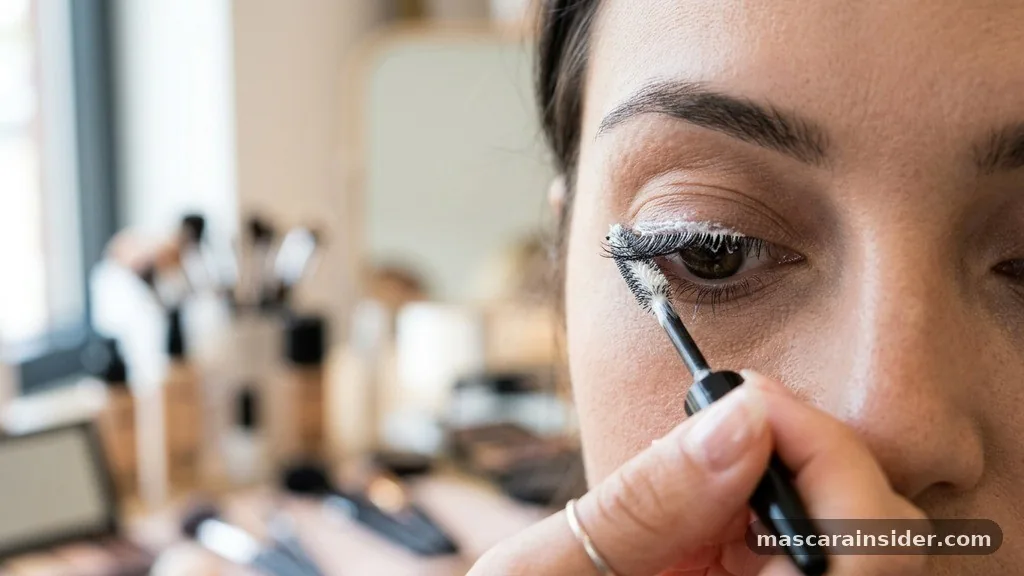
- Place the brush at the base of your upper lashes, wiggling it slightly to deposit plenty of product at the root.
- Sweep the brush upward in a slow, steady motion, ensuring you coat lashes from base to tip.
- Wait approximately 30 seconds for the dry time to pass; the primer should look tacky but not completely rigid.
- Follow immediately with your favorite volumizing mascara to cover the white or clear base entirely.
Common Mistakes to Avoid
Even with the best products, errors in technique can lead to lackluster results. The most frequent mistake is applying too much product, which inevitably leads to heavy, drooping lashes.
Your goal is a thin, even layer that creates a base for the pigment to cling to. If the primer dries completely and turns hard, your mascara will struggle to layer over it, leading to a flaky finish.
Another issue is failing to reach the very base of the lashes. If you only coat the tips, you lose the structural support that gives your eyes that lifted, open look.
Take your time to get the brush as close to the eyelid as possible without touching the skin. This creates the eyelash base needed for a seamless, clump-free application that lasts throughout the day.
Comparing Primer Types and Their Effects
Different formulas offer different benefits depending on your desired look. Some are designed for extreme length, while others focus on thickness or nourishment. The table below highlights how different additives change the final outcome of your eye makeup routine.
| Primer Ingredient | Primary Benefit | Best For |
|---|---|---|
| Peptides | Strength and growth support | Thin or brittle lashes |
| Lash Fibers | Visible length extension | Short, stubby lashes |
| Panthenol | Hydration and softness | Daily, long-term wear |
| Waxy Polymers | Extreme hold and volume | Dramatic, thick looks |
Addressing Common Topical Gaps
Many users wonder if they can skip the primer or if it is necessary for all mascara types. While it is optional, using it makes a significant difference when you are using a tubing mascara or a formula that is notoriously difficult to build.
Some people worry about the white tint showing through, but this is usually a sign of poor application. If you ensure you cover the primer fully, the transition should be invisible.
Another gap in knowledge involves the lash extension effect. People often think primers are only for special occasions, but they are actually excellent for preventing smudge-proof formulas from migrating under the eyes. By creating a barrier between your skin’s natural oils and your makeup, you ensure that your look stays pristine for hours longer than it would without that protective base layer.
Achieving Precision with Lash Separation
If you struggle with the dreaded “spider lash” look, the primer actually acts as a tool for lash separation. Because the primer is often a thinner, more precise fluid than pigmented mascara, it helps define the individual hairs before you add the heavy color. When you use the spoolie to comb through your lashes, you are physically separating them, which prevents the subsequent coat of mascara from sticking multiple hairs together.
If you find that your lashes are still clumping, try using a clean metal lash comb immediately after applying the primer. This ensures that every hair is coated individually. Once the primer is set, your mascara will follow the path you have already defined, resulting in a fanned-out, voluminous look that mimics professional makeup artistry.
Selecting the Right Formula for Your Needs
Not all primers are created equal, and your choice should depend on the state of your natural lashes. If your main concern is damage, opt for a treatment-focused formula.
If you want a bold, high-drama look for an evening out, look for a product that contains lash fibers to physically add length. These fibers adhere to your natural hair, effectively extending the reach of your mascara.
Keep in mind that some formulas are designed to be water-resistant. If you live in a humid climate or struggle with watery eyes, check the label for long-wear claims. Pairing a long-wearing primer with a reliable mascara creates a “sandwich” effect, locking the pigment in place and ensuring that your look remains perfect from your morning coffee until you wash your face at night.
Maximizing Your Mascara Routine
Once you are comfortable with the basic application, you can experiment with the layering technique. Some makeup artists apply a thin coat of mascara first, then the primer, and then a final coat of mascara.
While this is unconventional, it can create an even stronger bond for those who need their makeup to survive extreme conditions. However, for most people, the standard order—primer, then mascara—is the most effective way to build volume without unnecessary bulk.
Always remember to replace your primer at the same cadence as your mascara, usually every three months. Because you are using the wand near your eyes, hygiene is critical.
If the product starts to smell off or the texture becomes thick and tacky, it is time to discard it. Fresh products always perform better and ensure you are not introducing bacteria to your lash line.
Conclusion
Integrating a primer into your beauty regimen elevates the performance of your favorite products while providing essential care for your lashes. By focusing on the root and allowing for proper dry time, you create a sturdy foundation that supports a dramatic, long-lasting look. Whether you want to add length with fibers or simply ensure your mascara stays put, the right base makes all the difference.
Practice these techniques to refine your application, and you will quickly see why this step is a staple in professional makeup kits. Experiment with different formulas to find what works for your specific eye shape and hair texture, and enjoy the confidence that comes with a perfectly defined, lifted lash look.
Do you let mascara primer dry before adding mascara?
Yes, let it sit for 30 seconds until it feels tacky, but not completely hard or dry.
What is the point of a mascara primer?
It creates a smooth base, adds volume, provides length, and helps colored mascara grip more effectively.
Can you use mascara primer alone?
While you can, it usually leaves a white or clear film, so it is best used under mascara.
How long should I let mascara primer sit?
Aim for 20 to 30 seconds; this allows the primer to set enough to hold pigment without drying.
Does mascara primer help with clumping?
Yes, it helps separate individual lashes, which prevents the mascara from sticking multiple hairs together during application.
Is mascara primer safe for sensitive eyes?
Most are, but look for peptide-infused or hypoallergenic options if you have a history of eye irritation.
How often should I replace my mascara primer?
Replace it every three months, just as you would with your regular mascara, to maintain product hygiene.


