

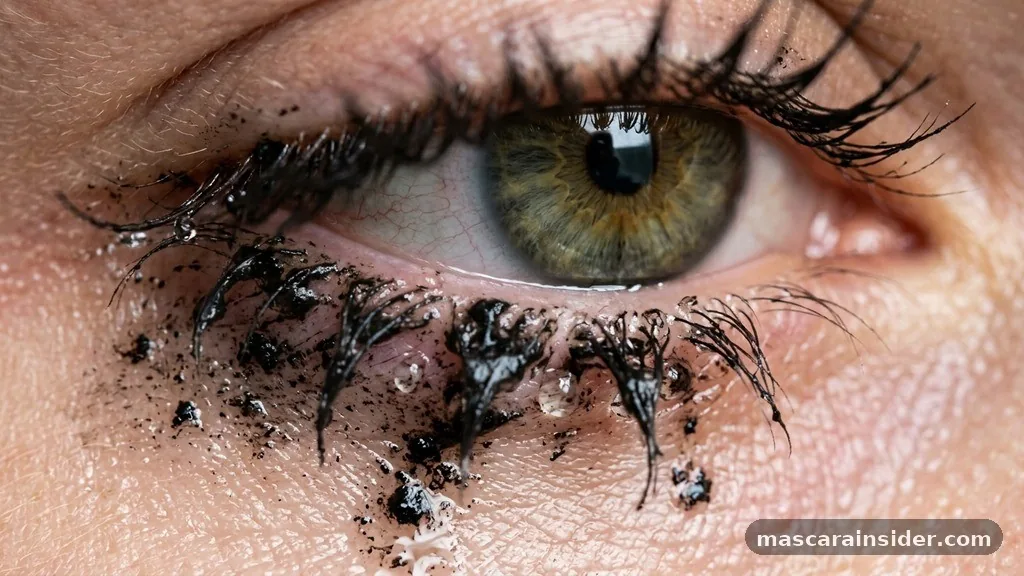
Learning how to wash off waterproof mascara effectively is a skill that saves your lashes from unnecessary breakage and irritation. Many people struggle with stubborn smudges or the temptation to scrub their eyes, which only leads to premature lash fallout and skin sensitivity.
By understanding the chemical nature of these long-wear products, you can easily dissolve even the most resilient formulas without compromising your delicate eye area. This process is about breaking down binders rather than using physical force, ensuring your nightly routine remains quick, painless, and healthy for your eyes.
Understanding the Chemistry of Waterproof Formulas
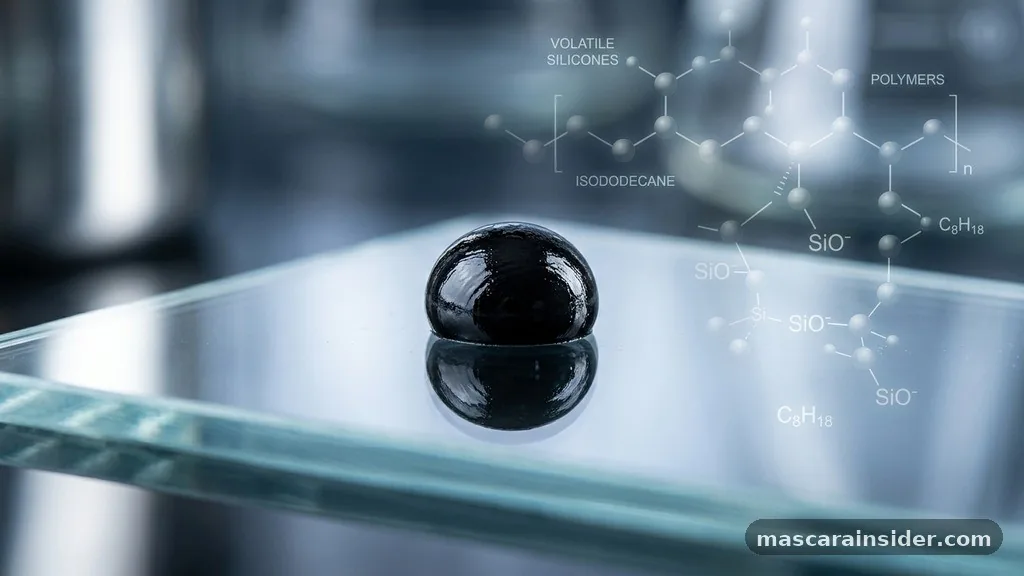
Waterproof mascara is designed to resist water, sweat, and humidity, which means standard face cleansers or plain water will rarely get the job done. These products typically rely on waxes, silicones, and volatile solvents that create a hydrophobic barrier around each lash hair.
Because like dissolves like, you need an oil-based medium to break the molecular bonds of these ingredients. If you try to remove them with a water-based soap, you are essentially trying to wash oil off a plate with nothing but cool water; it simply won’t budge.
The primary challenge lies in the surfactants and polymers used to lock the pigment in place. These ingredients are engineered to stay put until they encounter a specific solvent.
When you use an oil-based cleanser or a specialized remover, the oils penetrate the wax layer and soften the pigment, allowing it to slide off the lash without pulling or tugging. Failing to remove these products properly can lead to residue buildup at the root of the lashes, which can clog follicles and potentially cause styes or other minor irritations over time.
Effective Methods for Dissolving Stubborn Pigment
To successfully remove these products, you should prioritize products that offer gentle friction rather than harsh scrubbing. Using a biphasic makeup remover is often the gold standard because it combines an oil phase to dissolve the wax and a water phase to refresh the skin. Before using it, shake the bottle to mix the two layers thoroughly.
Soak a cotton pad in the solution and hold it against your closed eyelid for at least twenty seconds. This allows the product to penetrate the mascara before you even attempt to wipe it away.
If you prefer a more luxurious approach, a cleansing balm is an excellent choice. These solid oils melt into a liquid state upon contact with your skin’s warmth, effectively emulsifying the makeup. Massage the balm into your dry lashes with your fingertips, working from the root to the tip.
Once the mascara has turned into a smudge, add a small amount of warm water to turn the oil into a milky consistency, then rinse everything away. This oil-cleansing method is widely considered the safest way to maintain long-term lash health.
Natural Alternatives for Makeup Removal
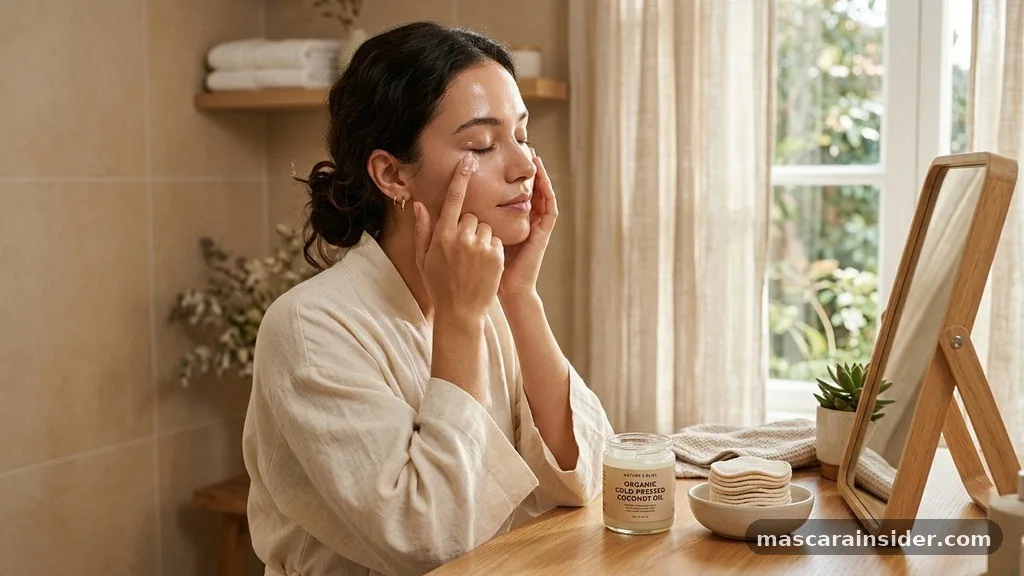
If you find yourself without a dedicated remover, several household oils can effectively break down waterproof formulas. Jojoba oil is a fantastic option because its chemical structure closely mimics the natural sebum produced by human skin, making it highly compatible and non-irritating. Simply apply a small amount to your fingertips, massage it into your lashes, and wipe away with a damp cloth. Almond oil and coconut oil are also popular alternatives, though you should be cautious if you are prone to breakouts, as some oils can be comedogenic or leave a heavy film.
When using natural oils, it is important to avoid getting them directly into your eyes, as they can temporarily blur your vision. Always follow up with a gentle, water-based cleanser to remove any residual oil from your skin.
This double-cleansing process ensures that your pores remain clear while your lashes stay nourished. Below is a quick comparison of common removal agents to help you decide which fits your lifestyle and skin type best.
| Removal Method | Best For | Key Benefit |
|---|---|---|
| Biphasic Remover | Sensitive eyes | Fast, non-greasy breakdown |
| Cleansing Balm | Dry skin | Deep hydration and removal |
| Jojoba Oil | Natural routines | Mimics natural skin oils |
| Micellar Water | Quick fixes | No rinsing required |
Addressing Common Removal Challenges
Many people encounter issues when they try to remove long-wear makeup, often due to improper technique or the wrong choice of product. One common mistake is using a dry cotton round and rubbing the eyelid vigorously, which stretches the thin, delicate skin and can lead to fine lines.
Instead, always ensure the pad is saturated. If the mascara still won’t budge, the culprit might be that your remover isn’t lipid-heavy enough. Micellar water is great for everyday makeup, but it often struggles with heavy-duty waterproof formulas unless it specifically contains an oil layer.
Another significant concern involves eyelash extensions. If you wear extensions, you must be extremely careful, as most oils will break down the adhesive bond and cause your extensions to fall out prematurely. In this case, avoid oil-based cleansers entirely and stick to oil-free, lash-safe removers specifically designed for extensions.
Use a lint-free applicator or a clean spoolie to gently work the product through the lashes, moving in the direction of the extension to avoid pulling. Maintaining your extensions requires a different level of care compared to natural lashes, so always check the labels of your products before application.
- Always hold the saturated pad against the lashes for 20-30 seconds to dissolve the wax.
- Avoid rubbing the skin; use a downward, sweeping motion to lift the pigment away.
- If you have extensions, choose only oil-free formulas to protect the adhesive bond.
- Use a Q-tip for precision removal of leftover smudges near the lash line.
- Double-cleanse if you feel a film of oil or makeup remains on your skin.
Why is my mascara leaving a dark ring under my eyes?
This usually happens because the product wasn’t fully dissolved before washing. Try holding the remover pad for longer.
Can I use coconut oil on my eyes safely?
Yes, it is generally safe, but it can be heavy and blur your vision. Use a very small amount sparingly.
Is it bad to leave mascara on overnight?
Yes, it can cause lashes to become brittle and break, and it may lead to eye irritation or infections.
What should I do if my eyes feel irritated after removal?
Stop using the product immediately and rinse with cool water. Switch to a hypoallergenic or fragrance-free remover.
Do I need to wash my face after using a cleansing balm?
Yes, follow up with a water-based cleanser to remove any remaining balm residue and ensure your pores stay clear.
Can I use soap and water to remove waterproof mascara?
No, standard soap is not strong enough to break down the waxes and often causes unnecessary tugging on lashes.
How do I know if my remover is oil-based?
Check the ingredient list for oils like mineral oil, jojoba oil, or capric triglycerides, or look for a separation of layers.
Final Thoughts on Proper Lash Care
Mastering the art of washing off waterproof mascara is a fundamental part of maintaining the health and longevity of your lashes. By selecting the right oil-based solutions and allowing them the necessary time to work, you eliminate the need for harsh physical manipulation that causes damage. Whether you prefer the convenience of a biphasic solution or the natural simplicity of jojoba oil, the key is patience and consistency.
Integrating these gentle habits into your nightly routine will keep your eyes feeling refreshed and your lashes looking their best for years to come. If you have any specific concerns about your skin type or lash sensitivity, don’t hesitate to experiment with different oil-based cleansers to find your perfect match.


