

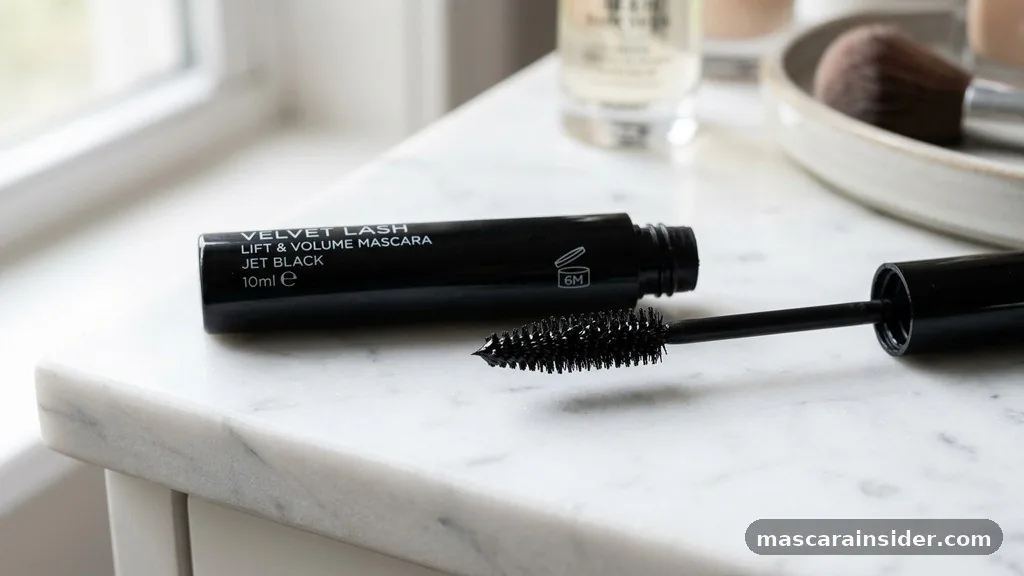
Knowing exactly when does mascara expire is essential for maintaining your eye health, as this product is uniquely prone to harboring bacteria. Unlike powders or dry palettes, the moist environment inside a mascara tube creates an ideal breeding ground for microorganisms that can lead to serious discomfort.
Because you apply it directly to your delicate lashes, understanding the timeline for replacement is a critical aspect of your daily beauty routine. By paying attention to the specific indicators of degradation, you can protect your vision while ensuring your makeup application remains smooth, clump-free, and professional.
Understanding the Period After Opening
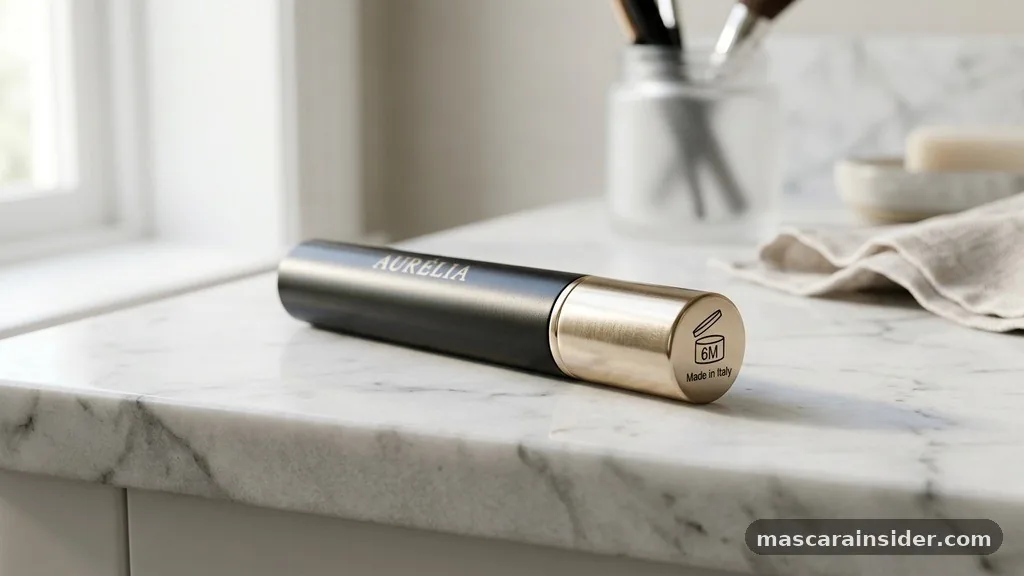
Most consumers overlook the small, often faded PAO symbol printed on the packaging of their cosmetics. This Period After Opening icon, which typically looks like an open jar with a number and a letter such as “6M” or “3M,” is your most reliable guide for determining when your tube should be discarded. For most liquid eye products, this window is significantly shorter than for other makeup items due to the high risk of bacterial contamination.
Manufacturers include this symbol because the preservative systems designed to keep your makeup safe begin to break down the moment the seal is compromised. Exposure to air and the introduction of moisture from your own lashes introduce foreign particles into the container.
While you might be tempted to stretch the life of a luxury product, sticking to the manufacturer’s suggested timeframe is the only way to ensure product safety. If you find yourself holding a tube that has exceeded this duration, it is time to part ways with it, regardless of how much product remains inside.
The Risks of Using Expired Eye Makeup
Using a formula past its prime isn’t just about the product getting clumpy or drying out; it’s about the very real possibility of developing an eye infection. Every time you pull the wand out and push it back in, you are essentially pumping air and debris into the tube.
Over time, this accumulates and can lead to conjunctivitis or a painful stye. These conditions are not only uncomfortable but can also lead to temporary vision impairment or long-term sensitivity.
An ophthalmologist will consistently advise against sharing makeup or keeping it long after it has been opened. Because the eyes are incredibly sensitive, even a small amount of bacteria that wouldn’t affect your skin can cause significant irritation. Eye irritation often presents as redness, itching, or a burning sensation, which many people mistakenly attribute to allergies rather than their expired makeup. If you notice your eyes feeling gritty or inflamed shortly after applying your makeup, that is a major red flag that your current tube needs to be replaced immediately.
Recognizing Signs of Degradation
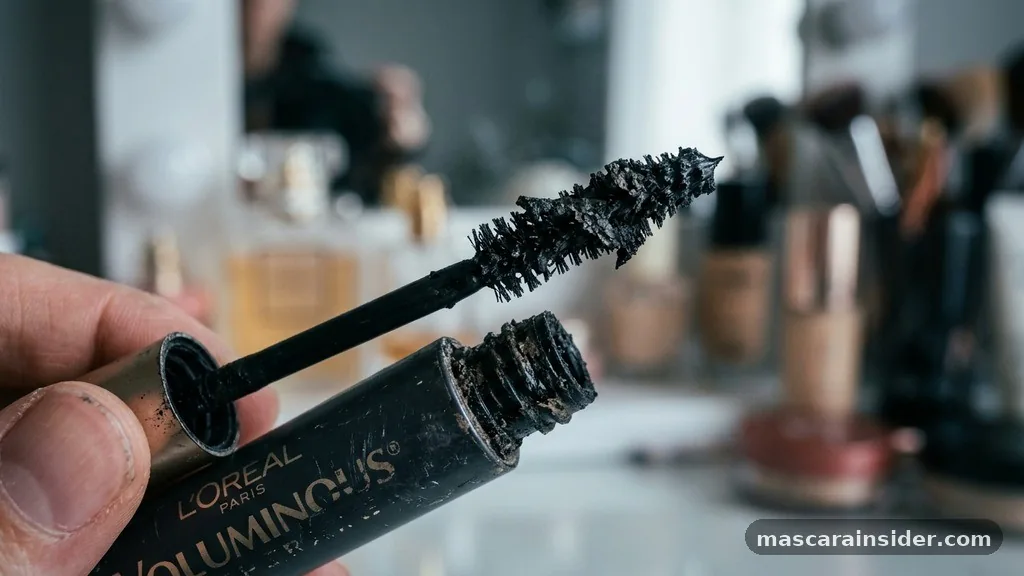
Beyond the printed expiration date, your senses are the best tools for monitoring the state of your beauty products. A mascara tube that is nearing the end of its life will often start to smell slightly “off” or chemically sharp, a sign that the formula’s chemical balance has shifted. You should also watch for changes in texture; if the liquid feels thick, stringy, or starts to flake off in chunks rather than gliding on smoothly, the product has lost its efficacy.
Physical Indicators to Watch For
- Significant changes in the scent of the formula
- Formula becoming dry, clumpy, or difficult to apply
- Separation of ingredients that cannot be fixed by shaking
- Noticeable flaking or smudging under the eyes during the day
- The wand becoming coated in a thick, crusty residue
It is important to remember that cosmetic hygiene habits play a huge role in how quickly a product reaches this stage. Pumping the wand in and out of the tube is a common mistake that forces excess air into the container, accelerating the drying process and the introduction of airborne bacteria.
Instead, try swirling the wand gently inside the tube to pick up the product. This small change in technique can help you get the most out of your purchase while keeping the formula stable until you reach the actual expiration limit.
Comparing Expiration Timelines
While many people assume all makeup expires at the same rate, the composition of the product dictates its lifespan. Liquid products that come into contact with mucous membranes, such as mascara and liquid eyeliner, have the shortest shelf life of any beauty item. Comparing these to other common products can help you organize your vanity and ensure you are replacing items at the correct frequency to maintain high standards of makeup expiration dates.
| Product Type | Average Shelf Life | Hygiene Risk |
|---|---|---|
| Mascara | 3 Months | High |
| Liquid Eyeliner | 3-6 Months | Medium-High |
| Powder Eyeshadow | 1-2 Years | Low |
| Lipstick | 1-2 Years | Low |
This table highlights why mascara requires more frequent attention than your favorite powder blush or lipstick. The moisture content is the primary factor; bacteria thrive in wet environments, whereas dry, pressed powders are much less hospitable.
By keeping a calendar or a small note on your mirror of when you opened a new tube, you remove the guesswork from your routine. Consistency is the key to preventing the buildup of harmful pathogens that could compromise your eye health over time.
Addressing Common Misconceptions
Many users wonder if they can extend the life of their product by adding contact lens solution or water when it gets dry. This is a dangerous practice that effectively dilutes the preservative systems built into the formula.
By adding external liquids, you are creating a perfect environment for mold and bacteria to flourish, essentially turning your makeup into a petri dish. Never attempt to “revive” an old tube, as the risk to your eyes far outweighs the cost of replacing the product.
Another common question involves whether unopened products are safe to use after several years. While a sealed tube has a longer shelf life, it is not invincible. Over time, the ingredients can separate or destabilize, even inside the package.
If you find a forgotten tube at the back of your drawer, check for a batch code and look up the manufacturer’s guidelines. If the packaging is damaged or the product has been exposed to extreme heat, it is safer to discard it and start fresh with a new, sealed item.
Summary and Best Practices
Maintaining healthy eyes requires vigilance regarding the tools and products you use daily. By adhering to the three-month rule and paying close attention to the PAO icon, you minimize the risk of infection and ensure your makeup performs as intended.
Always store your beauty products in a cool, dry place away from direct sunlight, as heat can break down formulations prematurely. If you notice any signs of discomfort or if your product has changed in texture or scent, prioritize your health over the cost of the item.
Integrating these simple habits into your routine will make managing your makeup collection effortless. Regularly auditing your drawer for expired items is a small price to pay for the safety and clarity of your vision.
If you have questions about your specific products, don’t hesitate to reach out to the brand or consult a professional if you experience persistent irritation. Staying mindful of your beauty products ensures that your daily routine remains a positive, safe, and effective part of your lifestyle.
How do I know if my mascara is expired?
The formula will smell unusual, become clumpy, or dry out, usually exceeding the 3-month usage window.
Is it okay to use expired mascara?
No, using expired mascara significantly increases your risk of developing painful eye infections and severe irritation.
Can I use 1-year-old mascara?
Absolutely not; mascara should typically be discarded after three months to ensure it remains free of bacteria.
Can I use makeup from 10 years ago?
No, cosmetics have a limited shelf life, and decade-old products can harbor harmful bacteria and cause reactions.
Does mascara dry out if opened?
Yes, exposure to air causes the product to dry out, which also accelerates the degradation of its preservatives.
What happens if you use old mascara?
You may experience redness, itching, swelling, or develop serious conditions like conjunctivitis or a painful stye.
How long should mascara last with daily use?
With daily use, a standard tube of mascara is designed to last approximately three months before requiring replacement.


