

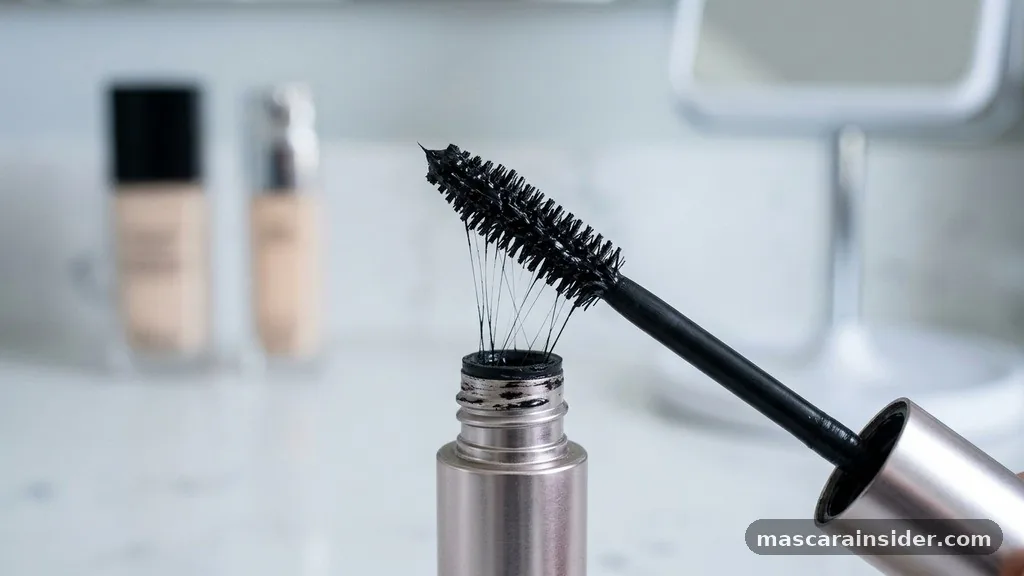
Knowing how often replace mascara is essential for maintaining your eye health, as this specific cosmetic product is a magnet for germs. Most people hold onto their makeup far longer than they should, inadvertently turning their daily beauty routine into a breeding ground for microorganisms.
By understanding the expiration timelines and the factors that influence product longevity, you can prevent unnecessary irritation and keep your eyes clear and comfortable. This article breaks down the science behind cosmetic shelf life and provides actionable advice to help you manage your makeup bag with confidence, ensuring you never compromise your ocular health for the sake of a tube of pigment.
The Biological Reality of Mascara Shelf Life
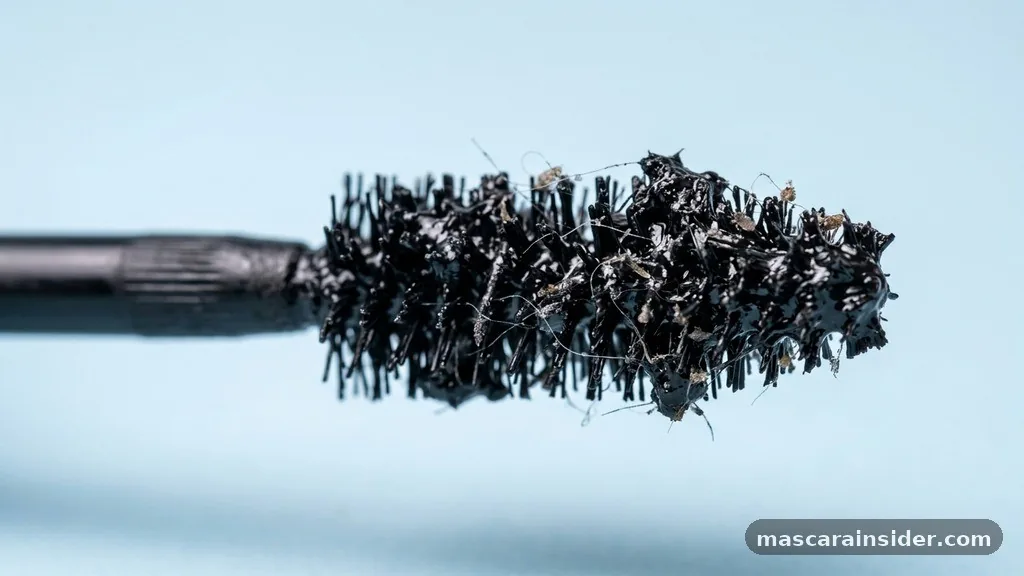
When you consider how often replace mascara, the most critical factor is the inherent instability of the product’s environment. Mascara sits in a dark, damp, and nutrient-rich tube that provides the perfect habitat for bacteria to thrive.
Unlike powder eyeshadows that stay relatively dry and stable, liquid eye makeup is highly susceptible to bacterial contamination the moment the seal is broken. Every time you pull the wand out, you introduce air and potentially skin-borne pathogens into the container.
Most experts, including those consulted by an ophthalmologist, recommend replacing your mascara every three months. This timeframe isn’t an arbitrary marketing ploy designed to sell more units; it is a safety standard based on the effectiveness of the preservatives inside the formula.
Over time, these preservatives break down, losing their ability to inhibit the growth of harmful bacteria like staph. Once the chemical barrier is compromised, the product transitions from a beauty tool into a potential source of infection, making strict adherence to a three-month rule a vital habit for any makeup enthusiast.
Understanding the PAO Symbol and Expiration
If you look closely at the packaging of your cosmetics, you will often find a small icon representing an open jar with a number and the letter ‘M’ inside. This is known as the PAO symbol, which stands for “Period After Opening.”
While many people assume that the printed expiration date on a box is the final word, the PAO symbol is actually more relevant to liquid products like mascara. It tells you exactly how many months the product remains safe for use once the air-tight seal has been breached.
For mascara, this number is almost universally set at three or six months, depending on the specific formulation and the strength of the antimicrobial agents used. Relying solely on a general “use by” date printed on the bottom of a box is a mistake because that date is usually calculated from the date of manufacture, not the date you first pumped the wand. Paying attention to this symbol is a simple way to practice better cosmetic hygiene, ensuring you aren’t using a product that has long since passed its peak efficacy and safety window.
The Mechanics of Tube Oxidation and Formula Degradation
Beyond the risk of microbial growth, you must consider the physical state of the product itself. Tube oxidation occurs every time you open the container and expose the contents to the air. This process causes the oils and waxes within the formula to degrade, leading to a noticeable change in texture. You might notice your mascara becoming clumpy, dry, or difficult to apply smoothly, which are all clear signs of formula degradation.
When a formula breaks down, it loses the smooth, gliding quality that makes it effective. Trying to revive a dried-out tube by adding water or oil is a dangerous practice that can disrupt the preservative system, creating an even more welcoming environment for bacteria.
If you find yourself having to work harder to apply your makeup or if the product flakes off your lashes within a few hours, it is time to discard it. Accepting that your mascara has a limited lifespan prevents the frustration of poor performance while simultaneously protecting your eyes from the irritants that develop as the formula changes.
Risks Associated with Eye Infections
Ignoring the recommended timeline for replacing your eye makeup can lead to serious health issues. The most common consequence of using expired mascara is conjunctivitis, or pink eye, which results from the buildup of bacteria in the tube.
Because the eye area is so sensitive, even minor exposure to contaminants can cause significant discomfort, redness, and swelling. In more severe cases, chronic use of contaminated products can lead to more persistent infections that require professional medical intervention.
It is important to remember that your eyes are among the most vulnerable parts of your body. When you introduce foreign bacteria via a contaminated wand application, you bypass the natural defenses of the eyelid and lashes.
Many people do not realize that the bacteria living on their skin can be transferred to the wand, then back into the tube, and finally onto the eye during the next application. This cycle of cross-contamination is exactly why experts emphasize that you should never share your mascara with others, regardless of how new the product might be.
Signs Your Mascara Needs Immediate Replacement
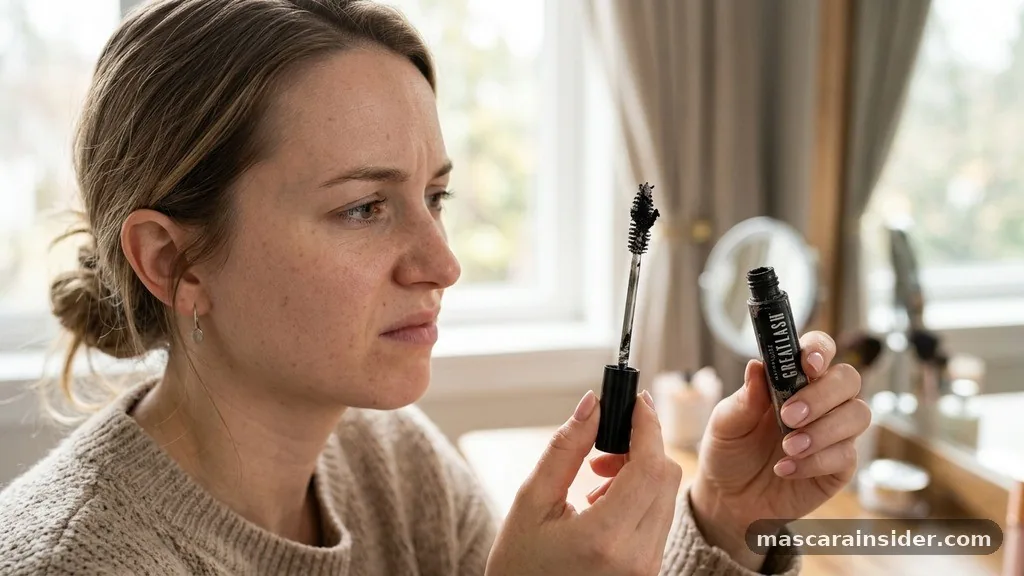
While the three-month rule is a helpful baseline, there are specific instances where you should toss your mascara much sooner. If you have recently recovered from an eye infection, you must discard any eye makeup you were using at the time, even if it is brand new. The bacteria associated with infections can easily survive inside the tube and will lead to a recurring cycle of illness if you continue to use the same product.
| Indicator | What It Means | Action Required |
|---|---|---|
| Clumping | Formula has begun to dry out and degrade. | Replace immediately. |
| Unusual Odor | Preservatives have failed; bacterial growth. | Discard at once. |
| Eye Irritation | Sensitivity or contamination occurred. | Stop use and discard. |
| Color Change | Chemical degradation of pigments. | Replace for safety. |
Beyond these obvious red flags, be mindful of how your eyes feel after application. If you experience persistent eye irritation, itching, or a gritty feeling throughout the day, your makeup might be the culprit.
Many people blame their mascara for “not being waterproof” or “being poor quality” when, in reality, they are simply experiencing a reaction to a product that has outlived its safe, usable life. Listen to your body; if your eyes are telling you something is wrong, trust them and clear out your makeup bag.
Best Practices for Extending Mascara Health
While you cannot stop the clock on expiration, you can certainly avoid shortening the life of your product through poor handling. One of the most common mistakes is the “pumping” motion people use to get more product on the wand.
This action forces air into the tube, which accelerates drying and introduces airborne pollutants. Instead of pumping, gently swirl the wand inside the tube to coat the bristles evenly.
Another essential habit is keeping the tube tightly closed when not in use. It sounds simple, but leaving the cap loose for even a few minutes allows moisture to escape and bacteria to enter. Furthermore, always store your makeup in a cool, dry place.
The bathroom is often the worst location for storage because the heat and humidity from showers create a perfect incubator for mold and bacteria. Storing your cosmetics in a vanity or a dedicated drawer away from moisture will help maintain the integrity of the formula for the duration of its intended life.
Addressing Common Myths and Topical Gaps
There is a prevalent misconception that “natural” or “organic” mascaras are safer and therefore last longer. In reality, these products often contain fewer synthetic preservatives, which can actually make them more susceptible to bacterial contamination, not less. If you choose a natural brand, be even more diligent about checking the packaging for the suggested usage timeline, as these products may expire faster than traditional formulas.
Another gap in common knowledge involves the use of lower lash mascara. Some users worry that applying product to the bottom lashes increases the risk of irritation. While it is true that mascara on the lower lashes is more likely to migrate into the eye due to gravity and blink patterns, the primary risk remains the quality of the product itself.
If you use a fresh, high-quality product and apply it correctly, the risk is minimal. However, if you are prone to sensitivity, focus your application on the outer corners of the lower lashes rather than the entire lash line to reduce the chance of direct contact with the waterline.
The Importance of Cleaning Your Tools and Environment
Your mascara is only as clean as the environment it stays in. If you use a lash curler, make sure to clean the rubber pads regularly with a gentle cleanser or alcohol wipe.
Residue from previous applications can build up on these tools and be transferred back to your lashes, contaminating your fresh mascara. Keeping your lash curler, brushes, and even the cap of your mascara tube clean is a fundamental aspect of maintaining cosmetic hygiene.
Additionally, consider the state of your makeup bag. Over time, makeup bags collect dust, old product fragments, and bacteria. A deep clean of your storage area every few months will prevent cross-contamination.
By creating a clean, organized space for your beauty products, you are less likely to accidentally use an expired product that has been buried at the bottom of a cluttered bag. Treat your cosmetics with the same care you would treat your skincare or medical supplies, and your eyes will thank you.
Strategic Replacement Habits for Long-Term Health
To stay consistent, use a simple tracking system. You might write the date you opened your mascara on the bottom of the tube using a permanent marker or set a recurring reminder on your phone.
This removes the guesswork and helps you stay on track with the three-month rule. When you reach that limit, do not feel guilty about throwing away a product that still has liquid inside; you are essentially paying for the safety and performance of the formula for that duration.
- Mark the opening date on your tube with a fine-tip permanent marker.
- Set a calendar alert for 90 days after purchase to prompt a replacement.
- Never share your mascara with friends, as this is the fastest way to spread infections.
- Discard any mascara that has been dropped on the floor, as it likely picked up debris.
- Avoid using testers at makeup counters, as these are hotbeds for bacteria.
- Always remove your makeup thoroughly before bed to prevent residue buildup.
- Replace your eye makeup immediately if you experience any sign of an infection.
By adopting these strategic habits, you transform your beauty routine from a potential health risk into a safe, enjoyable practice. Consistency is the key to preventing the complications associated with expired cosmetics. When you prioritize the health of your eyes over the cost of a new tube, you ensure that your makeup enhances your appearance without causing long-term damage.
Frequently Asked Questions
Is it really necessary to replace mascara every three months?
Yes, three months is the standard timeframe for preservative efficacy, preventing the growth of harmful bacteria inside tubes.
Can I use mascara longer if I keep it in the fridge?
No, cold storage does not extend the safety of the formula and may actually alter the texture of ingredients.
Does waterproof mascara last longer than regular formulas?
No, waterproof formulas are subject to the same bacterial contamination risks and should still be replaced every three months.
What happens if I accidentally use expired mascara?
You increase the risk of eye irritation, redness, and bacterial infections like conjunctivitis due to degraded preservative systems.
Should I replace mascara if I only use it once a week?
Yes, the clock starts from the date of first opening, regardless of how infrequently you actually apply the product.
Why does my new mascara start clumping after just one month?
This often occurs due to excessive pumping, which forces air into the tube and causes the formula to dry.
Can I safely use a lash primer with my mascara?
Yes, but ensure you also replace your lash primer every three months to maintain the same level of hygiene.
Conclusion
Maintaining the health of your eyes is paramount when it comes to your daily makeup routine. Knowing how often replace mascara serves as a critical defense against the silent accumulation of bacteria and the inevitable breakdown of chemical preservatives. By tracking your usage with the PAO symbol and adhering to the recommended three-month replacement cycle, you safeguard yourself against unnecessary infections and irritation.
Remember that the cost of a new tube is far lower than the price of treating a persistent eye condition. Stay vigilant, keep your tools clean, and never hesitate to discard a product that shows signs of age or contamination. Your eyes are irreplaceable, so prioritize their safety by keeping your beauty kit fresh, organized, and free of expired formulas.


