

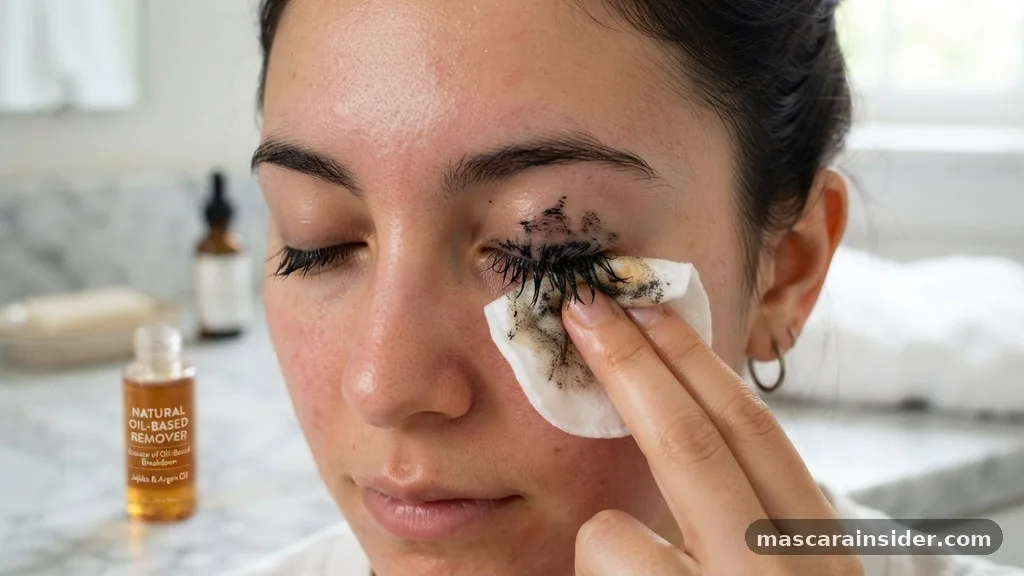
Learning how to remove waterproof mascara naturally is a skill that saves your lashes and your skin. Many commercial removers contain harsh chemicals that dry out the delicate eye area, leading to irritation or premature wrinkles. By opting for plant-based alternatives, you provide essential nourishment to your hair follicles while ensuring your eye makeup dissolves completely.
If you have struggled with stubborn smudge-proof formulas, you will find that the right natural oil can break down even the toughest pigments without causing unnecessary friction. This approach prioritizes eyelash health and long-term hydration over the convenience of synthetic solvents.
The Science of Oil-Based Makeup Breakdown
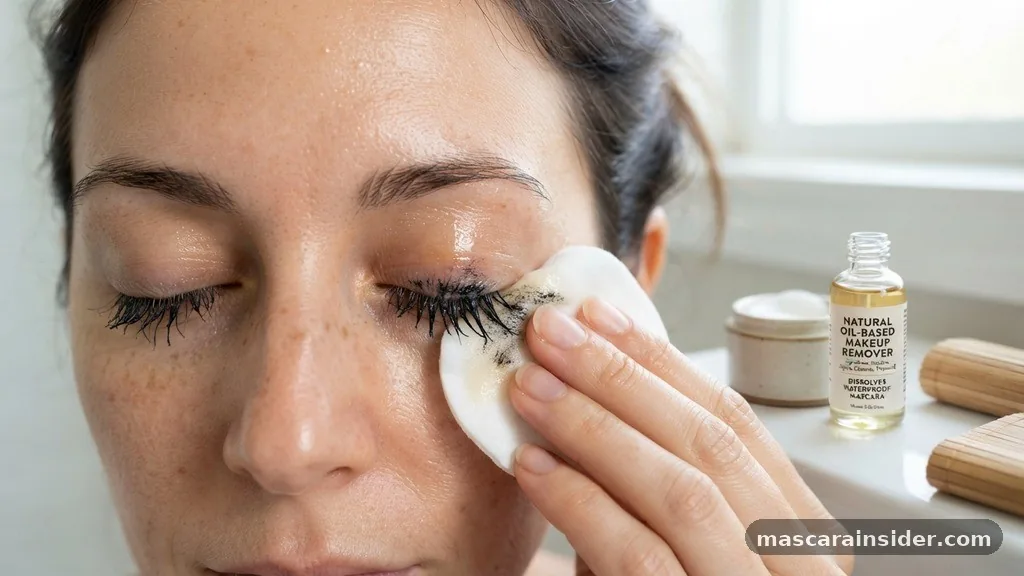
Understanding why oil is the gold standard for removing long-wear makeup is essential for effective cleansing. Waterproof mascara is specifically designed to resist water-based sweat and tears, so splashing your face with simple water won’t budge it. You need an oil-based cleanser to dissolve the wax and polymer bonds that hold the pigment to your lashes.
When you apply a natural oil, it mixes with the mascara’s hydrophobic properties, effectively loosening the grip on your hair fibers. This process is far more efficient than rubbing, which is the primary cause of lash breakage and irritation.
By utilizing the oil cleansing method, you allow the product to sit on the lashes for a few seconds before wiping. This waiting period is critical because it gives the oil time to penetrate the layers of mascara. You don’t need to apply excessive pressure; the oil does the heavy lifting for you.
Once the pigment has softened, it glides off easily, leaving behind a clean lash line. This method is particularly beneficial for those with sensitive skin, as it avoids the stinging sensation often associated with alcohol-based store-bought removers.
Choosing the Best Natural Oils for Eye Safety
Not all oils are created equal when it comes to the eye area, so choosing the right one is vital. Jojoba oil is a fantastic choice because its molecular structure closely mimics the natural sebum produced by your skin. It is lightweight, non-comedogenic, and absorbs quickly without leaving a heavy, greasy feeling.
For those who need something more moisturizing, sweet almond oil is packed with Vitamin E and fatty acids that actively condition your lashes while cleaning them. It is gentle enough for daily use and rarely causes reactions in most skin types.
Coconut oil is another popular alternative, though it works best for people who do not have acne-prone skin near their eyes. It is highly effective at melting stubborn waxes, but you should use a small amount to avoid clogging pores. If you prefer a nutrient-rich option, vitamin E oil provides a thick, protective barrier that helps repair brittle lashes over time.
Regardless of the oil you choose, always opt for cold-pressed, organic varieties to ensure no synthetic fragrances or pesticides enter your eyes. Below is a quick comparison of popular natural oils for your beauty routine.
| Oil Type | Best For | Texture |
|---|---|---|
| Jojoba Oil | Sensitive skin & daily use | Lightweight |
| Sweet Almond Oil | Conditioning & brittle lashes | Medium weight |
| Coconut Oil | Heavy-duty removal | Heavy/Solid |
Step-by-Step Technique for Gentle Removal
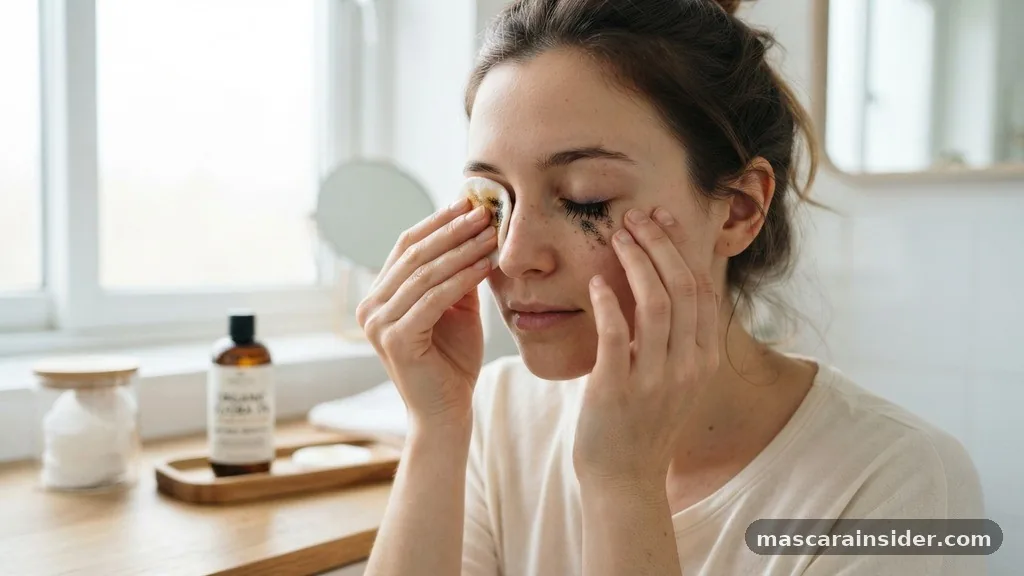
Effective removal starts with the right application technique to ensure you don’t pull or tug at your eyes. Start by pouring a small amount of your chosen oil onto a clean cotton pad or your fingertips. Close your eyes and gently press the pad against your closed lashes for about 30 seconds.
This warm water compress effect allows the oil to soften the mascara, making the final wipe almost effortless. Never pull downwards; instead, gently swipe from the root to the tip of your lashes to remove the dissolved product without snapping any hairs.
If you find there is still some residue left behind, don’t be tempted to scrub. Simply re-apply a tiny bit of fresh oil to the area, let it sit for another few seconds, and wipe again. Once the makeup is gone, use a damp cloth with warm water to gently remove any excess oil from your skin.
This double-cleansing approach ensures your pores remain clear while your lashes stay hydrated. Follow these steps consistently to see a noticeable improvement in the thickness and health of your eyelashes over time.
- Apply a small amount of oil to a soft cotton pad.
- Press the pad against closed eyelids for 30 seconds.
- Swipe upward and outward to lift the mascara gently.
- Repeat the process if any stubborn pigment remains.
- Wipe the area with a damp cloth to remove excess oil.
Addressing Common Hurdles and Topical Gaps
Many people wonder if they can use common kitchen staples like olive oil safely on their faces. While it is technically effective at breaking down makeup, it can be quite heavy and might lead to milia or clogged pores if not rinsed away thoroughly. If you choose to use it, ensure you follow up with a gentle face wash to remove every trace of oil.
Another common issue is the “panda eye” effect where mascara smears under the eyes. This usually happens when you don’t allow the oil enough time to fully dissolve the product before you begin wiping.
Another frequently overlooked concern is the cleanliness of your tools. If you use a reusable cloth, ensure it is washed regularly to avoid introducing bacteria to your eye area. Some users also worry about their vision becoming cloudy after oil removal.
This is a temporary side effect caused by a thin film of oil coating the eye, which is perfectly harmless and will dissipate within minutes. If you find this annoying, simply use a slightly damp cloth to wipe the area more thoroughly or switch to a lighter oil like jojoba, which leaves less of a film behind.
Frequently Asked Questions
Is olive oil safe for removing waterproof mascara?
Yes, it is highly effective at dissolving wax, though it can feel heavy and requires thorough rinsing.
Can I use coconut oil if I have acne-prone skin?
It is better to avoid it near the eyes if you are breakout-prone, as it can clog pores.
Why does my vision get blurry after using oil?
A thin film of oil can temporarily coat the eye, which is harmless and will clear up quickly.
How do I prevent lash breakage during removal?
Always allow the oil to sit for 30 seconds to dissolve the mascara before gently swiping away.
Can I remove makeup with just water?
No, waterproof formulas are oil-based and will not dissolve in water, requiring an oil-based cleanser instead.
Does jojoba oil help lashes grow?
It conditions existing lashes and keeps them healthy, which helps prevent breakage and creates a fuller appearance.
How often should I use the oil cleansing method?
It is safe for daily use and actually helps maintain hydration in the delicate skin around your eyes.
Knowing how to remove waterproof mascara naturally allows you to maintain clean, healthy lashes without relying on harsh chemicals. By incorporating oils like jojoba or sweet almond into your nightly routine, you protect your delicate eye area while ensuring every trace of pigment is removed. The key remains patience; letting the oil work its magic for a few seconds prevents the need for any harsh pulling or scrubbing.
Once you master this simple, plant-based technique, you will notice your lashes feeling stronger and your skin looking more vibrant. Start tonight by trying a gentle oil-based approach and see how your beauty routine transforms. We would love to hear which natural oil works best for your skin type, so feel free to share your experiences below.


