

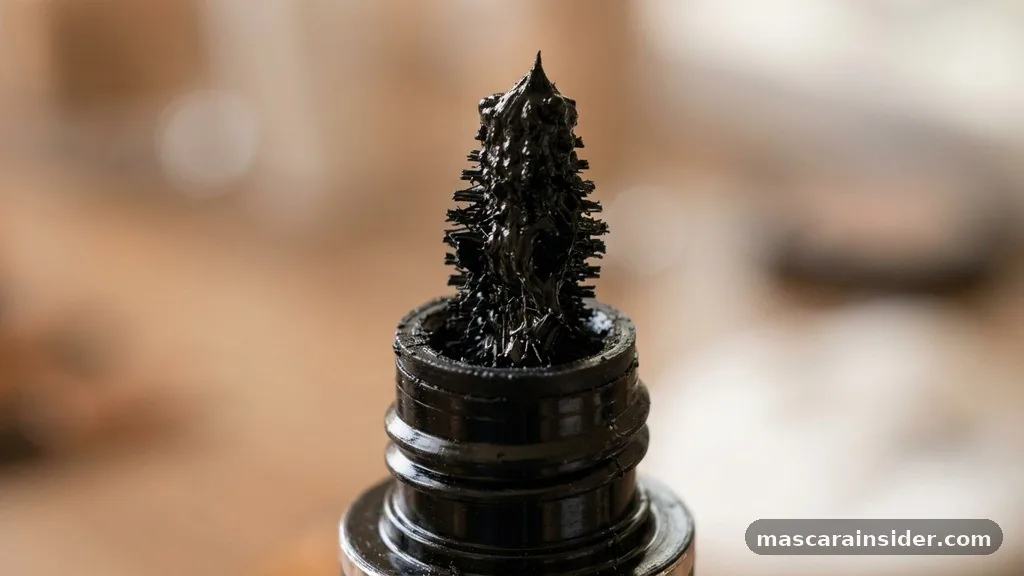
Discovering your favorite tube has turned into a thick, spider-leg nightmare is a frustrating experience for anyone who values a polished look. Learning how to make mascara less clumpy involves understanding why formulas thicken over time and how to restore their ideal consistency without ruining the product.
Whether you are dealing with a brand-new tube that feels a bit too heavy or an older one that is starting to dry out, small adjustments to your application technique and storage habits make a significant difference. By mastering these simple maintenance tricks, you can extend your makeup longevity and ensure every swipe delivers smooth, fluttery lashes.
Understanding Why Mascara Formulas Thicken
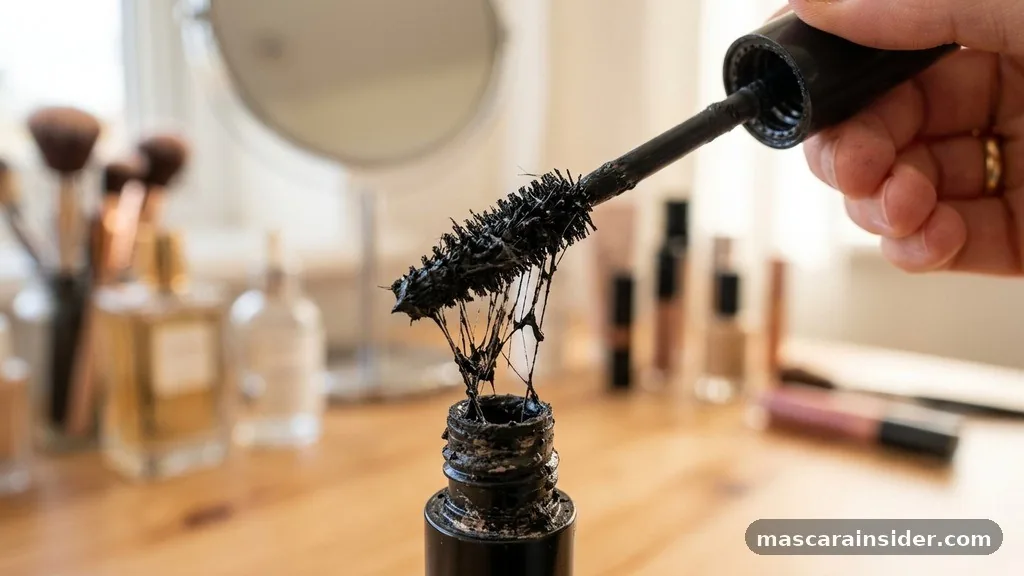
Mascara thickening is primarily a result of air exposure and the natural evaporation of solvents within the tube. Every time you pull the mascara wand out and push it back in, you introduce oxygen, which accelerates the oxidation process of the pigments and waxes.
Over weeks, this exposure changes the viscosity of the product, moving it from a smooth, liquid state to a tacky, paste-like consistency. This thick texture is exactly what leads to those dreaded lash clusters that are difficult to separate.
Beyond air exposure, the “pump technique”—where users rapidly move the brush up and down to get more product—is a major culprit. While it feels like you are loading the brush, you are actually forcing more air into the base of the container. This habit dries out the dried-up formula much faster than normal wear.
Additionally, temperature fluctuations in your bathroom or makeup bag can break down the stability of the emulsion. When the ingredients separate due to heat or cold, the product loses its ability to coat lashes evenly, resulting in uneven, clumpy deposits that sit heavily on the hair.
Professional Techniques for Clump-Free Application
Achieving a clump-free application starts long before the brush touches your eyes. If you find your mascara is consistently clumping, start by wiping the excess product off the wand onto a tissue before application.
Most tubes are designed with a wiper at the neck, but it often leaves too much product on the tip of the brush. A quick swipe on a paper towel removes the glob of excess formula that usually ends up deposited at the base of your lashes, which is where clumps almost always begin.
Another effective strategy involves the angle and movement of your hand. Instead of pulling the brush straight up, wiggle the wand at the roots and then sweep upward in a zig-zag motion. This motion separates the lashes as they are coated, preventing them from sticking together.
If you still encounter trouble, having a metal or plastic lash comb nearby is essential. Running this through your lashes while the mascara is still wet effectively breaks up any potential clusters before they set. Investing in a high-quality eyelash spoolie is also a great way to brush through the lashes to soften the look and remove excess weight.
Restoring Texture with Targeted Additives
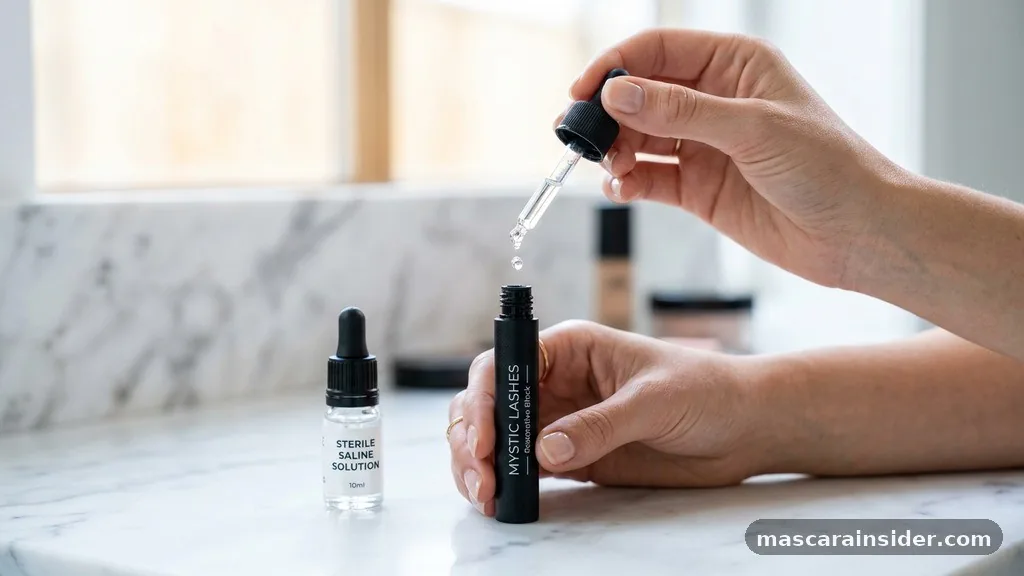
When your product feels too thick, there are a few safe ways to adjust the consistency to make it perform like new. The most common method involves using a few drops of saline solution, which is gentle enough for the delicate eye area.
Start with one or two drops, replace the cap, and roll the tube between your palms to warm it up and mix the solution in. Avoid using water, as it can encourage bacterial growth and ruin the preservative system of your makeup.
Some beauty enthusiasts prefer using a drop of high-quality, sterile eye drops to thin out the mixture. This works because these drops are formulated to be compatible with ocular tissue, making them a safe choice for thinning a dried-up formula.
Do not overdo it, though; adding too much liquid can cause the mascara to run or smudge throughout the day. Below is a comparison of common additives used to adjust consistency.
| Additive | Effectiveness | Safety Level |
|---|---|---|
| Saline Solution | High | Safe |
| Eye Drops | High | Safe |
| Warm Water (External) | Moderate | Safe |
| Isopropyl Alcohol | Low | Not Recommended |
Managing Product Health and Expiration
Knowing when to toss a product is just as important as knowing how to fix it. Using expired cosmetics is a leading cause of eye infections, as the preservative systems eventually fail to stop the buildup of bacteria.
Even if you manage to keep the formula smooth, mascara should generally be replaced every three months. If you notice a strange odor, a change in color, or if the product causes irritation, stop using it immediately regardless of how much is left in the tube.
To keep your mascara in top shape for its full lifespan, store it in a cool, dark place away from direct sunlight. Avoid keeping it in the bathroom if possible, as the humidity from showers can introduce moisture and heat that degrades the formula.
If you choose to use heat application—such as holding the tube in your hands or under warm water to soften the wax—do so sparingly. Excessive heat can alter the chemical composition of the ingredients, potentially causing the mascara to flake or smudge more easily.
- Wipe the wand on a tissue before every application to remove excess globbing.
- Use a zig-zag motion at the root to ensure even distribution.
- Never share your mascara with others to prevent cross-contamination.
- Keep the tube tightly sealed when not in use to minimize air exposure.
- Clean your wand occasionally with a mild cleanser to prevent buildup.
Addressing Common Topical Gaps
A common issue users face is when a brand-new tube arrives feeling clumpy or “thick” straight from the store. This often happens because the product has been sitting in a warehouse or on a shelf for an extended period. In these cases, the formula isn’t necessarily expired, but it has settled.
Rolling the tube between your palms for sixty seconds generates enough friction and warmth to restore the intended texture. If that fails, the product may have been stored in extreme temperatures, and returning it is the safest option.
Another gap in knowledge is the role of natural oils in mascara. Some modern formulas contain oils to keep lashes hydrated, but these can also cause the mascara to become tacky if the tube is left open too long. If you suspect your formula is oil-based and getting sticky, ensure you are cleaning the rim of the tube regularly.
Dried residue on the rim prevents the brush from wiping clean, which forces the wand to carry extra, unnecessary product back into the tube every time you use it. Keeping the neck of the tube clean is one of the most overlooked steps in maintaining a smooth, clump-free application routine.
Frequently Asked Questions
Is it safe to use water to thin out mascara?
No, adding water can introduce bacteria into the tube and compromise the product’s natural preservative system.
How do I know if my mascara is officially expired?
If it smells strange, causes eye irritation, or the texture becomes impossible to smooth, it is expired.
Can I use rubbing alcohol to fix a clumpy formula?
Avoid isopropyl alcohol as it is too harsh for the eye area and can dry out both the formula and lashes.
Does warming the mascara tube actually help?
Yes, gentle heat helps melt the waxes, making the consistency smoother for a more effective, clump-free application.
Why does my new mascara feel dry?
It may have been stored in a temperature-controlled environment for too long; try warming it between your palms.
Should I clean my mascara wand?
Yes, periodically cleaning the wand with mild soap and water prevents old, dried product from building up over time.
How often should I replace my mascara?
You should replace your mascara every three months to prevent bacterial growth and ensure consistent, safe product performance.
Successfully managing your beauty routine requires a balance of technique and proper maintenance. By avoiding the common habit of pumping the wand and being mindful of how you store your products, you can easily keep your favorite formulas performing at their best. If you find your mascara becoming difficult to work with, remember that a few drops of saline or simple warming techniques can often restore its original quality.
Ultimately, knowing how to make mascara less clumpy comes down to respecting the product’s lifespan and keeping your tools clean. Consistent habits will help you achieve that perfect, defined lash look every single day. Feel free to experiment with these tips and see which ones work best for your specific brand and formula.


