

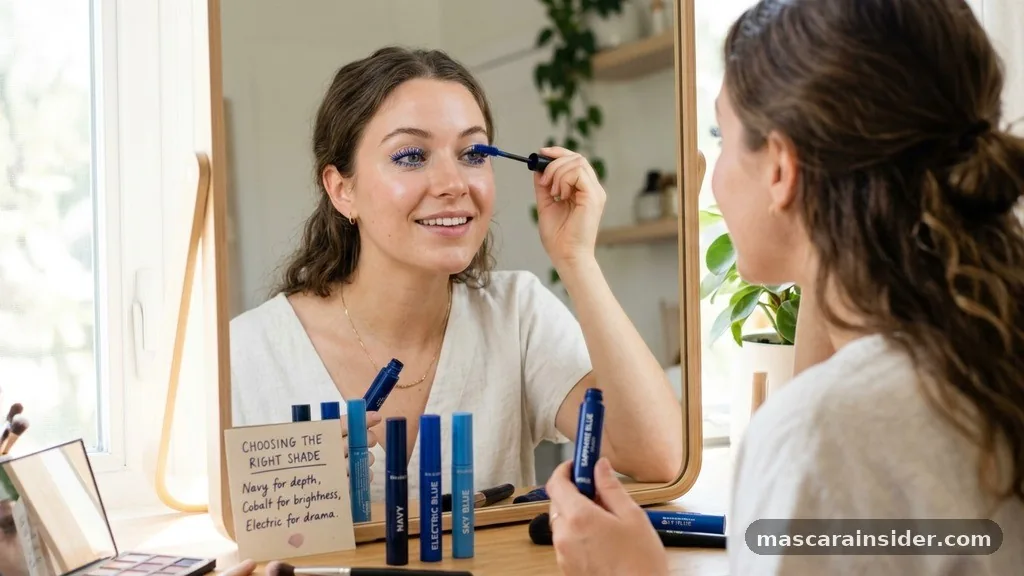
Mastering the art of wearing blue mascara is less about following strict beauty rules and more about understanding how to manipulate light and shadow around your eyes. While black mascara remains the industry standard for everyday wear, reaching for a tube of cobalt or navy can instantly brighten the whites of your eyes and add a sophisticated, unexpected edge to your look. Whether you’re aiming for a subtle, professional hint of color or a bold, high-fashion statement, this versatile product deserves a permanent spot in your makeup bag.
Understanding Color Theory and Eye Enhancement
At its core, wearing blue mascara relies on the principles of color theory. By placing a vibrant or deep blue pigment against your natural eye color, you create a visual contrast that makes the iris appear more intense. This is particularly effective for those with brown or hazel eyes, as the warm undertones in the iris are directly complemented by the cool, crisp tones of blue.
Choosing the Right Shade of Blue
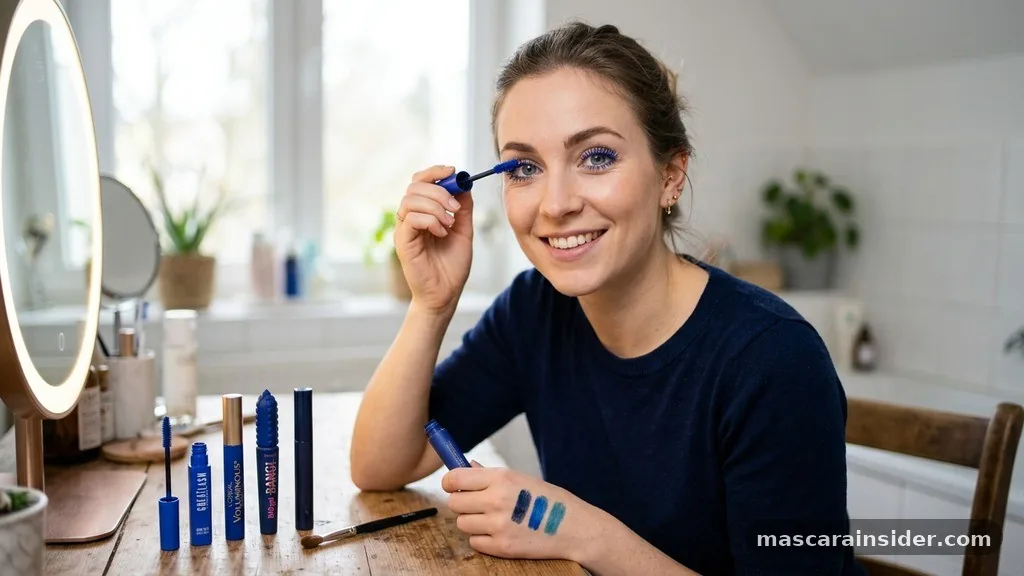
Not all blue mascaras are created equal, and the shade you choose significantly dictates the final impact of your look. Selecting the wrong tone can lead to a washed-out appearance, whereas finding your perfect match can make your eye color look more vivid.
- Navy Blue: Ideal for those who want a “black-plus” effect. It provides dark definition while softening the harshness of pitch-black mascara.
- Cobalt: A vibrant, true blue that stands out clearly in daylight. It’s perfect for making a playful, fashion-forward statement.
- Electric Blue: An intense, neon-leaning shade that is best suited for artistic makeup looks or evening events where you want maximum impact.
- Teal or Turquoise: These shades contain hints of green, which are especially flattering for anyone with hazel eyes or warm-toned skin.
Preparing Your Lashes for Maximum Pigmentation
Achieving true, vibrant pigmentation on your lashes often requires a bit of prep work. Because natural lashes are usually dark, putting a light-colored mascara directly onto them might result in a muted, muddy look. Using a lash primer is the most effective way to ensure the color shows up true to the tube.
White or neutral-colored primers provide an opaque base that masks your natural lash color. When you layer your blue formula over a dry primer, the color appears more saturated and uniform.
Furthermore, an eyelash curler is non-negotiable when you’re working with colored mascaras. By lifting the lashes, you expose more of the fiber to the light, allowing the blue tint to be seen from a front-facing perspective rather than just from the side.
Techniques for Applying Blue Mascara
The application method you choose determines whether the result looks like a professional makeup editorial or a messy afterthought. You want to ensure full coverage while maintaining lash volume and preventing clumping.
The Layering Method for Depth
If you find that pure blue is too intimidating, you can use a layering technique to dip your toes into the trend. Start by applying a coat of your regular black mascara to the roots of your lashes.
Once that is set, apply the blue mascara to the mid-lengths and tips. This mimics the way natural light hits the hair, creating a subtle, dimensional effect that only reveals its true color when you catch the light just right.
Preventing Smudging and Clumping
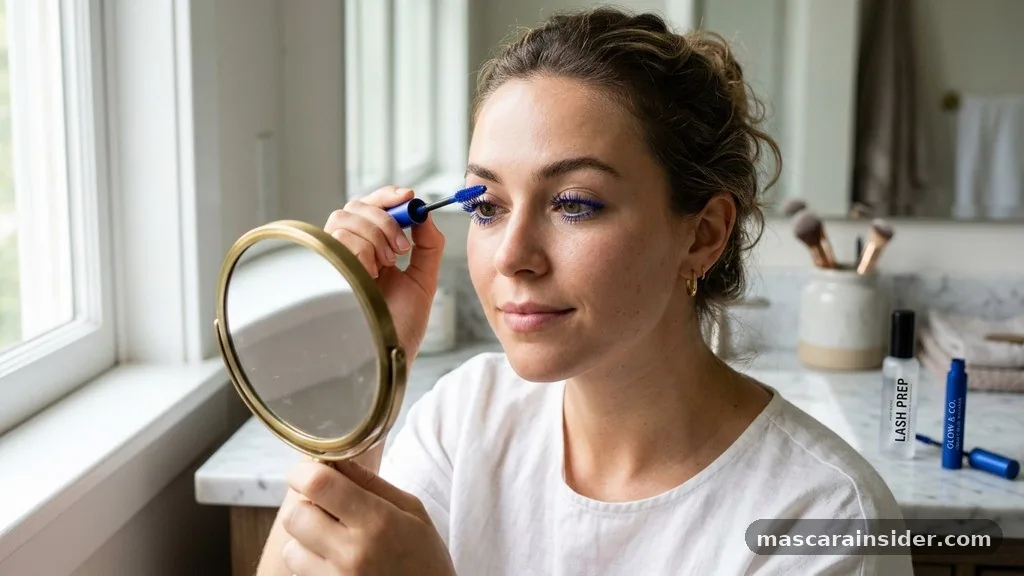
Colored formulas sometimes have a different viscosity than standard black mascaras, which can lead to increased smudging if you aren’t careful. Always ensure your eyelids are free of excess oil or heavy eye creams before application.
If you have particularly watery eyes or a long day ahead, look for a waterproof formula. These are much more resistant to transferring onto your brow bone or under-eye area.
| Feature | Waterproof Formula | Standard Formula |
|---|---|---|
| Longevity | High (Resists humidity) | Moderate (Easier to remove) |
| Best Use | Long days/Special events | Daily office wear |
| Removal | Requires oil-based cleanser | Warm water/micellar water |
| Smudging Risk | Low | Moderate |
Bridging the Gap: Common Challenges
Many people struggle with the “clownish” look often associated with colored makeup. The secret to wearing blue mascara stylishly is to keep the rest of your face balanced. If you are going for a bold lash look, treat the mascara as your primary accessory.
Solving the “Too Much” Problem
If you feel your lashes look a bit too bright, use a clean mascara wand (a spoolie) to comb through the lashes immediately after application. This removes excess product and ensures the hairs are separated, which helps the color look more like a tint than a thick, clumpy layer of paint. Additionally, keeping your eyeshadow neutral—think soft taupes, champagne, or matte nudes—allows the blue to remain the focal point without clashing with other pigments.
The Waterline Integration
For a truly cohesive look, consider tightlining your upper waterline with a navy blue or charcoal pencil. This fills in the gaps between your lashes, making the base look thicker and more dramatic. When the blue mascara meets a dark, defined waterline, the entire eye shape appears more lifted and awake.
Embracing Monochromatic Makeup
If you want to lean into the trend, try a monochromatic makeup aesthetic. This involves using shades of the same color family across your eyes, cheeks, and lips. While you don’t need to wear blue lipstick, pairing your blue mascara with a subtle navy eyeliner or a soft cool-toned blush can create a high-end, editorial feel.
When your entire look shares the same cool undertone, the blue mascara stops looking like an outlier and starts looking like a deliberate design choice. This is an excellent strategy for those who feel that colored makeup is “too loud.” By softening the surrounding elements, you make the overall appearance more sophisticated and intentional.
Adjusting for Different Eye Colors
While we know that blue is a fantastic contrast for brown eyes, those with blue or green eyes can also participate in the trend. The key is to match the intensity of your iris. If you have very light blue eyes, try a darker, midnight blue mascara to add depth to your gaze without overwhelming your natural eye color.
Conversely, if your eyes are a deep, dark brown, you can afford to use much brighter, electric blue tones. The contrast will be significantly higher, which creates a striking, wide-awake effect. Always test the mascara in natural lighting before heading out; artificial bathroom lighting can often distort how these vibrant pigments interact with your skin tone.
FAQ: Common Questions on Blue Mascara
Who should wear blue mascara?
Everyone can wear it; it is particularly flattering for brown or hazel eyes, adding depth and brightness.
How do I make blue mascara look subtle?
Apply it only to the tips of your lashes over a base coat of black mascara for dimension.
Does blue mascara make eyes look whiter?
Yes, the cool blue tones provide contrast that makes the whites of your eyes appear much brighter.
Can I wear blue mascara to the office?
Absolutely; opt for deep navy or midnight blue shades for a professional, understated pop of color.
Why does my blue mascara look gray?
Your natural lash pigment is likely too dark; use a white lash primer first for true color.
Is blue mascara trendy in 2026?
Yes, colorful lashes remain a popular way to experiment with beauty without committing to permanent changes.
Should I use an eyelash curler with blue mascara?
Yes, curling your lashes ensures the color is visible from the front, enhancing the overall intended effect.
Mastering the look of blue-tinted lashes is a fantastic way to break out of a beauty rut without needing professional skills. Start by experimenting with a deep navy shade on your lower lashes if you’re nervous, then graduate to a full coat of cobalt once you feel more comfortable.
Remember that the best makeup looks are the ones that make you feel confident, so don’t be afraid to experiment with different brands and intensities until you find your signature style. Keep your application clean, your lashes separated, and your confidence high as you embrace this vibrant, eye-catching trend.


