

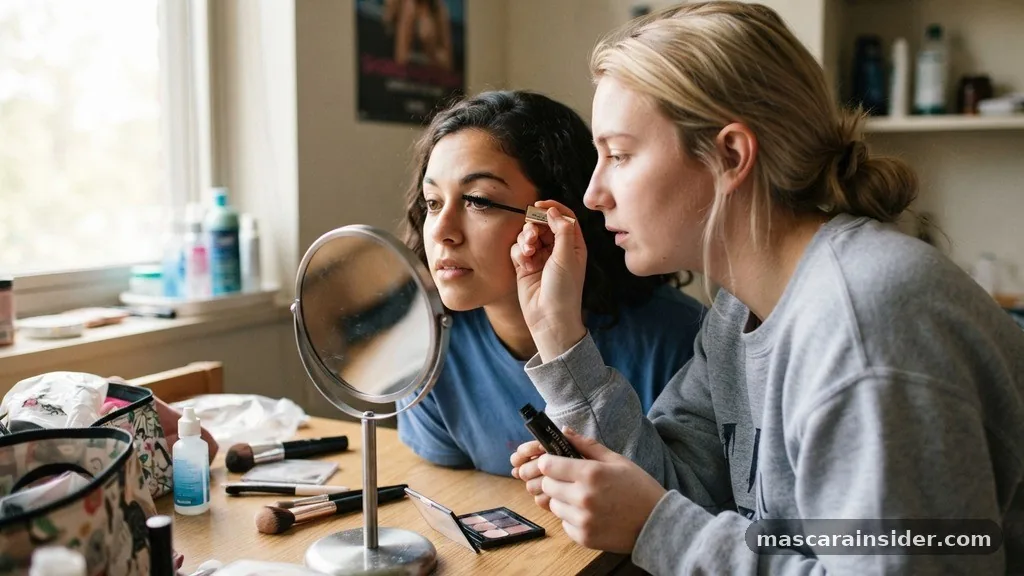
While it might seem like a harmless gesture to let a friend borrow your favorite lash product, the reality is that the answer to whether you can share mascara is a firm no. Your eye area is one of the most delicate and vulnerable parts of your body, and introducing foreign microbes through shared makeup tools often leads to serious health consequences.
Understanding why your beauty routine requires strict boundaries is essential for maintaining long-term vision health. By recognizing the risks associated with cross-contamination, you protect yourself from unwanted infections that can easily turn a simple makeup application into a medical emergency.
The Biological Risks of Sharing Eye Makeup
The primary reason you should never let others use your eye makeup is the high risk of bacterial infection. Every time you pull a wand out of the tube and apply it to your lashes, it picks up skin cells, oils, and bacteria from your eyelash follicles. When that wand returns to the tube, it creates a dark, moist, and nutrient-rich environment where germs can thrive.
If you or a friend are asymptomatic carriers of bacteria, the applicator acts as a vehicle to transport those organisms directly into the product. Once the mascara is contaminated, every subsequent application reintroduces those pathogens to your eyes. This cycle of pathogenic bacteria growth is nearly impossible to stop once a container has been opened and exposed to external environments.
Common Pathogens and Ocular Health
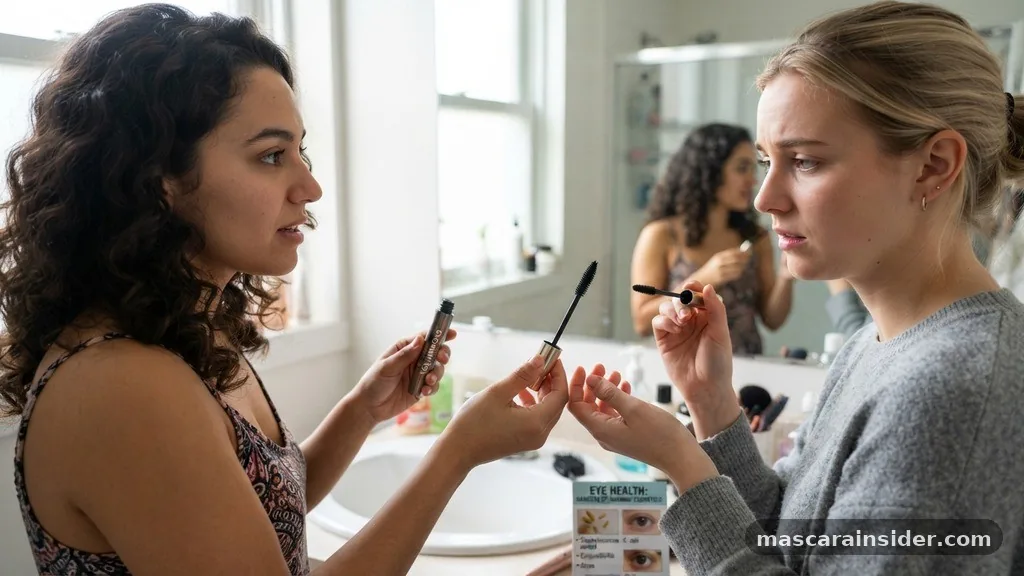
The most frequently cited concern involves Staphylococcus bacteria, which naturally exist on the skin but can cause significant damage if they enter the eye. When these bacteria migrate into the ocular space, they can trigger acute conjunctivitis, commonly known as pink eye. This condition is not just an annoyance; it causes intense itching, redness, discharge, and temporary vision impairment.
Beyond common bacteria, shared beauty products can harbor viruses. Viral pink eye is highly contagious and spreads rapidly through contaminated applicators. Because mascara formulas are liquid-based, they are particularly susceptible to supporting microbial life.
Even if a product contains preservatives, those chemicals have a limited shelf life. Over time, preservative degradation occurs, leaving your makeup defenseless against the very germs you are trying to avoid.
Understanding Cosmetic Hygiene Standards
Practicing high-level cosmetic hygiene is the best defense against eye infections. Most dermatologists and optometrists align with FDA safety guidelines, which emphasize that eye makeup should be treated as a personal medical tool rather than a communal accessory. Once a tube is opened, it begins to oxidize and degrade, making it more prone to hosting microbial colonies.
Many users mistakenly believe that if they only share with family members, the risk is somehow negated. However, even within a household, individual microbiomes differ significantly. What is harmless on your sister’s skin might cause a severe inflammatory response in your eyes. Ocular inflammation is a painful condition that often requires antibiotic treatment, which could have been entirely avoided by maintaining a personal-use policy for all eye makeup applicators.
The Role of Preservatives and Expiration
Modern cosmetic chemistry relies on preservatives to keep formulas stable and safe for the duration of their recommended life. However, these preservatives are not permanent. When you pump the wand in and out of the tube, you introduce air, which speeds up the oxidation process and breaks down the protective agents.
| Factor | Risk Level | Impact on Safety |
|---|---|---|
| Sharing with friends | High | Direct transmission of foreign bacteria |
| Sharing with family | Moderate to High | Microbiome differences still pose infection risk |
| Pumping the wand | Medium | Introduces air and accelerates contamination |
| Using past 3 months | High | Preservative degradation leads to bacterial growth |
Addressing Common Misconceptions
A common topical gap in beauty advice is the confusion between different types of makeup. While some products like powder blush or eyeshadow can sometimes be sanitized by removing the top layer, liquid eye products cannot be cleaned. Once a mascara tube is compromised, there is no way to sterilize the interior.
Many people also wonder if using a disposable wand makes sharing safe. While using a fresh, disposable applicator is a significant improvement, it does not solve the issue if the product itself has been double-dipped or touched by a used wand.
Professional makeup artists use disposable wands for every single client, but they never double-dip into the main container. If you are not strictly following this “one-dip” rule, you are still risking the integrity of the product.
Why Gen Z and Experts Are Moving Away from Sharing
There has been a noticeable shift in beauty culture, particularly among younger generations, towards more clinical approaches to makeup. This shift is driven by a better understanding of how shared beauty products contribute to chronic eye issues. Social media has helped highlight the dangers of “tester” makeup in stores, leading to a broader public awareness of why you should never use shared wands.
* Always replace your mascara every three months.
* Never add water or saliva to thin out dry formula.
* Avoid using tester wands in retail environments.
* Stop using any eye product immediately if you develop an infection.
* Wash your hands thoroughly before touching your eye area.
* Keep your makeup bag in a cool, dry place away from sunlight.
The Connection Between Eyelash Follicles and Infection
Your eyelash follicles are sensitive structures that house your lashes. When these follicles become blocked or irritated by contaminated makeup, it can lead to conditions like styes or blepharitis.
A stye is essentially an abscess caused by an infected oil gland or hair follicle. When you use someone else’s mascara, you are potentially introducing foreign strains of bacteria that your immune system is not accustomed to dealing with, significantly increasing the likelihood of developing these painful bumps.
Furthermore, consistent irritation to the lash line can lead to long-term damage. If you frequently suffer from red, irritated eyes, it is worth auditing your makeup habits.
Often, the culprit is not the brand or the formula, but the way the product has been handled and stored. Keeping your products private is a simple, cost-effective way to ensure your eye health remains a top priority.
What to Do If You Have Shared Mascara
If you realize you have accidentally shared your mascara or used someone else’s, do not panic, but take immediate action. Pay close attention to your eyes over the next few days. Symptoms like itching, excessive tearing, crusting, or a feeling of grittiness are early warning signs of an issue.
If you suspect contamination, it is safer to dispose of the product entirely. While it might be frustrating to throw away a nearly full tube, the cost of a new mascara is negligible compared to the expense and discomfort of a professional eye exam and antibiotic eye drops. When in doubt, prioritize your long-term vision over the short-term value of a cosmetic item.
Summary and Best Practices
Maintaining strict boundaries regarding your eye makeup is essential for protecting your vision. Understanding that you cannot safely share mascara is the first step toward better cosmetic hygiene. By avoiding the risks of cross-contamination and honoring the expiration dates of your products, you ensure that your beauty routine remains safe and effective.
Always remember that your eyes are precious, and they deserve products that have not been exposed to external bacteria. If you find yourself tempted to share, remind yourself that a simple tube of makeup is never worth the risk of a painful infection. Making the choice to keep your products to yourself is the most responsible way to care for your eyes.
Can you share mascara with friends?
No, you should never share mascara with friends to avoid spreading bacteria and causing serious eye infections.
Is it okay to share mascara with your sister?
Even with family, it is not recommended because individual skin microbiomes differ and sharing increases infection risk.
What happens when you share mascara with someone?
Sharing mascara introduces foreign bacteria to the tube, which can lead to pink eye or follicular infections.
Why has the trend of sharing makeup declined?
Increased awareness of cosmetic hygiene and the risks of bacterial transmission has made sharing makeup less popular.
Can you share eyelash curlers?
Sharing curlers is safer than mascara, but they should be cleaned regularly with alcohol to remove eye debris.
What are the signs of an eye makeup infection?
Watch for redness, itching, swelling, discharge, or a gritty feeling, which often indicate a bacterial or viral infection.
How often should you replace mascara?
You should replace your mascara every three months to prevent the buildup of bacteria and ensure formula safety.


