

Many makeup enthusiasts have heard the unsettling rumors that their favorite eye makeup contains ingredients sourced from exotic or creepy creatures. If you have ever wondered what animal is mascara made of, you aren’t alone; these urban legends have persisted for decades, often blurring the line between fact and fiction.
While the beauty industry does utilize certain components with biological origins, the truth is far less dramatic than the myths of bat droppings or spider legs suggest. Understanding the chemistry behind your tube of mascara helps you make informed choices about your vanity products while separating genuine concerns from viral internet hoaxes.
The Truth Behind Common Beauty Myths
The persistent rumor that mascara contains bat guano is entirely false. This myth likely originated from a misunderstanding of the word guanine, a common ingredient used to add shimmer to cosmetics.
While the name sounds phonetically similar to guano, the two substances are completely unrelated in origin and function. Guanine is a crystalline material that provides a pearlescent luster, and in the modern beauty industry, it is almost exclusively derived from fish scales rather than mammal waste. You can rest easy knowing that your lashes are never coated in bat droppings, as that would be both biologically impractical and entirely unsuitable for cosmetic application.
Common Animal-Derived Ingredients
While your makeup bag is free from guano, many standard formulas do rely on animal-derived ingredients to achieve specific textures, hold, and color payoff. Manufacturers choose these components because they offer high performance and stability, which are essential for products applied near the sensitive eye area. When you examine a label, you are looking for specific compounds that provide the signature “thickening” or “water-resistant” effect that mascara users demand.
- Beeswax: A foundational ingredient used to provide structure and prevent the formula from flaking throughout the day.
- Lanolin: A waxy substance derived from sheep’s wool that acts as a conditioning agent for the lashes.
- Carmine: A vibrant red pigment extracted from cochineal insects, occasionally used in shades that require warm, reddish undertones.
- Keratin: A protein often sourced from animal hair or hooves, sometimes added to serums or mascaras to promote structural integrity.
The Shift Toward Vegan Beauty and Synthetic Alternatives
As consumer awareness regarding cruelty-free certification and ethical sourcing grows, the industry has shifted toward high-performance synthetic replacements. Modern cosmetic formulation now frequently relies on plant-based waxes like carnauba or candelilla to replace traditional beeswax.
Furthermore, synthetic pigments and iron oxides have largely taken over the role of coloring agents, providing deep, consistent black hues without the need for animal-based dyes. These innovations allow brands to offer products that are both effective and completely free of animal byproducts.
| Ingredient Type | Common Source | Function in Mascara |
|---|---|---|
| Beeswax | Honeybees | Texture and adherence |
| Guanine | Fish scales | Shimmer and luster |
| Iron Oxides | Mineral/Synthetic | Pigmentation |
| Polymers | Synthetic | Water resistance/Tubing |
Addressing Topical Gaps in Mascara Composition
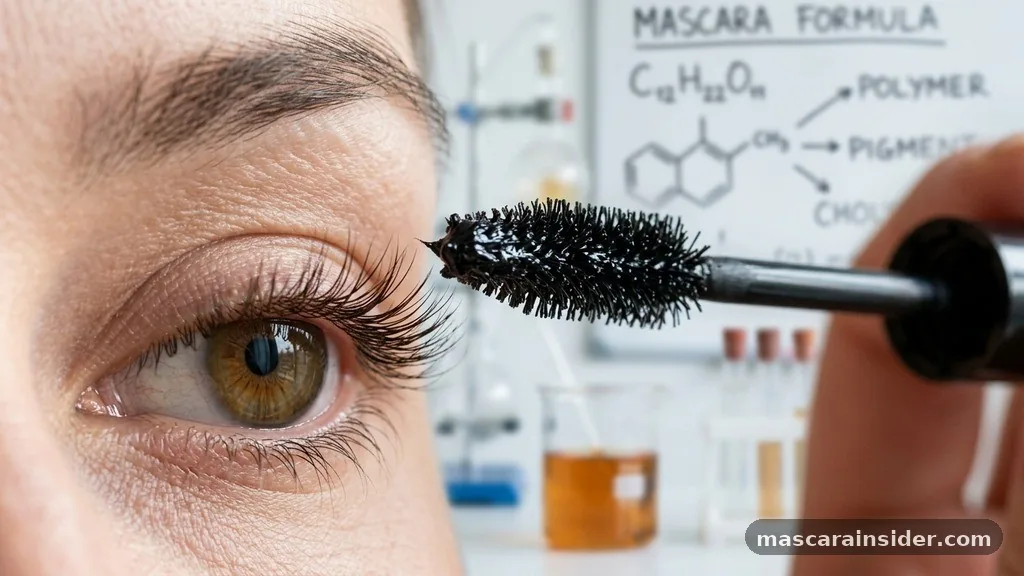
A significant gap in public knowledge concerns the role of polymer coatings and their interaction with natural lashes. Many people assume that if a product is “natural,” it is automatically better for eyelash health, but this isn’t always the case. Polymers are essential for “tubing” mascaras, which wrap individual lashes in a water-resistant film.
These synthetics are generally inert and hypoallergenic, making them safer for some users than natural waxes, which can occasionally cause irritation or allergic reactions in sensitive individuals. Understanding that “synthetic” often equates to “stable and safe” can change how you view your ingredient list.
How to Identify Animal-Free Products
If you want to avoid animal ingredients entirely, look for clear labeling on the packaging. A product labeled as vegan does not necessarily mean it is cruelty-free, and a cruelty-free label does not always guarantee the product is vegan.
To ensure your mascara meets your ethical standards, check for official certification logos from reputable organizations. These third-party auditors verify that no animal testing occurred at any stage of the supply chain and that the ingredients meet specific welfare standards.
Reading the Fine Print
When scanning an ingredient list, look for names that might hide animal sources. While “beeswax” is straightforward, other compounds require a bit of investigation.
If you see “hydrolyzed protein” without a specified source, it is often best to contact the manufacturer directly to confirm its origin. Many companies are now transparent about their supply chains and will gladly confirm whether their ingredients are plant-derived or lab-synthesized.
The Role of Mineral Pigments
Most high-quality black mascaras rely on iron oxides for their color. These are minerals that provide a stable, non-toxic, and intense pigment that doesn’t fade.
Because these are sourced from the earth rather than living creatures, they are a staple in both traditional and vegan beauty lines. They represent the gold standard for safety and performance in the industry, effectively replacing older, more problematic dyes that were once common in early cosmetics.
Maintaining Eyelash Health
Regardless of the ingredients, the way you remove your mascara is the most important factor for your long-term lash health. Harsh rubbing can cause mechanical damage, leading to breakage and thinning.
Use a gentle, oil-based cleanser that breaks down the polymer coatings or waxes without requiring abrasive friction. By respecting the delicate structure of your lashes, you ensure they remain full and healthy, regardless of whether you choose a product containing beeswax or a fully synthetic, plant-based formula.
Frequently Asked Questions
Is there really bat poop in mascara?
No, this is a persistent myth; mascara does not contain bat guano, as it is not a cosmetic ingredient.
What is the substance called guanine used for?
Guanine is a pearlescent pigment derived from fish scales used to add shimmer and shine to cosmetic products.
Are there insects used to color mascara?
Yes, carmine is a red pigment sourced from crushed cochineal insects, though it is becoming less common today.
Is all mascara cruelty-free?
Not all mascaras are cruelty-free; you should look for specific cruelty-free certification logos to verify the brand’s testing policies.
What is the most common animal ingredient in mascara?
Beeswax is the most frequently used animal-derived ingredient, prized for its ability to help the formula adhere to lashes.
Do vegan mascaras perform as well as others?
Modern vegan beauty formulas often perform just as well as traditional ones, thanks to advanced synthetic waxes and polymers.
How can I tell if my mascara contains animal products?
Review the ingredient list for beeswax, lanolin, or carmine, or look for a vegan certification label on the package.
The search for the truth about what animal is mascara made of reveals that the industry is far more focused on chemistry than on animal byproducts. While historical formulations relied heavily on ingredients like beeswax or fish-derived guanine, the current market is dominated by synthetic alternatives that offer superior performance and ethical peace of mind. By prioritizing products with transparent ingredient lists and recognized certifications, you can achieve the look you want without compromising your values.
Whether you prefer a classic formula or a modern vegan alternative, understanding what goes into your makeup is the best way to ensure your beauty routine aligns with your lifestyle. Always check the labels, stay curious about the science behind the tube, and enjoy your makeup journey.


