

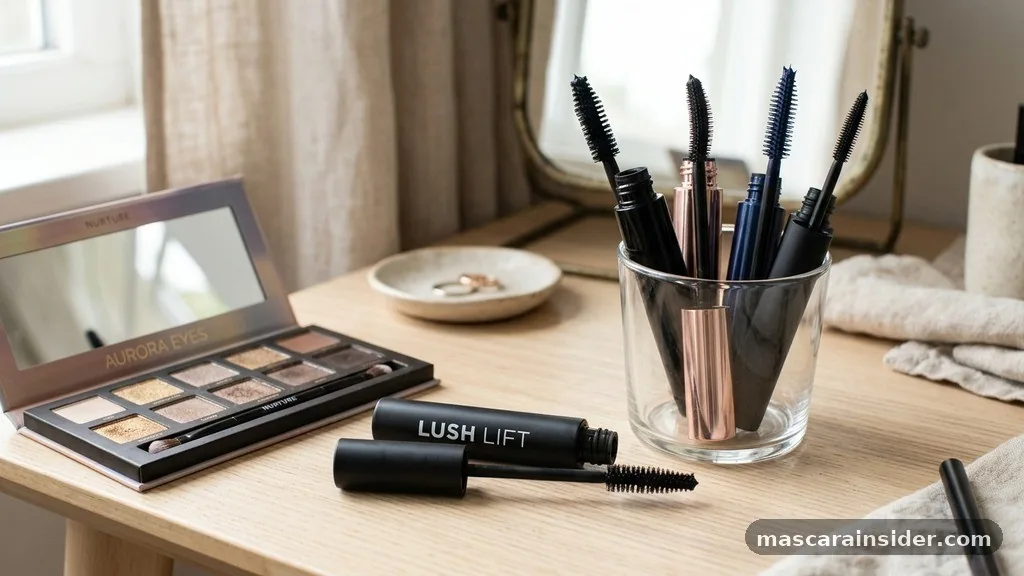
Mastering the art of applying lash pigment can transform your entire face in seconds. Whether you want to achieve a wide-eyed, youthful look or a dramatic, evening aesthetic, understanding how to use mascara effectively is the foundation of any great makeup routine.
It isn’t just about swiping a wand across your eyes; it involves understanding your specific lash type, choosing the right formula, and employing techniques that prevent smudging. By refining your approach to this essential product, you can ensure your eyes remain the focal point of your look while keeping your lashes healthy, separated, and clump-free throughout the day.
Selecting the Right Mascara Formula
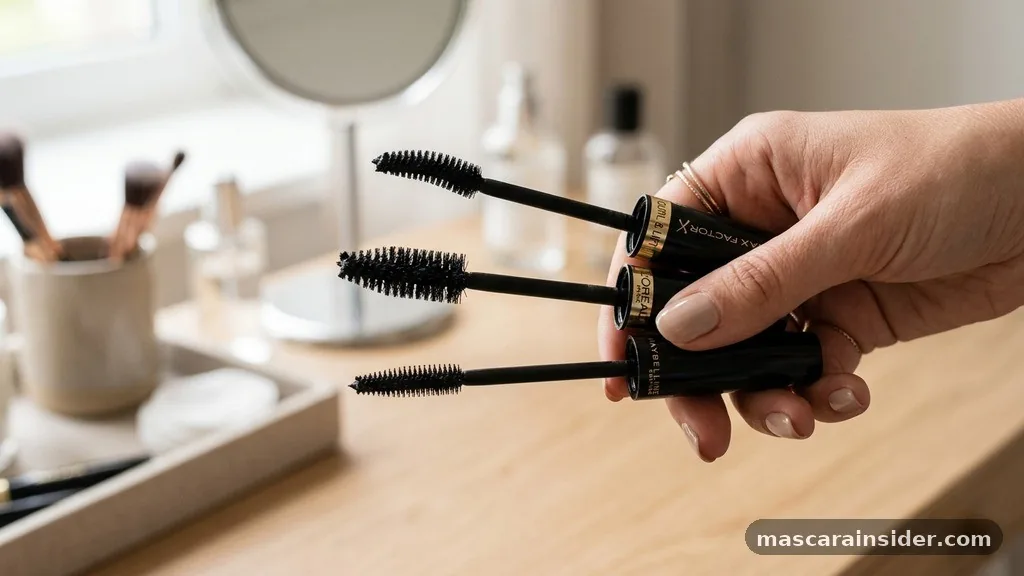
Choosing the correct product is the first step toward achieving your desired look. Different formulas serve different purposes, and identifying your primary goal—be it volume, length, or curl—will dictate which bottle you reach for. Waterproof mascara is the gold standard for long-wear performance, especially in humid climates or during emotional events.
It locks the curl in place because the formula is generally thinner and sets rapidly. However, it requires a dedicated oil-based makeup remover to ensure you don’t tug at your delicate lash line during the cleaning process.
On the other hand, tubing mascara is a fantastic innovation for those prone to smudging. Instead of painting the lashes, these formulas form tiny, polymer-based water-resistant “tubes” around each hair. They don’t flake or bleed, and they wash off easily with just warm water and gentle pressure.
If you are looking for dramatic, high-impact volume, you might consider a fiber mascara, which contains tiny synthetic fibers that cling to your natural lashes to add extra length and thickness. Always check the wand shape as well; a curved wand is excellent for lifting, while a tapered brush helps you catch those tiny hairs in the inner corner.
Preparing Your Lashes for Application
Before you even touch the tube, your lashes need to be primed. If you want maximum results, using an eyelash curler is non-negotiable. Place the curler at the base of your lashes, squeeze gently for five seconds, and release.
This simple action opens the eye and provides a solid foundation for the pigment to adhere to. If you find that your mascara tends to flake or fade by midday, applying a lash primer can be a game-changer. These white or clear bases coat the lashes, creating a smooth surface that helps the mascara grip better and adds an extra layer of volume or length before you apply the dark pigment.
Clean lashes are also essential. If you have residual oil or leftover product from the day before, your new coat of mascara will likely clump or slide off. Use a gentle cleanser to ensure your eyelids and lashes are completely free of oils.
If you have particularly stubborn, straight lashes, you might even consider warming your mascara tube in your bra or between your hands for a minute before use. The warmth makes the formula thinner and easier to work with, allowing for a smoother, more even application that feels less tacky on the eyes.
Mastering the Zigzag Technique
The zigzag technique is the secret weapon used by professionals to achieve clump-free lashes. Instead of simply brushing the wand straight up, place it at the very base of your lashes and wiggle it back and forth horizontally. This motion deposits the majority of the pigment at the roots, which creates the illusion of thicker, fuller lash lines.
As you wiggle, slowly pull the wand toward the tips. This specific movement helps separate the individual hairs, ensuring that the mascara coats every side of the lash rather than just the front.
It is easy to make the mistake of pulling the wand through too quickly, which leads to spider-like clusters. Take your time, especially during the initial coat. If you find that you have accidentally applied too much product, don’t panic.
You can keep a clean spoolie brush on hand to comb through the lashes while the formula is still wet. This tool is perfect for removing excess clumps and ensuring that your lashes look defined and separated. Remember that multiple thin layers are always superior to one thick, gloppy coat.
Optimizing Your Makeup Application Order
Many beginners struggle with the makeup application order, often wondering when exactly to apply mascara. The general rule of thumb is that mascara should be the very last step of your eye makeup routine.
If you apply it before your eyeshadow or eyeliner, you risk getting powder fall-out on your wet lashes, which can turn your dark, glossy look into a dusty, muted mess. Furthermore, if you are planning to use a setting spray, apply your mascara after the spray has completely dried to avoid any accidental smudging or running.
Some people prefer to apply mascara before their foundation to ensure they don’t get any stray marks on their finished complexion. While this is a valid preference, it makes it difficult to see how the intensity of your eye makeup balances with the rest of your face.
If you are worried about smudging onto your skin, hold a small plastic card or a folded tissue behind your lashes as you apply. This simple barrier catches any stray pigment, allowing you to coat your lashes right to the very tip without fear of ruining your foundation or concealer.
Techniques for Bottom Lash Definition
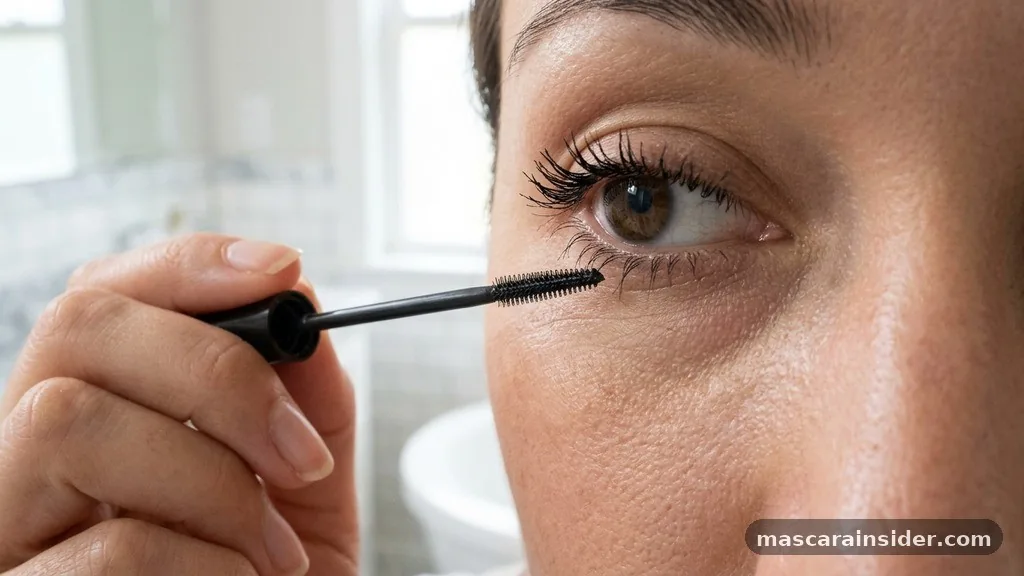
Applying mascara to the bottom lashes can be intimidating, but it is essential for achieving a balanced, wide-eyed look. The key is to use less product than you did on your top lashes to avoid a “doll-eye” effect that can look messy if the formula smudges.
Instead of using the full length of the wand, hold it vertically so that you are only using the very tip of the brush. This gives you much more control and prevents you from accidentally coating your lower eyelid or the skin beneath your eyes.
If you have very fair lashes, a light touch on the bottom is usually sufficient to frame the eye without looking overly harsh. You can also use a waterproof formula specifically for the bottom lashes to prevent the dreaded “raccoon eye” look that occurs when oils from your skin cause the mascara to migrate downward.
If you do get a smudge, let it dry completely before trying to remove it. Once it is dry, you can easily flick it away with a dry Q-tip or a spoolie brush without leaving a dark shadow on your concealer.
Addressing Common Application Challenges
Even experienced makeup lovers encounter obstacles when trying to get that perfect, fanned-out look. One of the most frequent issues is the “clumping” effect, which usually happens when the wand is overloaded with product or the formula has started to dry out.
Always wipe the excess mascara off the wand onto a tissue before bringing it near your eyes. This small habit prevents the heavy, wet globs from depositing on your lashes and makes the application process much smoother and more precise.
If you struggle with lashes that refuse to stay curled, you might be using a formula that is too heavy. Some volumizing mascaras are quite thick and can weigh down straight lashes, causing them to drop back to their original position. In this case, switching to a lighter, lengthening formula might solve the problem.
Additionally, if you find that your mascara is drying up in the tube, do not add water or oil to the container; this can introduce bacteria. Instead, consider replacing your product every three months to maintain hygiene and performance standards.
Topical Gaps: Specialized Mascara Needs
Many people ask specific questions that aren’t always covered in basic tutorials, such as how to handle sensitive eyes or what to do if you wear glasses. If you have sensitive eyes, look for ophthalmologist-tested formulas that are free of harsh fragrances and dyes.
For those who wear glasses, the length of your lashes can sometimes cause them to hit the lenses, which results in smudging. In this scenario, opt for a formula that focuses on volume rather than extreme length, or ensure you use an eyelash curler to direct the lashes upward and away from the glass.
Another common concern is the “lash gap,” where the mascara doesn’t seem to reach the very inner or outer corners. This is where the shape of your mascara wand matters most.
Small, precise wands or those with a specialized ball-tip are designed to reach those hard-to-access areas. Don’t be afraid to use a mirror placed at chin level; looking down into the mirror while applying mascara forces your lashes to extend outward, making it significantly easier to coat the roots without hitting your eyelid.
| Feature | Best For | Application Tip |
|---|---|---|
| Curved Wand | Lifting & Curling | Follow the natural eye contour |
| Tapered Wand | Inner/Outer Corners | Use the tip for precision |
| Thick/Large Wand | Volume & Thickness | Use the zigzag technique |
| Plastic/Rubber Wand | Separation & Length | Comb through slowly |
Maintenance and Hygiene Practices
Taking care of your mascara is just as important as the application itself. Because the eye area is extremely sensitive, you must be diligent about hygiene. Never share your mascara with others, as this is a primary way to spread eye infections.
Furthermore, avoid “pumping” the wand in and out of the tube. This action forces air into the container, which causes the formula to dry out much faster and can harbor bacteria. Instead, gently swirl the wand inside the tube to pick up the desired amount of product.
You should also be mindful of the expiration date. While most tubes suggest a three-month lifespan, notice if the smell or texture changes before that. If the mascara starts to smell slightly acidic or becomes thick and stringy, it is time to discard it.
Keeping your tools clean is also vital; if you use a secondary spoolie brush, ensure it is washed with mild soap and water after every few uses. These small habits keep your eyes healthy and ensure that every application remains as effective as the first day you opened the tube.
The Importance of Proper Removal
The final part of the process is removing the mascara, and this is where most people make the biggest mistakes. Rubbing your eyes with a standard makeup wipe is harsh and can lead to broken lashes and premature wrinkles around the eyes.
Instead, use an oil-based makeup remover or a dedicated cleansing balm. Apply the product to a cotton pad, press it gently against your closed eyelid for about 20 to 30 seconds, and let the oil dissolve the mascara.
Once the product has broken down, the mascara should slide off easily without requiring aggressive scrubbing. If you are using a waterproof mascara, be extra patient; these formulas are designed to stay put, so they need a bit more time with the oil to soften.
After the lashes are clean, follow up with a gentle facial cleanser to remove any oily residue. Caring for your lashes at night is the secret to keeping them strong and healthy, which makes applying mascara the next morning much easier and more rewarding.
Conclusion
Mastering the technique of using mascara is a skill that pays off every time you look in the mirror. By selecting the right formula for your needs, preparing your lashes with a curler, and using purposeful movements like the zigzag technique, you can elevate your beauty routine effortlessly. Remember that the best results come from patience and consistent hygiene, ensuring your lashes remain healthy and vibrant.
Whether you prefer a subtle, natural definition or a bold, dramatic flair, these practices provide the control you need to achieve your desired look. Start experimenting with these methods today to see how a few simple adjustments can refine your daily makeup style. Feel free to share your own favorite application tips or ask questions if you are looking for more personalized advice on your lash journey.
How many swipes of mascara should I do?
Typically, two to three coats are sufficient to achieve definition without causing clumping or heaviness.
Should mascara be applied first or last?
Mascara should generally be the final step in your eye makeup routine to avoid eyeshadow fall-out.
Do you put mascara on before or after foundation?
It is personal preference, but applying after foundation prevents powder from coating your wet lash pigment.
Do you put mascara on both sides of your lashes?
Yes, coating the top and bottom of your lashes ensures full, even coverage and better definition.
How do I stop mascara from clumping?
Wipe excess product off the wand onto a tissue before application and use a clean spoolie.
Can I use mascara without an eyelash curler?
Yes, but a curler helps provide the lift and shape that mascara alone cannot always achieve.
How do I remove waterproof mascara safely?
Use an oil-based makeup remover and hold it against closed lashes to dissolve the waterproof formula.


