

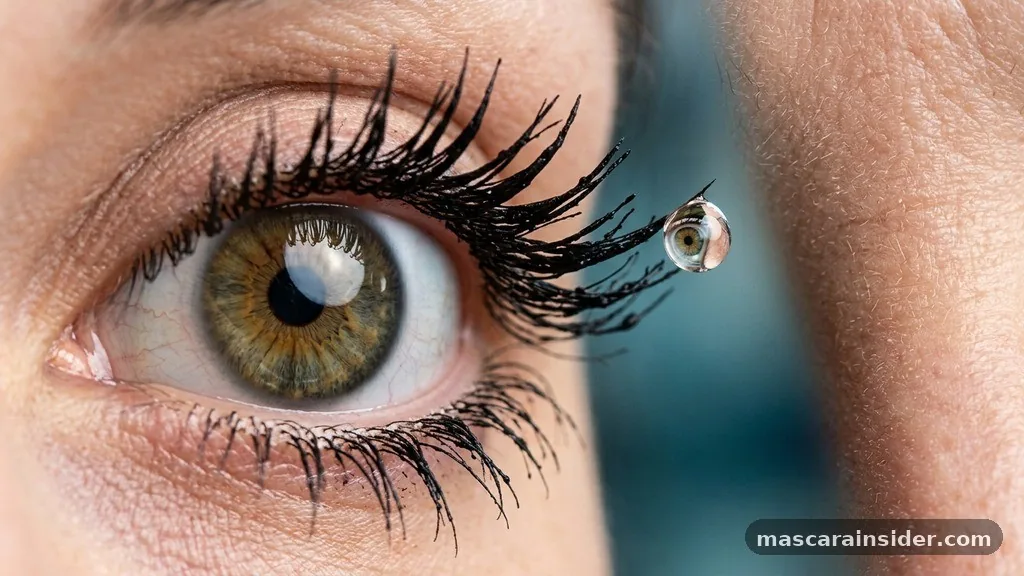
Struggling with stubborn makeup at the end of a long day is a frustration many share. Learning how to get off waterproof mascara without damaging your delicate lashes or causing unnecessary irritation around your eyes is a skill that saves both time and your skin.
Whether you rely on high-performance formulas for humid weather or long-wear events, the key lies in choosing the right solvents that break down polymers without harsh scrubbing. By using the correct techniques and gentle ingredients, you can ensure your nightly routine remains quick, painless, and completely effective, leaving your eye area clean and refreshed for the morning.
Understanding Why Waterproof Mascara Resists Water
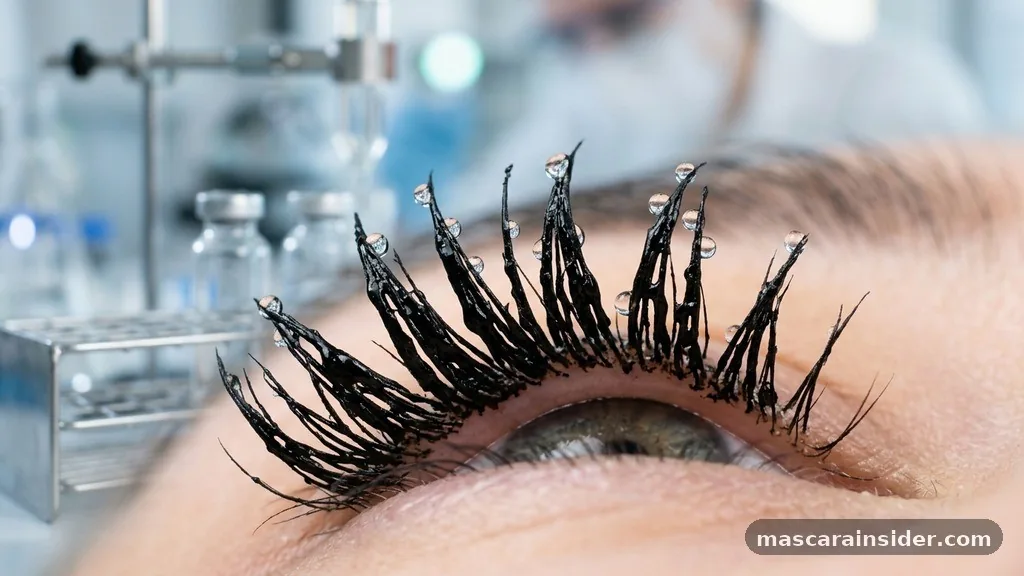
Waterproof mascara is engineered to stay put through humidity, sweat, and tears because it relies on specific hydrophobic ingredients. Unlike standard formulas that use water-soluble waxes, these products contain polymers and resins that create a protective barrier around each lash. Once these formulas dry, they become resistant to simple water-based cleansing, which is why your regular face wash often leaves you with dark smudges under your eyes.
The bond between the mascara and your hair shaft is incredibly strong, requiring a solvent that can dissolve these specific chemical bonds. If you try to remove it with water alone, you are only forcing the product to clump rather than lift away.
This is why many people experience eyelash breakage when they resort to pulling or rubbing at the residue. Understanding that this makeup requires an oil-based approach is the first step toward preserving your natural lash health.
The Role of Oil-Based Cleansers
An oil-based cleanser is the gold standard for dissolving waterproof makeup. Because the ingredients in your mascara are oil-soluble, applying a product that shares a similar molecular structure allows the makeup to melt away easily. This process requires very little gentle friction, which is essential for maintaining the health of the thin skin around your eyes.
When you apply an oil-based product, the lipids work to loosen the grip of the waxes and polymers. This prevents the need for aggressive tugging, which is the primary cause of lash loss and premature wrinkles in the eye area. After massaging the oil into your lashes for a few seconds, you will notice the mascara emulsifying into a liquid state that can be wiped away with a soft cloth or rinsed off.
Using Biphase Makeup Remover Effectively
A biphase makeup remover is a specialized product designed specifically for long-wear eye cosmetics. You will notice it has two distinct layers—an oil phase and a water phase—that separate when the bottle sits still. You must shake the bottle vigorously before every use to temporarily combine these layers, ensuring you get the perfect balance of solvent and soothing base.
The oil layer works to break down the stubborn waterproof pigments, while the water-based layer helps to lift the debris away from the skin without leaving a greasy film. To use this effectively, soak a cotton pad with the solution and press it against your closed eyelid for about twenty seconds. This “soaking” time is critical, as it allows the remover to penetrate the mascara layers before you perform any wiping motion.
Incorporating Micellar Water for Daily Use
Micellar water has become a staple in many skincare routines, but not all versions are created equal when it comes to waterproof formulas. While standard micellar water is excellent for daily grime, you should look for the “oil-infused” or “bi-phase” variants if you wear heavy waterproof mascara. These products contain tiny oil micelles that attract dirt and pigment like a magnet.
To optimize this method, saturate your pad thoroughly and hold it against the eye area. The goal is to let the solution do the work.
If you find yourself scrubbing back and forth, you are likely using too little product or not waiting long enough for the micelles to engage with the mascara. This approach is generally safe for those with eyelid sensitivity, provided you use a fragrance-free, ophthalmologist-tested formula.
Natural Alternatives: Oils and Petroleum Jelly
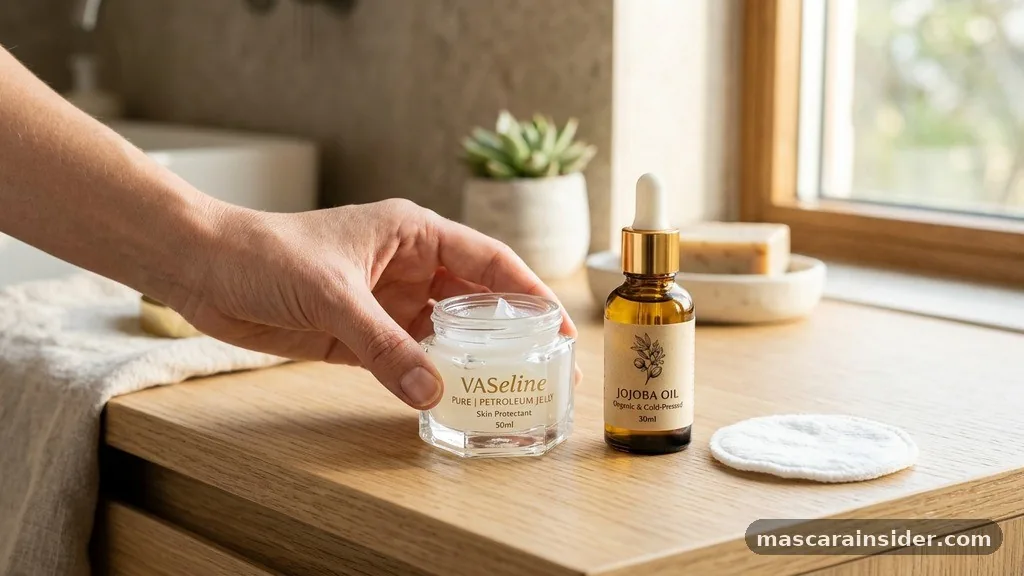
If you find yourself without a specialized remover, household items can often do the trick. Many people swear by petroleum jelly for its ability to coat lashes and soften even the most stubborn waterproof formulas. Simply apply a tiny amount to your fingertips and gently massage it along the lash line, then wipe away with a damp cloth.
Natural oils also work wonders for those who prefer a simpler approach. Here is how some common oils compare for this specific task:
| Oil Type | Best Feature | Consideration |
|---|---|---|
| Castor oil | Thick consistency; conditions lashes | Very viscous; requires careful rinsing |
| Coconut oil | Excellent solvent power | Can be comedogenic for some skin types |
| Jojoba oil | Mimics natural skin sebum | Very lightweight and non-irritating |
Regardless of which oil you choose, ensure it is clean and stored in a cool place. Always be mindful of ocular irritation; if you get oil directly inside your eye, it may cause temporary blurring, which is harmless but annoying.
The Proper Technique to Prevent Eyelash Breakage
Learning the correct technique is just as important as choosing the right product. Many people mistakenly rub their eyes horizontally, which is a recipe for lash loss. Instead, you should always move in a downward motion, following the natural growth direction of your eyelashes.
1. Saturate a cotton pad or soft reusable cloth with your chosen oil-based cleanser.
2. Press the pad firmly against your closed eye for 20 to 30 seconds.
3.
Gently sweep the pad downwards from the lash root to the tip.
4. Fold the pad to a clean side and use a small corner to remove any remaining pigment between the lashes.
5. Follow up with a gentle face wash to remove any oily residue removal from your skin.
Following these steps ensures that you are not pulling on the hair follicles, which keeps your lashes strong and healthy over time.
Addressing Topical Gaps: Common Mistakes
One of the most frequent questions regarding this process is whether you can skip the double-cleansing step. Many users assume that if the mascara is gone, the job is done. However, failing to wash your face after using an oil-based remover can lead to clogged pores along the lash line, potentially causing styes or milia.
Another common gap is the misuse of tools. Some people use harsh tissues or abrasive paper towels, which can cause micro-tears in the delicate skin of the eyelid. Always opt for soft materials like cotton rounds or microfiber cloths.
Furthermore, ensure you are not using too much product; a little goes a long way, and excess oil can migrate into your eyes, causing discomfort. If you wear contact lenses, always remove them before this process to avoid trapping debris or oil against your lenses.
Managing Eyelid Sensitivity and Eye Health
If you suffer from chronic eyelid sensitivity, you need to be extra cautious with the ingredients you use. Avoid products with strong fragrances, alcohol, or harsh preservatives, as these can trigger contact dermatitis. If your eyes feel itchy or red after removing your makeup, it is a sign that your chosen remover may be too harsh or that you are applying too much pressure.
Regularly cleaning your lash line is also a matter of eye hygiene. Leaving mascara residue behind can trap bacteria against the eye, increasing the risk of infections.
If you notice persistent redness or swelling, consult with an eye care professional to ensure your removal routine isn’t contributing to an underlying issue. Your lash health is an extension of your overall ocular wellness.
Conclusion
Getting off waterproof mascara doesn’t have to be a battle that leaves your eyes red and irritated. By prioritizing oil-based solutions and embracing a gentle, patient removal technique, you protect your natural lashes and the delicate skin surrounding your eyes. Remember that the secret lies in allowing the product to dissolve the polymers before you ever reach for a cloth.
Whether you prefer a store-bought biphase remover or a natural oil, consistency and care are your best tools. Once you master this nightly routine, you will find it much easier to enjoy the benefits of long-wear makeup without the lingering stress of cleanup. Take the time to treat your eyes with kindness, and you will see the difference in your skin and lash vitality.
Frequently Asked Questions
Why won’t my waterproof mascara come off?
Your cleanser likely lacks the oil-based solvents needed to dissolve the waterproof polymers and resins effectively.
Will Vaseline take off waterproof mascara?
Yes, petroleum jelly is an effective, inexpensive way to break down waterproof formulas safely and gently.
What can I use instead of waterproof mascara remover?
You can use jojoba oil, coconut oil, or a dedicated oil-based cleanser to dissolve stubborn makeup.
How to remove waterproof mascara without removing lashes?
Avoid rubbing or pulling; instead, soak a pad with oil-based remover and gently sweep downwards.
Can I use micellar water for waterproof mascara?
Standard micellar water rarely works; you must use an oil-infused or bi-phase micellar water formula.
Is it bad to leave mascara residue on overnight?
Yes, it can cause lash breakage, eye irritation, and potentially lead to clogged pores or infections.
How do I clean my lashes without causing irritation?
Use a soft cotton pad with a gentle, oil-based cleanser and avoid any harsh horizontal rubbing.


