

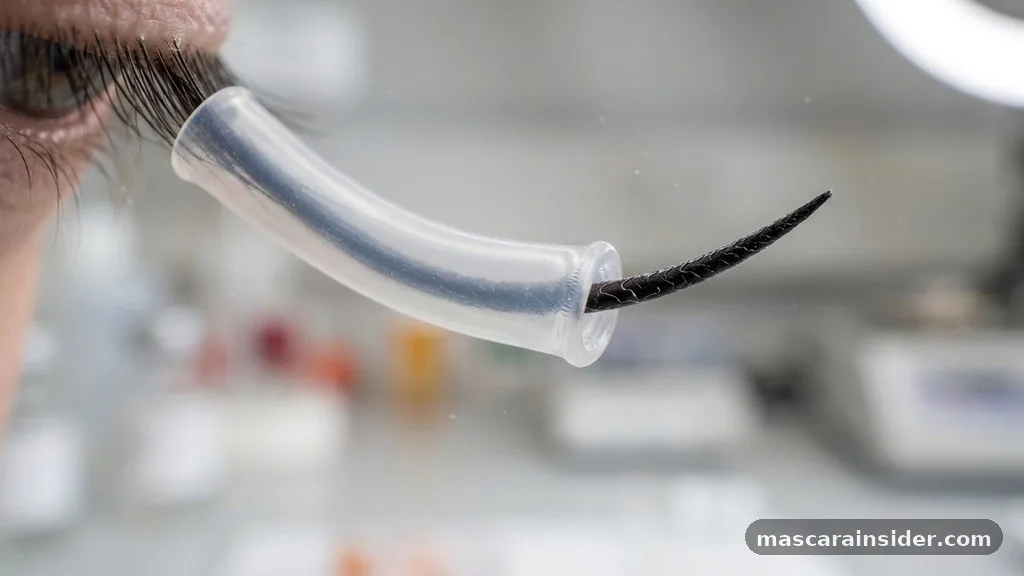
If you have ever dealt with the frustration of midday raccoon eyes or stubborn makeup residue, you have likely encountered the concept of tube mascara. Unlike traditional formulas that rely on oils and waxes to coat your lashes, these innovative products utilize advanced chemistry to create a distinct, long-lasting effect.
By understanding what is tube mascara, you can transform your beauty routine and achieve a clean, polished look that stays put from morning until night. This technology offers a unique approach to eye makeup that prioritizes both longevity and ease of removal, making it a favorite among those who value efficiency and comfort in their daily cosmetic habits.
The Science of Polymer Tube Technology
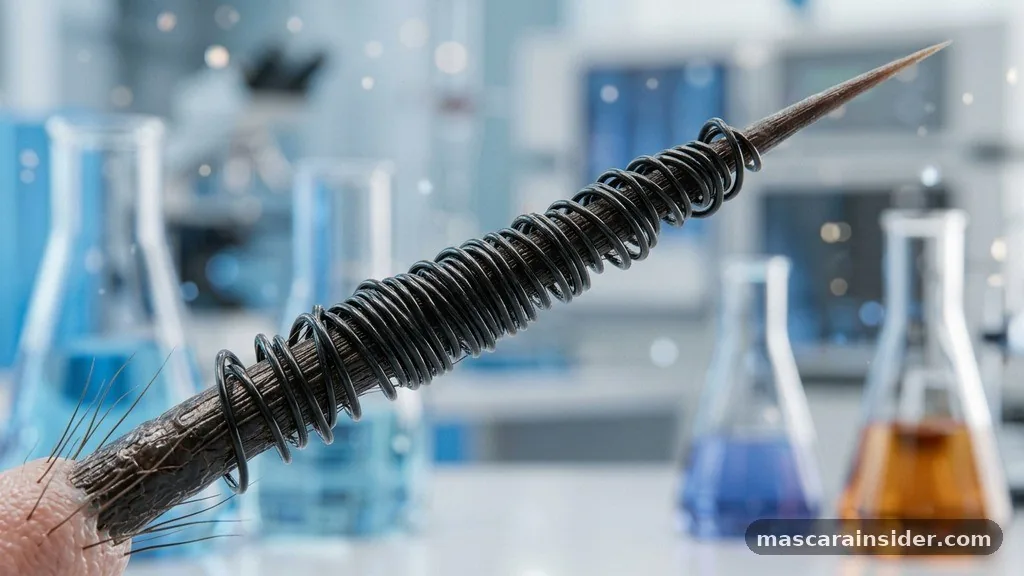
At its core, understanding what is tube mascara requires a look at the chemistry involved. These products rely on polymer tube technology rather than the heavy waxes found in standard formulas.
When you apply the product, the polymers—typically an acrylate copolymer base—wrap around each individual lash like a tiny, flexible sleeve. Once the formula dries, these tubes shrink-wrap the hair, preventing the product from migrating or smudging throughout the day.
This mechanical binding process is why these formulas are famous for being smudge-proof. Because the product is essentially a series of tiny, durable structures rather than a pigment-laden oil, it cannot melt or run when you sweat or encounter natural facial oils.
The lash coating remains intact until it is specifically disrupted by a combination of friction and temperature. This makes it an ideal choice for people with oily skin or those who live in humid climates, as the structural integrity of the tube is resistant to the environmental factors that usually cause traditional mascara to migrate downward under the eyes.
How to Identify and Use Tubing Formulas
Identifying if you are using a tubing formula is simpler than you might think. While many brands don’t always label their products as “tubing,” you can often tell by the texture and the removal process.
If the product feels slightly “rubbery” or produces tiny black specks when you rub your lashes with water, you are likely looking at a tubing formula. Unlike standard mascara, which turns into a messy, oily paste when wet, these tubes slide off the lash in one clean piece.
Using these products requires a slightly different technique for the best results. Because the polymer structure needs time to set around the lash, it is often best to apply a single coat and let it dry slightly before adding a second layer. This prevents the tubes from clumping together or becoming too heavy.
Essential Application Steps
- Prep your lashes by ensuring they are clean and free of any residual eye cream.
- Apply the product from the root to the tip using a steady, sweeping motion.
- Allow the first coat to set for thirty seconds to ensure the polymer tube technology has fully formed.
- Apply a second coat if you desire more volume or lash definition.
- Avoid using an eyelash curler after the product has dried, as this can crack the tubes.
The Advantages for Sensitive Eyes and Contact Lens Wearers
For those who struggle with irritation, knowing what is tube mascara is a game-changer. These formulas are often fiber-free, which is a significant benefit for contact lens wearers.
Traditional mascaras often contain tiny fibers to add length, but these fibers can flake off into the eye, causing severe discomfort or scratching the surface of a lens. Because tubing formulas encapsulate the lash, there is virtually no risk of loose particles falling into your eyes.
Furthermore, these products are frequently ophthalmologist-tested and formulated for sensitive eyes. Because they do not require harsh oil-based makeup removers, you avoid rubbing the delicate skin around your eyes. The warm water removal process is incredibly gentle.
You simply saturate your lashes with warm water, wait a few seconds for the tubes to loosen, and gently slide them off with your fingers or a damp cloth. This eliminates the need for aggressive cotton pads and harsh chemicals, which can often lead to premature wrinkling or irritation in the eye area.
Comparing Tubing vs. Traditional Mascara
When you compare different mascara types, the structural differences become clear. Traditional mascara is essentially a wax and pigment emulsion that sits on the surface of the lash.
While it can be layered to create dramatic volume, it remains susceptible to moisture and heat. In contrast, a tubing formula is designed for durability and clean removal, providing a more consistent, flake-resistant finish that does not degrade as the day progresses.
| Feature | Traditional Mascara | Tube Mascara |
|---|---|---|
| Primary Ingredient | Waxes, Oils, Pigments | Acrylate Copolymer Polymers |
| Removal Method | Oil-based cleanser | Warm water and light pressure |
| Smudge Resistance | Moderate | High (Smudge-proof) |
| Impact on Lashes | Can dry out lashes | Gentle, protective coating |
While tubing formulas may not offer the extreme, heavy-duty volume that some oil-based mascaras provide, they excel in lash definition and length. If you are looking for a reliable, everyday option that mimics the look of lash extensions without the high maintenance, these formulas are excellent. They are water-resistant, meaning they can withstand a bit of rain or light activity, though they are not typically classified as “waterproof” because they are designed to come off with water.
Addressing Common Concerns and Topical Gaps
A common misconception is that all long-wear mascaras are tubing formulas. However, true tubing mascara must be removable with warm water alone. If you find a mascara that claims to be long-wearing but requires an oil cleanser to remove, it is likely a traditional water-resistant formula, not a true tubing product.
Additionally, some users worry that the tubing effect will look “spidery.” This usually happens when the formula is applied too heavily or when the user tries to layer it after it has fully hardened.
Another gap in consumer knowledge involves the “lash extension” look. People often ask if tubing mascara can be used on lash extensions.
Because the removal process involves pulling or sliding, it is generally advised to avoid using tubing mascara on professional lash extensions, as the friction could loosen the adhesive or pull out your natural lashes. Stick to using these formulas on your natural lashes to enjoy the benefits of the polymer structure without interfering with professional services.
Conclusion
Choosing the right eye makeup comes down to understanding your specific needs and the technology behind the products you apply. Because you now know what is tube mascara, you can appreciate why these formulas are a staple for those who value longevity, comfort, and clean removal. By relying on advanced polymer structures rather than heavy waxes, these products offer a sophisticated solution for everyday wear.
They provide a reliable, flake-resistant finish that stays put through busy days, yet they vanish easily with nothing more than warm water. If you are tired of smudging and complicated removal routines, transitioning to a tubing formula is a practical and effective step toward a more streamlined beauty ritual.
What is the main benefit of using tubing mascara?
The primary benefit is its smudge-proof nature and the ease of warm water removal without harsh rubbing.
Is tubing mascara the same as waterproof mascara?
No, they differ; tubing mascara is water-resistant but dissolves in warm water, unlike oil-based waterproof formulas.
Can I use tubing mascara if I have sensitive eyes?
Yes, these formulas are often ophthalmologist-tested and fiber-free, making them ideal for those with sensitivities or contacts.
Does tubing mascara provide volume?
It focuses on length and lash definition but may provide less dramatic volume than thick, wax-based traditional mascaras.
How do I know if my mascara is a tubing formula?
Check if it removes with warm water and slides off in small, rubbery segments rather than smearing black.
Is it safe for contact lens wearers?
Yes, because it is fiber-free, it prevents the flaking that typically irritates the eyes of lens wearers.
Can I layer tubing mascara?
You can layer it, but you should wait for the first coat to dry slightly to avoid clumping.


