

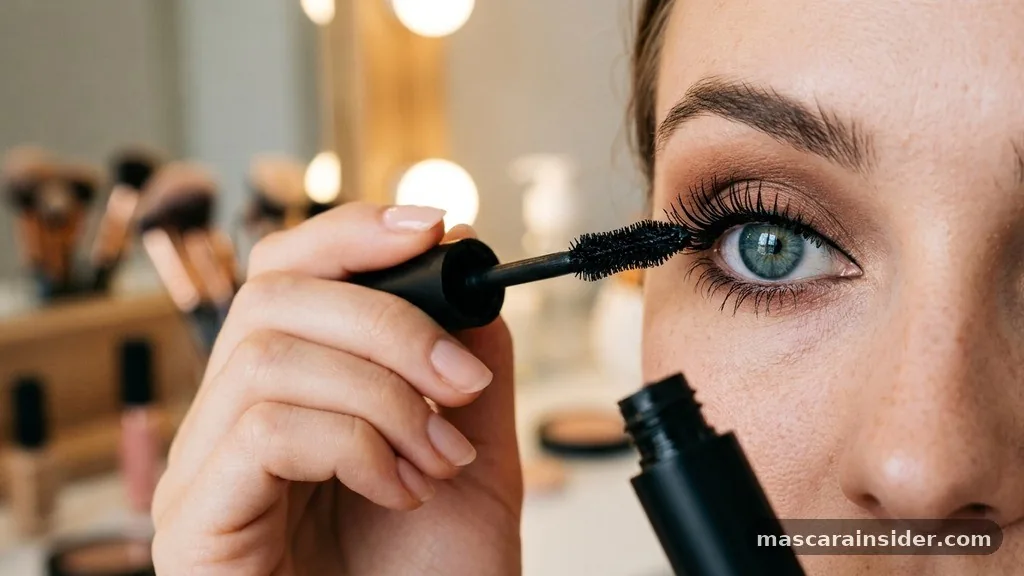
Understanding exactly what mascara does involves looking beyond simple aesthetics to appreciate the chemical engineering behind your daily makeup routine. While many view it as a basic beauty staple, this product functions through a precise combination of waxes, oils, and pigments designed to alter the physical appearance of your lashes.
By coating each hair in a flexible, pigmented film, the product creates an illusion of density and length that changes the entire frame of your face. Knowing how these formulas interact with your natural lash structure can help you choose the right product for your specific goals, whether you want dramatic volume or a subtle, everyday enhancement.
The Fundamental Function of Mascara
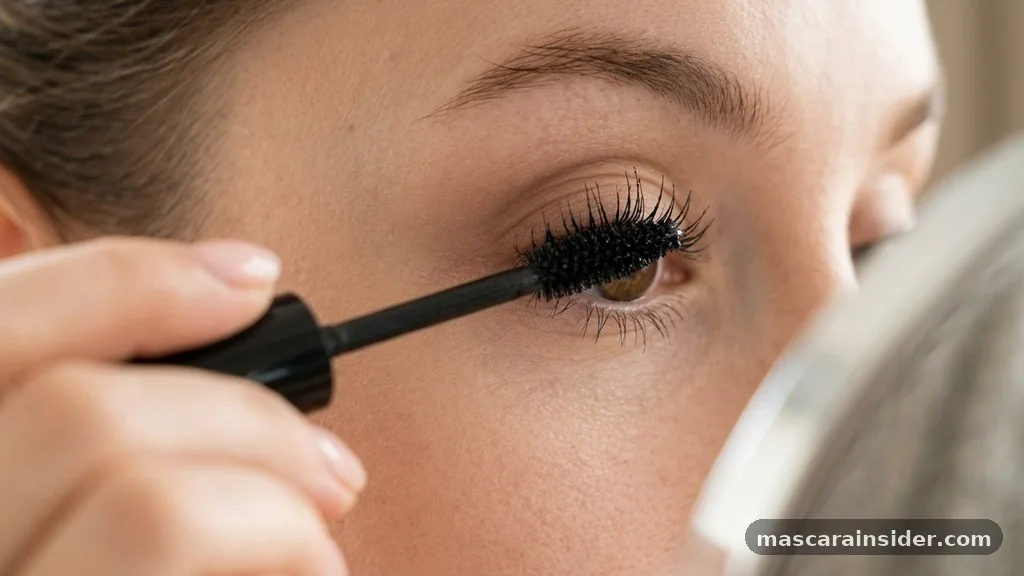
At its core, mascara serves to darken, thicken, and define the individual hairs along your eyelid. The primary goal is to enhance eyelash definition, which naturally frames the eye and makes the iris appear more vibrant.
By applying a rich cosmetic pigment saturation, the product ensures that even fine, light-colored lashes become visible against the skin. This immediate change in contrast is the most common reason people reach for a tube every morning.
Beyond simple darkening, the formula is specifically designed to provide lash volume. Most modern formulations achieve this by using a blend of waxes—such as carnauba or beeswax—that build up around the base of the lash.
As the product dries, it creates a thicker diameter for each strand, which gives the appearance of a fuller, more lush fringe. This physical buildup is what creates that “fanned out” look that makes the eyes appear wider and more awake.
How Formulas Create Length and Curl
If you have ever wondered how a liquid product can make lashes look significantly longer, the answer lies in the inclusion of lengthening effect fibers and polymers. Many formulas contain tiny synthetic fibers that adhere to the tips of your natural lashes.
These fibers extend the reach of each lash, creating a tapered, dramatic look that mimics the effect of falsies. It is a clever bit of optical engineering that works by extending the silhouette of the eye.
The curling polymers found in high-performance tubes are equally important. These ingredients are designed to hold a shape as the formula hardens, effectively locking the lash in a lifted position.
When you use a lash curler before application, the mascara acts like a hairspray, keeping the curl in place throughout the day. This provides a lash lift effect without the need for chemical treatments, making it one of the most versatile tools in any beauty kit.
The Mechanics of the Mascara Wand
The tool you use to apply the product is just as important as the formula itself. A mascara wand is engineered to distribute product evenly while simultaneously detangling the lashes. Different brush shapes serve different purposes: silicone bristles are often used for precision and lash separation, while dense, natural fiber brushes are better suited for depositing heavy amounts of product for maximum volume.
Achieving a clump-free application depends on the interplay between the brush design and the formula’s viscosity. A well-designed wand will comb through the lashes as it deposits the pigment, ensuring that each hair remains distinct rather than sticking to its neighbors. If your lashes look spidery or heavy, it is often a sign that the wand is holding too much product or that the formula has begun to dry out, making it difficult to achieve that clean, fanned-out finish.
| Feature | Goal | Mechanism |
|---|---|---|
| Volumizing Formula | Thicker lashes | Wax-based buildup |
| Lengthening Formula | Longer appearance | Fiber adhesion |
| Curling Formula | Lifted look | Polymer setting |
| Waterproof Formula | Longevity | Oil-based sealants |
Prioritizing Ocular Health and Safety
Because you are applying product so close to your eyes, understanding the importance of ophthalmologist-tested formulas is vital. The skin around the eye is incredibly thin and sensitive, and the eyes themselves are prone to irritation from foreign particles. High-quality products are formulated to minimize the risk of flaking or migration into the eye, which can cause discomfort or even infection.
When shopping for eye makeup, look for hypoallergenic ingredients if you have a history of sensitivity. Avoiding harsh fragrances or dyes is a simple way to maintain ocular health while still enjoying your makeup.
It is also essential to replace your mascara every three months. As you repeatedly insert the wand into the tube, you introduce air and bacteria, which can compromise the preservative system and lead to unwanted bacterial growth.
Addressing Common Topical Gaps
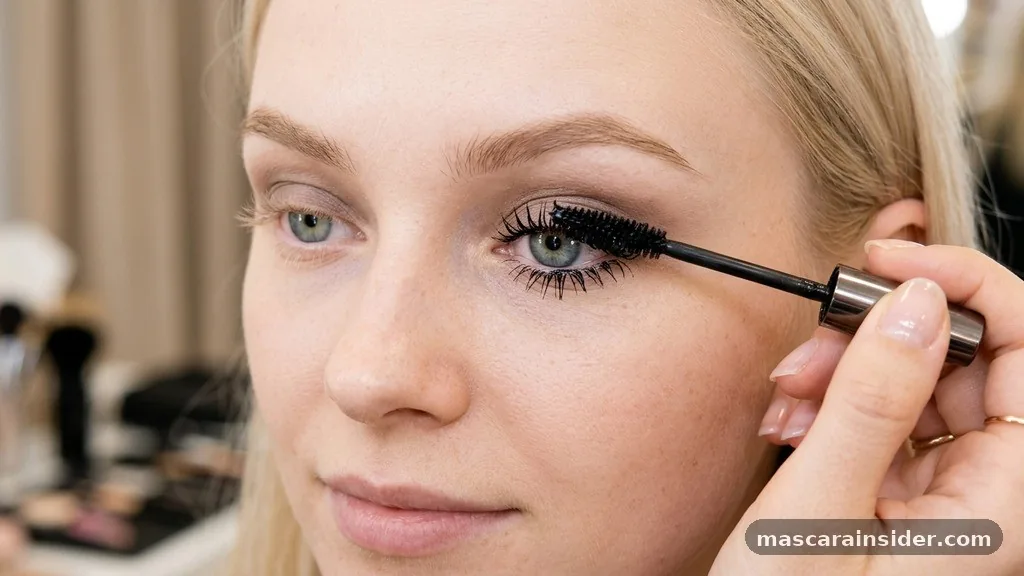
There is often confusion regarding why some people find mascara unnecessary or even bothersome. For some, the weight of the formula can cause lashes to droop, effectively undoing the work of a curler.
This is usually due to the formula being too heavy or lacking the necessary polymers to hold a curl. If you experience this, switching to a lightweight, tubing mascara might solve the problem, as these formulas are designed to stay put without the heavy wax buildup that drags lashes down.
Another common gap in knowledge concerns the removal process. Many people scrub their eyes aggressively, which is the leading cause of lash breakage and irritation.
Using a dedicated eye makeup remover or a gentle cleansing oil is necessary to dissolve the smudge-resistant binders without tugging at the delicate root of the lash. Proper removal is just as important as the application itself for keeping your natural lashes healthy and strong.
The Role of Lash Conditioning
Many modern formulas now include lash conditioning agents like panthenol, keratin, or various botanical oils. These ingredients are included to prevent the lashes from becoming brittle as the mascara dries. While the primary job of the product is aesthetic, these conditioning additives act as a protective barrier, keeping the lashes flexible and preventing the breakage that can occur when you remove stubborn, waterproof formulas.
Using a nourishing formula can make a noticeable difference in the long-term health of your lashes, especially if you wear makeup daily. By keeping the hair shaft hydrated, you ensure that your lashes remain strong enough to support the weight of the product. This creates a cycle of care that allows you to enjoy the aesthetic benefits of makeup without sacrificing the integrity of your natural lashes.
Comparison of Waterproof vs. Water-Resistant
Understanding the difference between water-resistant and truly waterproof formulas is key to managing your expectations. A water-resistant formula is designed to withstand humidity and light moisture, making it a great choice for long workdays. It is easier to remove than its waterproof counterpart, meaning there is less stress on your lashes during your nightly cleansing routine.
Waterproof mascara, on the other hand, relies on heavy-duty polymers that seal the lash in a film that is practically impervious to water. This is necessary for events like weddings or swimming, but it is much harder to break down. If you rely on waterproof formulas daily, you must be prepared to invest in a high-quality oil cleanser to ensure that you are not causing mechanical damage to your lashes by trying to force the product off with standard soap and water.
Evolution of Modern Mascara Technology
The industry has moved far beyond the simple black charcoal pastes of the past. Today, we see an influx of “tubing” mascaras that form tiny water-soluble polymers around each individual lash.
These tubes do not smudge or flake because they are not oil-based; instead, they slide off cleanly when exposed to warm water and gentle pressure. This technology has revolutionized the daily experience for those with oily eyelids or those who struggle with “raccoon eyes” by the end of the day.
Furthermore, the focus on clean beauty has led to the development of high-performance products that replace synthetic waxes with plant-based alternatives. These innovations prove that you do not need to rely on harsh chemicals to achieve a dramatic look. The industry is increasingly focused on high-pigment, low-irritation formulas that prioritize the user’s health as much as the final appearance, reflecting a shift in consumer demand toward products that perform well while remaining gentle on the skin.
Integrating Mascara into Your Routine
To get the most out of your product, start at the very base of your lashes. Wiggle the wand back and forth to deposit the most pigment at the roots; this creates the illusion of eyeliner and provides a sturdy base for the rest of the lash.
From there, pull the wand upward in a slow, steady motion to coat the lengths. If you want more volume, focus on the roots, but if you want more length, focus on the tips.
Always remember that less is often more when it comes to avoiding clumps. It is better to apply two thin coats than one thick, gloopy layer.
If you find that your lashes are sticking together, use a clean spoolie brush to comb through them while the product is still slightly wet. This simple step can turn a messy application into a professional-looking finish, providing the definition and volume you desire without the dreaded “spider leg” look.
Conclusion
Ultimately, what mascara does is provide a simple yet powerful way to change the visual impact of your face. By darkening and lengthening your lashes, it brings focus to your eyes and provides a polished look that many find essential for their daily confidence. Whether you prioritize volume, length, or a natural, conditioned finish, understanding the ingredients and application techniques allows you to make the most of your routine.
By choosing the right formula and maintaining proper hygiene, you can ensure that your lashes stay healthy while you enjoy the aesthetic benefits of your favorite product. We encourage you to experiment with different wand shapes and formulas to see what best suits your unique lash type and personal style. Feel free to share your favorite techniques or ask questions about finding the perfect match for your needs.
FAQ
Does mascara really make a difference?
Yes, it adds pigment and volume to lashes, which frames the eyes and creates a more defined appearance.
Is it necessary to use mascara?
It is entirely optional, serving only as a cosmetic choice to enhance lash appearance and eye definition daily.
Why doesn’t Gen Z wear mascara?
Many prefer low-maintenance, “clean girl” aesthetics or lash lifts that reduce the need for daily makeup application.
What will happen if I wear mascara every day?
Daily wear is generally safe, provided you remove it thoroughly and replace your tube every three months.
Does mascara cause eyelash loss?
It does not cause hair loss, but aggressive removal or leaving dried product on overnight can cause breakage.
Can mascara help lashes grow?
Standard formulas do not promote growth, though some contain conditioning agents that help keep existing lashes healthy.
How do I know if my mascara is expired?
If the formula becomes clumpy, smells unusual, or causes eye irritation, it is time to discard the tube.


