

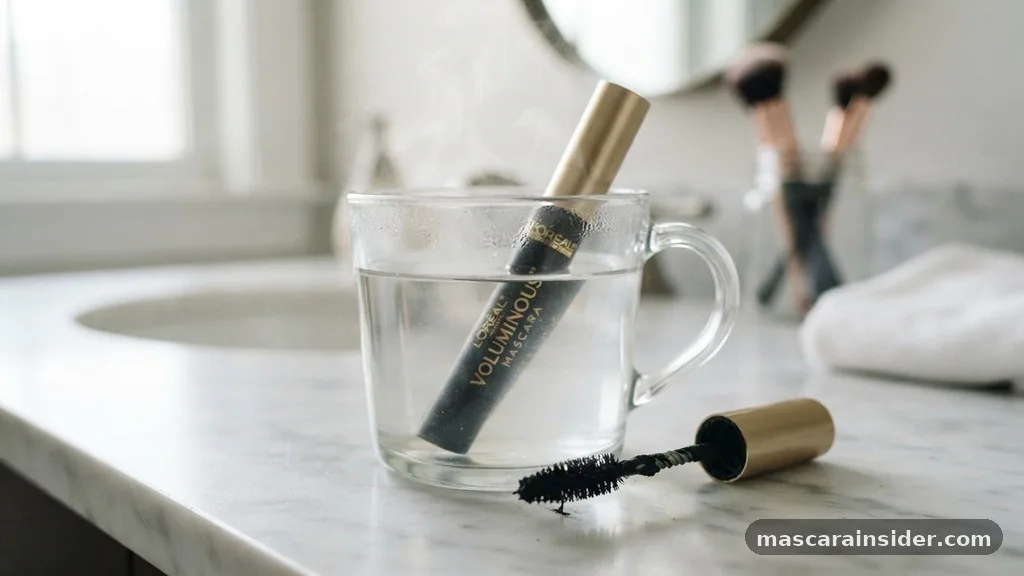
Discovering your favorite tube of mascara has turned into a clumpy, dry mess is a common beauty frustration. When the product begins to dry out, it loses its smooth consistency, making it difficult to achieve that desired clump-free application. Learning how to thin out mascara can help you salvage a product that still has plenty of life left, saving you money and preventing unnecessary waste.
By understanding the chemical properties of your makeup, you can restore its original texture safely and effectively. Whether you are dealing with a tube that is just starting to thicken or one that has become quite stiff, these simple methods will get your lash routine back on track in minutes.
Why Mascara Dries Out and Becomes Thick
Mascara formulations are complex emulsions designed to coat lashes evenly while remaining flexible. Over time, air exposure during daily use causes the volatile solvents in the formula to evaporate, which fundamentally alters the viscosity of the product. Every time you pull the wand out of the tube, you introduce a small amount of air, accelerating this drying process.
Beyond simple evaporation, the natural oils and debris from your lashes can transfer back into the tube. This accumulation can interact with the preservative system of the mascara, potentially shortening its shelf life.
If your mascara feels like it is dragging or pulling on your lashes, it is a clear sign that the internal moisture balance is off. Addressing this requires a gentle approach that rehydrates the formula without compromising its integrity or safety.
Safe Methods for Restoring Mascara Texture
Restoring your makeup doesn’t require expensive tools. Several household and beauty-staple items work wonders, provided you use them sparingly. The goal is to reintroduce just enough moisture to return the product to its intended state without diluting it to the point of running.
Using a Warm Water Bath
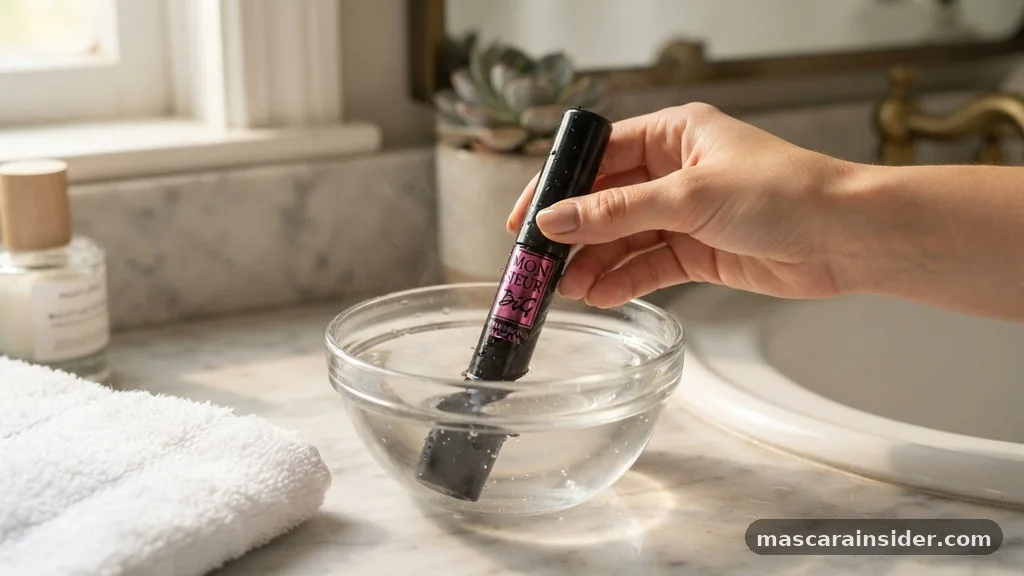
A warm water bath is often the safest and most effective way to loosen a dried-out formula. This method relies on gentle heat to soften the waxes and oils within the tube, allowing the product to liquefy slightly.
1. Fill a small cup or bowl with hot—not boiling—water.
2. Place the tightly closed mascara tube into the water.
3.
Allow it to sit for three to five minutes.
4. Remove the tube, dry it off, and roll it between your palms to distribute the heat evenly.
Applying Saline Solution or Eye Drops
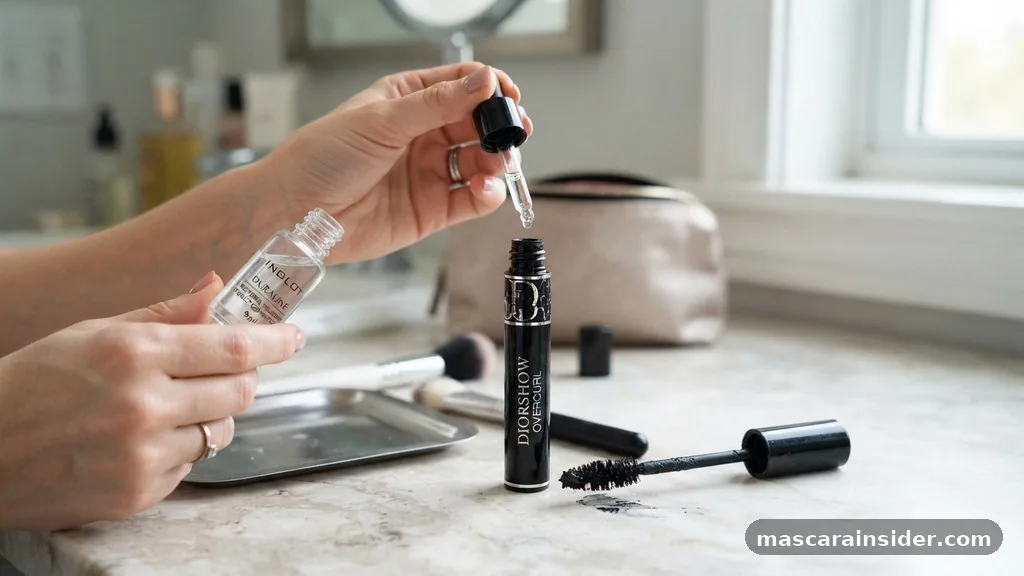
If heat alone isn’t enough, you can add a tiny amount of moisture directly to the tube. Saline solution or lubricating eye drops are ideal because they are designed to be safe for the delicate eye area. Avoid using tap water, as it may contain impurities or minerals that could negatively affect the formula.
* Add two to three drops of saline or eye drops into the mascara tube.
* Insert the spoolie and swirl it gently to incorporate the liquid.
* Avoid pumping the wand up and down, as this forces more air into the tube, which will cause it to dry out faster.
Comparing Methods for Thinning Mascara
Choosing the right approach depends on the severity of the dryness and the type of product you are using. The table below outlines how common additives interact with different formulas.
| Method | Best For | Effectiveness |
|---|---|---|
| Warm Water Bath | Mildly thickened mascara | High (Non-invasive) |
| Saline Solution | Dry, stiff formulas | Very High |
| Mascara Thinner | High-end or stubborn products | Professional Grade |
| Micellar Water | Emergency quick-fixes | Moderate |
Addressing Common Myths and Safety Concerns
There is a lot of misinformation regarding what you can add to your makeup. While some people swear by adding heavy oils or petroleum-based products, these can ruin the eyelash formula and lead to smudging or eye irritation. Stick to products that are ophthalmologist-tested.
Why You Should Avoid Harsh Additives
You might be tempted to use makeup remover or oils to thin your mascara, but this is generally a bad idea. Oil-based removers will break down the wax, turning your mascara into a runny mess that will likely slide off your lashes and cause raccoon eyes. Furthermore, adding foreign substances can disrupt the delicate preservative system designed to keep bacteria at bay. Always prioritize eye health over saving a few dollars. If your mascara smells strange, has changed color, or causes any irritation, it is time to discard it immediately regardless of how much product remains.
When to Replace Your Mascara
Even if you know how to thin out mascara perfectly, you must respect the expiration date. Most experts recommend replacing your mascara every three months. This timeframe ensures you aren’t applying old, contaminated product to your eyes. If you find yourself needing to thin your mascara every other day, it is a sign that the tube is simply too old or the airtight seal is compromised.
Topical Gaps: Managing Waterproof Mascara
A common challenge is knowing how to handle waterproof mascara when it starts to lose its fluidity. Because these products contain specific synthetic oils and waxes designed to repel water, adding traditional water-based solutions like saline or eye drops can cause the formula to clump or separate.
If your waterproof tube is drying out, the warm water bath is your best initial strategy. It softens the specialized resins without altering the chemical composition.
If you must add a liquid, look for a dedicated mascara thinner rather than a DIY solution. These thinners are formulated to work with the specific hydrophobic ingredients in waterproof makeup, ensuring that you maintain the smudge-proof and long-wearing benefits of the product while restoring its smooth application.
Tips for Maintaining Mascara Longevity
Preventing the need for thinning is the best strategy. Keep your mascara in a cool, dry place away from direct sunlight, which can cause the waxes to degrade. Always ensure the cap is screwed on tightly until it clicks.
* Wipe the excess product off the wand onto a tissue before application to prevent buildup at the tube’s opening.
* Clean the wand periodically with a gentle cleanser to remove dried clumps.
* Store your mascara in an upright position to prevent the liquid from settling into the cap.
* Keep your tubes in your vanity rather than a bathroom cabinet to avoid humidity fluctuations.
Conclusion
Learning the right techniques for thinning out your makeup allows you to maximize your investment and keep your beauty routine running smoothly. By relying on safe, compatible additives like saline or using the gentle heat of a warm water bath, you can revive a dry tube without risking eye irritation. Always keep a close eye on the condition of your product; if the smell or texture seems off, it is safer to replace it than to risk an infection.
By following these best practices, you ensure a clump-free application every time you reach for your favorite mascara. If you have questions about specific brands or ingredients, feel free to reach out and share your experiences with us.
FAQ
Is it safe to add eye drops to my mascara?
Yes, adding two to three drops of lubricating eye drops or saline is generally safe for refreshing mascara.
Can I use water to thin out my mascara?
Avoid using tap water, as it lacks preservatives and can introduce harmful bacteria into your makeup tube.
Does a warm water bath damage the mascara formula?
No, a short warm water bath safely softens the waxes without changing the chemical makeup of the product.
What is the best way to use a mascara thinner?
Follow the manufacturer’s instructions, typically adding one or two drops directly into the tube and stirring gently.
How often should I replace my mascara?
You should replace your mascara every three months to prevent bacterial growth and ensure consistent, safe product performance.
Why does my waterproof mascara get clumpy so fast?
Waterproof formulas contain volatile solvents that evaporate quickly; keeping the cap tightly sealed helps maintain its original texture.
Should I pump the wand to get more product out?
Never pump the wand, as this forces air into the tube, which causes the mascara to dry out faster.


