

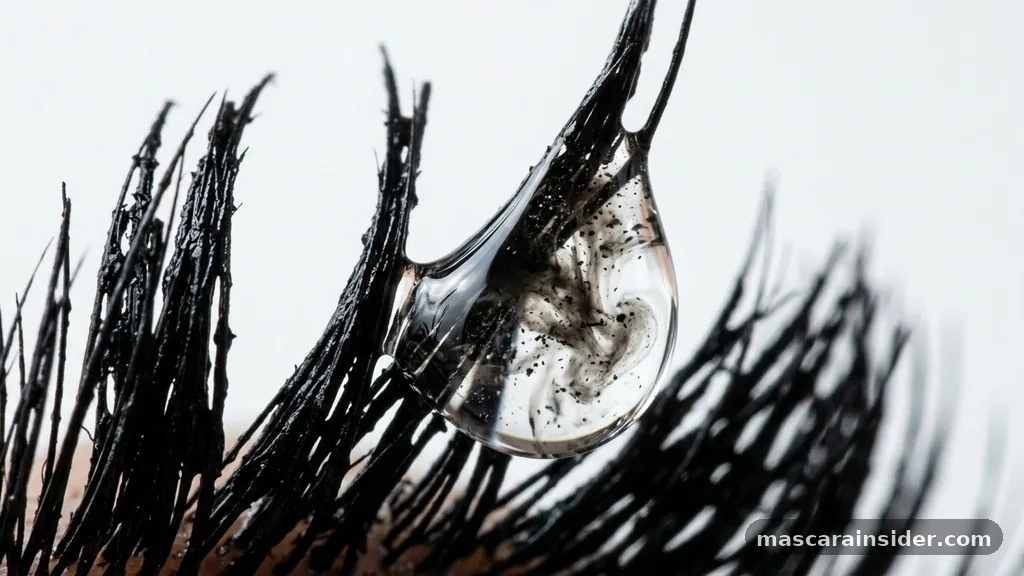
Struggling with stubborn eye makeup is a common frustration, especially when you are trying to figure out how to take waterproof mascara off without damaging your delicate lash line. Because these products are specifically engineered to resist moisture, humidity, and tears, they don’t simply rinse away with standard face wash or water.
If you pull or tug at your lashes, you risk breakage and irritation, which is why choosing the right solvent is essential for maintaining your natural beauty. By using the correct techniques and products, you can dissolve that tough formula in seconds, keeping your eyes healthy and completely free of any lingering residue.
The Science of Dissolving Waterproof Formulas
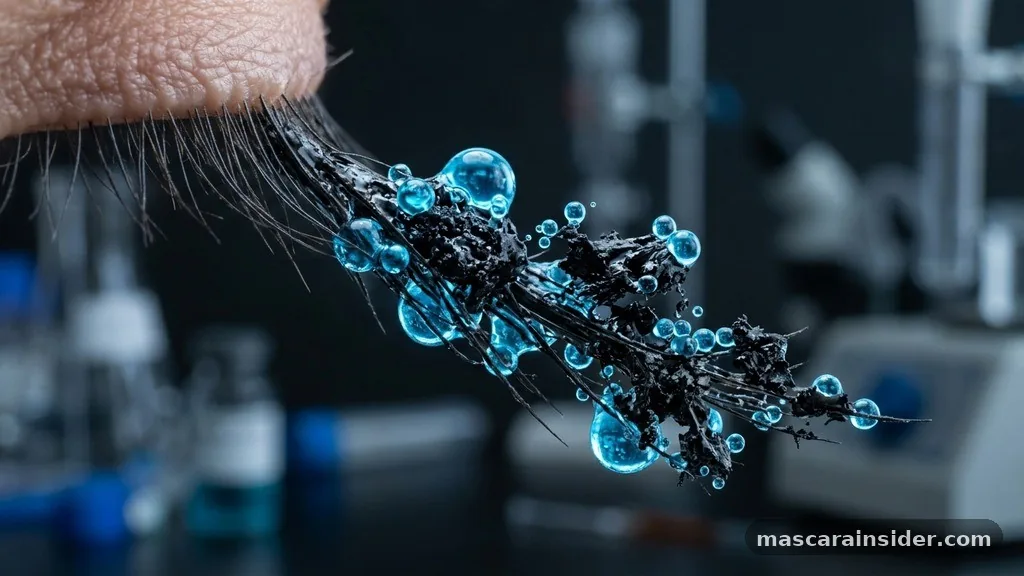
When you learn how to take waterproof mascara off, you are essentially learning how to break down a chemical bond. Most waterproof products rely on waxes and volatile silicones that repel water, meaning a water-based cleanser will simply slide right over the top without lifting the pigment.
To effectively remove these products, you need an emollient or a solvent that can penetrate the waxy coating and lift it away from the hair shaft. This is why oil-based products are universally recommended by professionals.
When you apply an oil-based cleanser, it works by softening the hard wax film that keeps your mascara in place. Once the film is softened, the pigment becomes suspended in the oil, allowing you to wipe it away without physical abrasion.
If you try to scrub your eyes with a foaming cleanser, you are likely just pushing the pigment deeper into the skin around your eyes. Understanding that you need to dissolve—not scrub—the product is the first step toward protecting your eyelash health.
Selecting the Right Cleansing Products
Not all removers are created equal, and your choice of product determines how much effort you actually need to exert. A biphase makeup remover is a top-tier choice for those who want a quick, clean finish.
These formulas consist of two layers: an oil phase to dissolve the wax and a water phase to refresh the skin. When you shake the bottle, the two phases combine to create a powerful solution that cuts through even the most stubborn lash coatings.
If you prefer a more luxurious experience, a cleansing balm is an excellent alternative. These solids melt into a silky oil upon contact with your body heat, making them incredibly effective at breaking down makeup while remaining gentle on the skin.
For those who prefer a minimalist approach, micellar water can work, provided it is specifically labeled for waterproof makeup. These versions often contain a small amount of oil suspended within the micelles to help pull the product away from the lash base.
- Biphase removers: Best for speed and heavy-duty, long-wear formulas.
- Cleansing balms: Ideal for dry skin types and those who enjoy a massage-like application.
- Micellar water: Great for sensitive skin, but ensure the bottle specifies waterproof compatibility.
- Oil cleansers: The gold standard for the double-cleansing method.
The Step-by-Step Oil Cleansing Method
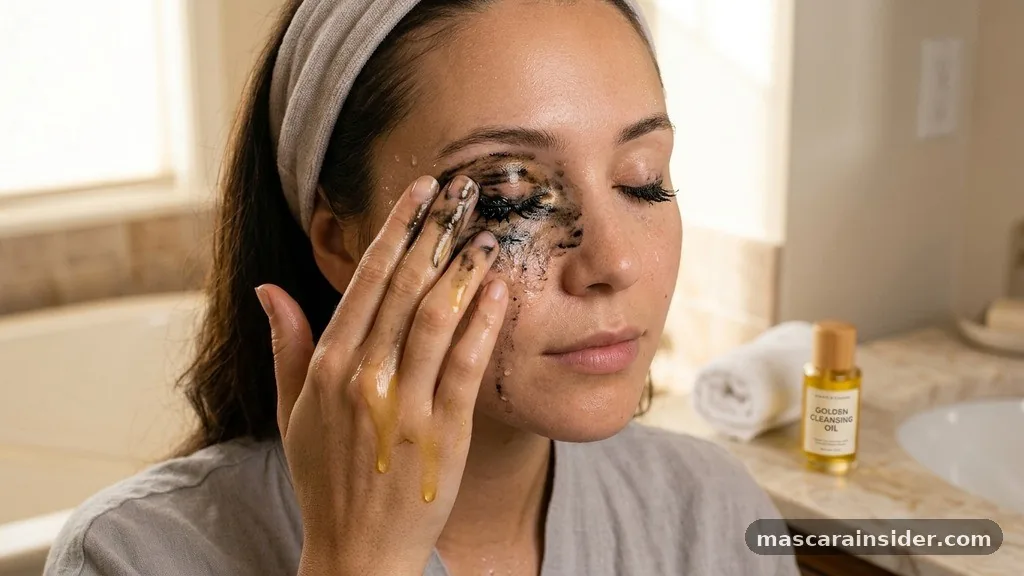
To master the process of taking off waterproof mascara, you should adopt the oil cleansing method. This technique is widely considered the safest way to remove eye makeup because it eliminates the need for gentle rubbing, which is the primary cause of lash loss. Start by ensuring your face is dry, as applying oil to a wet face can dilute the product and make it less effective.
Apply a small amount of your chosen oil-based cleanser or balm onto your fingertips. Gently close your eyes and massage the product directly into your lashes, moving in a downward motion rather than side-to-side. This downward stroke helps the product slide off the lash rather than getting tangled in the hair.
Let the oil sit for about thirty seconds; this dwell time is crucial for the solvent to do its work. Afterward, use a damp, warm cotton pad to wipe away the dissolved mascara. If you notice any residue left behind, repeat the process with a clean portion of the pad rather than pressing harder.
| Cleansing Method | Best For | Application Time |
|---|---|---|
| Oil-Based Cleanser | All skin types | 30-60 Seconds |
| Biphase Remover | Heavy makeup | 15-30 Seconds |
| Cleansing Balm | Dry/Sensitive skin | 45-60 Seconds |
Addressing Topical Gaps and Common Mistakes
Many people struggle with their removal routine because they are using the wrong tools or rushing the process. A common gap in knowledge is the relationship between eyelash extensions and waterproof formulas.
If you have extensions, you should avoid waterproof mascara entirely, as the oil-based removers required to dissolve it will also break down the adhesive holding your extensions in place. Stick to water-soluble mascaras if you want to keep your extensions intact.
Another frequent issue is eye irritation caused by the ingredients in the remover itself. If you have particularly sensitive eyes, look for fragrance-free options or simple oils like jojoba oil. Jojoba closely mimics the natural oils produced by your skin, making it a highly effective and safe way to melt away stubborn mascara without causing stinging or redness.
If you feel like your mascara simply isn’t coming off, you are likely not using enough product or not giving the oil enough time to interact with the wax. Patience is truly the most important component of an effective removal routine.
Conclusion
Successfully learning how to take waterproof mascara off is more about the technique than the price of your beauty products. By prioritizing oil-based solvents and allowing them time to break down the wax, you ensure that your natural lashes remain strong and healthy. Avoiding the temptation to scrub or tug is vital, as the skin around your eyes is the thinnest on your body and prone to premature aging from physical friction.
Always follow up with a gentle cleanser to ensure no oily film is left behind, which can sometimes clog pores near the lash line. Incorporating these simple, effective habits into your nighttime routine will make the process feel like a relaxing ritual rather than a chore. If you have questions about your specific skin type or product compatibility, feel free to reach out for more personalized advice.
Does Vaseline take off waterproof mascara?
Yes, it works well as a solvent, but it can be heavy and difficult to rinse off completely.
Why isn’t my waterproof mascara coming off?
You are likely using a water-based cleanser or not letting the oil sit on your lashes long enough.
What can I use instead of waterproof mascara remover?
Jojoba oil, almond oil, or any high-quality cleansing balm will dissolve waterproof formulas effectively and safely.
Is waterproof mascara harder to remove?
Yes, it is formulated with waxes and silicones specifically designed to resist water, requiring oil-based solvents.
Can I use coconut oil for eye makeup?
You can, but it is comedogenic and may clog pores for those prone to breakouts around the eyes.
How do I prevent lash loss during removal?
Avoid pulling or rubbing; use a saturated cotton pad to gently lift the mascara away from lashes.
Should I double cleanse after removing waterproof mascara?
Yes, a second cleanse ensures all traces of oil and makeup are removed from your pores and skin.


