

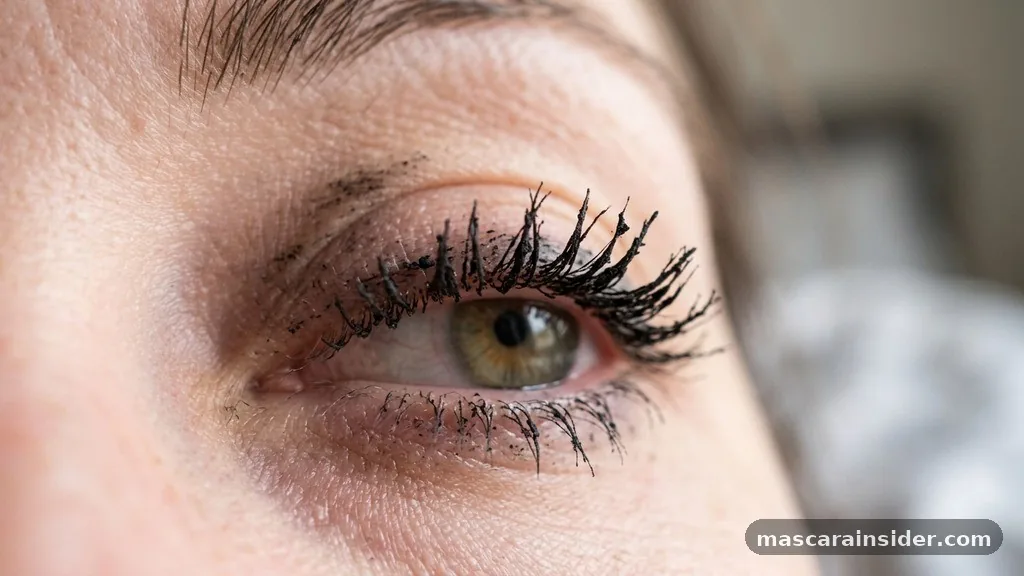
We have all been there after a long, exhausting evening where the only thing on our mind is crawling into bed. You might find yourself wondering if you really need to scrub your face or if you can simply sleep with mascara on for just one night. While skipping your skincare routine occasionally feels harmless, your eyes are incredibly sensitive organs that require dedicated care.
Leaving cosmetic products on overnight can lead to more than just a messy pillowcase; it can impact your long-term ocular health in ways you might not expect. Understanding the risks involved will help you decide whether that extra five minutes of cleansing is truly worth it.
The Impact on Eyelash Health
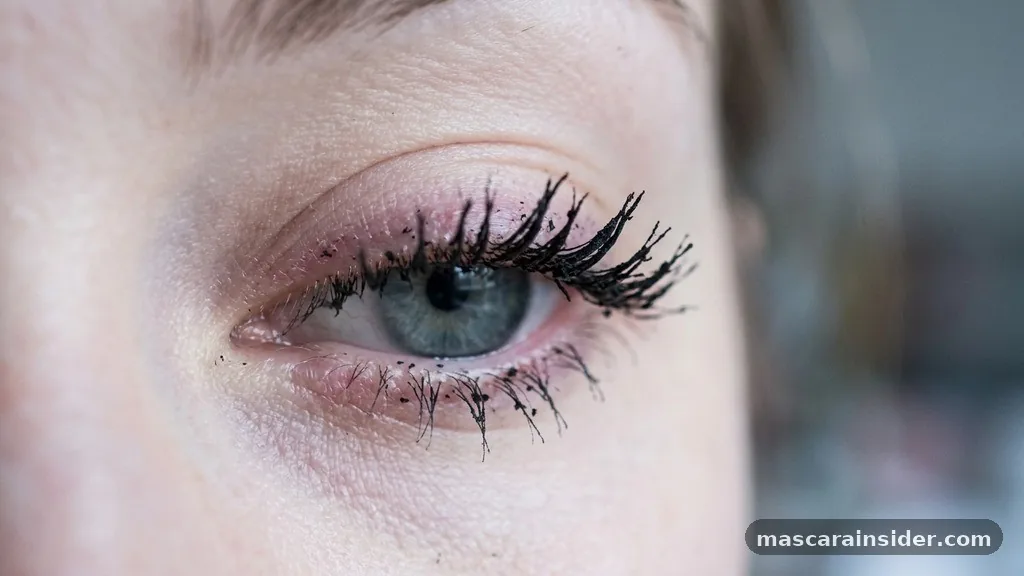
When you leave mascara on overnight, you are essentially coating your natural lashes in a stiff, drying substance that prevents them from moving or shedding naturally. Eyelashes serve a vital biological purpose, acting as a physical barrier that helps in filtering out dust, debris, and other airborne irritants that would otherwise land directly on your eyeball. Throughout the day, these tiny hairs collect environmental particles, and by the end of the day, your lashes are often weighed down by a combination of cosmetic pigments and environmental pollutants.
When you fail to remove these products before sleep, your lashes become brittle and prone to breakage. Mascara formulas often contain polymers and waxes that harden as they dry. If you rub your eyes against a pillow while wearing this hardened shell, you create mechanical friction that can snap your lashes at the root.
Over time, this cumulative damage leads to thinning lashes, which compromises your eye’s natural protection system. Healthy lashes need to be clean and supple to remain flexible; once they lose that elasticity, they are far more likely to fall out prematurely, leaving your eyes more vulnerable to the elements during the day.
Risks to Ocular Hygiene
The most significant danger of sleeping with makeup on involves the delicate environment of the eyelid margin and the conjunctiva. Your eyelids are home to tiny glands called meibomian glands, which produce the oil necessary to keep your tear film stable.
When you leave residue on your lashes, these glands can become blocked, leading to chronic irritation. This neglect is a common precursor to blepharitis, an inflammatory condition that causes itchy, red, and swollen eyelids.
Furthermore, the chemicals found in standard cosmetic formulas are not designed to remain on your skin for eight hours of sleep. As you move during the night, small flakes of dried mascara can migrate into the eye itself. This foreign material causes significant irritation, often resulting in watery eyes upon waking or a gritty, uncomfortable sensation that persists throughout the morning.
In severe cases, this accumulation of debris and bacteria can trigger conjunctivitis, commonly known as pink eye. The eye is a self-cleaning organ, but it struggles to flush out viscous, oil-based cosmetic pigments that have been pressed into the lash line by a pillowcase.
Addressing Common Misconceptions
Many people assume that because they use “high-end” or “natural” products, the rules regarding nightly hygiene do not apply to them. Unfortunately, the chemical composition of mascara—regardless of price point—is intended for daytime wear and removal.
A common myth suggests that sleeping in mascara helps lashes grow longer, but there is no scientific evidence to support this. In fact, the opposite is true; the weight and stiffness of the product actively hinder the growth cycle.
Another misconception is that it is acceptable to sleep in mascara if you are just taking a short nap. Even a brief period of sleep can allow flakes to enter the eye or cause you to inadvertently rub your eyes, causing damage. To provide a clearer picture of why removal is essential, consider the table below which highlights the difference between clean and uncleaned lashes.
| Factor | Clean Lashes | Uncleaned Lashes |
|---|---|---|
| Flexibility | High (natural movement) | Low (stiff and brittle) |
| Gland Health | Clear and functional | Risk of blockage/styes |
| Debris Accumulation | Minimal | High (traps dust and bacteria) |
Best Practices for Nightly Removal
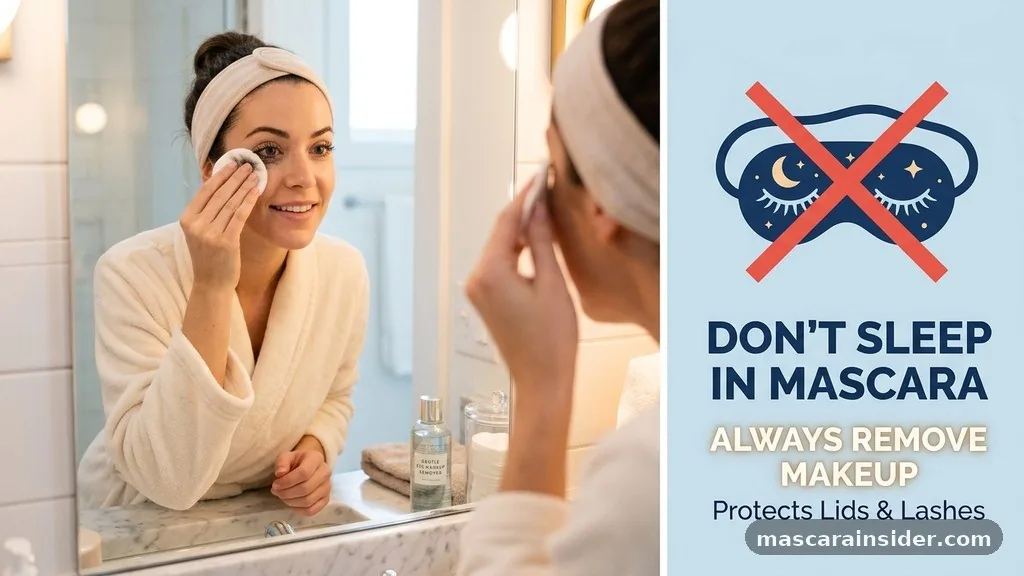
If you want to maintain healthy eyes and long, luscious lashes, you must establish a consistent routine that prioritizes thorough cleansing. It is not enough to simply splash water on your face, as mascara is specifically formulated to be water-resistant or waterproof. Instead, you should choose the right makeup remover that can break down these stubborn pigments without requiring excessive scrubbing.
* Prioritize gentle cleansing by using a dedicated eye makeup remover or a dual-phase micellar water.
* Avoid using standard facial wipes, as they are often too abrasive for the thin skin around the eyes and can drag makeup into the lash follicles.
* If you wear waterproof mascara, prioritize an oil-based cleanser or a cleansing balm, which dissolves the wax-based ingredients effectively.
* Apply your chosen product to a cotton pad and hold it against your closed eyelid for ten seconds to let it soften the product.
* Use a gentle fluid motion to wipe downward, following the natural direction of your lashes, rather than rubbing back and forth.
By following these simple steps, you ensure that your follicles remain clear and your eyelids stay free from inflammation. Consistency is the secret to healthy eyes, and taking these few minutes every night will pay dividends in your long-term aesthetic and physical well-being. If you find yourself consistently exhausted, keep a bottle of micellar water and a pack of reusable cotton rounds on your nightstand to make the process as easy as possible.
Conclusion
Taking the time to remove your eye makeup is a fundamental aspect of maintaining both your appearance and your health. While you might occasionally wonder if you can sleep with mascara on without consequence, the cumulative effects of blocked glands, lash breakage, and potential infections make it a habit you should avoid. By prioritizing a gentle, consistent cleansing routine, you protect your vision and ensure your eyelashes remain strong and healthy.
If you have been struggling with irritation, try switching to a gentler cleanser and see how your eyes feel after just a few days of proper care. Your eyes work hard for you all day; the least you can do is give them a clean, fresh start every single night.
Is it ever okay to sleep with mascara on?
No, it is never recommended as it increases the risk of eye infections and lash breakage.
What happens if I forget to remove mascara once?
One night is unlikely to cause permanent damage, but you may experience redness, irritation, or clogged pores.
Does mascara cause eyelashes to fall out?
Yes, if left on overnight, the product hardens and causes mechanical friction that leads to premature lash loss.
Can sleeping in mascara lead to pink eye?
Yes, trapping bacteria and debris against the eye surface significantly increases your risk of developing conjunctivitis.
What is the best way to remove stubborn mascara?
Use an oil-based cleanser or a dedicated makeup remover to dissolve the pigments before gently wiping them away.
Why should I avoid using makeup wipes?
They are often abrasive and may not fully remove stubborn mascara, leading to residue buildup in the lash line.
Can mascara block oil glands in the eyelid?
Yes, residual makeup can block meibomian glands, potentially leading to styes or chronic eyelid inflammation like blepharitis.


