

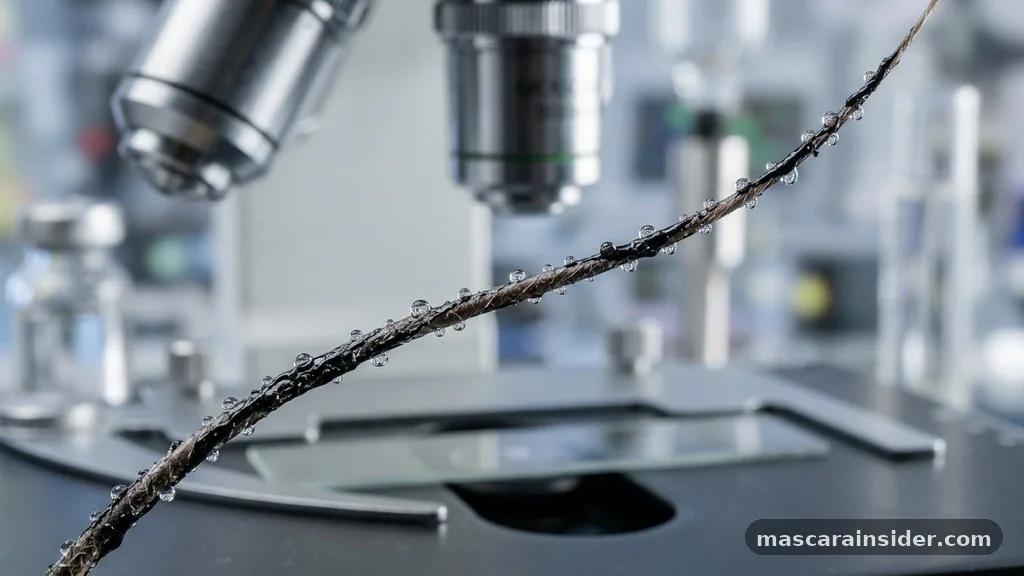
Learning how to take off waterproof mascara without damaging your delicate lashes is a skill every makeup wearer needs. Because these formulas are designed to resist water, sweat, and humidity, they often cling stubbornly to the hair follicles, leading to breakage if you try to scrub them away.
By understanding the chemical bond created by the waterproof polymer in your mascara, you can choose the right solvent to dissolve the product gently. This process prioritizes your eyelash health while ensuring you don’t wake up with raccoon eyes or suffer from unnecessary ocular irritation caused by harsh rubbing or tugging at the sensitive skin around your eyes.
Understanding the Chemistry of Waterproof Mascara
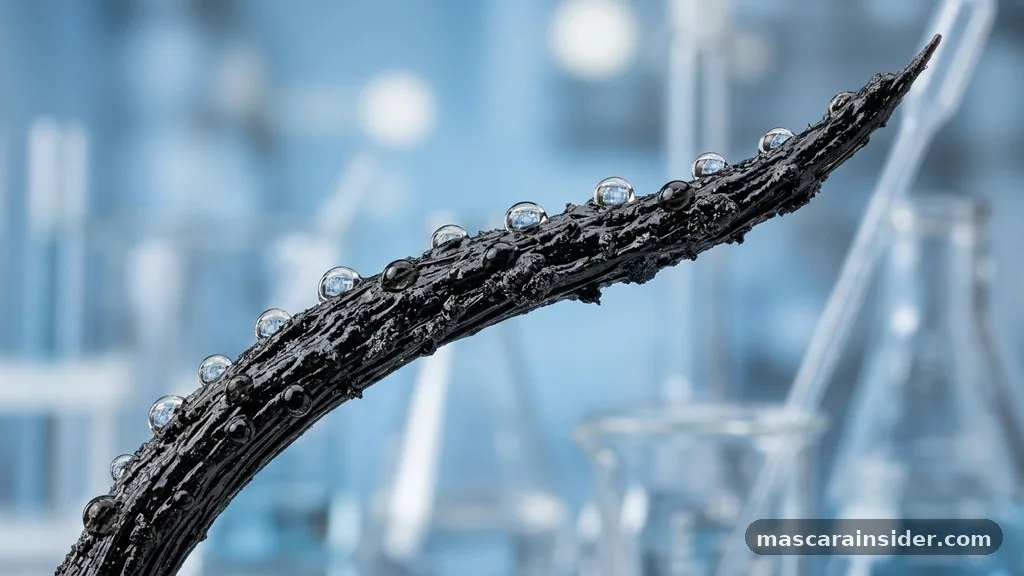
Waterproof mascara contains specialized waxes and silicone-based polymers that create a film around each lash. These components are specifically engineered to be hydrophobic, meaning they repel water rather than dissolving in it.
Because water alone cannot break down these bonds, using standard soap or a damp cloth is usually ineffective and potentially damaging. If you rely on scrubbing, you are likely pulling on your lashes, which can lead to premature eyelash shedding and weakened follicles over time.
To effectively remove these stubborn formulas, you need a makeup solvent that can penetrate the hydrophobic layer. Oil-based substances are the gold standard here because they soften the polymers, allowing the mascara to slide off the lash surface without resistance.
When you apply the correct product, the mascara essentially melts, turning into a liquid state that wipes away easily. This chemical interaction is the secret to maintaining full, healthy lashes while still enjoying the long-wear benefits of your favorite waterproof products.
The Efficacy of Oil-Based Cleansers
An oil-based cleanser is often the most efficient tool for removing high-performance eye makeup. Oils have a natural affinity for the ingredients in waterproof mascara, breaking down the waxes and polymers in seconds.
By massaging a small amount of oil onto your dry lashes, you emulsify the product before you ever introduce water. This method is far superior to using a foaming cleanser, which can leave a film behind or irritate the eyes if not rinsed perfectly.
When selecting an oil cleanser, look for formulations that are ophthalmologist-tested. You want a product that rinses clean without leaving a cloudy haze over your vision.
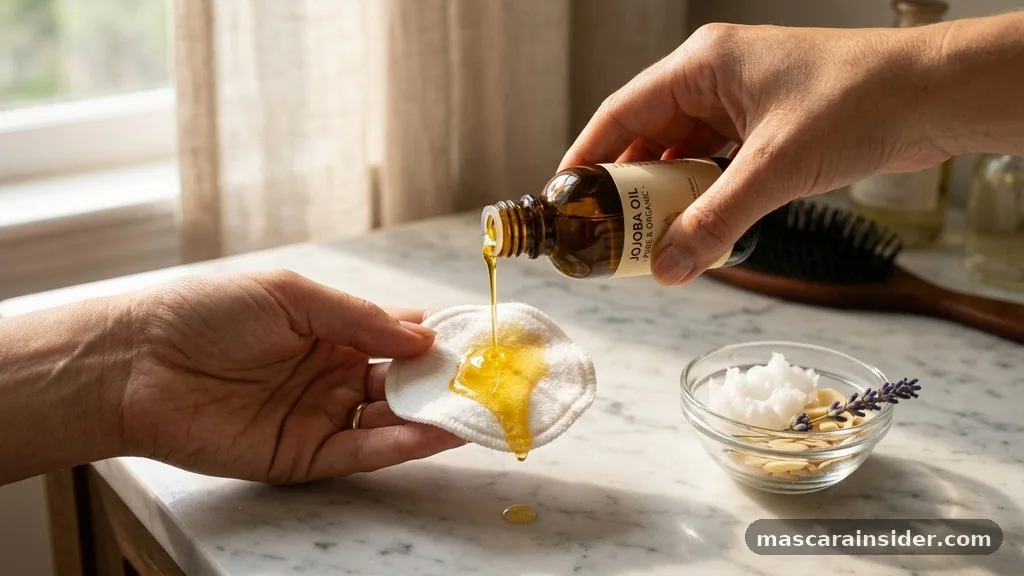
If you prefer natural alternatives, jojoba oil or almond oil are excellent choices for their ability to dissolve makeup while providing a conditioning effect to the lashes. These oils mimic the skin’s natural sebum, making them less likely to cause breakouts or clogs in the pores around the eye area.
Utilizing Biphase Makeup Removers
A biphase makeup remover is specifically designed for long-wear and waterproof products. These bottles contain two distinct layers: an oil phase to dissolve the pigments and waxes, and a water phase to refresh and clean the skin. You must shake the bottle before each use to combine these liquids, creating a temporary mixture that is potent enough to lift heavy mascara yet gentle enough for the eye contour.
To use this effectively, soak a cotton pad in the solution and press it against your closed eyelid for thirty seconds. This “soak time” is crucial; it gives the ingredients time to work their magic. Once the time is up, gently swipe downward.
You will notice the mascara transferring onto the pad rather than smearing across your skin. This technique minimizes the amount of gentle friction required, which is the most important factor in preventing lash loss and skin sagging.
The Role of Cleansing Balms in Your Routine
A cleansing balm provides a luxurious and highly effective way to remove waterproof mascara. These solid formulas melt into a silky oil as soon as they touch the warmth of your skin. Because they are thick and emollient, they are less likely to drip into your eyes compared to liquid oils, making them a favorite for those who wear contact lenses or have sensitive eyes.
To incorporate a balm into your routine, scoop a pea-sized amount and massage it directly over your lashes using your fingertips. As you work the balm in, you will feel the mascara loosening. Once the product is fully broken down, add a splash of warm water.
This turns the balm into a milky consistency that washes away effortlessly. Many users find that this dual-action approach—melting then emulsifying—is the most reliable way to ensure every trace of mascara is removed before moving on to a second cleanser.
Addressing Topical Gaps: Natural Alternatives and DIY Approaches
Many users search for ways to remove stubborn mascara using items found in their medicine cabinet. While petroleum jelly is a popular, cost-effective option, it is important to understand its limitations.
It is highly effective at breaking down waterproof formulas, but it is extremely thick and can be difficult to rinse off completely. If you choose to use it, ensure you follow up with a thorough facial cleanse to prevent potential pore congestion.
Another common question involves using micellar water. Standard micellar water is often not strong enough to remove waterproof mascara on its own. However, if you have a biphase version—which includes an oil component—it works perfectly.
If you are stuck without a specialized product, using a clean spoolie brush dipped in a high-quality carrier oil can help target the lashes directly. Avoid using harsh household items like baby shampoo or alcohol-based toners, as these can strip the delicate skin of its moisture barrier and cause significant irritation.
| Method | Best For | Key Benefit |
|---|---|---|
| Biphase Remover | Rapid removal | Dissolves polymers instantly |
| Cleansing Balm | Sensitive skin | Non-drip, deep cleaning |
| Jojoba Oil | Natural enthusiasts | Conditions lashes while cleaning |
| Micellar Water | Light makeup | Refreshing, no greasy residue |
Step-by-Step Removal Technique for Lash Longevity
Proper technique is just as important as the product you choose. If you find yourself pulling or rubbing, stop immediately. Instead, follow these steps to ensure you are protecting your lashes:
- Start with dry skin: Applying oil or balm to a wet face dilutes the product and makes it less effective at breaking down the waterproof bond.
- The 30-second press: Hold your saturated cotton pad or fingertips against your lashes for at least half a minute to allow the solvent to penetrate.
- Downward motion: Always swipe in the direction of lash growth, from the root to the tip, to prevent tangling or breaking the hair.
- Double cleanse: Always follow your eye makeup removal with a gentle foaming cleanser to remove any remaining oily residue from the eye area.
- Pat dry: Use a clean, soft towel to pat your skin dry; never rub the delicate eye area with a rough cloth.
Common Mistakes That Lead to Eyelash Damage
Many people inadvertently damage their lashes through simple, avoidable mistakes. The most frequent error is using a regular makeup wipe.
These wipes are often too abrasive and require significant rubbing to remove waterproof mascara, which is the primary cause of mechanical lash loss. Furthermore, many wipes contain alcohol or fragrances that can cause ocular irritation or contact dermatitis over time.
Another mistake is failing to cleanse the roots of the lashes. Mascara buildup at the base of the lash line can clog the oil glands, potentially leading to styes or blepharitis.
Even if you are tired, you must ensure that the area where the lash meets the eyelid is completely clean. If you find that your lashes are becoming brittle or thin, consider adding a lash conditioning serum to your nighttime routine to help repair the cuticle after the stress of waterproof mascara removal.
Selecting the Best Products for Your Skin Type
When you shop for a makeup remover, consider your skin’s unique needs. If you have oily or acne-prone skin, look for “non-comedogenic” oil cleansers or balms.
These are formulated to rinse away completely, leaving no film behind that could clog your pores. Conversely, if you have dry or mature skin, look for formulas that include nourishing ingredients like vitamin E or squalane.
Your choice of tool matters as well. While cotton pads are convenient, they can be wasteful and sometimes leave behind tiny fibers that irritate the eye. Consider using a reusable microfiber makeup removal cloth.
These cloths are designed to grab onto makeup particles with water alone, though they work best when paired with an oil cleanser for waterproof formulas. They are gentler on the skin and much better for the environment in the long run.
Conclusion and Best Practices
Effectively removing waterproof mascara is a vital step in maintaining the health and beauty of your eyes. By choosing the right solvent, such as an oil-based cleanser or a biphase remover, you can dissolve the waterproof polymer without resorting to harsh scrubbing. Remember that patience is your best tool; giving the product time to break down the mascara ensures a seamless transition from a long-wear look to a clean, refreshed face.
Prioritizing gentle friction and consistent, thorough cleansing will protect your lashes from breakage and keep your eye area free from irritation. If you have been struggling with stubborn residue, try incorporating a cleansing balm or a high-quality oil into your nightly routine tonight. Your lashes will certainly thank you for the extra care and attention you provide them each day.
Does Vaseline take off waterproof mascara?
Yes, petroleum jelly effectively breaks down waterproof mascara, though it can be difficult to rinse off completely.
How can I remove waterproof mascara without specialized remover?
You can use natural oils like jojoba or almond oil to gently dissolve the mascara’s waterproof polymers.
Is it bad to leave waterproof mascara on overnight?
Yes, it can cause lash breakage, clog hair follicles, and lead to significant eye irritation or infections.
What is the gentlest way to remove stubborn mascara?
The gentlest method is using a cleansing balm or biphase remover with a long, slow press-and-swipe motion.
Do I need a double cleanse for eye makeup?
Yes, using an oil-based cleanser followed by a water-based cleanser ensures all residue is removed safely.
Can I use micellar water for waterproof formulas?
Only if the micellar water is a biphase formula specifically designed to handle waterproof and long-wear makeup.
Why do my lashes fall out when I remove mascara?
Lash loss usually happens due to excessive rubbing or using products that don’t effectively dissolve the mascara bond.


