

Learning how to wash off mascara properly is a fundamental skill for maintaining healthy skin and preventing irritation around your eyes. Many of us treat mascara removal as an afterthought, yet the delicate skin surrounding your orbital bone requires a gentle touch to avoid long-term damage.
Whether you are dealing with stubborn, long-wear formulas or everyday pigments, the techniques you choose directly influence the longevity and health of your eyelashes. By adopting a systematic approach, you can ensure that every trace of pigment is removed without tugging at the skin or compromising the structural integrity of your lashes.
Choosing the Right Cleansing Product
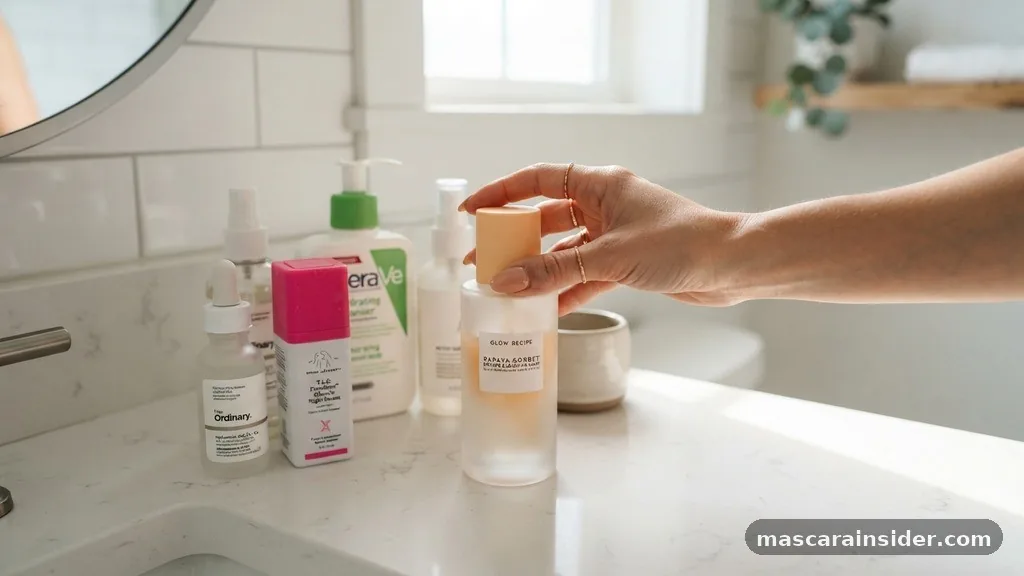
The efficacy of your removal process starts with selecting the correct solvent for your specific mascara type. If you regularly use waterproof mascara, water alone will not suffice, as these formulas are specifically engineered to repel moisture.
Instead, you need an oil-based cleanser or a dedicated dual-phase remover to break down the wax and polymer bonds. These substances work by dissolving the pigments, allowing them to slide off the hair shaft rather than requiring physical friction.
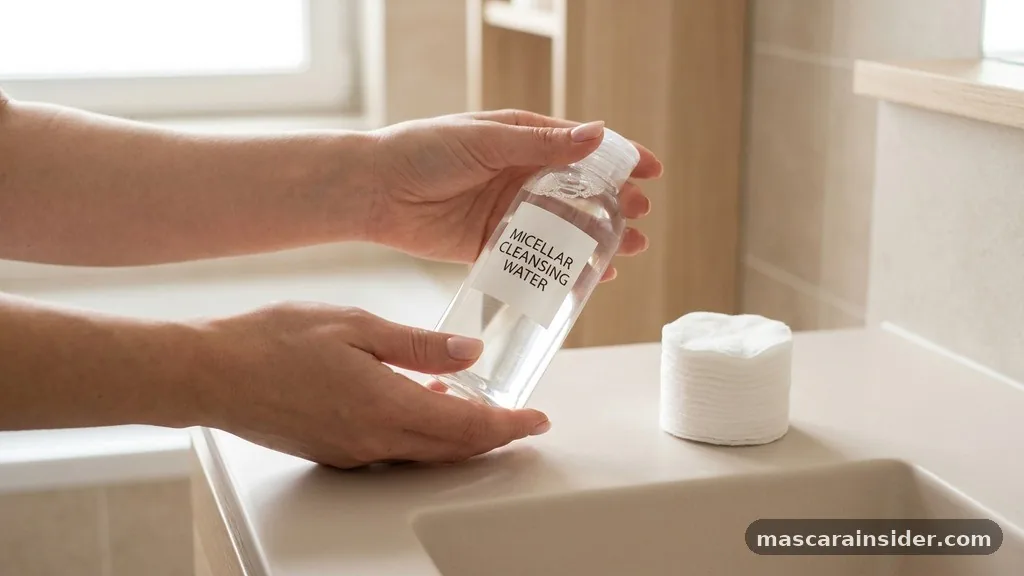
For those who prefer a simpler routine, micellar water serves as a versatile middle ground. It uses micelles—tiny oil molecules suspended in soft water—to attract dirt and makeup like a magnet.
When you soak a cotton pad in micellar water and press it against your lid, you allow the product to penetrate the layers of mascara before gently wiping. This method is generally safer for ocular health because it minimizes the need for aggressive scrubbing, which is the primary cause of premature wrinkles and eyelash breakage.
Comparing Common Makeup Removal Options
| Product Type | Best For | Key Benefit |
|---|---|---|
| Oil-based Cleanser | Waterproof formulas | Dissolves stubborn polymers |
| Micellar Water | Daily wear mascara | Gentle, no-rinse formula |
| Cleansing Balm | Heavy makeup | Melts makeup on contact |
| Oil-free Remover | Sensitive eyes | Leaves no oily residue |
The Gentle Technique for Lash Preservation
The most common mistake people make when learning how to wash off mascara is applying too much downward pressure. Your lash follicles are incredibly sensitive, and constant tugging can lead to thinning or even permanent loss of lashes over time.
Instead, saturate a cotton round with your chosen cleanser and hold it against your closed eyelid for at least thirty seconds. This “soaking” period is critical because it softens the mascara, turning the hard, set pigment into a pliable substance that lifts away with ease.
Once the mascara has loosened, use a slow, sweeping motion from the base of the lashes toward the tips. Avoid rubbing back and forth, as this motion can tangle lashes and cause them to break.
If you notice remaining clumps of pigment, repeat the soaking process with a fresh portion of the pad rather than increasing the pressure of your wipe. This patient approach is the secret to maintaining full, healthy lashes throughout the years, ensuring you don’t accidentally pull out healthy hairs during your nightly routine.
Mastering the Double Cleansing Method

Double cleansing has become a gold standard in skincare for good reason, especially when it comes to removing heavy eye makeup. By using an oil-based product first, you effectively lift the waterproof or long-wear mascara from the lashes and skin.
The oil acts as a solvent, grabbing onto the lipids in your makeup that water-based cleansers simply cannot touch. Once the initial layer of mascara is dissolved, you should follow up with a water-based facial cleanser.
This second step is vital because it removes any residual oil or debris that might be left behind on your eyelids. If you leave oil-based residue on the skin, it can potentially clog pores or lead to eyelid inflammation if the product is not formulated for the delicate eye area.
Using a gentle, foaming, or gel cleanser ensures that your skin is truly clean and ready for your nighttime serums or moisturizers. This two-part system is particularly helpful for those who use heavy mascara, as it guarantees that no pigment is left to settle into the lash line overnight.
Addressing Common Removal Challenges
Many people struggle with tubing mascara, which requires a completely different removal technique compared to traditional waxes. Tubing formulas create tiny polymer “tubes” around each lash that only slide off when exposed to warm water.
You do not need harsh chemicals or heavy oils for these; simply warm your fingers or a washcloth and press gently against the lashes. The tubes will slide off in one piece, which is why they are often favored by people with sensitive eyes who want to avoid the mess of smudged pigment.
Conversely, if you are working with natural alternatives like coconut oil, be aware that while it is effective at breaking down makeup, it can be comedogenic for some skin types. If you find your eyes feel cloudy after using oil, it usually means the oil has migrated into the eye itself. Always ensure you are using a high-quality, cold-pressed oil and follow up with a thorough rinse.
For those who rely on makeup wipes, try to limit their use to travel situations. Wipes often contain preservatives that can cause irritation, and the friction required to use them properly is often higher than that of a liquid cleanser, increasing the risk of mechanical damage to the delicate skin around your eyes.
Top Tips for Protecting Eyelash Health
* Always replace your mascara every three months to prevent bacterial buildup and eye infections.
* Never sleep in your makeup, as it can cause the lashes to become brittle and prone to breakage.
* Use a clean, soft cloth if you prefer not to use disposable cotton rounds to reduce waste.
* Invest in a high-quality eye cream to hydrate the area after you finish cleansing.
* Avoid pulling on your lashes; if the mascara doesn’t come off, apply more solvent and wait longer.
Frequently Asked Questions
Can I use soap and water to wash off mascara?
Using harsh facial soap can strip natural oils from your eyelids, leading to dryness and irritation.
Is it bad to leave mascara on overnight?
Yes, sleeping in mascara can cause lashes to become brittle, break, and lead to potential eye infections.
How do I remove waterproof mascara without an oil-based remover?
You can use a small amount of cold-pressed oil, like coconut or jojoba, to gently dissolve the formula.
What is the best way to remove tubing mascara?
Simply use warm water and gentle pressure; the tubes will slide off your lashes without smudging everywhere.
Does rubbing my eyes during removal cause wrinkles?
Frequent tugging and rubbing of the delicate eye area can indeed contribute to fine lines and sagging.
What should I do if I get cleanser in my eyes?
Rinse your eyes immediately with lukewarm water or a sterile saline solution to flush out the irritant.
Why do my eyes feel oily after removing makeup?
This usually happens when using oil-based cleansers; a second cleanse with a water-based face wash fixes this.
Maintaining Your Eye Health
Learning how to wash off mascara is about more than just aesthetics; it is a vital part of your overall ocular health. By prioritizing gentle techniques and choosing products that suit your specific formula, you protect the delicate skin around your eyes and ensure your lashes remain strong. Whether you are using a simple micellar water or a more robust double-cleansing routine, the goal is always to minimize friction and maximize cleanliness.
Take the time each night to clear away the day’s makeup, and your eyes will thank you with a refreshed, healthy appearance every single morning. If you have been struggling with irritation or breakage, try switching to a gentler removal method this week and notice the difference in your lash health.


