

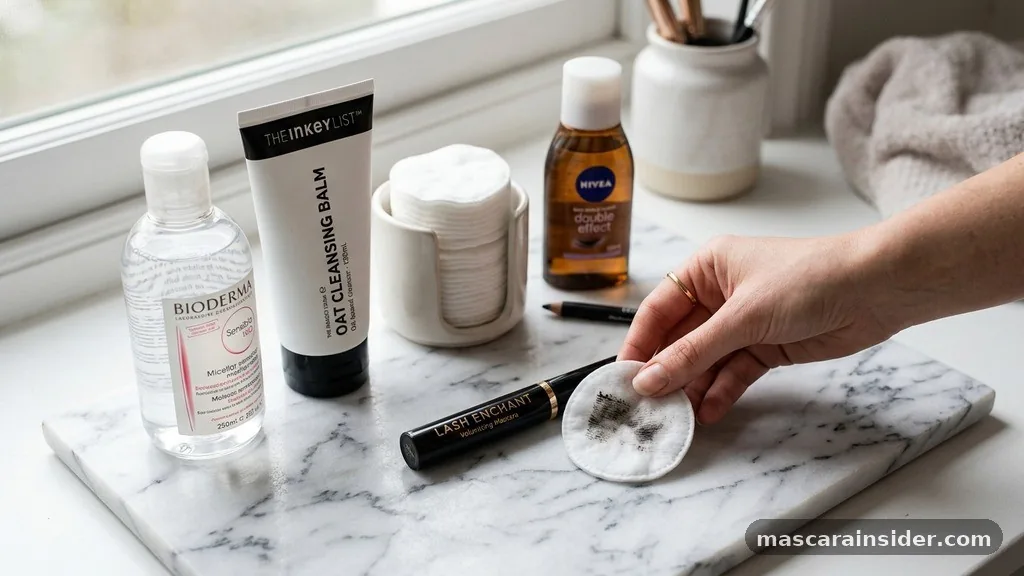
Removing mascara at the end of the day is a non-negotiable step for maintaining long-term eye health. Leaving stubborn product on your lashes leads to irritation, potential infections, and brittle hairs that are prone to snapping.
Mastering how to take mascara off properly preserves the delicate skin around your eyes and keeps your natural lashes looking full and healthy. Whether you prefer a quick wipe or a thorough double cleanse, using the right technique prevents unnecessary tugging and ensures you wake up without dark smudges under your eyes.
Selecting the Right Cleansing Method for Your Mascara Type
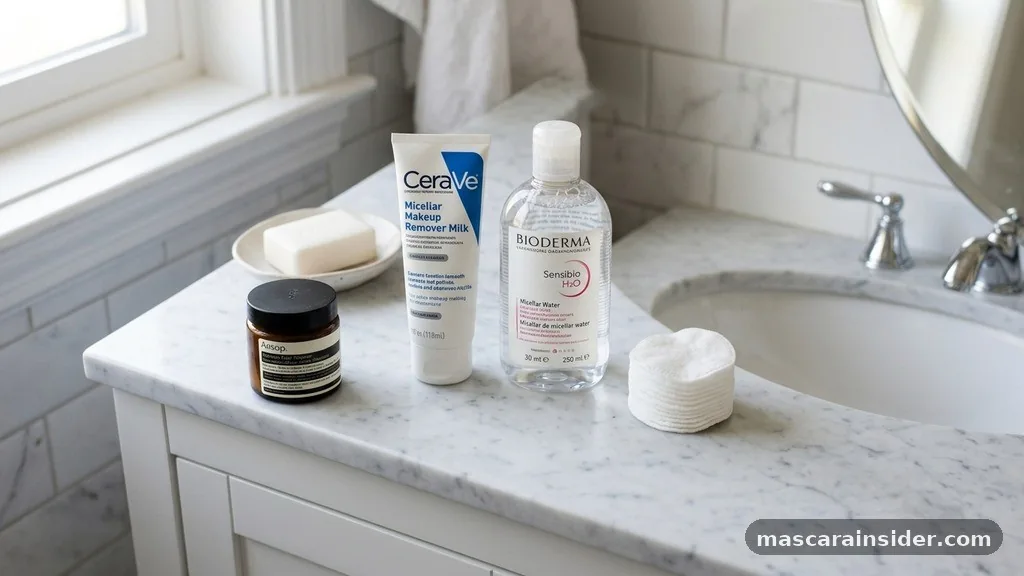
The effectiveness of your removal process depends heavily on the formula you applied in the morning. Traditional formulas respond well to basic cleansers, but waterproof mascara requires specific solvents to break down the polymers without damaging your lashes.
Using an oil-based cleanser or a dedicated cleansing balm is generally the gold standard for stubborn, water-resistant products. These formulas dissolve the wax and pigment, allowing you to wipe away the residue with minimal effort.
If you struggle with sensitive skin, avoid harsh scrubbing that causes eye irritation. Instead, opt for products designed to soothe the orbital area while breaking down makeup. You can choose between several common removal agents based on your personal preference and skin tolerance:
- Micellar water: Excellent for a quick, no-rinse removal that is gentle on the eyes.
- Oil-based cleansers: The most effective way to melt away waterproof formulas completely.
- Cleansing balms: Thick, luxurious textures that turn into oil upon contact with skin.
- Natural oils like jojoba or coconut: A DIY approach for those who prefer organic, simple ingredients.
Mastering the Technique to Prevent Lash Breakage
Learning how to take mascara off without causing lash breakage is all about patience and technique. Many people instinctively pull or rub their eyes when they see stubborn black streaks, but this friction is the primary cause of lash loss.
To protect your natural lashes, you must allow the product to dissolve before you attempt to remove it. Saturate your cotton pads with your chosen remover and hold them against your closed eyelids for at least thirty seconds.
This dwell time allows the solvent to penetrate the layers of mascara, loosening the bond between the product and your hair follicles. Once the product has softened, gently sweep the pad downwards in the direction of your lash growth.
Avoid harsh side-to-side scrubbing, as this creates unnecessary tension on the delicate lash line. If you notice persistent residue buildup at the root of the lashes, use a clean cotton swab dipped in your cleanser to carefully reach the base without tugging.
Incorporating Double Cleansing into Your Routine
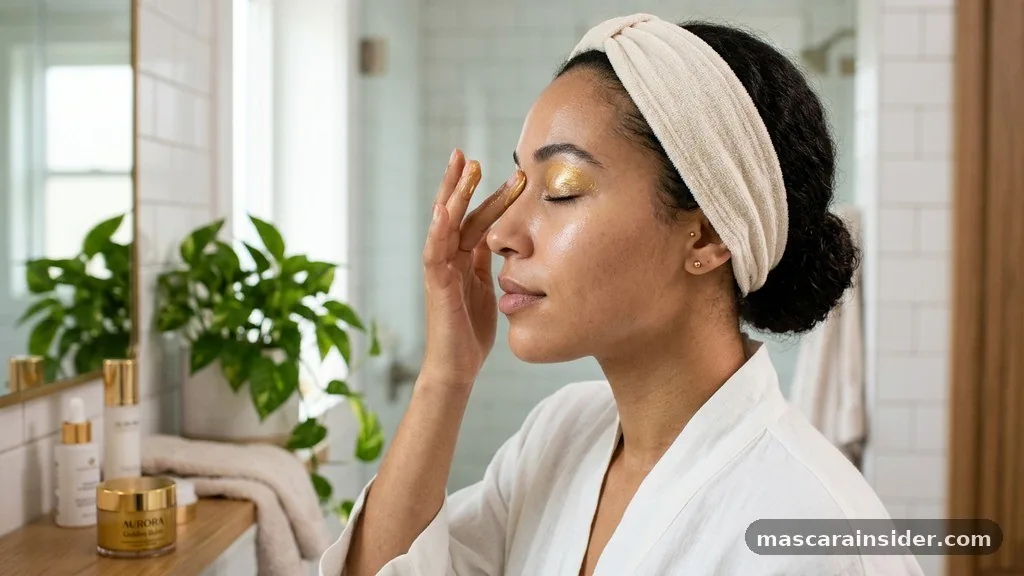
For those who wear heavy makeup or struggle with stubborn mascara, double cleansing is a highly effective strategy. This method involves using an oil-based product first to break down the makeup, followed by a water-based cleanser to remove any remaining impurities. By separating these two steps, you ensure that your pores remain clear and that no oily film is left behind, which is vital for preventing milia or breakouts near the eye area.
The following table compares the primary benefits of different removal mediums to help you decide which fits your nightly routine:
| Removal Agent | Best For | Key Benefit |
|---|---|---|
| Micellar Water | Light makeup | Convenience and speed |
| Oil-Based Cleanser | Waterproof formulas | Deep, non-abrasive breakdown |
| Makeup Remover Wipes | Travel/Emergency | Portability |
| Natural Jojoba Oil | Dry/Sensitive skin | Nourishing properties |
When practicing double cleansing, ensure your second step is a gentle, pH-balanced cleanser. Even if you feel the oil did most of the work, the second wash cleans the skin thoroughly, which is essential for maintaining eyelash health. Consistently following this process prevents the accumulation of old product that can lead to clogged hair follicles and stunted growth over time.
Addressing Common Hurdles and Topical Gaps
One common frustration is dealing with mascara that leaves a dark shadow under the eyes despite multiple washing attempts. This often occurs because the product is water-resistant and hasn’t been properly emulsified.
If you find yourself in this situation, do not resort to using soap and water, as this dries out the skin and can lead to flaking. Instead, re-apply a small amount of oil-based product to the area, let it sit for a moment, and wipe it away with a fresh, damp cloth.
Another frequent issue is the accidental entry of cleanser into the eye, which causes temporary blurring or stinging. To minimize this, always use the correct amount of product; a little goes a long way. If you use makeup remover wipes, ensure they are specifically formulated for the eye area, as standard face wipes can be too abrasive.
Remember that protecting your vision is just as important as protecting your lashes, so stick to ophthalmologist-tested formulas whenever possible. By focusing on gentle friction and the right chemical solvents, you can effectively clear away even the most resilient formulas while keeping your eye area healthy and hydrated.
Frequently Asked Questions
Is it okay to not wash off mascara?
No, leaving mascara on overnight causes lashes to become brittle, leading to breakage and potential eye infections.
What is the easiest way to take mascara off?
The easiest way is using a high-quality oil-based cleanser or micellar water applied with a soft cotton pad.
How do I get mascara off without makeup remover?
You can use natural oils like coconut or jojoba oil to gently dissolve the mascara before washing face.
How can I remove mascara naturally?
Natural oils are the best way to remove mascara without synthetic ingredients, effectively melting away even waterproof formulas.
Does waterproof mascara cause more lash damage?
It can, because the removal process often requires more friction, which increases the risk of damaging your lashes.
Should I use cotton pads every time?
Cotton pads are effective, but using your clean fingertips to massage an oil cleanser is even gentler for lashes.
How do I stop my eyes from stinging during removal?
Use oil-based cleansers specifically labeled as safe for eyes and avoid getting product directly into the eye itself.
Maintaining a consistent habit of how to take mascara off is a fundamental aspect of beauty maintenance that pays off in the long run. By prioritizing the health of your lashes through gentle removal techniques, you avoid the common pitfalls of thinning hair and irritated skin. Taking these extra few minutes each night ensures that your eyes stay bright, your lashes remain strong, and your skin stays clear.
If you have been struggling with stubborn products, try swapping your current cleanser for an oil-based alternative and notice the difference in how easily the mascara slides away. Consistency is the secret to healthy lashes, so make your nightly cleanse a non-negotiable part of your routine. Feel free to experiment with these methods to find the one that best suits your skin type and lifestyle needs.


