

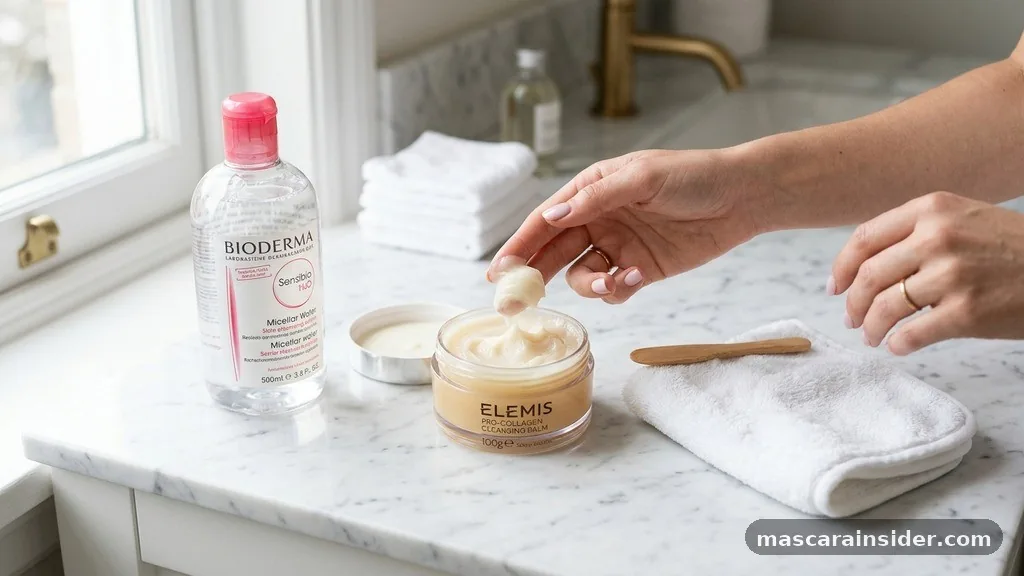
Learning the proper technique for removing mascara is essential for maintaining long-term eye health and preventing unnecessary lash breakage. Many people find themselves scrubbing at their eyes after a long day, which often leads to irritation and the premature shedding of delicate lashes.
By understanding the chemical composition of your eye makeup and selecting the right tools, you can ensure that your nightly routine is both efficient and gentle. Mastering the art of cleaning your lashes correctly will keep your eyes refreshed and your natural fringe looking its best.
Selecting the Right Cleanser for Your Routine

Choosing an effective product is the first step toward successful makeup removal. The type of mascara you wear dictates the strength of the cleanser you need.
If you regularly use waterproof mascara, you require a solvent that can break down waxes and polymers that are specifically designed to resist water. Micellar water is a popular choice for light makeup, but it may struggle against heavy-duty formulas. For stubborn coatings, an oil-based cleanser or a cleansing balm is generally the most effective way to dissolve pigment without requiring aggressive scrubbing.
These products work by binding to the oils and waxes in your makeup, lifting them away from the hair shaft. When you use an oil-based product, you don’t need to apply pressure to your eyelid skin, which is incredibly thin and sensitive.
Instead, the product does the heavy lifting, allowing you to wipe away the residue cleanly. If you have particularly sensitive eyes, look for fragrance-free or ophthalmologist-tested formulas to minimize the risk of contact dermatitis or stinging.
The Proper Technique for Dissolving Makeup
Applying your cleanser correctly is just as important as the product you choose. You should start by saturating a cotton pad with your chosen liquid and holding it against your closed eyelid for thirty to sixty seconds.
This dwell time is crucial because it allows the formula to penetrate the layers of mascara. If you start wiping immediately, you are essentially dragging dried pigment across your skin, which can cause micro-tears and increased irritation.
Once the product has had time to sit, gently swipe downward along the curve of your lashes. Avoid side-to-side motions, as this causes the lashes to tangle and can lead to mechanical eyelash loss.
If there is still some makeup residue left at the lash line, use a clean cotton swab dipped in your cleanser to carefully trace the base of the lashes. This precise method ensures that you remove every trace of product while keeping your natural lashes intact and healthy.
Addressing Waterproof Formulas Effectively
Waterproof formulas are notoriously difficult to remove because they are engineered to withstand humidity, tears, and sweat. Standard soap and water will rarely suffice, and attempting to force them off usually results in damaged lashes.
A dual-phase remover is the gold standard for these heavy-duty products. These removers contain two distinct layers—an oil phase to dissolve the wax and a water phase to refresh the area—which must be shaken vigorously before use to combine effectively.
When dealing with waterproof pigment, patience is your best ally. Never be tempted to pick or pull at the dried mascara, as this is the fastest way to pull out your own lashes.
If you find that a section of mascara is being stubborn, re-apply the soaked cotton pad for another thirty seconds. Providing this extra time prevents the need for gentle rubbing, keeping the skin around your eyes supple and preventing the premature development of fine lines.
Natural Alternatives Found at Home
If you find yourself out of commercial makeup remover, several household staples can safely dissolve mascara. Jojoba oil is an excellent choice because its molecular structure closely mimics the natural sebum produced by your skin. It is non-comedogenic and rarely causes reactions, making it a safe bet for the eye area. Similarly, coconut oil is highly effective at melting down stubborn waxes, though it can leave a slightly cloudy film on the eyes if you use too much.
Some people prefer using petroleum jelly to remove heavy makeup. While it is undeniably effective at breaking down stubborn pigments, it is quite thick and can be difficult to rinse off completely.
If you choose this route, be sure to follow up with a mild foaming cleanser to ensure no oily film remains, as trapped residue can sometimes lead to clogged oil glands or minor styes. Always ensure your hands are clean before applying any home remedy to your face.
| Cleanser Type | Best For | Key Benefit |
|---|---|---|
| Micellar Water | Light makeup | No rinsing required |
| Cleansing Balm | Full-face makeup | Melts away heavy wax |
| Dual-Phase Remover | Waterproof formulas | Dissolves stubborn polymers |
| Jojoba Oil | Sensitive skin | Hydrating and natural |
Protecting Your Eyelash Health
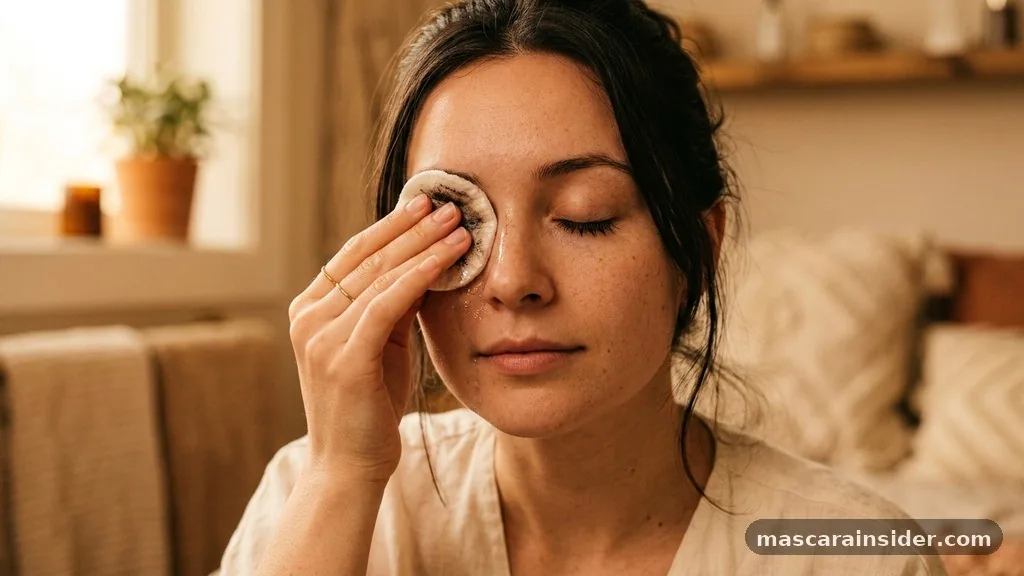
Your lashes are delicate, and constant mistreatment will eventually lead to breakage. Eyelash health relies on keeping the lash line free of debris while avoiding harsh chemicals that can strip moisture from the hair. If you notice your lashes becoming brittle or sparse, you might be using a cleanser that is too harsh or removing your makeup with too much force. Incorporating a nourishing lash serum into your night routine can also help strengthen the follicles, providing a buffer against the daily wear and tear of makeup application.
Another aspect of lash health is the hygiene of your tools. If you use reusable cotton pads or makeup removal cloths, wash them frequently to prevent bacterial buildup.
Dirty tools can introduce pathogens to your eyes, leading to infections that can cause inflammation and lash shedding. By keeping your tools clean and your technique soft, you maintain the structural integrity of your lashes, ensuring they remain full and long over the long term.
Common Mistakes to Avoid
Many people inadvertently damage their eyes by following poor habits during their nightly routine. One of the most common errors is sleeping in mascara. Leaving product on overnight can cause lashes to harden and become brittle, leading to breakage when you roll over in your sleep.
Furthermore, dried mascara can flake off into your eyes, causing significant discomfort and potential abrasions to the cornea. Make it a non-negotiable rule to clean your face thoroughly before bed, no matter how tired you are.
Another frequent mistake is using standard facial wipes for eye makeup. Many facial wipes contain astringents or fragrances that are intended for the thicker skin of the cheeks and forehead, not the delicate tissues around the eyes.
These ingredients can cause redness and stinging. Always opt for products specifically formulated for the eye area, as they are pH-balanced to minimize disruption to the ocular surface and the surrounding skin barrier.
Addressing Topical Gaps in Eye Care
A frequently overlooked aspect of makeup removal is the importance of the lower lash line. Many individuals focus entirely on the upper lashes, forgetting that the lower lid also collects pigment and residue.
This buildup can irritate the waterline and contribute to puffiness. Use a folded cotton pad or a dampened pointed cotton swab to carefully sweep along the lower lash line, ensuring you catch any smudged pigment that has migrated downward during the day.
Additionally, consider the temperature of the water you use to rinse. Extremely hot water can dry out the delicate skin around your eyes and strip away essential lipids, while freezing cold water may not be efficient at rinsing away oil-based cleansers.
Lukewarm water is the optimal choice for removing residual product without causing stress to the skin. This simple adjustment ensures that your cleansing process remains a soothing part of your evening rather than a harsh chore.
Long-Term Benefits of Proper Removal
Consistently practicing the right removal techniques offers significant long-term benefits for your appearance and comfort. By minimizing mechanical stress, you preserve the natural density of your lashes, which often negates the need for false lashes or extensions.
Furthermore, keeping the eye area free of oils and debris prevents the clogging of Meibomian glands, which are responsible for keeping your eyes lubricated. Clear glands mean more comfortable eyes throughout the day, especially for those who wear contact lenses.
Investing time in a high-quality removal routine also improves the efficacy of your nighttime skincare products. If your skin is still covered in a film of makeup and cleanser residue, your serums and moisturizers cannot penetrate effectively.
By ensuring your face is truly clean, you allow your skincare to work as intended, promoting a brighter and more refreshed appearance when you wake up. It is a compounding benefit that pays off in both health and aesthetic results.
FAQ Section
Is it okay to remove mascara with water?
Water alone is insufficient, especially for waterproof formulas, and often leads to harsh scrubbing and lash damage.
Can you use petroleum jelly to remove mascara?
Yes, it is effective at breaking down wax, but it can be greasy and difficult to rinse off.
What is the best natural mascara remover?
Jojoba oil is widely considered the best natural option as it is gentle and mimics natural skin oils.
How do I remove mascara without losing eyelashes?
Use an oil-based cleanser, let it soak for a minute, and avoid pulling or rubbing your lashes.
Does leaving mascara on overnight damage lashes?
Yes, it causes lashes to become brittle and prone to breaking during the night while you sleep.
What happens if I don’t remove mascara properly?
Incomplete removal can cause eye irritation, clogged glands, and increased risk of bacterial infections or styes.
Should I use the same cleanser for my whole face?
Not necessarily; the skin around your eyes is much thinner and often requires a gentler, specialized formula.
Properly removing mascara is a foundational element of any healthy beauty routine. By treating your lashes with the care they deserve, you protect your vision and maintain a vibrant, youthful appearance. Whether you choose a specialized dual-phase product or a natural oil, the key remains consistent: patience, gentle application, and thorough cleansing.
If you find your current method leaves your eyes feeling tight or your lashes thinning, try swapping your technique for a softer approach. Your eyes will certainly thank you for the extra attention, and you will likely notice a significant improvement in the health and strength of your lashes within just a few weeks of making the switch to a more mindful routine.


