

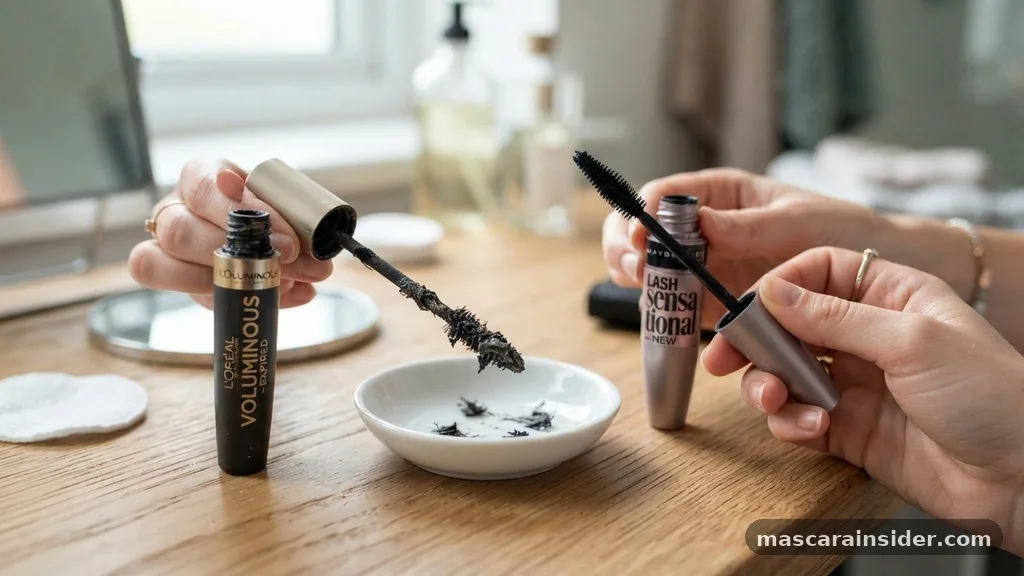
Knowing exactly how to tell if mascara is expired can save you from a world of discomfort and potential health issues. Many makeup enthusiasts overlook the fine print on their tubes, often keeping products far longer than they should. Because the area around your eyes is incredibly sensitive, understanding the lifespan of your beauty tools is essential for maintaining good cosmetic hygiene.
If you’ve ever wondered why your lashes suddenly look clumpy or why your eyes feel itchy after application, you might be dealing with an outdated product. This guide breaks down the signs you need to watch for to ensure your makeup routine remains safe, clean, and effective every single day.
Identifying the Signs of Expired Mascara
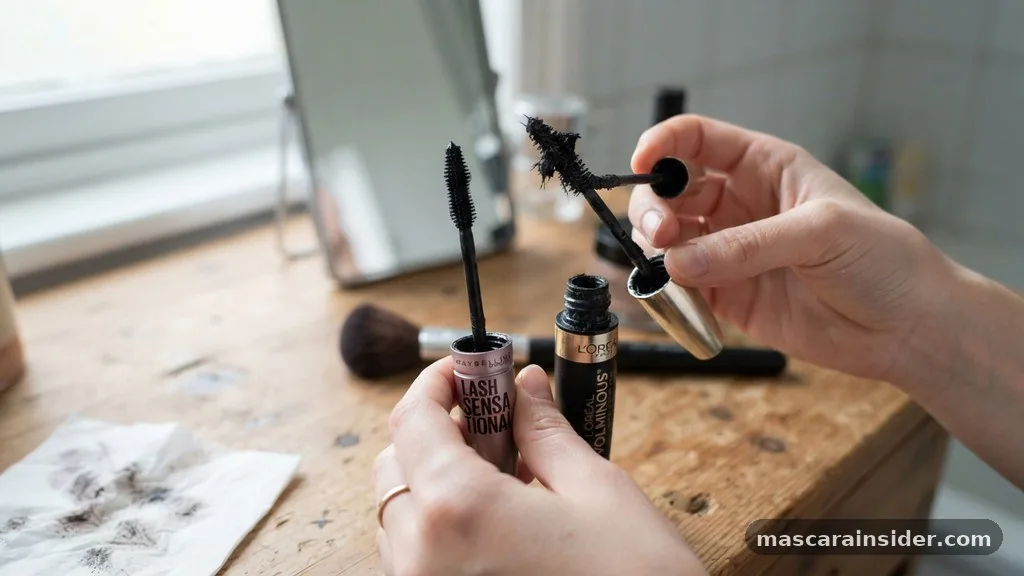
Learning how to tell if mascara is expired comes down to sensory checks and tracking time. Most mascaras have a much shorter lifespan than foundations or powders because they are liquid-based and frequently exposed to air. The most immediate sign of a product past its prime is a shift in texture.
If you notice a clumpy consistency that refuses to smooth out, the formula has likely begun to degrade. When you pull the mascara wand from the tube, it should glide out with a consistent, fluid coating. If it comes out looking thick, stringy, or dry, you are likely dealing with a dried-out formula that will not perform well on your lashes.
Beyond texture, your nose is your best tool for identifying spoilage. A rancid smell is a definitive indicator that the preservatives in your tube have stopped working. Fresh mascara usually has a very faint, chemical-like scent, but it shouldn’t be pungent or unpleasant.
If your tube gives off a sour or vinegar-like odor, toss it immediately. These changes in odor often suggest that the internal chemistry of the product has broken down, allowing substances to change state. Relying on these physical cues is a vital part of protecting your vision and keeping your makeup application looking crisp and professional.
The Role of the PAO Symbol and Shelf Life
Every cosmetic product carries a hidden timer that most people ignore. If you look closely at the packaging of your mascara, you will find a small open jar icon with a number and a letter inside, such as “6M” or “3M.” This is the PAO symbol, which stands for “Period After Opening.”
It dictates the manufacturer’s recommended shelf life once the seal is broken. If a tube says “6M,” it means the product is intended to be used within six months of the first time you unscrew the cap. Ignoring this symbol is a common mistake that leads to unnecessary risks.
The reason for this short window is simple: oxygen. Every time you pump the wand in and out of the tube, you introduce air and moisture. This creates the perfect breeding ground for microorganisms.
While manufacturers include preservatives in the formula, these compounds have a finite ability to inhibit growth. Once the preservatives lose their potency, the liquid environment inside the tube becomes unstable.
Treating the PAO symbol as a hard deadline rather than a suggestion is the most reliable way to stay safe. If you cannot remember when you opened a specific tube, it is always safer to replace it than to risk an adverse reaction.
Health Risks of Using Old Makeup
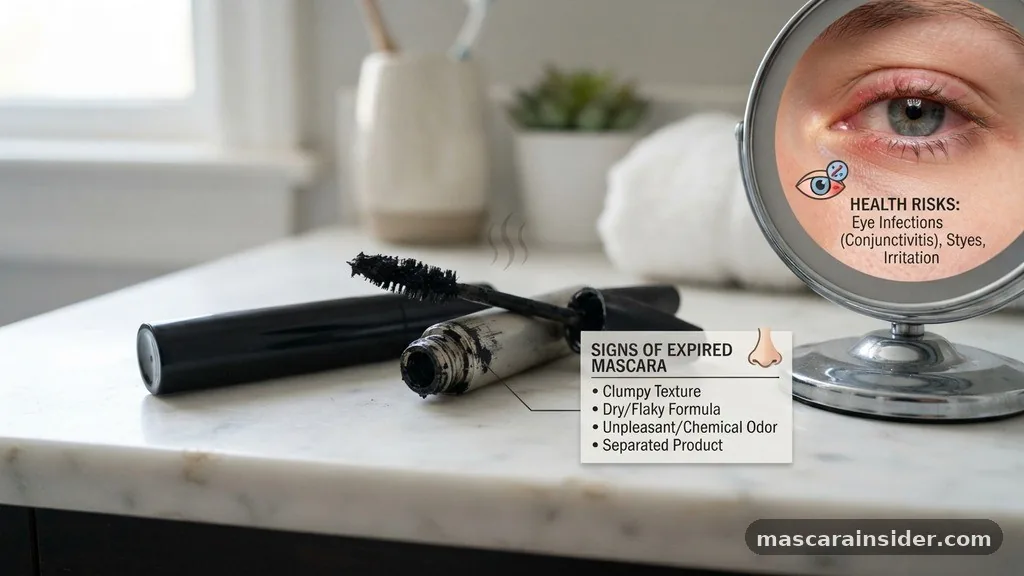
Ignoring the signs of expiration isn’t just a matter of poor makeup application; it poses a genuine threat to your eye health. Using products that have exceeded their recommended lifespan significantly increases the risk of bacterial contamination. Because the eye is a mucous membrane, it is highly susceptible to infections when introduced to foreign bacteria.
The most common consequence of using expired product is conjunctivitis, commonly known as pink eye. This condition is painful, contagious, and requires medical attention, making the cost of a new mascara look very small by comparison.
Beyond simple infections, you might also find yourself dealing with a stye, a painful red bump that forms near the eyelid. These are often caused by the spread of bacteria from an old wand back into the hair follicles of your lashes. Furthermore, chronic irritation is a frequent complaint among those who hold onto their makeup for too long.
Your eyes may become red, watery, or itchy without a clear external cause. If you experience these symptoms, your first step should be to discard your current eye makeup immediately. Prioritizing cosmetic hygiene helps you avoid these preventable complications and ensures your eyes stay healthy and vibrant.
How to Maintain Cosmetic Hygiene
Proper maintenance can help you get the most out of your products while you own them, but it won’t extend their life indefinitely. One of the biggest culprits in premature expiration is the habit of “pumping” the wand. Many people do this to get more product on the brush, but it acts like a bellows, forcing air and environmental dust directly into the reservoir.
Instead, gently swirl the wand inside the tube to pick up the desired amount of formula. This simple change reduces the speed at which the formula becomes a dried-out formula and limits the amount of debris entering the tube.
It is also critical to keep your makeup tools clean. If you use a disposable spoolie to apply your mascara, you can keep the original wand cleaner for longer, though this is not a substitute for replacing the tube on schedule. Never share your mascara with friends, as this is the fastest way to transfer bacteria between users.
If you have recently had an eye infection, you must throw away all eye makeup you were using at the time, even if it is brand new. Reintroducing bacteria to a healing eye is a recipe for a recurring infection.
Common Comparisons of Makeup Lifespans
| Product Type | Recommended Lifespan | Primary Concern |
|---|---|---|
| Mascara | 3 Months | Bacterial Growth |
| Liquid Eyeliner | 3-6 Months | Bacterial Growth |
| Powder Eyeshadow | 1-2 Years | Moisture Retention |
| Pencil Eyeliner | 1 Year | Sharpening Hygiene |
| Cream Blush | 6-12 Months | Separation/Spoilage |
Addressing Common Misconceptions
Many people wonder if they can “revive” a dry tube of mascara by adding water or oil. You should never add external liquids to your mascara tube. This practice dilutes the preservatives, which makes it much easier for bacteria to colonize the interior of the container.
Adding water introduces a new source of potential contamination, which can lead to rapid bacterial contamination even if the product was previously sterile. If your mascara is dry, it has reached the end of its functional life.
Another frequent question concerns whether sealed products have an expiration date. While products that remain sealed can last longer, they are not immortal. Formulas can separate, oils can turn rancid, and pigments can lose their intensity over several years of storage.
If you find a tube of mascara from five years ago, even if it has never been opened, it is best to dispose of it. The chemical stabilizers are likely no longer active, and you have no way of knowing how the storage temperature fluctuations have affected the integrity of the product. When in doubt, buy a fresh tube to ensure you are getting the best performance and the highest level of safety for your eyes.
Frequently Asked Questions
How can I tell if my mascara is definitely expired?
Look for a clumpy consistency, a rancid smell, or if the formula has become dry and flaky.
What is the biggest risk of using old mascara?
The primary risk is bacterial contamination, which can lead to painful eye infections like conjunctivitis or a stye.
How long does mascara typically last?
Most experts recommend replacing your mascara every three months to prevent the buildup of harmful bacteria and debris.
Should I check for an expiration date on the packaging?
Yes, look for the PAO symbol, which is an open jar icon indicating how many months it lasts.
Can I use five-year-old mascara if it was never opened?
No, you should discard it; the preservatives and chemical stability will have degraded significantly over that long period.
What happens if I use mascara every day?
Daily use accelerates the introduction of air and bacteria, meaning you should be extra diligent about your shelf life.
Is it safe to share mascara with friends?
Never share eye makeup, as it is the most efficient way to spread bacteria and cause eye infections.
Final Thoughts on Eye Makeup Safety
Staying mindful of your mascara’s condition is a simple but vital part of your beauty routine. Because the eyes are so sensitive, the small effort required to track your product’s age pays off in long-term health and comfort. By paying attention to the PAO symbol, watching for texture changes, and adhering to strict cosmetic hygiene habits, you can enjoy your makeup without the fear of irritation or infection.
When you notice that your tube is nearing the end of its life, don’t hesitate to replace it. Your eyes are irreplaceable, and keeping your routine fresh is the best way to ensure they stay clear and bright. If you have been keeping your current mascara for more than a few months, consider this your sign to treat yourself to a brand-new tube today.


