

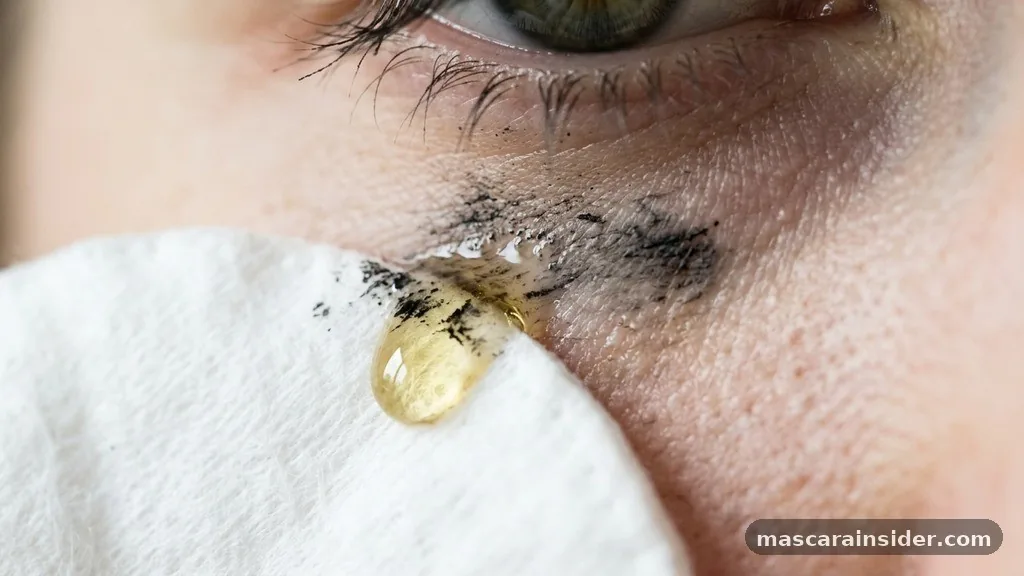
Running out of your favorite cleanser right before bed is a common frustration, but knowing how to remove mascara without makeup remover is a simple skill that saves your evening. You don’t need specialized chemical solutions to dissolve stubborn pigments; many household staples work just as effectively by breaking down the waxy bonds of your eye makeup.
By using gentle, oil-based substances or proper mechanical removal techniques, you can cleanse your lashes without compromising your skin’s delicate barrier. This approach protects your eye health while ensuring your face is fresh and clean before you sleep, even when your vanity is empty.
The Science of Dissolving Mascara
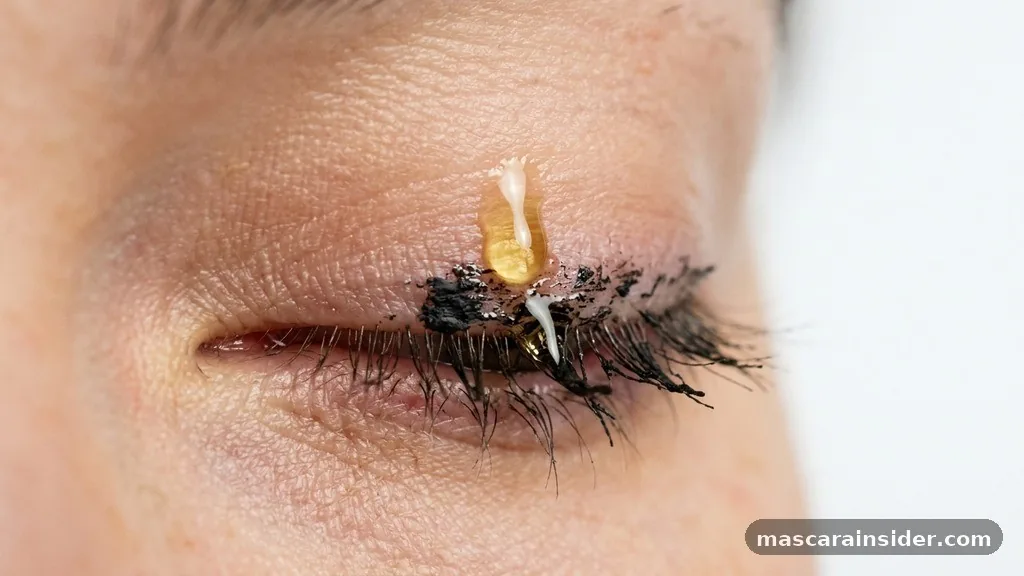
To understand why household items work, you must first recognize that most mascaras are formulated with waxes, oils, and pigments designed to resist water. When you learn how to remove mascara without makeup remover, you are essentially performing a process called emulsification.
Oils attract oils, meaning that applying a lipid-based substance to your lashes helps break down the hydrophobic bonds of the mascara formula. Once these bonds are loosened, the product can be wiped away gently without pulling on your delicate eyelid skin.
Water-based removers often struggle with long-wear or waterproof mascara because they lack the necessary solvent power to dissolve the wax coating. By using natural oils, you create a lipid layer that softens the product, allowing it to slide off the lash hair rather than flaking or smearing.
This scientific principle is why professional-grade oil-based cleanser products are so effective. When you replicate this at home with pantry staples, you achieve the same result while avoiding potential irritants often found in mass-market makeup wipes.
Using Petroleum Jelly for Stubborn Residue
Petroleum jelly is arguably the most reliable household alternative for dissolving heavy eye makeup. Its thick, occlusive nature allows it to coat every single lash, effectively trapping the mascara particles within its oily texture.
To use it, apply a tiny amount to your fingertips and gently massage it along your lash line. You will notice the pigment immediately beginning to loosen and migrate into the jelly.
Because petroleum jelly is non-comedogenic and generally safe for the eye area, it is excellent for those who often experience eye irritation from store-bought wipes. After massaging, use a warm, damp microfiber cloth to wipe away the mixture.
The texture of the cloth provides just enough friction to lift the dissolved mascara without being abrasive. Be careful not to get the jelly directly inside your eye, as it can cause temporary blurriness, though it is not harmful.
Natural Oils as Effective Makeup Solvents
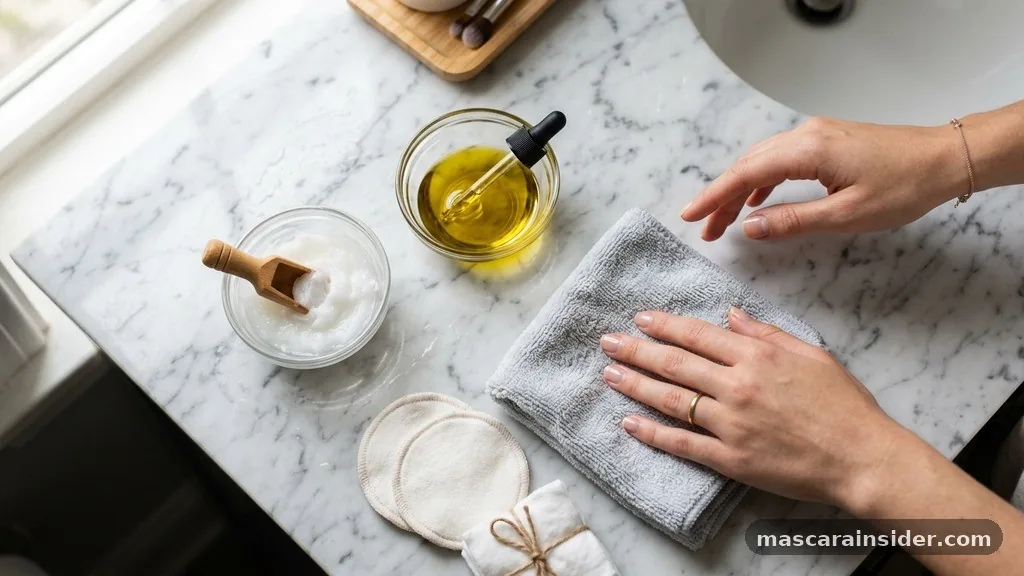
Many plant-based oils are fantastic at breaking down makeup while simultaneously conditioning the hair fibers. Olive oil is a common kitchen staple that works beautifully as a solvent for even the most stubborn waterproof formulas. Simply pour a drop onto a cotton pad or your clean fingertips and press it against your closed eyelid for thirty seconds. This “soaking” time is vital; it gives the oil enough time to penetrate the mascara layers.
Coconut oil is another popular choice, though it is solid at room temperature. You will need to warm it between your fingers until it liquefies before application. For those with sensitive skin, jojoba oil or almond oil are often preferred because they closely mimic the natural sebum produced by human skin.
These lighter oils are less likely to clog pores around the eye area and rinse away more cleanly than heavier alternatives. Always ensure you are using pure, cold-pressed versions to avoid unwanted additives or fragrances.
The Role of Warm Water and Friction
While oils are essential for dissolving wax, warm water plays a crucial role in the mechanical removal process. Using water that is too hot can dry out the skin around your eyes, but a gentle, lukewarm temperature helps soften the mascara and prepares the follicles for cleansing. If you find yourself in a situation where you have no oil or balm available, you can still remove mascara by using a process of patience and moisture.
Soak a soft cloth or a cotton round in warm water and hold it against your lashes for a full minute. This creates a steam effect that loosens the product. Afterward, gently stroke downward from the root of the lash to the tip.
Do not scrub back and forth, as this causes lash breakage and skin irritation. By focusing on the downward motion, you remove the bulk of the product without tugging on your eyelid, which is essential for maintaining long-term lash health.
Comparing Makeup Removal Alternatives
When choosing an alternative, consider your specific skin type and the type of mascara you are wearing. Some methods are better suited for heavy, waterproof formulas, while others are ideal for quick, everyday cleansing. The following table illustrates the pros and cons of common household items used for this purpose.
| Method | Best For | Key Benefit |
|---|---|---|
| Petroleum Jelly | Waterproof mascara | Extremely effective at dissolving wax |
| Olive Oil | Dry or mature skin | Highly moisturizing and gentle |
| Coconut Oil | Removing heavy pigments | Breaks down long-wear formulas quickly |
| Warm Water | Tubing mascara | No residue; safest for sensitive eyes |
Addressing Topical Gaps in Makeup Removal
A common issue often overlooked in tutorials is how to handle “tubing” mascaras without proper solvent. Unlike traditional wax-based formulas, tubing mascaras are designed to slide off in cylinders when exposed to specific temperatures and friction.
If you use an oil on these, it might just smear the product around rather than lifting it. For tubing formulas, the best method is to skip the oil entirely and use plenty of warm water and a gentle downward tugging motion with your fingers or a cloth.
Another gap is the issue of residue remaining in the waterline. Even after the lashes are clean, pigment often hides between the lash roots. To fix this, use a clean cotton swab dipped in a tiny amount of your chosen oil.
Carefully run it along the lash line to pick up those last stubborn flecks. This precision tool ensures you don’t wake up with “raccoon eyes” the next morning, even if you didn’t have a formal makeup remover on hand.
Prioritizing Eye and Lash Health
Removing makeup is not just about aesthetics; it is a fundamental part of maintaining the health of your eyes. Leaving mascara on overnight can lead to blocked oil glands at the base of your lashes, which may cause styes or chronic inflammation.
When you know how to remove mascara without makeup remover, you remove the excuse for skipping this step. However, you must be cautious about the cleanliness of your tools.
Always use a fresh section of a cloth or a clean cotton pad for each eye to prevent cross-contamination. If you have an active eye infection, avoid using oils or heavy creams, as these can trap bacteria.
Stick to simple, warm water and sterile cotton rounds until the issue clears. Furthermore, avoid using harsh soaps or dish detergents to remove makeup, as these strip the skin of natural moisture and can cause severe dryness and irritation around the eyes.
Steps for Safe and Efficient Removal
To ensure the process is as smooth as possible, follow this systematic approach every time you cleanse. Consistency helps prevent the buildup of product that can lead to thinning lashes over time.
- Wash your hands thoroughly to avoid introducing bacteria to your eyes.
- Select your oil-based alternative (like almond oil or petroleum jelly).
- Apply the substance to your closed eyelid, ensuring even coverage over the lashes.
- Allow the product to sit for at least 30 to 60 seconds to break down the mascara bonds.
- Use a damp microfiber cloth to gently wipe from the base of the lashes to the tips.
- Repeat the process if any pigment remains, using a clean area of the cloth.
- Follow up with a mild facial cleanser to remove excess oil from the skin surface.
Preventing Irritation During the Process
Even when using natural ingredients, it is possible to cause irritation if you are too aggressive. The skin around the eye is the thinnest on the entire body. Any excessive pulling or rubbing can lead to premature fine lines and sagging.
When learning how to remove mascara without makeup remover, prioritize the “soak and slide” method rather than scrubbing. If the mascara isn’t coming off easily, add more oil and wait longer; never force it.
If you have particularly sensitive eyes, perform a patch test with any oil you plan to use. Apply a small amount to your inner forearm and wait a few minutes to ensure no redness or itching occurs.
While oils like jojoba are generally non-allergenic, everyone’s skin is unique. By testing first and using gentle, controlled movements during removal, you can keep your lashes full and your skin healthy without ever needing a bottle of store-bought remover.
Conclusion
Mastering the art of removing mascara without makeup remover is a practical skill that supports both your skin and eye health. By relying on simple, effective ingredients like natural oils or even just the power of warm water, you can ensure your lashes remain strong and free of debris every single night. The key is to prioritize gentle emulsification over mechanical friction, allowing your chosen solvent to do the heavy lifting.
As you refine your routine, you will find that these household alternatives are often more nourishing than commercial products, providing a cost-effective and reliable solution for your nightly ritual. Start by trying the method that best fits your current pantry inventory tonight and see how much easier your evening routine becomes.
Does petroleum jelly effectively remove waterproof mascara?
Yes, petroleum jelly is highly effective because its oily base breaks down the stubborn waxes in waterproof formulas.
Is it safe to get olive oil in my eyes?
While not harmful, it can cause temporary blurriness; try to keep the oil on your lashes and lids.
Can I use water to remove mascara?
Water works well for “tubing” mascaras, but for wax-based formulas, you generally need an oil-based product to dissolve.
How do I prevent eye irritation when removing makeup?
Always use gentle, downward strokes and avoid scrubbing; use clean cloths or pads for each eye to prevent irritation.
Are natural oils better than commercial removers?
They are often more moisturizing and lack the harsh preservatives or fragrances found in many drugstore makeup removers.
What if I don’t have any oil or remover?
Use a warm, damp cloth and hold it against your lashes to soften the product before gently wiping away.
How often should I clean my lashes?
You should remove all eye makeup every single night to prevent clogged follicles and potential eye infections or styes.


