

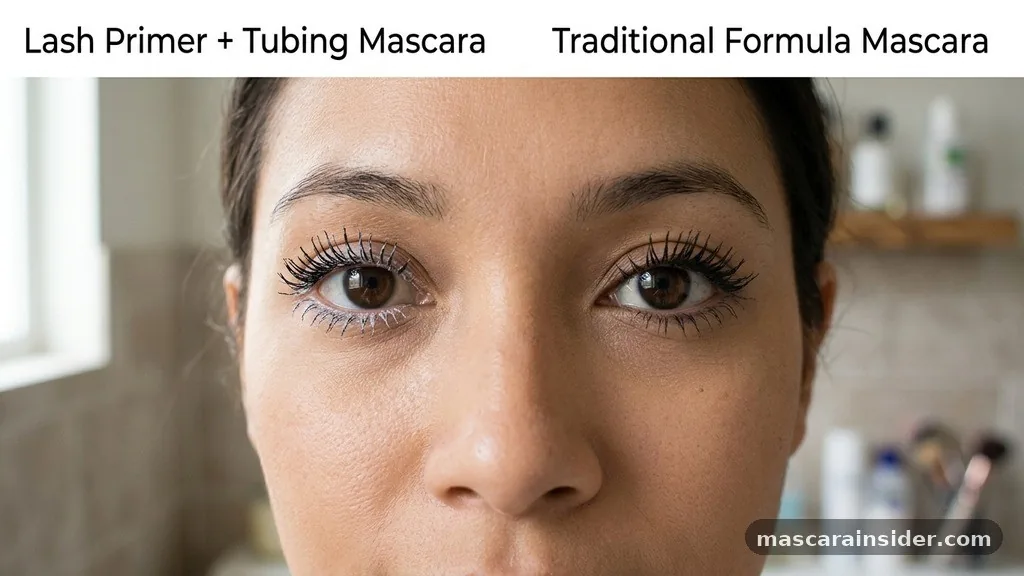
Deciding whether you can use lash primer with tubing mascara often leaves beauty enthusiasts feeling conflicted between the desire for extra volume and the need to maintain a smudge-proof finish. While traditional makeup application often encourages layering, the unique chemical composition of tubing products changes the rules of the game significantly.
Understanding the science behind these specialized formulas helps you determine if a primer will enhance your look or simply compromise the integrity of those signature polymer tubes. By identifying how these products interact on the lash line, you can achieve a dramatic, long-lasting gaze without the frustration of flaking or premature removal.
The Chemistry of Tubing Mascara vs. Traditional Formulas
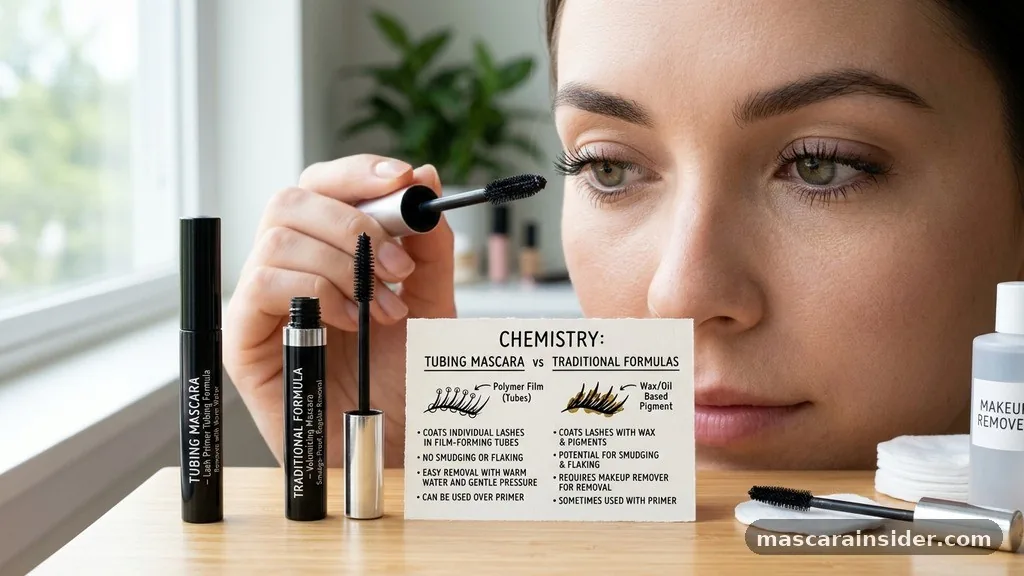
Tubing mascara functions differently than standard wax or oil-based options because it relies on a polymer-based formula that physically wraps around each individual lash. Rather than painting the hair with pigment, these polymers dry into tiny, water-resistant sleeves that stay firmly in place until they encounter specific conditions for removal. When you apply this type of product, the result is a clean, defined look that is famous for being smudge-proof, even on oily eyelids or in humid weather.
In contrast, traditional mascaras rely on pigments suspended in waxes or oils to thicken and lengthen lashes by building up layers. Because they don’t form structural tubes, they are more prone to smearing as the oils break down throughout the day.
When you mix these two approaches, you run the risk of disrupting the polymerization process. If the base layer is too slippery or contains incompatible ingredients, the tubes may struggle to grip the lash, leading to poor adhesion and an uneven application.
Why Lash Primers Exist and How They Interact
The primary goal of a lash primer is to provide a smooth, uniform surface that enhances the length and volume of your mascara. Most primers act as a base coat that adds thickness to the lash shaft, often containing fibers or conditioning agents that support long-term lash health.
When considering whether you can use lash primer with tubing mascara, you must look at the base of the primer formula itself. Many traditional primers are designed to be tacky or slightly oily to help standard mascara glide on, but this tackiness can actually repel the polymers found in tubing products.
If you choose a primer that is excessively creamy or oil-heavy, the tubing mascara might not be able to “slide” or “set” onto the lash correctly. The polymers need a clean, dry surface to anchor themselves effectively. If the primer creates a barrier that is too slick, the mascara may slip off or fail to form the protective sleeves entirely, defeating the purpose of choosing a tubing formula in the first place.
Assessing Ingredient Compatibility for Layering
When you investigate if you can use lash primer with tubing mascara, the secret lies in the ingredient list. A water-based mascara in the tubing category usually works best with a lightweight, water-based primer.
If your primer contains heavy waxes or intense conditioning oils, it can create a layer that prevents the tubing polymers from locking onto your lashes. This lack of adhesion is the most common reason people experience flaking when they try to combine these two steps.
Consider the following table to understand which combinations typically yield the best results for your daily makeup routine:
| Primer Type | Compatibility with Tubing Mascara | Resulting Effect |
|---|---|---|
| Water-based Primer | High | Improved length and smooth, clump-free lashes. |
| Oil-based Primer | Low | Poor adhesion, potential smudging, and premature flaking. |
| Fiber-containing Primer | Moderate | Added volume, but requires precise application to avoid texture. |
Mastering the Drying Time for Success
One of the most critical aspects of any mascara application technique is respecting the drying time of your base products. If you decide to experiment with a primer, you must allow it to set completely before applying your tubing mascara.
If the primer is still damp, the moisture will mix with the polymer formula, potentially dissolving the tubes before they have a chance to harden around your lashes. This leads to a messy, clumpy appearance that negates the clean look tubing mascara is known for.
Wait at least sixty seconds after applying your primer, or until it feels dry to the touch, before following up with the tubing formula. This ensures that the primer has formed a stable base that won’t interfere with the setting of the polymer tubes. By being patient, you allow the primer to provide the structural support you want without creating a chemical conflict that ruins your eye makeup.
Avoiding Clumps and Ensuring Lash Separation
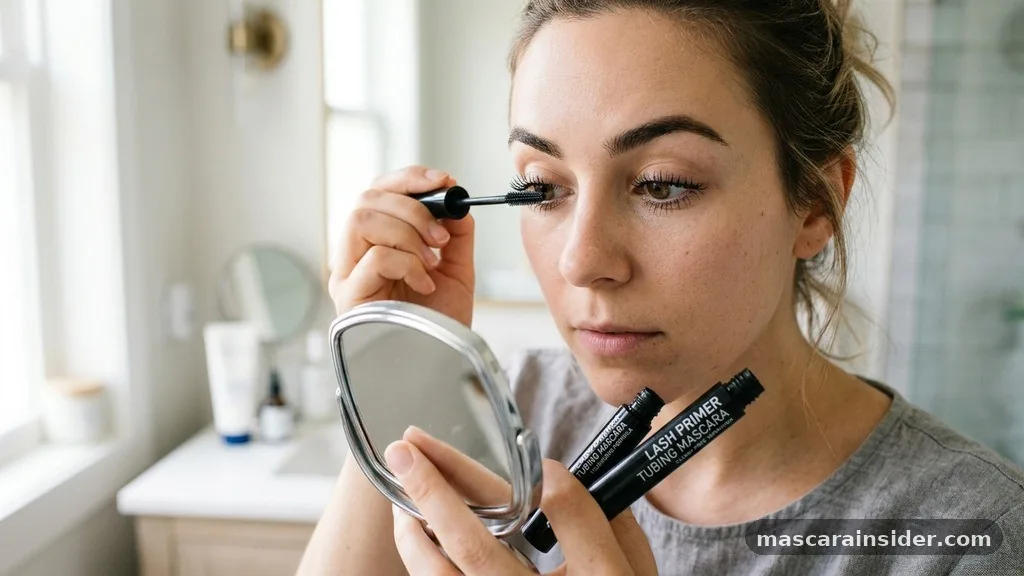
Achieving clump-free lashes while using multiple products is a delicate balancing act. When you use a primer, you are essentially doubling the amount of product sitting on your lashes.
If the primer is too thick or if you apply too many coats, the tubing mascara will struggle to wrap each lash individually. The result is often a spidery, uneven look that defeats the aesthetic benefit of the tubing effect.
To maintain clean lash separation, use a clean spoolie brush to comb through your lashes after the primer has dried but before the mascara is applied. This removes excess product and ensures that the lashes are fanned out perfectly.
Once the mascara is applied, avoid going over the lashes too many times. Tubing formulas are meant to set quickly, and excessive brushing while they are still wet can cause the tubes to break apart, leading to a messy finish rather than the sleek, defined look you desire.
Addressing Topical Gaps: Can You Use Lash Primer with Tubing Mascara Effectively?
A common question that often goes unanswered is whether specific brands work better together. Many users wonder if they must use the same brand for both the primer and the tubing mascara to ensure compatibility. While it is certainly safer to stick to products within the same line, it is not strictly necessary.
The real key is the texture. If you have a clear, thin primer that dries down to a crisp finish, it is much more likely to work with a high-quality tubing mascara than a thick, white, creamy primer.
Another gap in common knowledge is the impact of water-based vs. oil-based ingredients. Many people confuse the two, assuming all primers are the same. By checking the first few ingredients on the tube, you can quickly identify the base.
If the first ingredient is water, you are in a much safer position for layering. If you see various oils or heavy waxes listed first, you should proceed with caution or avoid using that primer entirely with your tubing mascara.
The Impact on Removal and Lash Health
One of the greatest benefits of using tubing mascara is the warm water removal process. You don’t need harsh makeup removers or vigorous rubbing; the tubes simply slide off when soaked in warm water.
However, when you use a primer underneath, you have to consider how that primer comes off. If you use a waterproof or oil-based primer, you might find that the tubing mascara slides off easily, but the primer remains stuck to your lashes, requiring you to use a cleanser anyway.
This defeats the convenience of using tubing mascara. To keep your routine simple and protect your lash health, look for primers that are also easily removed with water.
This ensures that your entire eye makeup look comes off in one go, preventing the need for excessive rubbing that can cause lash breakage and irritation. Maintaining a gentle removal process is essential for keeping your natural lashes strong and full over time.
Strategic Application for Maximum Volume
If you find that your tubing mascara is too thin for your liking, you can definitely use a primer to build volume, provided you follow the right steps. Start by applying the primer only to the tips of your lashes rather than the roots. This prevents the weight of the primer from dragging your lashes down and keeps the root area clean for the tubing mascara to grip properly.
Focus your application on the outer corners of the eyes to create a lifted, cat-eye effect. By layering the primer strategically, you gain the benefits of extra thickness and length without compromising the integrity of the tubing formula.
Always remember that with tubing products, less is often more. The goal is to build a foundation for the tubes to sit on, not to create a heavy base that interferes with the unique chemical nature of the polymer sleeves.
Common Mistakes to Avoid During Application
Many beauty lovers accidentally ruin their look by layering too quickly or using incompatible products. Avoid the urge to layer the mascara while the primer is still tacky, as this is the single biggest cause of clumping.
Additionally, avoid using an eyelash coat or sealing product over your tubing mascara. Tubing formulas are designed to stand alone, and adding a clear topcoat can actually weaken the bonds of the polymers, causing them to flake off throughout the day.
Keep your application technique consistent. If you are using a fiber-containing primer, ensure that the fibers are not loose before applying the mascara.
Loose fibers can cause the tubing formula to latch onto them rather than your natural lashes, which creates an uneven, gritty texture that is difficult to fix without starting over. By being mindful of these small details, you can successfully integrate a primer into your routine and enjoy the best of both worlds.
Frequently Asked Questions
Yes, you can use them together daily if the primer is water-based and dries completely before mascara application.
Does using primer make tubing mascara harder to remove?
It can, especially if the primer is oil-based; always choose a water-soluble primer to maintain easy removal benefits.
Will a primer help tubing mascara last longer?
Generally, no; tubing mascaras are already designed for long wear, and primer usually serves to add extra volume.
What happens if I don’t let the primer dry?
The polymers in the tubing mascara will mix with the wet primer, causing clumping, smudging, and poor adhesion.
Are there specific primers designed for tubing formulas?
Most brands don’t market “tubing-specific” primers, so look for lightweight, water-based formulas to ensure maximum compatibility and ease.
Should I apply primer to the roots or tips?
Focus on the tips to avoid dragging down your lashes, keeping the roots clean for the mascara to grip.
Can I use a fiber-containing primer with tubing mascara?
It is possible, but be careful; ensure the fibers are set so they don’t cause a gritty, uneven texture.
The practice of combining products in your beauty routine is often a matter of trial and error, yet understanding the underlying chemistry allows you to make informed decisions about your makeup. While you can use lash primer with tubing mascara, the success of the application depends entirely on the base ingredients and your patience during the drying phase. By choosing lightweight, water-based primers and allowing ample time for the base to set, you can achieve the added volume you desire without losing the smudge-proof, easy-removal benefits that make tubing formulas so popular.
If you are looking to enhance your natural look, start with a small amount of product and observe how your lashes react throughout the day. Feel free to share your own experiences with these combinations, as finding the perfect pairing can truly elevate your daily makeup routine.


