

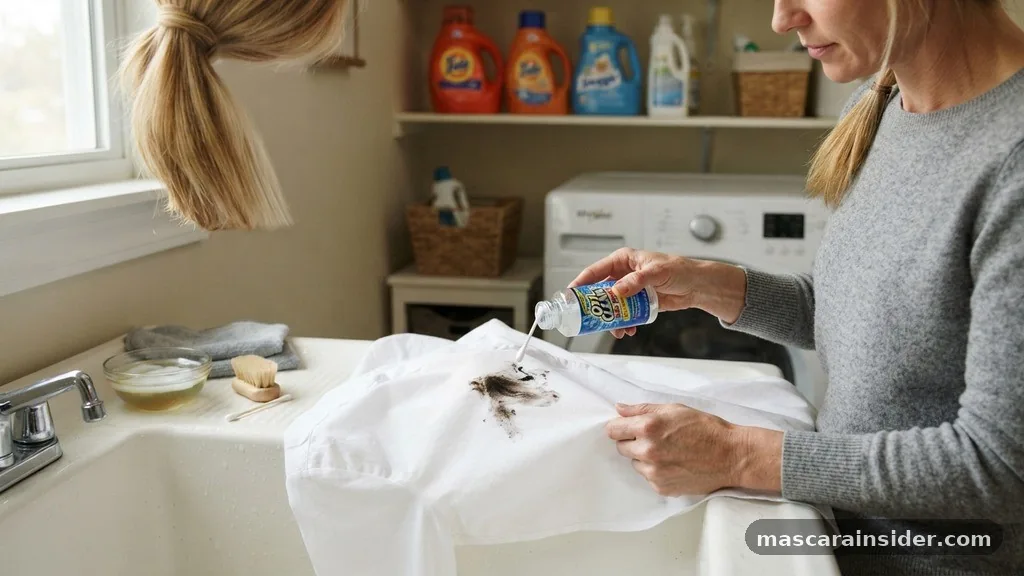
Discovering a smudge of dark pigment on your favorite shirt can be frustrating, but knowing how to remove mascara from clothes properly often prevents a permanent stain. Most mascaras rely on a blend of waxes, oils, and pigments designed to cling to lashes, which unfortunately makes them equally stubborn when they hit fabric.
By acting quickly and choosing the right solvents, you can break down these bonds without damaging delicate textiles. Whether you are dealing with a fresh smear or a dried-on spot, effective stain management relies on patience and the correct chemical approach rather than aggressive scrubbing that pushes the pigment deeper into the weave.
Identifying the Best Solvent for Your Fabric
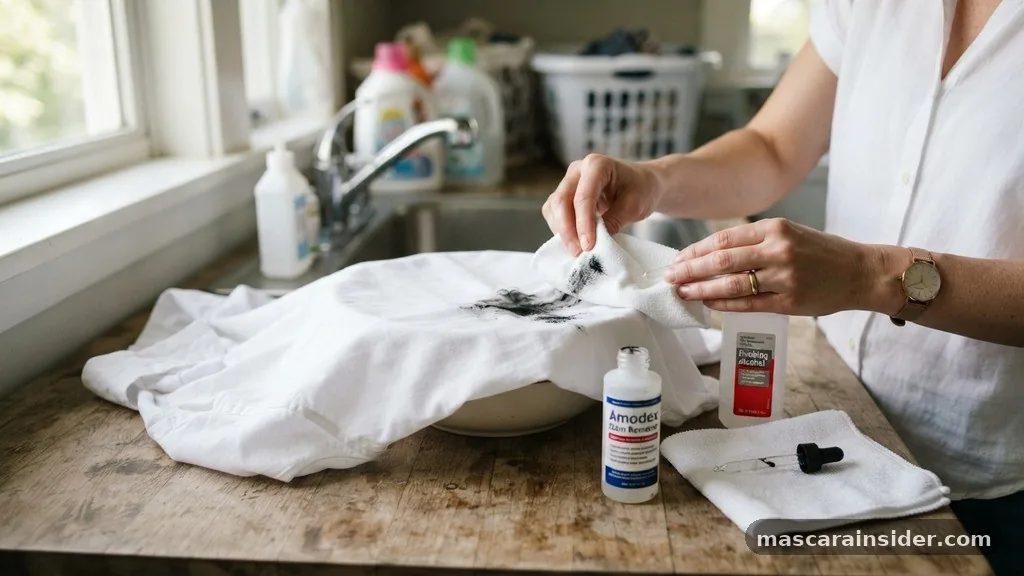
The chemistry of your mascara determines the best way to approach stain removal. Most modern formulas are either water-resistant or waterproof, and knowing which one you used is key to selecting the right cleaning agent. For oil-based or waterproof varieties, you need a solvent capable of emulsifying those heavy waxes, whereas water-based options might respond to simpler surfactant-based cleaners.
Before applying any liquid, always check the garment’s care label. While sturdy cotton or polyester blends usually handle most treatments, silk, wool, or rayon require a much gentler touch.
If you aren’t sure about the colorfastness of the dye, test your chosen cleaning solution on an inconspicuous inner seam. If the fabric changes color or bleeds, stop immediately and consider a professional dry cleaner.
| Cleaning Agent | Best For | Application Method |
|---|---|---|
| Dish Soap | Grease-based stains | Dab and rinse |
| Micellar Water | Light, surface smudges | Wipe with cotton |
| Isopropyl Alcohol | Stubborn, dried mascara | Blotting with swab |
| Enzyme Cleaner | Protein-heavy residues | Soak and wash |
The Importance of Proper Blotting Techniques
One of the most common mistakes people make is rubbing the stain. Rubbing forces the tiny pigment particles deeper into the fabric fibers, expanding the surface area of the mess and making it significantly harder to extract. Instead, use a clean white cloth or a paper towel to lift the mascara away from the surface.
When working on the stain, start from the outside edges and move toward the center. This prevents the pigment from spreading further into the clean parts of the garment.
Use a fresh portion of your cloth for every single dab so that you are always transferring mascara onto clean material. This blotting technique is vital because it relies on the absorption capacity of the cloth to pull the oily residue out of the fabric weave rather than pushing it through to the other side.
Step-by-Step Removal for Fresh Stains
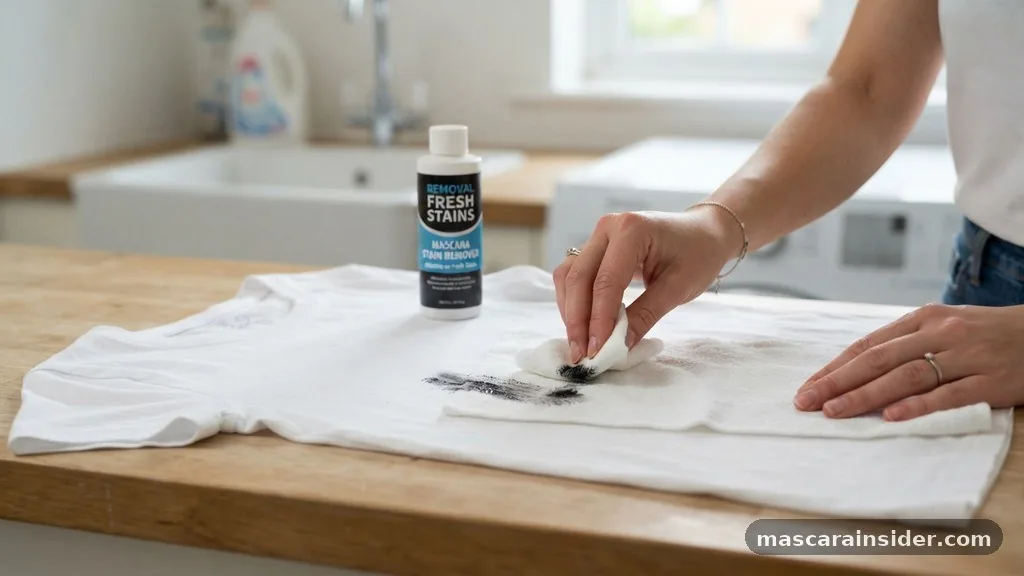
If the mascara is still wet, you have a better chance of removing it completely. Avoid the temptation to wipe it immediately with a damp rag, as this can easily turn a small dot into a wide streak. Start by letting the mascara dry slightly if it is a large glob, or carefully lift the excess with the edge of a spoon or a dull butter knife.
Once you have removed the bulk of the material, apply a high-quality dish soap directly to the spot. Dish soap is formulated to cut through grease and oil, which are the main binders in mascara. Gently massage the soap into the fibers using your fingers or a soft-bristled toothbrush.
Let it sit for about ten to fifteen minutes, then rinse the area thoroughly with cold water. Hot water can set oil-based stains, so sticking to a cooler temperature is a critical safety measure for your clothes.
- Lift excess mascara with a dull edge to prevent smearing.
- Apply a small amount of dish soap to the affected area.
- Work the soap in with a circular motion.
- Rinse thoroughly with cold water until the soap is gone.
- Inspect the garment before throwing it in the dryer.
Addressing Dried Mascara and Topical Gaps
When you find a spot that has already set, you need a stronger approach to break the bond between the pigment and the fabric fibers. Isopropyl alcohol is highly effective for this task because it dissolves the polymers in mascara. Use a cotton swab dipped in the alcohol to spot-treat the area. You will notice the pigment transferring onto the swab; change it frequently to avoid re-depositing the mascara back onto the shirt.
Many people wonder if they can use hydrogen peroxide on these stains. While it is a powerful bleaching agent, it is very risky for colored fabrics and should generally be avoided unless you are dealing with a white garment. If the mascara has left a shadow after the alcohol treatment, an enzyme cleaner designed for laundry is your best bet.
Enzymes work by breaking down the organic components of the makeup, making them easier to wash away during a standard cycle. Always complete a pre-treatment before putting the item into the washing machine; if the stain remains after the first cycle, do not apply heat, as this will lock the color in for good.
Conclusion
Successfully managing makeup accidents requires a calm approach and the right household supplies. By treating the stain as an oil-based residue rather than just a pigment mark, you can effectively lift it out of the textile weave without causing damage. Always remember to prioritize cold water rinses and avoid the dryer until you are certain the stain has vanished, as heat serves as a catalyst for permanent pigment bonding.
With these techniques, you can keep your wardrobe looking pristine even after a busy morning. If you have questions about specific fabrics or persistent marks, feel free to reach out for more tailored advice on handling delicate items. Proper care keeps your clothing in top condition for years to come.
Can I use makeup remover to clean my clothes?
Yes, an oil-based makeup remover works well on mascara, but test it on a hidden area first.
Is it safe to use bleach on a mascara stain?
Avoid bleach, as it can damage fibers and cause yellowing; use dish soap or alcohol instead for better results.
What if the mascara is on a silk shirt?
Silk is delicate; use only mild detergents or take it to a professional to avoid fabric damage.
Does hairspray help remove mascara stains?
Hairspray contains alcohol, which can dissolve makeup, but its other ingredients may leave behind sticky or gummy residues.
Why does the stain get bigger when I rub it?
Rubbing forces the pigment deeper into the fabric fibers, causing the stain to spread across a larger area.
Should I wash the item immediately after spotting the stain?
Yes, immediate pre-treatment increases your chances of total removal before the makeup dries and sets into the weave.
Can I put the garment in the dryer if a faint shadow remains?
No, never use heat until the stain is completely gone, as the dryer will permanently set the pigment.


