

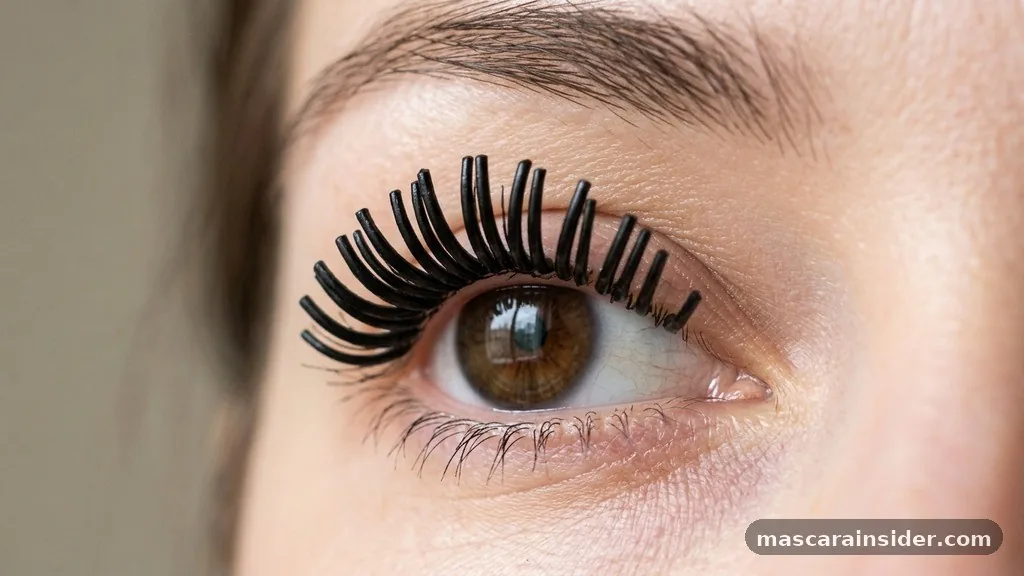
Mastering the art of removing your eye makeup is vital for maintaining long-term lash health. If you’ve recently switched to a polymer-based formula, you might be surprised by how different the cleanup process feels compared to traditional wax-based products. Unlike standard formulas that smudge into greasy rings around your eyes, tubing mascara creates tiny, water-soluble cylinders that slide off your lashes completely.
Learning how to take off tubing mascara effectively saves you from unnecessary scrubbing, which is the primary culprit behind eyelash shedding and weakened follicles. By using the right technique, you ensure your natural lashes stay strong and healthy every single day.
Understanding the Mechanics of Tubing Mascara
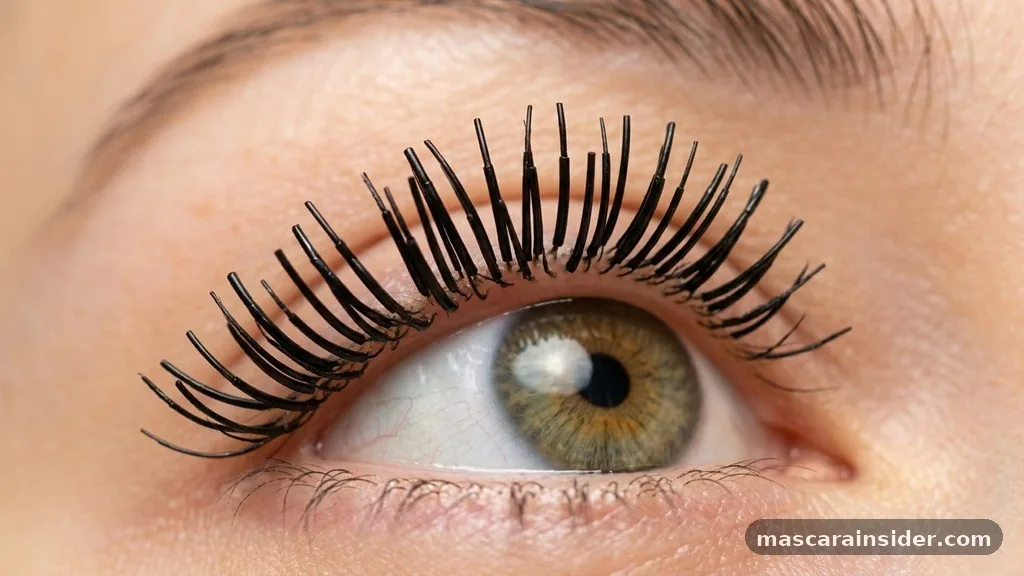
Tubing mascara differs from standard makeup because it uses polymers that wrap around each individual hair. When you apply it, these polymers set into distinct lash tubes.
This structure is what prevents the dreaded raccoon-eye effect common with traditional formulas. Because these tubes are designed to be water-soluble, they require a specific approach to break their bond with your lashes.
The secret to a clean removal is patience rather than intensity. You aren’t dissolving pigment with a harsh solvent; you are simply softening the polymer bond.
When the water hits the tubes, they lose their grip and slide off the lash hair in one piece. This mechanism is why you often see small, black, tube-like flecks in your sink after washing your face.
The Warm Water Removal Technique
The most effective way to remove these formulas is by using warm water. You don’t need expensive chemical solvents or heavy-duty removers. The heat and moisture are the active ingredients that do the heavy lifting for you.
To begin, splash a generous amount of warm water onto your eyes. Keep your eyes closed and let the water sit on your lashes for about thirty seconds. This soak period is critical.
Once the tubes have softened, use gentle pressure with your fingertips or a soft washcloth to slide the tubes off your lashes. You should feel the tubes release without any tugging or pulling. If you feel resistance, apply more warm water and wait a few more seconds.
Addressing Common Removal Challenges
Many people wonder if they can use traditional makeup removers, but these often complicate the process. Because tubing mascara is specifically formulated to resist oils, a standard oil-based cleanser might not be as efficient as simple water. In fact, oil can sometimes make the tubes slippery rather than breaking them down, leading to a messier cleanup.
If you find that your mascara is stubborn, evaluate your water temperature. It must be warm enough to soften the polymers but never hot enough to irritate the delicate skin around your eyes. Avoid using a cotton pad if you can, as the fibers can snag on the tubes and cause them to break prematurely, which might leave behind makeup residue along the lash line.
Integrating Double Cleansing into Your Routine
While warm water is sufficient for the mascara itself, many beauty enthusiasts prefer a double cleansing routine to ensure the entire face is clean. You can easily incorporate this by removing your tubing mascara first using the warm water method, then following up with your preferred cleanser for the rest of your complexion.
Using an oil-based cleanser as your second step is perfectly safe once the tubes are gone. This helps clear away any remaining sunscreen, foundation, or environmental pollutants that gathered on your face throughout the day. By separating the mascara removal from the skin cleansing process, you protect the tensile strength of your lashes while still achieving a deep, thorough clean.
| Method | Efficiency for Tubing Mascara | Risk to Lash Health |
|---|---|---|
| Warm Water Only | High | Very Low |
| Oil-Based Cleanser | Low (May create smudging) | Low |
| Micellar Water | Medium | Low |
| Rubbing/Scrubbing | Very Low | High (Causes breakage) |
Why Physical Friction Is Your Enemy

One of the most important lessons in eye care is avoiding physical friction. When you scrub your eyes, you aren’t just removing makeup; you are physically weakening the structure of your lashes. Repeated tugging can lead to premature lash loss or even micro-tears in the delicate eyelid skin.
The beauty of a tubing formula is that it eliminates the need for this friction entirely. If you find yourself scrubbing, you are likely rushing the process. Always prioritize the soak phase.
If you are in a hurry, consider holding a warm, damp cloth over your closed eyes for a minute. This creates a mini-steam room effect that softens the tubes far faster than splashing water alone.
Troubleshooting Stubborn Residue
Sometimes, you might notice small flecks remaining near the roots of your lashes even after a thorough rinse. This usually happens if you haven’t applied enough water or if the formula is particularly long-wearing. Instead of reaching for a makeup wipe, try these steps to clear the area safely:
- Use a clean, damp spoolie brush to gently comb through your lashes while under running warm water.
- Apply a small amount of micellar water to a soft cloth and press it against the lash roots for ten seconds.
- Ensure your face is completely rinsed of all cleanser before checking for remaining tubes.
- Avoid using waterproof makeup remover, as it is unnecessary and often contains ingredients that can dry out the lash hair.
Common Topical Gaps in Mascara Removal
A frequent question involves whether micellar water is appropriate for tubing mascara. While it isn’t strictly necessary, it can be useful for those who wear heavy eye makeup on their lids. If you use it, ensure the pad is saturated so you can press it against the lashes without rubbing.
Another common gap is the concern regarding eyelash shedding. It is normal to lose a few lashes daily as part of the natural growth cycle.
However, if you notice an increase in fallout after using a specific mascara, it usually points to improper removal techniques rather than the product itself. Always check if you are pulling the tubes off while they are still firm, which can strip the natural hair along with the polymer.
Frequently Asked Questions
Is tubing mascara harder to remove than regular mascara?
It is not harder, but it requires a different technique that prioritizes warm water over oil-based solvents.
Does tubing mascara come off with just water?
Yes, warm water is the primary agent needed to soften the polymers and release the lash tubes.
Does micellar water take off tubing mascara?
It can, but you must hold a saturated pad against your lashes to soften the tubes before wiping.
What are the downsides of tubing mascara?
The main downside is that it doesn’t offer the same dramatic, heavy volume as some traditional wax-based formulas.
Can I use oil-based cleansers on tubing mascara?
You can, but they are often ineffective because the polymers are designed to resist oil-based makeup removers.
Does removing tubing mascara cause eyelashes to fall out?
Only if you use excessive physical friction or pull at the tubes before they have fully softened.
How long should I soak my lashes to remove the tubes?
Aim for at least thirty seconds to ensure the warm water adequately breaks the bond of the polymers.
Refining Your Beauty Ritual
Taking off tubing mascara is a simple, stress-free process once you understand that water, rather than force, is your best ally. By ditching the harsh rubbing and focusing on the soak method, you preserve your natural lashes and keep the eye area healthy. Always remember that the goal is to let the polymer-based formula slide off naturally, ensuring your lashes remain full and strong.
Incorporating these gentle habits into your nightly routine will pay off in the long run, leaving your eyes looking refreshed and your lashes in top condition. If you have been struggling with irritation or breakage, try these adjustments tonight and notice the immediate difference in how your lashes feel.


