

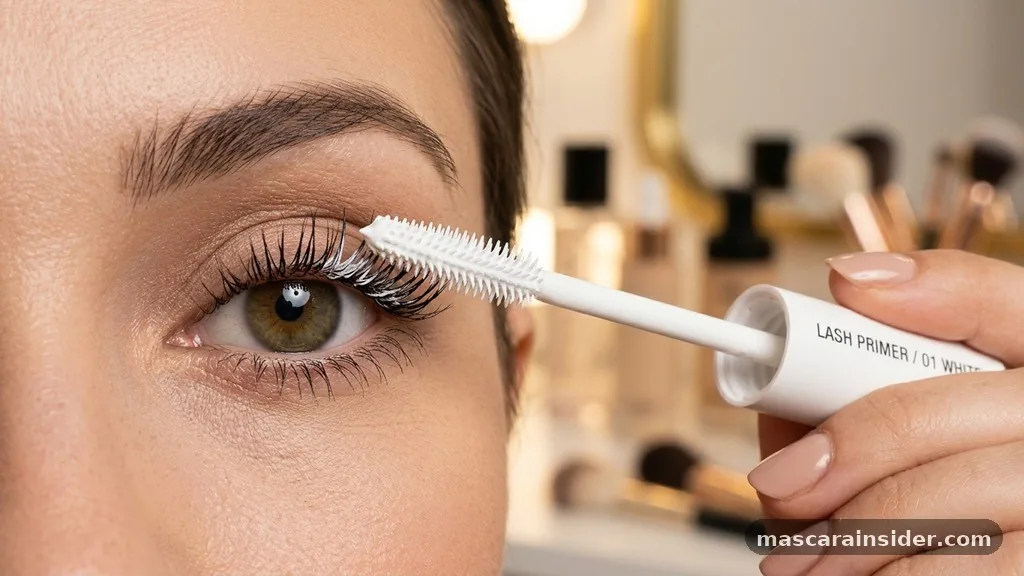
Many beauty enthusiasts wonder what is mascara primer and whether it truly belongs in their daily makeup kit. While it might seem like an extra, unnecessary step, this product functions as a foundational layer that can dramatically transform your results.
By acting as an eyelash base coat, it ensures that your colored mascara adheres more effectively, stays on longer, and provides a much more dramatic finish. If you have ever felt that your lashes look thin or lackluster despite using high-end formulas, understanding the mechanics of this preparatory product is the key to unlocking a more polished, professional appearance.
The Fundamental Purpose of Mascara Primer
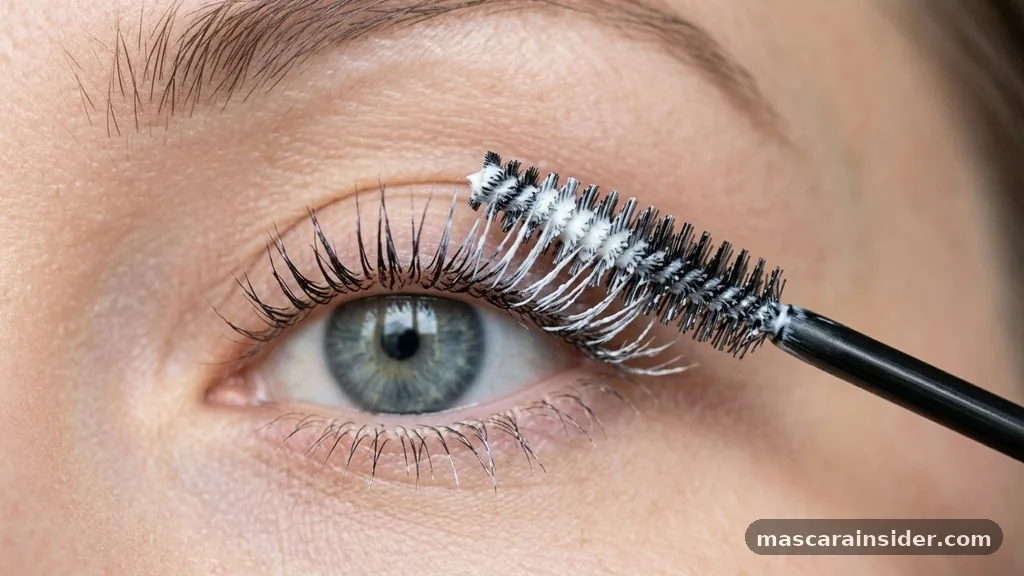
At its core, a mascara primer is designed to provide a smooth, uniform surface for your subsequent layers of eye makeup. Think of it like applying a base coat to your nails or a primer to your skin before foundation; it evens out the texture and prepares the canvas for the pigment to follow.
Most formulas are white or clear, allowing you to see exactly where you have applied the product before you layer on your dark mascara. This visibility ensures that you cover every single lash from root to tip, which is often difficult to gauge with black formulas alone.
Beyond mere application, the product serves as a lash conditioner that nourishes the hairs while you wear them. Many modern versions contain panthenol or other moisturizing agents that prevent the lashes from becoming brittle or dry throughout the day.
Because mascara can sometimes dehydrate the delicate lash fibers, having a hydrating barrier underneath is a smart way to maintain overall lash health. You are essentially giving your lashes a mini-treatment while you go about your day, keeping them soft and flexible rather than stiff and prone to breakage.
Enhancing Volume and Length Through Layering
When people ask what is mascara primer, the most common answer involves its ability to boost the performance of your favorite products. By adding a layer of primer, you are physically building up the thickness of each individual hair.
The formula typically contains conditioning polymers that cling to the lashes, creating a slightly thicker, more substantial base. Once you apply your regular black or brown mascara over this, the pigment has more surface area to grab onto, leading to a much more volumizing and lengthening effect.
If you struggle with lashes that droop or lose their curl shortly after application, a primer can also offer structural support. The stiffening agents in the primer help hold the lash in an upright position, acting like a scaffolding for your mascara.
This is particularly beneficial for those who use waterproof mascara, which can be heavy and prone to weighing down straight lashes. By using a primer as a foundation, you can achieve that sought-after lifted look that lasts from morning until night without the need for constant touch-ups.
Achieving a Flawless, Clump-Free Application
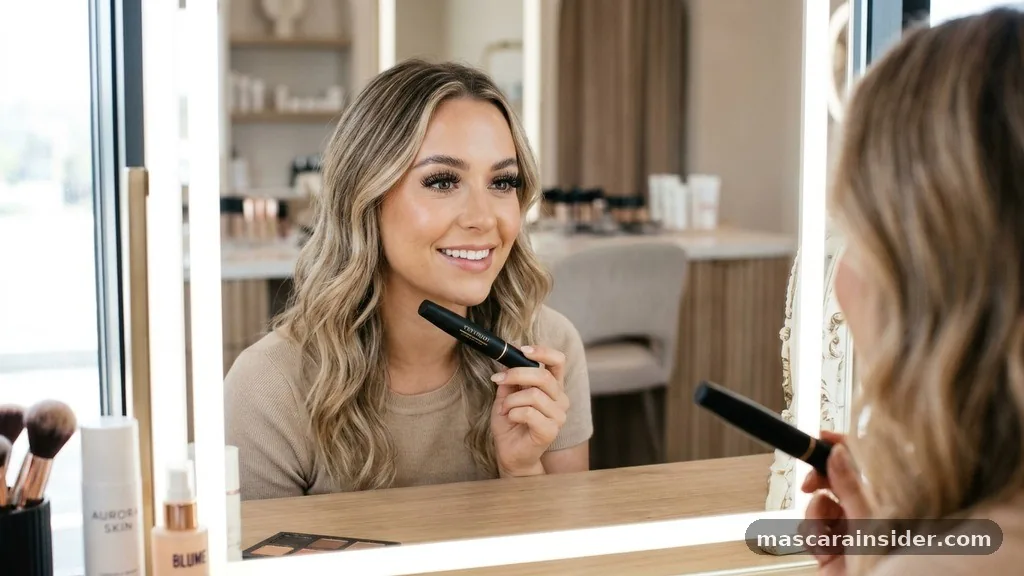
One of the most frustrating aspects of eye makeup is dealing with unsightly clumps that stick lashes together. A high-quality eyelash base coat is formulated to provide excellent lash separation, acting as a buffer that prevents your pigmented mascara from sticking to itself in thick, uneven blobs.
Because the primer is applied first, it defines each lash individually, ensuring that when you layer your mascara on top, the bristles of your wand can glide through smoothly. This technique is a secret weapon for achieving a clean, fanned-out look that mimics the effect of high-end lash extensions.
Furthermore, incorporating this step into your eye makeup routine significantly improves the longevity of your look. By creating a barrier between your natural oils and the mascara formula, the primer helps prevent the dreaded “panda eyes” or smudging that often occurs by mid-afternoon.
If you are someone who deals with oily eyelids or humid environments, using a primer creates a smudge-proof environment that locks everything in place. It essentially acts as a sealant, ensuring that your makeup stays crisp and defined regardless of the conditions.
| Feature | Standard Mascara | Mascara Primer |
|---|---|---|
| Primary Function | Pigmentation and definition | Base preparation and conditioning |
| Key Benefit | Color payoff | Volume, length, and longevity |
| Texture | Creamy, pigmented | Lightweight, often white or clear |
| Lash Health | Can be drying over time | Contains nourishing agents |
Addressing Common Misconceptions and Alternatives
A frequent question regarding this product concerns whether you can substitute it with other items found in your vanity. Some people suggest using clear mascara or even a light dusting of translucent powder as a DIY alternative.
While these methods might provide a slight amount of grip, they lack the specialized conditioning polymers and protective ingredients found in professional-grade primers. Using powder, in particular, can be messy and may even irritate the eyes if loose particles fall into the lash line, which is why it is generally discouraged by beauty experts.
It is also important to understand the nuance of cosmetic layering when using these products. You do not need to wait for the primer to dry completely to a crisp, hard finish; in fact, applying your colored mascara while the primer is still slightly “tacky” often yields the best results.
This allows the two formulas to meld together, creating a seamless transition from the base to the pigment. Whether you are using a standard formula, a fiber mascara, or a tubing mascara, the primer serves as a universal base that enhances the unique properties of whichever topcoat you choose to wear.
- Apply the primer from the very base of your lashes, wiggling the wand to ensure full coverage.
- Work on one eye at a time to prevent the primer from drying too much before the mascara is applied.
- Focus on the tips of the lashes for extra length if you are aiming for a dramatic, elongated effect.
- Use a clean spoolie brush to comb through your lashes if you accidentally apply too much product.
- Always remove your mascara and primer thoroughly at night to keep your natural lashes healthy.
What is the difference between lash primer and clear mascara?
Lash primer contains conditioning ingredients and volumizing fibers, while clear mascara is simply a non-pigmented setting gel.
Can I wear mascara primer on its own?
Yes, you can wear it alone to condition your lashes and give them a natural, healthy-looking sheen.
Does mascara primer help with waterproof formulas?
It acts as a barrier, making it easier to remove waterproof mascara without excessive scrubbing or lash damage.
Will primer make my mascara clumpy?
When applied correctly in a thin, even layer, it actually helps separate lashes and prevent clumping issues.
How often should I use an eyelash base coat?
You can safely use it every day as part of your routine to improve lash health and appearance.
Does it work for all lash types?
Yes, it benefits those with thin, short, or straight lashes by providing extra volume, length, and hold.
Is it safe for sensitive eyes?
Most reputable brands formulate these products to be ophthalmologist-tested, but always check the ingredients for personal sensitivities.
Final Thoughts on Enhancing Your Lash Routine
Incorporating a primer into your daily regimen is a simple yet effective way to upgrade the performance of your makeup. By providing a nourishing base, improving lash separation, and locking in your look, this product addresses many of the common frustrations associated with traditional mascara application. Whether you are looking for extra volume for a night out or simply want to keep your lashes healthy while wearing makeup daily, this step offers tangible benefits that are hard to ignore.
Start by experimenting with a high-quality formula and notice how much more polished your lashes look with just one extra minute of effort. Your eyes are the focal point of your face, and giving them the right foundation is a small change that makes a significant difference in your overall aesthetic.


