

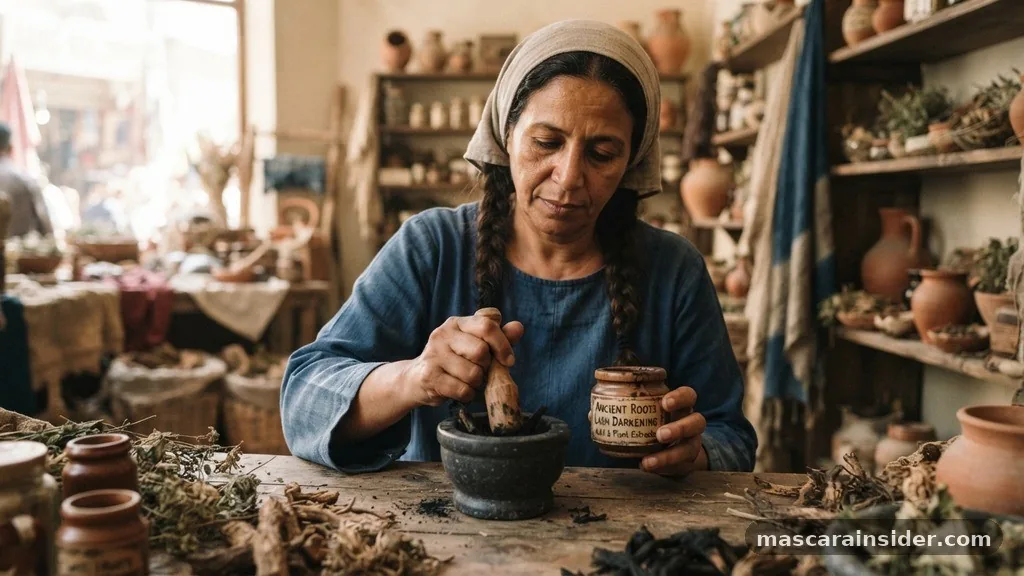
People often assume that modern beauty routines are entirely new, but the drive to enhance our eyes spans thousands of years. While we swipe on tubes of formula today, the origins of our favorite cosmetic reach back to ancient civilizations that prioritized dramatic eye definition.
Understanding who made mascara requires looking past the modern pharmacy aisle to see how chemists and entrepreneurs transformed simple soot into a global industry. By tracing these roots, we uncover the fascinating shift from dangerous homemade concoctions to the safe, reliable products we use daily.
Ancient Roots of Lash Darkening
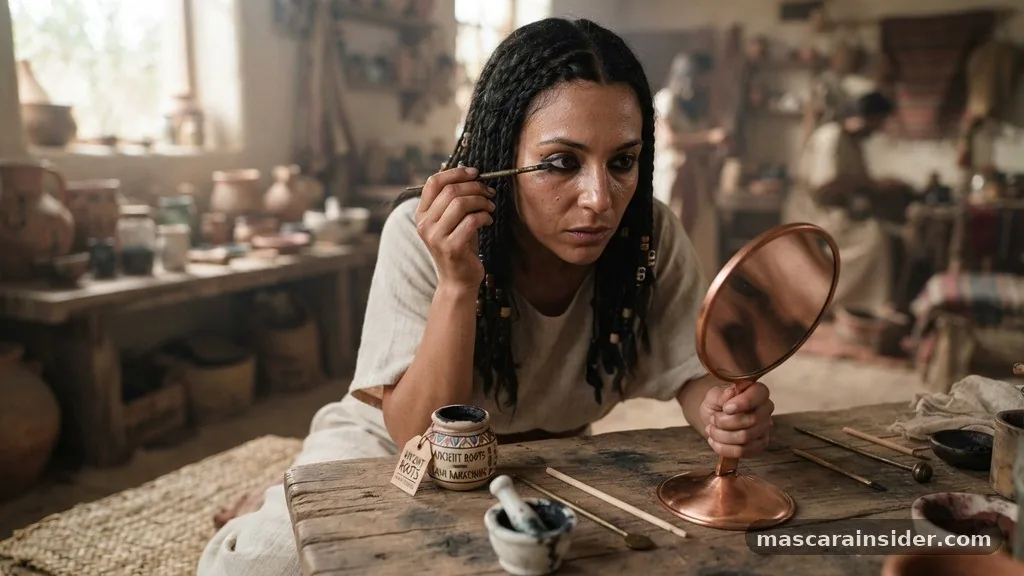
The earliest versions of eye makeup date back to ancient Egypt, where both men and women used substances to darken their features. These early beauty rituals were not just for aesthetics; they were believed to protect the eyes from the sun and ward off evil spirits. The primary substance used for this purpose was kohl, a mixture of galena, sulfur, and animal fat.
While this wasn’t mascara in the modern sense, it served the exact same function: lash darkening. Egyptians applied this dark paste to their eyelids and lashes using small sticks. These early methods of eye enhancement set the stage for a beauty standard that would persist through centuries of human history.
The Victorian Era and the Search for Safety
By the time the Victorian era arrived, the focus on eye beauty had shifted toward a more subtle, refined appearance. Women still desired dark, lush lashes, but they often resorted to dangerous DIY recipes to achieve the look. Popular home remedies during this period involved mixing lampblack or coal dust with elderberry juice or even burnt matches.
These homemade mixtures were often irritating, messy, and occasionally toxic to the delicate eye area. Because no commercial industry existed to provide a safe alternative, women were forced to gamble with their health to follow the fashion of the day. This gap in the market provided the perfect opportunity for early cosmetic pioneers to step in and offer a stabilized, safer solution.
Eugene Rimmel and the Commercialization
The transition to mass-market cosmetics began in the 19th century with the work of Eugene Rimmel. As a French perfumer living in London, Rimmel recognized the demand for a standardized product that could replace the risky homemade alternatives of the time. He developed one of the first non-toxic cake mascara products, which consisted of a compressed block of pigment.
Users would dampen a small brush to pick up the color and swipe it onto their lashes. While this required significantly more effort than today’s liquid tubes, it was a massive improvement in safety and consistency. Rimmel’s innovation was so successful that in many languages, the word for mascara is still simply “Rimmel.”
The Rise of Maybelline and T.L. Williams
The modern mascara we recognize today is largely thanks to Thomas Lyle Williams, the founder of Maybelline. In 1915, Williams watched his sister, Mabel Williams, apply a mixture of petroleum jelly and coal dust to her lashes. Seeing the potential for a commercial product, he refined the formula and began selling it by mail order under the name Maybelline, a combination of his sister’s name and the petroleum jelly base.
The Impact of the Mascara Wand
The evolution of the brush applicator changed how people used eye makeup forever. Before the 1950s, most users still relied on cakes or separate brushes to apply their products.
The introduction of the spiral wand allowed for a more even distribution of the formula, preventing the clumping that often plagued earlier versions. This innovation moved the industry away from messy, manual application and toward the convenient, high-performance tubes we find in stores today.
Why Was Mascara Originally Popular?
Many people wonder if the product was always intended for women. In reality, the history of cosmetic history shows that eye enhancement was frequently gender-neutral, particularly in ancient times.
However, by the early 20th century, social norms in the West had firmly categorized mascara as a feminine product. The marketing strategies of the 1920s and 30s solidified this association, linking the product to Hollywood glamour and the burgeoning film industry.
Innovation and the Waterproof Breakthrough
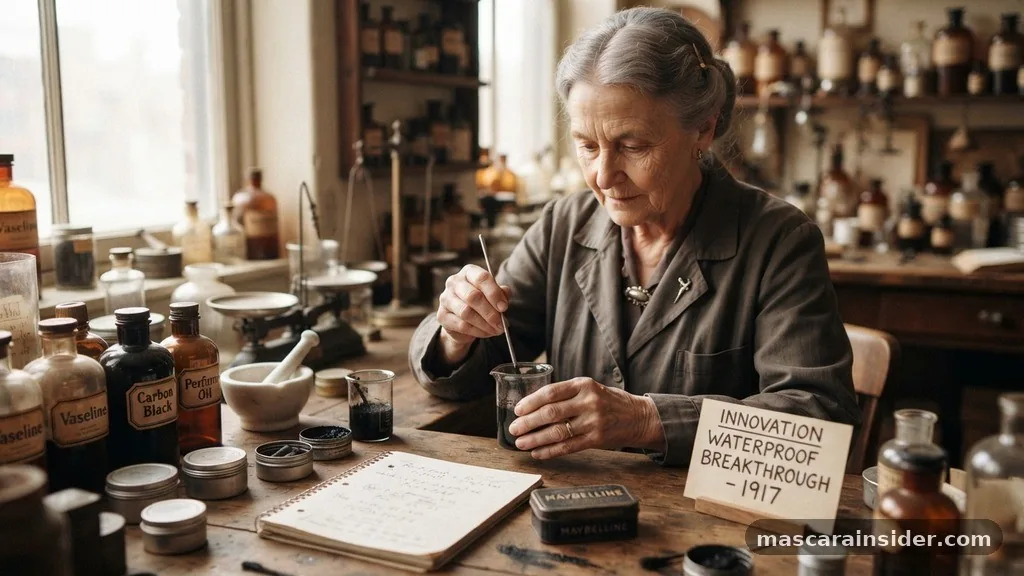
The development of waterproof mascara was a major turning point for the industry. Early formulas were prone to smudging at the first sign of rain or tears, which was a significant drawback for performers and everyday users alike. Chemists worked to create oil-based formulas that could withstand moisture without sacrificing the integrity of the lash.
This innovation required a complete overhaul of the ingredients list. By moving away from water-soluble bases, manufacturers could ensure that the pigment stayed on the lashes for hours, regardless of the environment. This shift transformed the product from a light touch-up tool into a reliable essential for long-lasting wear.
Key Milestones in Mascara Development
To better understand the timeline of these advancements, we can look at the transition from crude minerals to the sophisticated polymers used in modern tubes.
| Period | Key Innovation | Primary Ingredient |
|---|---|---|
| Ancient Egypt | Kohl application | Galena and soot |
| 19th Century | Cake mascara | Pigment and wax |
| 1915 | Maybelline debut | Petroleum jelly |
| 1950s | Spiral brush wand | Stable liquid formula |
Addressing Common Historical Myths
There is often confusion regarding Helena Rubinstein and her role in the history of this product. While she is a titan of the beauty industry, she did not invent the original concept.
Instead, she was instrumental in the commercialization and global distribution of the product throughout the mid-20th century. Her brand pushed for higher quality, better wands, and more diverse formulas, which helped solidify the product’s place in daily routines worldwide.
- Ancient civilizations utilized galena for eye protection and aesthetic appeal.
- Victorian-era beauty was defined by dangerous, homemade soot mixtures.
- Eugene Rimmel popularized the first safe, commercialized cake-based product.
- Thomas Lyle Williams built the Maybelline empire using a petroleum jelly base.
- The 1950s brush applicator revolutionized the ease and speed of application.
- Modern formulations prioritize polymers for smudge-proof, long-wear performance.
The Future of Lash Enhancement
The industry continues to evolve, with brands experimenting with fiber-infused formulas and conditioning treatments. Today, we expect our makeup to do more than just add color; we want it to nourish and strengthen our natural lashes as well. This focus on dual-purpose products represents the next phase of a centuries-old tradition.
Understanding the Evolution
The story of who made mascara is not about a single inventor, but rather a long lineage of chemists, entrepreneurs, and beauty enthusiasts. From the ancient application of kohl to the sophisticated chemistry behind today’s waterproof mascara, each step represented a push toward safer and more effective results. We have moved from the hazardous soot of the past to products that are rigorously tested and highly specialized for different needs.
Whether you prefer a dramatic volume effect or a natural look, you are benefiting from over a century of innovation in the cosmetic industry. If you want to explore more about how these products impact your daily routine, start by looking at the ingredient labels on your favorite tubes today.


