

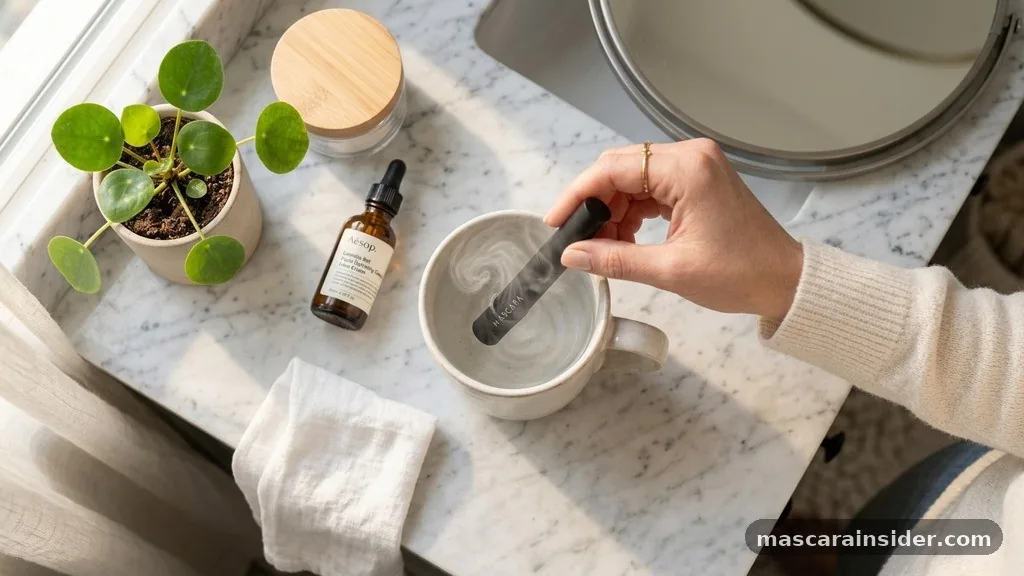
Dealing with a tube of thick, clumpy product is frustrating, but learning how to make mascara less dry can save you a trip to the store. When your favorite formula begins to thicken before its time, it often just needs a little moisture boost to restore its original consistency. By understanding the chemistry inside the tube and applying simple, safe techniques, you can achieve that smooth, clump-free application you love without sacrificing the quality of your makeup.
This process is straightforward, but it requires caution to ensure you aren’t introducing harmful contaminants to your sensitive eye area.
Understanding Why Mascara Dries Out
Mascara typically dries out because the solvent—usually water or a volatile oil—evaporates when the tube is opened. Every time you pull the mascara wand out and push it back in, you introduce air into the container, which accelerates this evaporation process. Over time, the formula becomes thick, gummy, and difficult to apply evenly to your lashes.
Most cosmetic products have a specific shelf life, usually ranging from three to six months once opened. If your mascara is beyond this window, the drying isn’t just a texture issue; it is a sign that the preservatives are losing their effectiveness. Using expired makeup increases the risk of eye irritation and infections, so always check the manufacturing date before attempting to revive an old tube.
Safe Methods to Restore Your Mascara
When your product is still within its usable lifespan, you can use a few common household items to bring it back to life.
The goal is to reintroduce moisture without altering the formula’s integrity or introducing bacteria.
Using Warm Water Baths 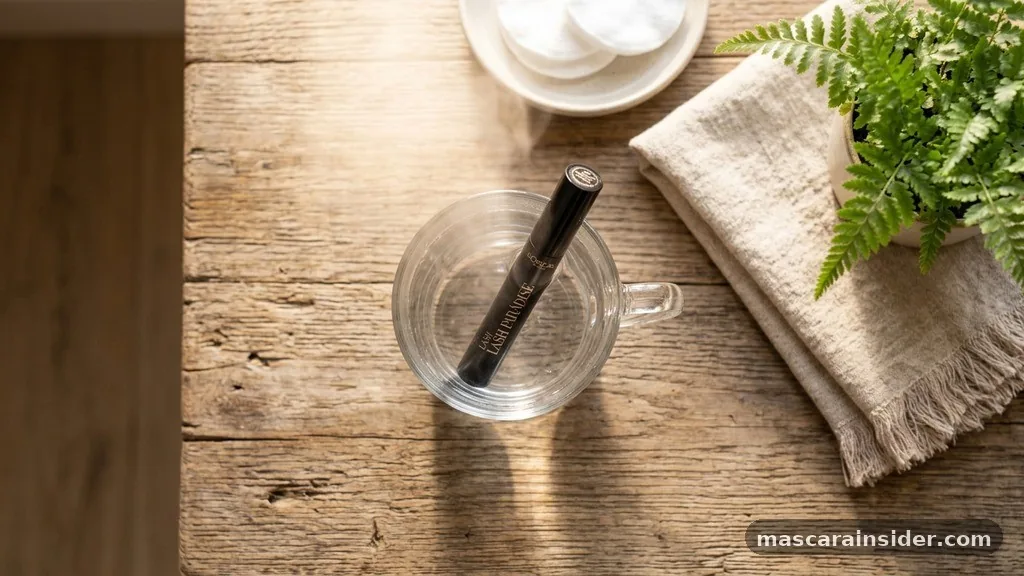
The warm water bath technique is widely considered the safest method because it doesn’t require adding foreign substances directly into the chemical composition of the mascara. Simply place the closed tube in a cup of hot—not boiling—water for about five minutes.
The heat helps soften the waxes and oils inside, allowing the product to loosen up enough for smooth application.
Adding Diluting Liquids 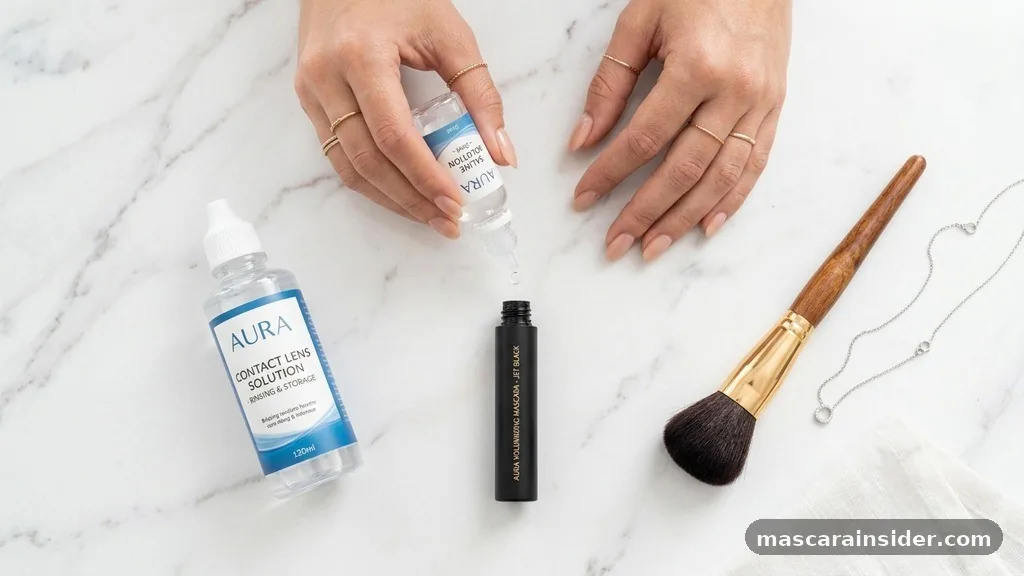
If heat alone doesn’t work, you might need a drop or two of a thinning agent. Be extremely careful with what you add, as the wrong substance can cause the formula to separate or become a breeding ground for microbes.
* Saline solution: A drop of sterile contact lens solution works well because it is designed to be safe for eyes.
* Micellar water: A tiny amount can help break down the dried pigments, though it may slightly alter the waterproof nature of some formulas.
* Eye drops: Many people use lubricating eye drops to thin out clumps, as these are formulated to be non-irritating.
Avoiding Damaging Ingredients
Never use tap water, saliva, or heavy oils that aren’t meant for the eye area. Saliva, in particular, is full of bacteria that thrive in the dark, moist environment of a mascara tube.
Always stick to sterile, ophthalmologist-tested liquids to protect your vision and avoid potential infections.
Comparing Restoration Techniques
Different methods offer varying levels of efficacy depending on the type of mascara you use. The following table outlines the pros and cons of the most common approaches to fixing a dried-out tube.
| Method | Pros | Cons |
|---|---|---|
| Warm Water Bath | Zero risk of contamination; easy to perform. | Temporary effect; requires waiting time. |
| Saline Solution | Effective at thinning; eye-safe ingredients. | Can dilute the formula too much if overused. |
| Eye Drops | Readily available; generally gentle. | May contain additives that affect wear time. |
Addressing Topical Gaps
Many people wonder if they can use natural oils like jojoba oil or active treatments like an eyelash serum to fix their mascara. While these ingredients are beneficial for lash health, they are often too heavy for mascara formulas. Adding oil can cause the mascara to smudge or “run” under your eyes throughout the day. If you want to nourish your lashes, it is far more effective to apply an eyelash serum at night rather than trying to mix it into your makeup.
Additionally, users often ask about the spoolie brush itself. Sometimes, the mascara isn’t dry; the brush is simply clogged with old, hardened product. Before adding any liquid to the tube, try cleaning the wand with a mild makeup remover or a gentle soap.
A clean wand often resolves the issue of clumpy application without needing to alter the formula at all.
Best Practices for Longevity
To prevent your mascara from drying out prematurely, focus on how you handle the tube during your daily routine. Air exposure is the primary culprit behind the thickening of your favorite products.
- Avoid pumping the wand in and out of the tube, as this forces air inside.
- Always screw the cap on tightly to ensure an airtight container environment.
- Store your makeup in a cool, dry place away from direct sunlight or humidity.
- Wipe the excess product off the wand onto a tissue rather than the rim of the tube.
- Replace your mascara every three months to minimize the risk of bacterial growth.
Recognizing When to Let Go
Knowing how to make mascara less dry is a helpful skill, but it is not a permanent fix. If you notice a change in the smell of the product, or if your eyes feel itchy or red after application, discard the tube immediately. These are classic signs of cosmetic expiration and potential contamination. No amount of saline or heat can make a product safe once the preservatives have broken down. Prioritize your ocular health over saving a few dollars on a replacement tube.
Frequently Asked Questions
Is it safe to add water to mascara?
No, adding tap water introduces bacteria into the tube, which can lead to serious eye infections quickly.
Can I use contact lens solution to fix dry mascara?
Yes, a single drop of sterile saline solution is a safe way to thin out slightly dried mascara.
How do I know if my mascara is expired?
Check for a sour smell, a change in texture, or an expiration symbol on the original packaging label.
Should I add oil to my mascara to revive it?
Avoid adding oils, as they can cause smudging and prevent the mascara from setting properly on your lashes.
How often should I replace my mascara?
You should replace your mascara every three months to prevent bacterial growth and ensure the formula remains effective.
Does a warm water bath work for waterproof mascara?
It can help loosen the formula, but waterproof mascara is designed to resist water, so results will vary.
Can I use eye drops to rehydrate my mascara?
Yes, using a drop of lubricating eye drops is a common and generally safe way to revive mascara.
Closing Thoughts
Mastering the art of reviving your makeup is a useful way to extend the utility of your beauty products, but it should always be done with your health in mind. By keeping your tubes tightly closed, avoiding the “pumping” habit, and using only sterile, eye-safe additives when necessary, you can keep your lashes looking their best for as long as possible. Remember that knowing how to make mascara less dry is a temporary solution for a product that has lost its moisture, not a way to extend its life indefinitely. If you have any other tips or tricks that have worked for you, feel free to share your experiences with us below.


