


Accidentally getting a bit of eye makeup in your mouth is usually a minor mishap, but wondering what happens if you eat mascara is a common concern for parents and curious individuals alike. While these products are designed specifically for external application around the delicate eye area, they are not formulated for human consumption.
Understanding the potential risks involves looking at the chemical composition of these beauty staples and how your body processes foreign substances. Most incidents involve only a tiny amount, which generally passes through the digestive tract without significant issues, yet it remains important to recognize when a situation warrants professional medical attention.
Understanding the Chemical Composition of Mascara
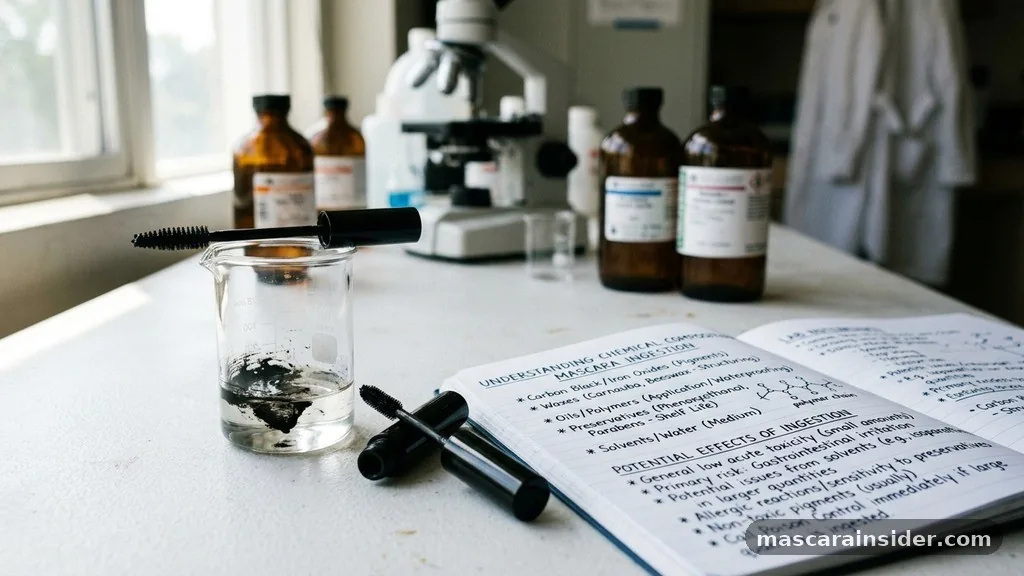
Most modern mascaras are complex emulsions containing a blend of pigments, waxes, polymers, and preservatives designed to lengthen and thicken eyelashes. When you consider what happens if you eat mascara, you are essentially asking how your digestive system interacts with these synthetic materials.
The primary pigments, often iron oxides for brown or carbon black for intense darkness, are generally inert minerals. These pigments are manufactured to be stable, but they are not intended for ingestion.
Beyond pigments, the base of the product consists of waxes like beeswax, carnauba, or paraffin, mixed with film-forming polymers. These polymers create that smudge-resistant layer on your lashes. While these materials are not typically classified as highly poisonous, they are completely indigestible.
If you ingest a significant amount, your stomach may struggle to break down these waxy compounds. Because these ingredients are meant for skin contact rather than oral contact, the regulatory standards for them focus on ocular and dermatological safety rather than food-grade purity.
Immediate Physical Reactions to Accidental Ingestion
When a small amount of eye makeup enters the mouth, your immediate reaction might be a bitter taste or a slight tingling sensation. This is often due to the preservatives included in the formula to prevent bacterial growth in the tube.
These chemicals are quite potent because they have to survive in a moist, dark environment where bacteria thrive. Upon contact with the delicate tissues of the mouth and throat, these compounds can cause temporary mucosal irritation.
You might notice a coating sensation on your tongue or the roof of your mouth. This is the wax content reacting to the warmth of your oral cavity. While your saliva works to break down food, it is not equipped to dissolve these synthetic polymers.
If you have ingested more than just a trace amount, you might experience mild nausea. This is the body’s natural response to encountering a substance it recognizes as non-nutritive and potentially foreign. It is rarely a sign of severe poisoning, but rather the digestive system signaling that it has encountered something it cannot process as fuel.
Potential for Gastrointestinal Distress
For the majority of cases involving accidental swallowing, the primary outcome is minor gastrointestinal distress. Because the ingredients are not meant for the gut, they can sit heavily in the stomach.
You might experience minor cramping, bloating, or even a slight change in stool consistency as the material passes through your system. These symptoms are typically transient and resolve once the substance has moved through the intestines.
If you have a particularly sensitive stomach, even a small quantity of synthetic wax or pigment can trigger a mild inflammatory response in the gut lining. This is not the same as systemic toxicity, but it can be uncomfortable.
Staying hydrated is the most effective way to help your body move these materials through the digestive tract. If you notice persistent abdominal pain or vomiting, it is important to monitor the situation closely, as these symptoms can sometimes indicate that the quantity ingested was enough to cause a more significant physical reaction than simple indigestion.
The Role of Preservatives and Chemical Exposure
Every mascara tube is a potential breeding ground for microorganisms, which is why manufacturers include heavy-duty preservatives. When you worry about what happens if you eat mascara, the risk isn’t just the makeup base; it is the chemical cocktail designed to keep the product sterile.
Common preservatives include parabens, phenoxyethanol, or even formaldehyde-releasers in some older formulations. These substances are safe for the skin but can be harsh on the mucosal lining of the GI tract.
Chemical exposure from a single, small ingestion event is rarely enough to cause long-term harm or toxicity in an adult. However, because these products are not food-grade, they have not undergone the rigorous testing required for substances that are meant to be swallowed.
The toxic ingredients found in eye makeup are regulated strictly for use around the eyes. If you find yourself in a position where you have swallowed a large amount—such as a child getting into a full tube—the chemical concentration could potentially lead to more than just a stomach ache, making a call to a professional necessary.
Consulting with Professionals and Poison Control

If you are ever in doubt about the severity of an ingestion, never hesitate to contact a poison control center. These experts are trained to assess the risk based on the specific brand, the amount ingested, and the age of the person involved.
They can provide immediate, actionable advice that is far more accurate than online speculation. They have access to databases that list the exact ingredient profiles of most commercially available cosmetic products.
When you call, have the product packaging ready so you can read the ingredient list to the operator. They will likely ask about the estimated amount consumed and if there are any current symptoms like wheezing, persistent vomiting, or difficulty swallowing.
If you are experiencing an allergic reaction, such as swelling of the lips, tongue, or throat, this is a medical emergency that requires immediate intervention at an urgent care facility or emergency room. While rare, an allergic response to a cosmetic ingredient can be severe and happens much faster than typical digestive issues.
Distinguishing Between Eye Safety and Oral Safety
It is vital to distinguish between cosmetic safety for the eyes and the requirements for oral safety. An ophthalmologist approves mascara based on its potential to cause irritation to the eye surface, which is arguably one of the most sensitive parts of the body. If a product is safe for the eye, it is generally considered low-toxicity, but this is a far cry from being “safe to eat.”
| Factor | Eye Safety Standards | Oral Consumption Risks |
|---|---|---|
| Regulatory Focus | Ocular irritation and infection | Systemic toxicity and digestion |
| Primary Concern | Microbial growth and abrasion | Chemical absorption and gut health |
| Typical Outcome | Redness or tearing | Nausea or minor stomach upset |
The regulatory framework for cosmetic safety ensures that products won’t cause permanent damage during normal use. However, these regulations do not account for the breakdown of ingredients by stomach acid or their absorption into the bloodstream through the intestinal wall. Therefore, while you don’t need to panic over a tiny accidental smear, you should view all makeup as strictly non-edible.
Why Mascara Should Never Be Near the Mouth
Beyond the risk of ingestion, there are practical reasons why mascara should never come into contact with the mouth or lips. The applicator brushes are designed to navigate the lash line, not the soft, moist tissue of the lips.
Introducing these brushes to the mouth can transfer oral bacteria into the tube. Once these bacteria enter the mascara, they can multiply, potentially leading to eye infections when you next apply the product to your eyelashes.
Furthermore, using eye makeup products on your lips is a common cause of cross-contamination. Many people have tried to use a dark mascara as a makeshift lip liner or lipstick, but this is a poor idea.
The skin on your lips is thinner and more permeable than the skin on your eyelids, which increases the likelihood of absorbing any chemicals present in the formula. Stick to products specifically formulated for the lips, as they are tested for safety if small amounts are inevitably ingested during eating or drinking.
Common Myths About Makeup Toxicity
There is a lot of misinformation circulating online regarding the toxicity of beauty products. One common myth is that all makeup contains heavy metals that accumulate in the body and cause immediate damage.
While some pigments can contain trace amounts of heavy metals, these are strictly monitored by health organizations. The fear that a small amount of mascara is “poisonous” in the traditional sense is largely unfounded, yet this doesn’t make it healthy.
Another misconception is that natural or organic mascaras are perfectly safe to eat. While they may use safer alternatives to synthetic preservatives, they still contain waxes, resins, and pigments that your body cannot digest. Organic products can also be more prone to bacterial contamination, which presents its own set of health risks.
Always treat any cosmetic product as a non-food item, regardless of its marketing or ingredient list. Being informed helps you avoid unnecessary anxiety while maintaining a realistic understanding of potential hazards.
Addressing Frequently Asked Questions
Is it dangerous if I accidentally swallowed a little mascara?
It is generally not dangerous. Most people experience no symptoms, though mild nausea or stomach upset can occur.
What should I do if a child eats mascara?
Contact your local poison control center immediately for expert guidance based on the specific brand and quantity ingested.
Can the chemicals in mascara cause long-term health issues?
Small, accidental ingestions are unlikely to cause systemic toxicity or long-term harm to a healthy adult.
Why does my mouth feel weird after getting mascara on it?
This is usually caused by the wax and preservatives irritating the sensitive mucous membranes of your oral cavity.
Does mascara contain toxic heavy metals?
Some mascaras contain trace minerals, but they are strictly regulated to stay well below levels deemed dangerous.
Should I induce vomiting if I swallowed eye makeup?
No, never induce vomiting unless explicitly instructed to do so by a medical professional or poison control.
Are there ingredients in mascara that I should be allergic to?
Some people may react to specific preservatives like parabens or dyes, which can cause swelling of the mouth.
Maintaining Awareness and Safety
Understanding what happens if you eat mascara boils down to recognizing that it is a synthetic product designed for external use. While a minor accidental ingestion is rarely a medical crisis, it is a reminder to keep cosmetics stored securely away from children and to use products only as intended. Your body is resilient, but it is not designed to process the waxes, polymers, and preservatives found in beauty supplies.
If you or someone in your care has consumed a significant amount, prioritize professional medical advice over home remedies. Keep the packaging handy, monitor for any unusual symptoms, and maintain a calm approach.
By treating all beauty products with the appropriate level of caution, you ensure that your makeup routine remains a positive part of your day rather than a source of health concerns. Stay alert, keep your products clean, and always prioritize your well-being.


