

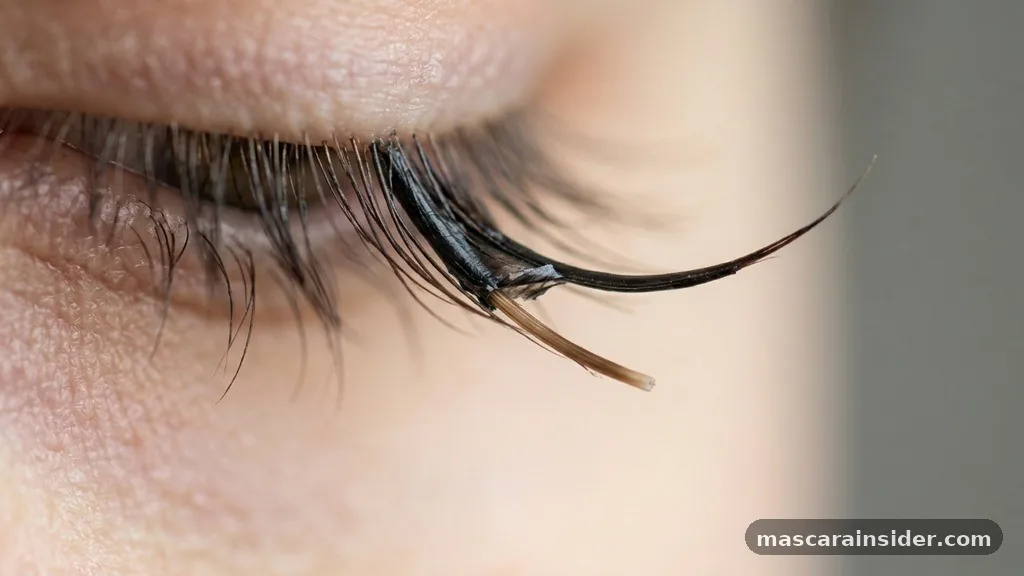
Learning how to remove tubing mascara effectively is the secret to maintaining healthy, long-lasting lashes without the frustration of stubborn smudging. Unlike traditional waxes, these formulas create tiny, water-resistant tubes around each lash, meaning the standard scrubbing routine you might be used to often does more harm than good.
By understanding the unique way these products interact with temperature and moisture, you can slide the product off cleanly in seconds. This approach prevents unnecessary tugging, protects your natural lash health, and ensures you aren’t left with those dark, persistent raccoon-eye circles after washing your face.
The Mechanism Behind Tubing Mascara Formulas
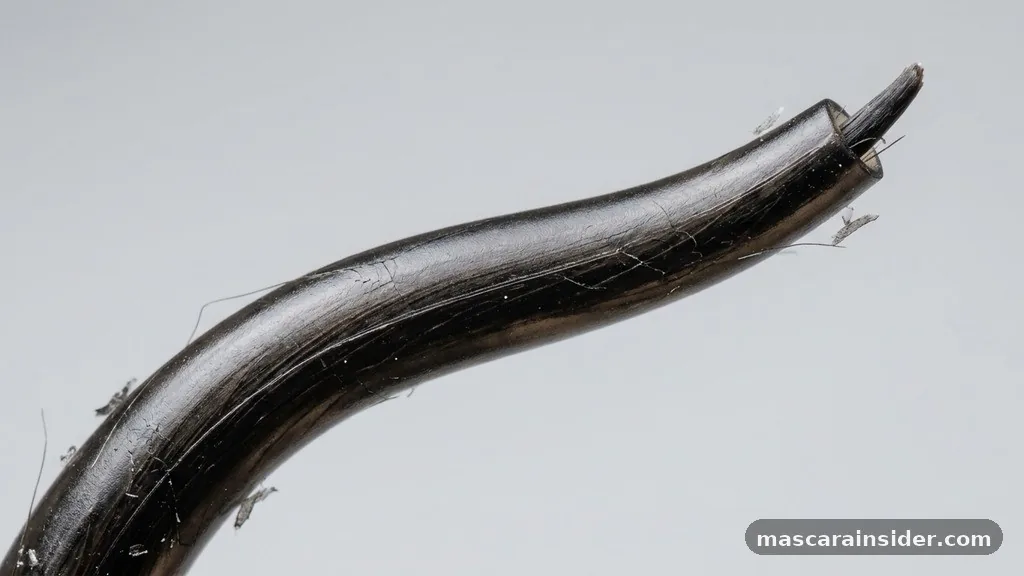
Tubing mascara is fundamentally different from standard cosmetics because it utilizes a polymer-based formula rather than traditional oils or waxes. When you apply this product, the synthetic polymers wrap around every individual lash, forming a cohesive sleeve or tube that hardens as it dries. This structure is what makes the product so resistant to smudging, sweat, and humidity; because the formula isn’t oil-soluble, it doesn’t break down into a messy liquid when exposed to natural facial oils or perspiration.
The beauty of this technology lies in its reaction to specific environmental triggers. These tubes are engineered to remain intact under most conditions, but they have a distinct weakness: warm water. When you introduce a consistent temperature, the polymers soften and lose their grip on the lash hair.
This allows the entire sleeve to slide off in one piece, rather than dissolving into a pigment-filled sludge that stains your eyelids. Understanding this physical reaction is the foundation of mastering the removal process.
Because the product relies on this physical “tube” structure, it doesn’t penetrate the lash cuticle the way oil-based mascaras do. This makes it a popular choice for people who wear lash extensions, as the lack of heavy oils prevents the adhesive bonds from weakening prematurely.
However, you must be careful not to pull or force these tubes before they are ready to release. If you try to remove them while the water is too cool or before the product has fully saturated, you risk causing lash shedding or physical breakage.
The Essential Role of Warm Water
The most critical step in learning how to remove tubing mascara is using the right temperature of liquid. You want to use lukewarm water—not boiling hot, which could irritate the delicate skin around your eyes, but warm enough to activate the softening process of the polymers. Cold water will simply cause the tubes to lock tighter, making them impossible to remove without significant mechanical force.
When you begin your cleansing routine, splash your eye area with warm water and let it sit for a few seconds. This pause is vital. You are essentially giving the polymers time to absorb the heat and loosen their structural integrity.
Some people find that a warm, damp compress is even more effective than just splashing water from the sink. By holding a warm cloth against your closed eyelids for thirty seconds, you ensure even heat distribution across all the lashes, which makes the subsequent sliding motion much easier.
If you find that your mascara is particularly stubborn, it might be that your water temperature is too low or your contact time is insufficient. Many users make the mistake of trying to rub the product off immediately after getting their face wet. Instead, think of this as a “soak method.”
The goal is to saturate the tubes until they feel slippery to the touch. Once they reach this stage, they will slide off easily with the slightest touch, leaving your natural lashes clean and undamaged.
Techniques for Gentle Removal
Once the mascara has been sufficiently softened by warm water, you need to use gentle pressure to slide the tubes away. Never scrub your eyelids back and forth.
Scrubbing is the primary cause of skin irritation and premature lash loss. Instead, place your fingertips or a soft pad at the base of your lashes and pull upward and outward toward the tips, mimicking the motion of applying the mascara in the first place.
Using a microfiber cloth can be a game-changer if you prefer a more controlled removal process. The fibers of the cloth grab onto the softened tubes, pulling them away from the lash hair without requiring you to pull on the eyelid skin.
Wet the cloth with warm water, hold it against your lashes for a few moments, and then gently wipe downward. You will likely see the small, tube-like structures on the cloth; this is a sign that the product is coming off exactly as intended.
Avoid the temptation to use heavy-duty rubbing motions, even if you feel like some residue remains. If you are still seeing black streaks, it usually means the product hasn’t been fully softened yet. Simply re-wet the area with more warm water and repeat the soak.
Patience is your best ally here. If you find yourself tugging, you are working too hard. The beauty of this specific type of formula is that it should be effortless to remove once the chemistry is triggered correctly.
Comparison of Removal Methods
| Method | Effectiveness | Best For | Potential Risk |
|---|---|---|---|
| Warm Water Soak | High | Daily Use | None |
| Microfiber Cloth | High | Sensitive Skin | Mild friction |
| Oil-Based Remover | Low | Accidental use | Eye irritation |
| Micellar Water | Moderate | Quick removal | Incomplete removal |
Addressing the Common Misconception of Oil Cleansers
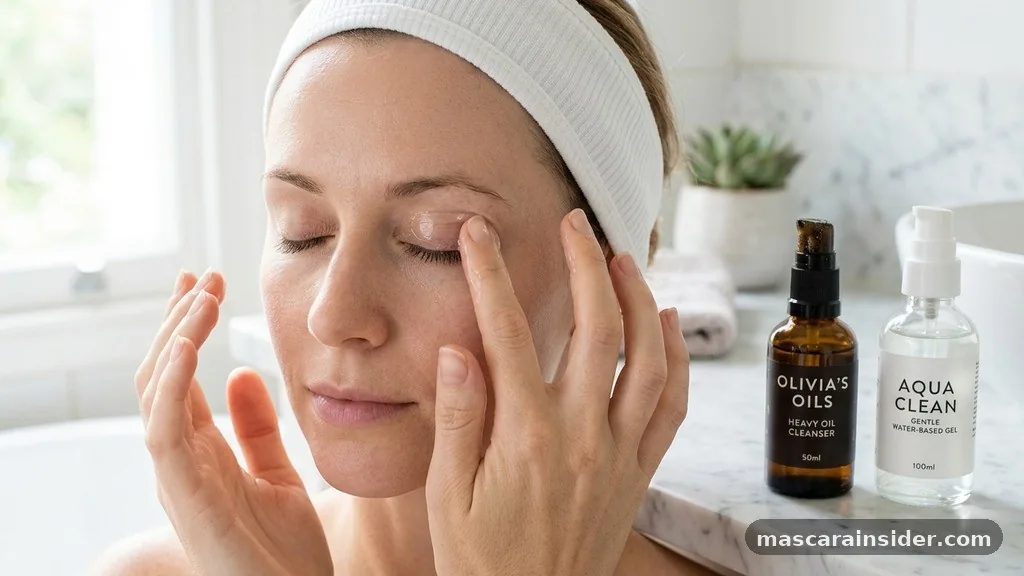
Many makeup enthusiasts are conditioned to reach for an oil-based makeup remover or an oil cleanser as their first line of defense. While these products are excellent for breaking down traditional waterproof mascara, they are largely ineffective against tubing formulas.
Because tubing mascara is water-based and oil-resistant, the oil simply slips over the tubes without dissolving them. You might end up with an oily film on your eyes, but the mascara will likely remain firmly attached to your lashes.
Trying to force these products to work can lead to eye irritation. When you repeatedly apply oil cleansers and then rub your eyes in an attempt to remove the stubborn product, you are creating a cycle of friction that the skin around your eyes—which is thinner and more delicate than the rest of your face—cannot handle. This leads to redness, puffiness, and potential contact dermatitis if the product gets into your eyes.
If you are using a double cleansing routine, you should always handle the tubing mascara first with warm water. Once the mascara is completely removed and rinsed away, you can proceed with your oil cleanser to remove the rest of your face makeup and sunscreen. This sequence ensures that you aren’t pushing remnants of the mascara into your pores or onto your delicate eye area while trying to clean your skin.
Can You Use Micellar Water?
Micellar water is a popular choice for many, but its efficacy on tubing mascara is a bit of a mixed bag. Micellar water is designed to lift impurities and makeup from the skin, and while it is gentler than many traditional removers, it doesn’t necessarily contain the heat-activation properties required to soften the synthetic polymers in tubing mascara. If you use it, you must be prepared to spend significantly more time soaking your lashes.
If you choose to use micellar water, don’t just wipe it across your eyes. Saturate a cotton pad, press it firmly against your closed eyelid, and hold it there for at least sixty seconds. This allows the moisture in the micellar water to penetrate the tubes.
Even then, you might find that it takes a few passes to get everything off. Many people find that simply using plain warm water is faster, cheaper, and more effective than using a specialized micellar solution.
There is also the consideration of residue. If the micellar water doesn’t fully remove the tubes, you might find yourself with tiny, hard-to-see black flakes on your pillow or under your eyes the next morning. If you find that your preferred micellar water isn’t doing the job, don’t feel like you need to change your entire skincare routine—just incorporate a warm water soak before you apply your cotton pad.
Common Topical Gaps in Removal Knowledge
One of the biggest gaps in the conversation around removing this product is the issue of “leftover” tubes. Often, users assume that if the majority of the mascara is gone, the rest will naturally fall off during the night.
However, if these tiny, hardened polymers remain on your lashes, they can cause your lashes to become brittle or clump together when you apply a fresh coat the next morning. This is often why people complain about “spiky” or “clumpy” lashes after a few days of wear.
Another gap is the impact of eye shape. People with hooded eyes or deep-set eyes often find that their lashes touch their brow bone. If you don’t remove every single tube, these residual pieces can transfer onto the skin above your lid, creating a persistent smudge that is difficult to fix without ruining your eyeshadow.
The key is to use a spoolie brush after your initial wash. Once your lashes are damp and the tubes are softened, a quick run-through with a clean mascara wand can dislodge any stubborn pieces that your fingers missed.
Lastly, there is the concern of hygiene. Because these tubes are physically shed from the eye, they can sometimes carry trapped debris or bacteria.
Always ensure you are rinsing your eye area thoroughly after the tubes have been removed. Don’t just wipe them away and leave your skin unrinsed; follow up with a gentle facial cleanser to ensure your lash line is completely clear of any removed polymer debris.
Troubleshooting Stubborn Residue
Sometimes, despite your best efforts, a few stubborn tubes just won’t budge. This can happen if the mascara was applied in multiple, thick layers or if the formula has aged inside the tube.
If you encounter this, do not reach for tweezers or your fingernails. The risk of pulling out your natural lashes is far too high, and the damage to your lash follicles can take months to repair.
Instead, try a warm towel compress for a longer duration. Two to three minutes of consistent, moist heat will soften even the most stubborn layers. If you still have trouble, apply a very small amount of a gentle, water-based eye cream or a light hydrating serum to your lashes.
The moisture in these products can sometimes help loosen the grip of the polymers. Let it sit for a minute, then gently wipe away with a warm cloth.
If you find yourself struggling with this daily, it might be worth evaluating how you apply your mascara. Applying too many coats can create a thick, complex web of polymers that is naturally harder to remove.
Try limiting your application to one or two coats. Not only will this look more natural and prevent the “spidery” lash effect, but it will also make your nightly removal routine significantly faster and easier to manage.
Protecting Lash Health During the Process
The health of your natural lashes should be the priority in any makeup routine. Because tubing mascara doesn’t require harsh chemical solvents for removal, it is inherently better for your lash longevity than waterproof alternatives that require aggressive rubbing. However, you must remain vigilant about your technique. Lash shedding is a natural process, but you don’t want to accelerate it through poor removal habits.
Consider incorporating a lash conditioning serum into your nightly routine after you have finished cleansing. Since you aren’t using harsh makeup removers that strip the hair of its natural oils, your lashes are already in a better position to stay hydrated. A peptide-based serum can further support the strength of your lashes, ensuring that even if you have a night where you have to be a bit more thorough with your removal, your lashes remain resilient.
Keep your tools clean as well. If you use a reusable microfiber cloth, wash it frequently. If you use a spoolie to help remove residue, make sure it is washed and dried properly.
Introducing bacteria to your lash line is a quick way to cause irritation or infection, which will make your eyes sensitive and difficult to manage. A clean routine is a healthy routine, and it ensures that your mascara removal process remains simple and effective.
Summary and Best Practices
Removing tubing mascara is a simple, scientific process that relies on the interaction between heat, moisture, and polymer-based formulas. By focusing on warm water and gentle, consistent pressure, you can protect your natural lashes while ensuring a clean look every single day. Remember that your patience during the soaking phase is what prevents the need for scrubbing, which is the primary enemy of healthy eyelids.
* Always use warm, not hot, water to soften the polymers.
* Avoid oil-based cleansers, as they are ineffective against this specific formula.
* Use a gentle, downward sliding motion rather than a scrubbing motion.
* Incorporate a warm compress if the mascara is particularly stubborn.
* Clean your lashes thoroughly to prevent any residue from accumulating.
* Consider a lash serum to maintain strength if you wear mascara daily.
By following these guidelines, you can enjoy the long-lasting, smudge-proof benefits of tubing mascara without any of the typical removal headaches. Feel free to adjust the soak time based on the specific brand you are using, as some formulas may require slightly more moisture than others. Once you master the warm water technique, you will likely never want to go back to traditional, hard-to-remove formulas.
Frequently Asked Questions
Is tubing mascara harder to remove than regular mascara?
It is not harder, but it requires a different technique: warm water instead of oil-based removers.
Can I use micellar water to remove tubing mascara?
You can, but it is less effective than warm water and requires a long, firm soaking period.
Does tubing mascara cause lash shedding?
Only if you pull or tug on the tubes before they have been properly softened by water.
What should I do if the mascara won’t come off?
Apply a warm, damp cloth as a compress for two minutes to better soften the polymer tubes.
Are oil cleansers effective for tubing mascara?
No, oil cleansers cannot break down the synthetic polymers used in these specific mascara formulas.
Is it safe to use tubing mascara with lash extensions?
Yes, because it is oil-free, it is generally considered safe and compatible with most lash extensions.
How do I prevent eye irritation during removal?
Avoid scrubbing; use gentle, sliding motions and ensure your water temperature is comfortable, not scalding hot.


