

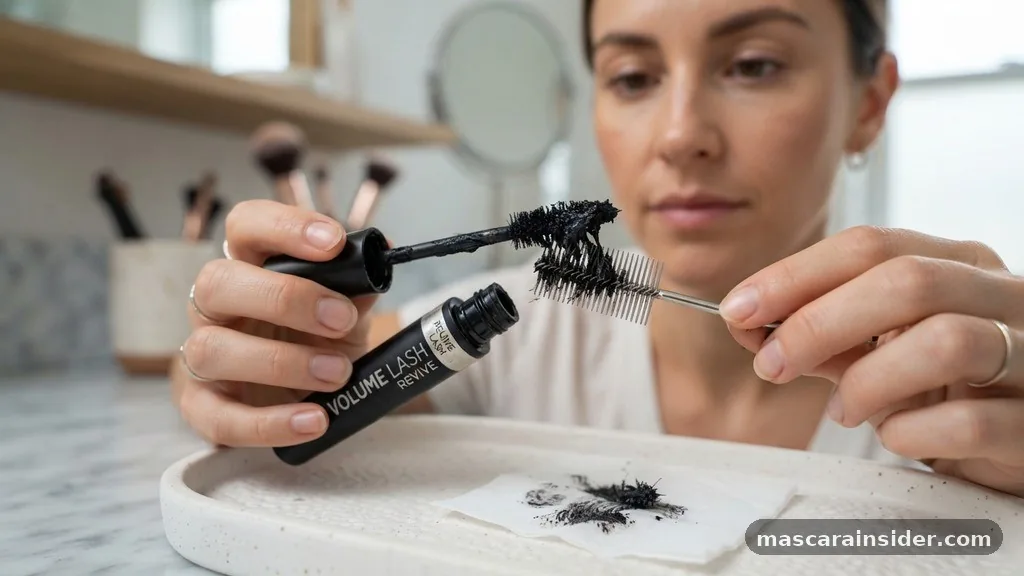
Struggling with a dried-out, spidery makeup look is a common frustration for anyone who enjoys a bold lash. When your favorite product starts feeling thick or sticky, figuring out how to unclump mascara can save you a trip to the store and keep your beauty routine running smoothly.
Instead of tossing a half-full tube into the trash, a few simple adjustments can restore the ideal texture and give you that smooth, defined finish you expect. This process is straightforward, cost-effective, and surprisingly easy to master with items you likely already have tucked away in your bathroom cabinet.
Restoring Texture with Simple Methods
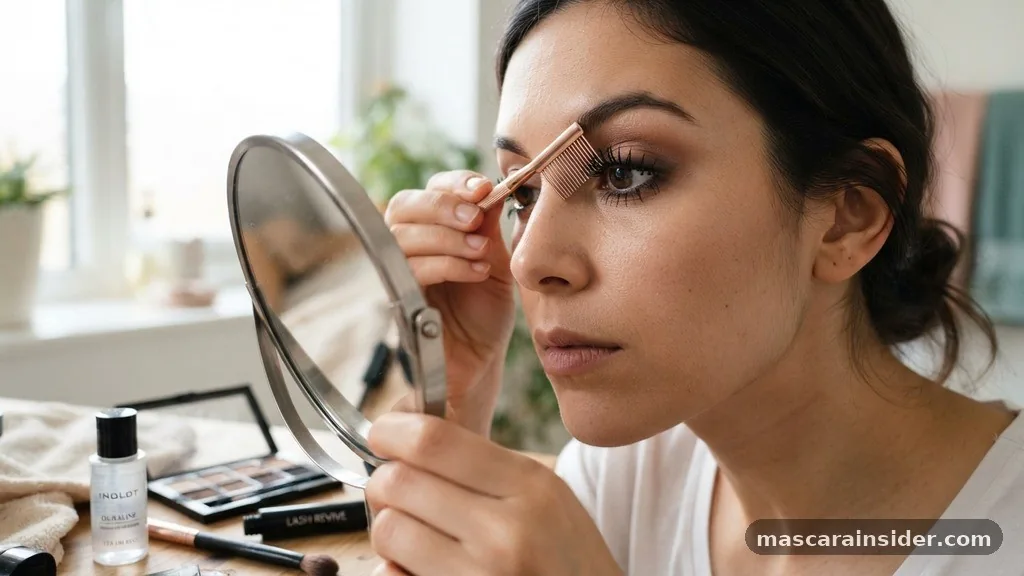
You can often fix a thick, gloopy tube by adding a few drops of moisture to alter the viscosity of the formula. This doesn’t mean you should throw just anything into the container, as some substances can cause irritation or bacterial growth. The safest and most effective way to restore your product is by using a gentle, sterile liquid that mimics the natural moisture of the eye.
Adding a couple of drops of saline solution or lubricating eye drops is the gold standard for reviving a dried-out formula. These liquids are designed to be safe for contact lenses and sensitive ocular tissues, making them the perfect choice for thinning out your makeup.
Simply place two to three drops directly into the tube, insert the mascara wand, and gently swirl it around. Avoid the pump action of moving the wand in and out rapidly, as this forces air into the tube, which only accelerates the drying process.
Using a Warm Water Bath
If you prefer not to add extra liquid to your tube, a warm water bath is a highly effective way to soften the contents without altering the chemical composition of the product. This method uses heat to gently loosen the wax and pigments that have hardened inside the container over time.
Fill a small glass or mug with hot, but not boiling, water. Place your tightly sealed tube into the water and let it sit for about three to five minutes.
The heat will permeate the plastic or metal casing, warming the formula and lowering its viscosity. Once the tube is warm to the touch, remove it, give it a quick shake, and you will likely find that the product glides onto your lashes much more smoothly, facilitating a clump-free application.
Maintaining Tool Hygiene and Proper Technique
Often, the problem isn’t just the product inside the tube, but the state of the applicator itself. Old, crusty buildup on your brush can transfer clumps directly onto your lashes, regardless of how fresh the formula might be. Regularly cleaning your mascara wand is a simple step that significantly improves your results.
You can clean your brush by washing it with a gentle cleanser or a bit of mild soap and warm water. If you want a deeper clean, wiping it down with a tiny amount of isopropyl alcohol can help break down stubborn, dried-on residue.
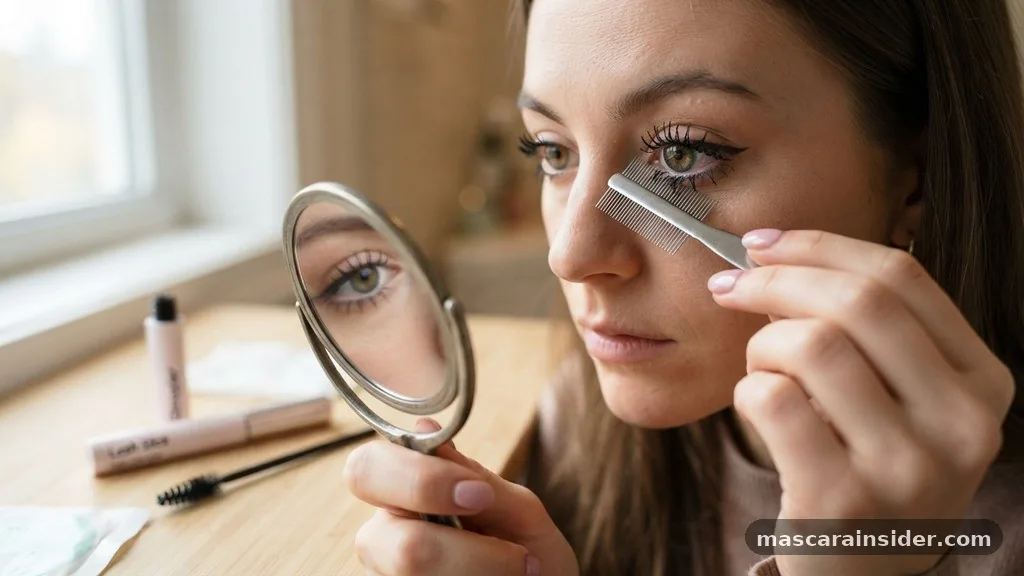
Just ensure the brush is completely dry before placing it back into the tube. Using a separate, clean spoolie can also help you distribute the product more evenly, allowing you to comb through your lashes to separate strands while the product is still wet.
Techniques for Preventing Future Clumping
Prevention is far easier than trying to fix a ruined tube. Most clumping issues arise from poor storage habits or accidental air exposure that causes the volatile components in the formula to evaporate. By changing how you handle your makeup daily, you can extend its life significantly.
* Always twist the cap on tightly until you hear it click or feel it seat properly.
* Avoid leaving the tube open on your vanity while you finish the rest of your makeup.
* Store your mascara in a cool, dry place away from direct sunlight or bathroom heat.
* Wipe the excess product off the tip of the wand onto a tissue before application.
* Use a lash comb after applying your second coat to break up any tiny knots instantly.
Addressing Common Misconceptions
Many people turn to household items like petroleum jelly to revive their makeup, but this is generally discouraged by professionals. While it might soften the formula, petroleum jelly is heavy and can prevent the mascara from drying properly, leading to smudging or “raccoon eyes” throughout the day. It may also harbor bacteria if the container isn’t kept perfectly clean.
Additionally, always keep an eye on your expiration date. Even if you manage to keep the texture perfect, mascara is a breeding ground for bacteria.
If your tube is more than three months old, it is time to part ways with it, regardless of how well you’ve maintained the formula. Protecting your eye health is always more important than saving a few dollars on a replacement tube.
Comparing Methods for Mascara Restoration
Choosing the right method depends on how much time you have and what supplies are available. Some methods are better for quick fixes, while others are more appropriate for long-term maintenance.
| Method | Best For | Pros |
|---|---|---|
| Saline Solution | Immediate fix | Fast, safe, and effective |
| Warm Water Bath | Thick formula | Doesn’t dilute the product |
| Cleaning the Wand | Preventing clumps | Improves overall application |
| Replacing the Tube | Expired products | Ensures maximum eye safety |
Addressing Specific Topical Gaps
One common question is why brand-new mascara sometimes clumps right out of the box. This often happens because the formula is too fresh and highly pigmented, containing a higher concentration of waxes that haven’t had a chance to settle. If you find your new tube is acting up, try the warm water bath method mentioned earlier; it helps the wax settle and allows for a smoother glide from the very first use.
Another gap in knowledge involves the impact of room temperature on makeup. If you live in a cold climate, the waxes in your mascara can harden, making it feel like it has expired when it is actually just cold. Keeping your makeup in a warmer spot, like a bedroom drawer instead of a chilly bathroom, can often solve the issue without any extra intervention.
Finally, if you notice your lashes sticking together, consider your application angle. Holding the wand horizontally gives volume, but holding it vertically to “paint” the tips of your lashes can help you reach the corners without overloading the center, which is a frequent cause of clumping.
Conclusion
Mastering the art of keeping your makeup in top condition is a simple way to elevate your daily look without constant replacements. By using safe, moisture-based solutions like saline or the gentle heat of a water bath, you can easily restore the consistency of your favorite products. Remember that hygiene is the most critical factor; keeping your tools clean and being mindful of your product’s expiration date will ensure your eyes stay healthy and your lashes look defined.
Next time you find your makeup starting to thicken, try one of these techniques before reaching for the trash bin. You might be surprised at how much life is left in that tube.
Take a moment to check your makeup bag today, clean those wands, and enjoy a fresh, smooth finish every time you get ready. If you have any favorite tricks for keeping your lash routine seamless, feel free to share them.
What is the fastest way to fix clumpy mascara?
Adding two drops of saline solution or contact lens cleaner is the quickest way to thin formula.
Can I use water to unclump my mascara?
Avoid adding water directly, as it can introduce bacteria and ruin the preservation system of the product.
How often should I clean my mascara wand?
You should wipe the wand with a tissue daily and deep-clean it with soap weekly for hygiene.
Does a warm water bath damage the mascara formula?
No, a warm water bath safely softens the waxes without adding moisture or altering the chemical balance.
Why does my mascara clump even when it is brand new?
New mascara is often very thick; applying it slowly or using a lash comb helps manage excess.
Is it safe to use eye drops to unclump mascara?
Yes, lubricating eye drops are sterile and safe for the eyes, making them an ideal thinning agent.
When should I definitely throw my mascara away?
Always discard mascara after three months of use or if it develops an off smell or texture.


