

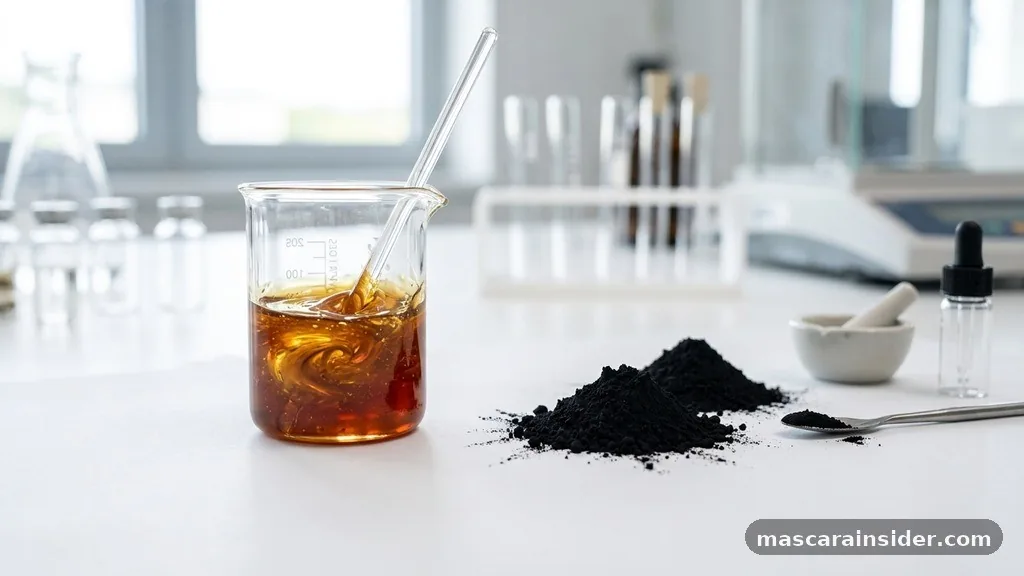
Understanding what mascara is made from involves looking at the sophisticated blend of chemistry and cosmetic engineering that goes into every tube. While we often think of it as a simple aesthetic tool, the formula is a complex emulsion designed to stay on your lashes for hours without smudging, flaking, or causing irritation.
By examining the core components—from the pigments that provide color to the specialized waxes that define your look—you can better appreciate the science behind your daily beauty routine. This article breaks down the essential ingredients that make your lashes look longer, darker, and fuller.
The Foundation: Waxes and Film-Forming Agents
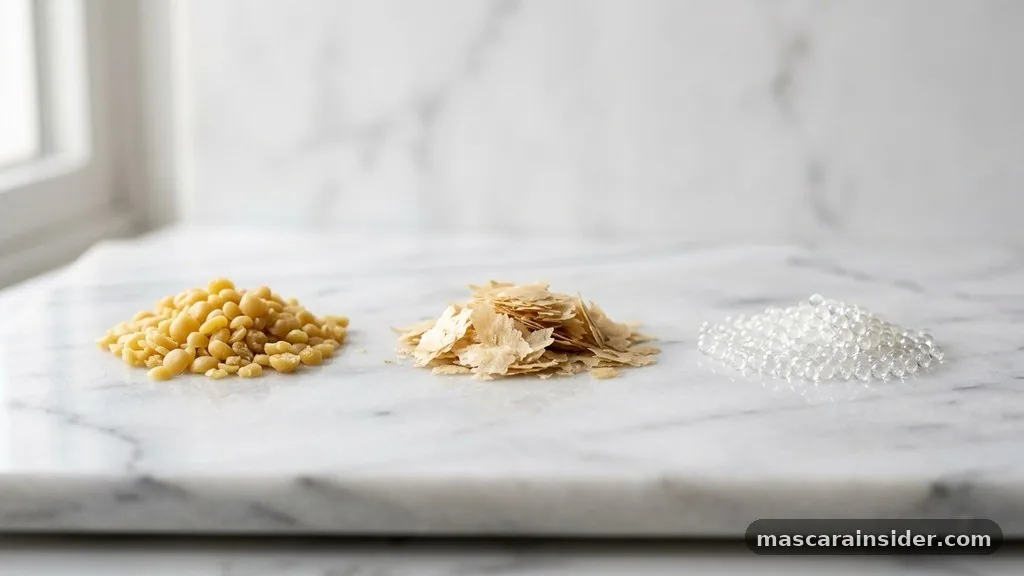
At its core, mascara relies on a delicate balance of waxes and film-formers to maintain its structure and adherence. Waxes provide the body of the product, allowing it to coat each lash evenly while maintaining a pliable texture that doesn’t crack.
Common natural waxes include beeswax and carnauba wax, which are prized for their ability to provide a smooth, buildable consistency. Manufacturers often combine these with synthetic waxes like paraffin to ensure the product remains stable across different temperatures and environments.
Film-formers are equally vital, as they create a thin, flexible layer around the lash that locks the color in place. These polymers ensure that the mascara doesn’t transfer onto your eyelids or smudge throughout the day. By creating a barrier, these ingredients also help to prevent the mascara from dissolving when it encounters natural skin oils or humidity.
Without these structural components, the pigment would simply dust off, failing to provide the dramatic definition that users expect. The precise ratio of these ingredients determines whether a formula is better suited for lengthening, volumizing, or curling.
Pigments and Colorants in Cosmetic Formulations
The intense black or brown shades we associate with mascara come from specific pigments that are safe for use around the eyes. The most common colorant is carbon black, a fine powder that provides an incredibly deep, opaque finish.
In many formulations, iron oxides are used either as a primary pigment or to modify the tone, providing a more natural, subtle look. These minerals are finely milled to ensure they don’t feel gritty or abrasive against the delicate lash hair.
Because the eye area is so sensitive, all colorants must meet strict regulatory standards for purity. These pigments are dispersed throughout the wax and oil base to ensure an even application every time you pull the wand out of the tube.
While synthetic dyes were once more common, modern cosmetic chemistry has shifted toward high-grade mineral pigments that offer better longevity and safety. The way these pigments interact with the film-formers is critical; if the dispersion isn’t perfect, the mascara might look clumpy or uneven on the lashes.
Ensuring Longevity with Preservatives and Solvents
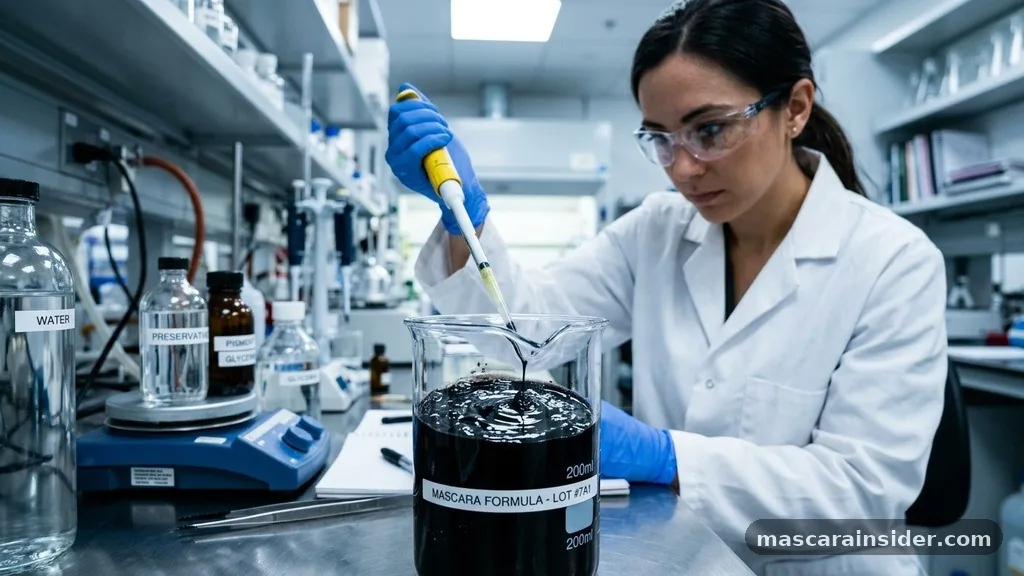
Because mascara is a liquid-based product that is frequently exposed to the air and the bacteria naturally found on our skin, it requires robust preservatives to maintain its integrity. Without these additives, the product could quickly become a breeding ground for harmful microbes.
While some older formulas relied on parabens, many modern brands have shifted toward alternative antimicrobial agents that offer effective protection without the same level of consumer concern. These preservatives ensure that your mascara remains safe to use for the standard three-month period after opening.
Solvents like petroleum distillates are also frequently used to keep the ingredients in a fluid state. These solvents help the mascara glide onto the lashes smoothly, ensuring that the wand can distribute the product without snagging or pulling.
As the solvent evaporates, the waxes and film-formers set, leaving behind the dark, defined look you desire. It is this transition from liquid to solid that makes the application process feel so precise, allowing for multiple coats to build volume without creating a heavy, weighed-down feeling.
Addressing Common Myths and Safety Concerns
There is a lot of misinformation regarding what mascara is made from, with urban legends suggesting everything from bat guano to spider legs. In reality, modern cosmetic safety standards are incredibly rigorous, and manufacturers are legally required to use ingredients that have been thoroughly vetted.
You will not find animal-derived waste products in commercial cosmetics; instead, you are looking at carefully controlled chemical compounds. Ingredients like triethanolamine are often included to balance the pH of the formula, ensuring it is gentle on the eyes and non-irritating.
When shopping for products, you might notice labels that say ophthalmologist-tested, which indicates that the formula has been evaluated for potential eye sensitivity. This is a crucial distinction for contact lens wearers or those with allergies.
If you are concerned about specific additives, always check the ingredient list on the packaging. Here is a quick breakdown of common categories found on the back of your mascara tube:
| Ingredient Category | Primary Function |
|---|---|
| Waxes | Texture and volume |
| Pigments | Color and opacity |
| Polymers | Film-forming and longevity |
| Preservatives | Microbial stability |
What is the truth about fish scales?
A common myth suggests that some mascaras contain fish scales for shine. While pearl essence (guanine) was once used in various cosmetics to create a shimmer, it is rarely, if ever, used in modern black mascara. Most of the luster in today’s products comes from the way the light reflects off the film-forming polymers rather than any biological additives.
Are there ingredients I should actively avoid?
While most ingredients are safe for the general population, some people prefer to avoid specific preservatives or synthetic fragrances if they have sensitive eyes. If you experience redness or itching, it is best to look for “hypoallergenic” or “fragrance-free” options, which are formulated to minimize the risk of a reaction.
Conclusion
Knowing what mascara is made from provides a clearer picture of why these products perform the way they do. It is a sophisticated blend of waxes, pigments, and film-formers that work in harmony to coat and define your lashes while maintaining a safe, stable environment. By understanding the role of each component—from the protective preservatives to the deep-set iron oxides—you can make more informed choices about the products you use every day.
Always remember to replace your mascara every three months to ensure you are maintaining good hygiene and keeping your eyes healthy. If you’ve been curious about your favorite brand’s specific formula, don’t hesitate to check their official website for a full ingredient breakdown.
What was mascara originally made of?
Early versions often used coal dust, soot, or kohl mixed with oils to darken lashes and brows.
What is the healthiest mascara to use?
The healthiest options are typically those labeled hypoallergenic, ophthalmologist-tested, and free from harsh synthetic fragrances or parabens.
What ingredient to avoid in mascara?
Individuals with sensitivities often avoid harsh preservatives like formaldehyde-releasing agents or certain heavy synthetic dyes and fragrances.
Is mascara healthy for eyes?
When used correctly and replaced every three months, mascara is generally safe and does not harm eyes.
Is mascara made out of bat poop?
No, this is a long-standing urban legend; mascara is made from synthetic and mineral-based cosmetic ingredients.
Is mascara made from animals?
Most modern mascaras are vegan, though some may use beeswax, which is a byproduct of honeybee hives.
Is mascara made of fish scales?
No, modern black mascara does not use fish scales; this myth likely stems from historical shimmer-based makeup products.


