

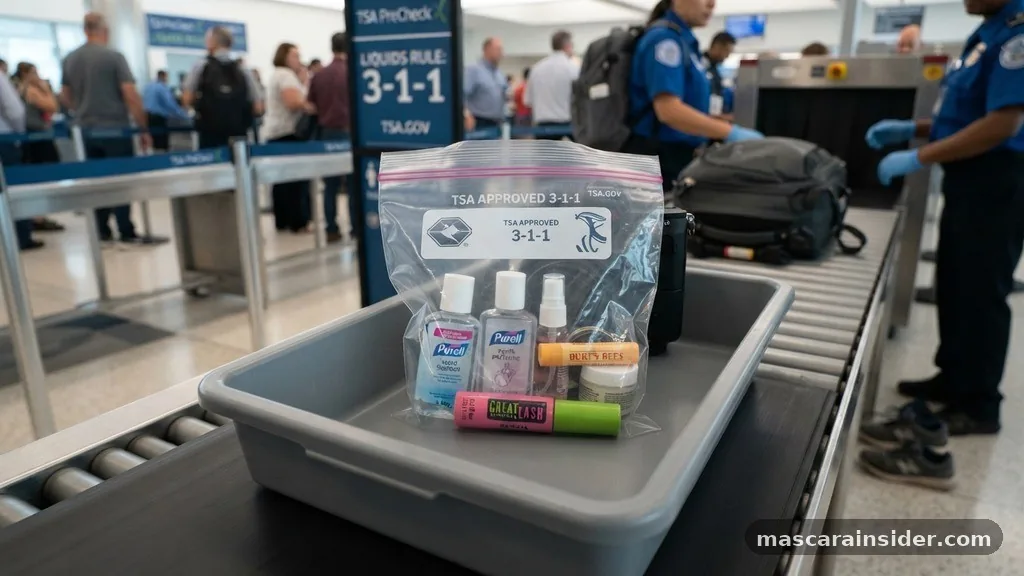
Figuring out exactly what counts as a liquid when you’re packing for a flight can feel like a guessing game, especially when it comes to your makeup bag. Many travelers often wonder if is mascara considered a liquid TSA agents will pull aside during the security checkpoint. Because consistency matters in the eyes of airport screeners, knowing how to categorize your beauty products is essential for a smooth travel experience.
By understanding the specific regulations governing gels and creams, you can save yourself time and avoid the frustration of having your favorite products discarded at the gate. Here is everything you need to know to keep your beauty routine intact while navigating the friendly skies.
Defining Liquid Cosmetics Under TSA Guidelines
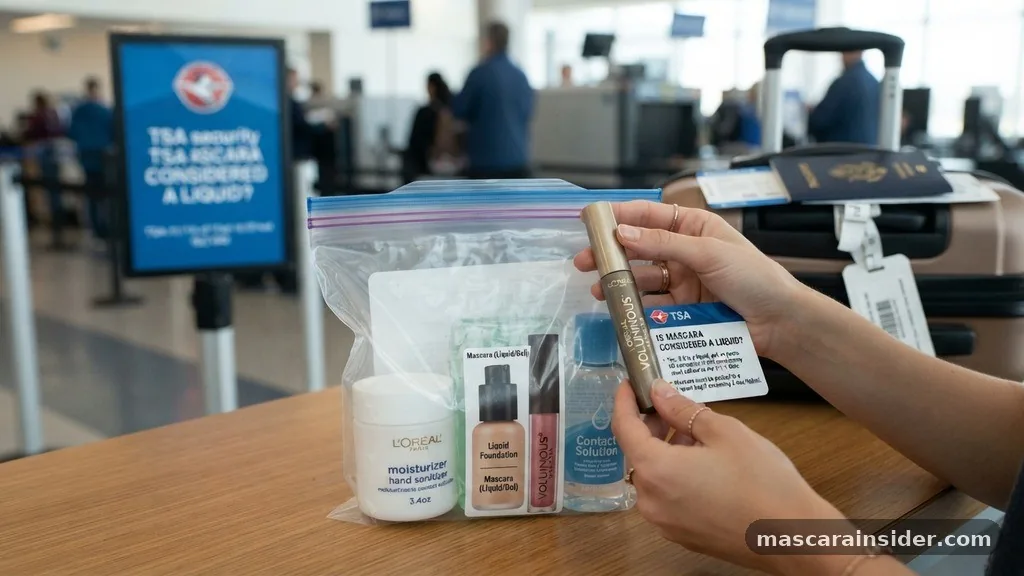
The Transportation Security Administration classifies substances based on their physical state rather than their specific brand or use. When determining if is mascara considered a liquid TSA officials look at the viscosity and flow of the product. Essentially, if you can pour it, pump it, squeeze it, spread it, smear it, or spray it, the agency treats it as a liquid or a gel.
Because mascara is designed to be smooth and fluid to coat your lashes, it falls squarely into the category of gel-based cosmetics. While a tube of mascara is thick compared to water, it is not considered a solid cosmetic like a pressed powder or a traditional lipstick bullet. Consequently, it must comply with the standard security protocols that govern all toiletries brought through a checkpoint.
The TSA 3-1-1 Liquids Rule Explained
To breeze through airport security screening, you must adhere to the TSA 3-1-1 liquids rule. This regulation provides a clear structure for how you should pack your beauty items in your carry-on baggage.
The numbers stand for the following requirements:
- 3: Each container must be 3.4 ounces (100 milliliters) or less.
- 1: All of your liquid containers must fit comfortably into one single, clear quart-sized bag.
- 1: Only one bag of this size is permitted per passenger.
Since your mascara tube is significantly smaller than the 3.4-ounce limit, it is perfectly safe to bring on a plane. The real challenge for frequent flyers is not the size of the mascara itself, but the total volume of all items inside your bag. If you have a large collection of lip glosses, concealers, and primers, they must all share that one small plastic pouch.
Comparing Makeup Consistencies for Travel
Distinguishing between products that need to go in your clear bag and those that can stay loose in your luggage is vital. When evaluating your makeup kit, consider the following breakdown of common items and their typical security classification.
| Cosmetic Item | Classification | TSA Requirement |
|---|---|---|
| Mascara | Gel/Liquid | Must be in quart-sized bag |
| Pressed Powder | Solid | No restrictions |
| Lipstick Bullet | Solid | No restrictions |
| Lip Gloss/Oil | Liquid | Must be in quart-sized bag |
| Cream Blush | Gel/Cream | Must be in quart-sized bag |
Keep in mind that if your makeup consistency is in question, the officer at the screening station makes the final call. If a product is borderline, like a very soft wax or a shimmering cream, it is always safer to put it in your liquid bag rather than risking a search of your personal item or carry-on.
Addressing Common Misconceptions and Gaps
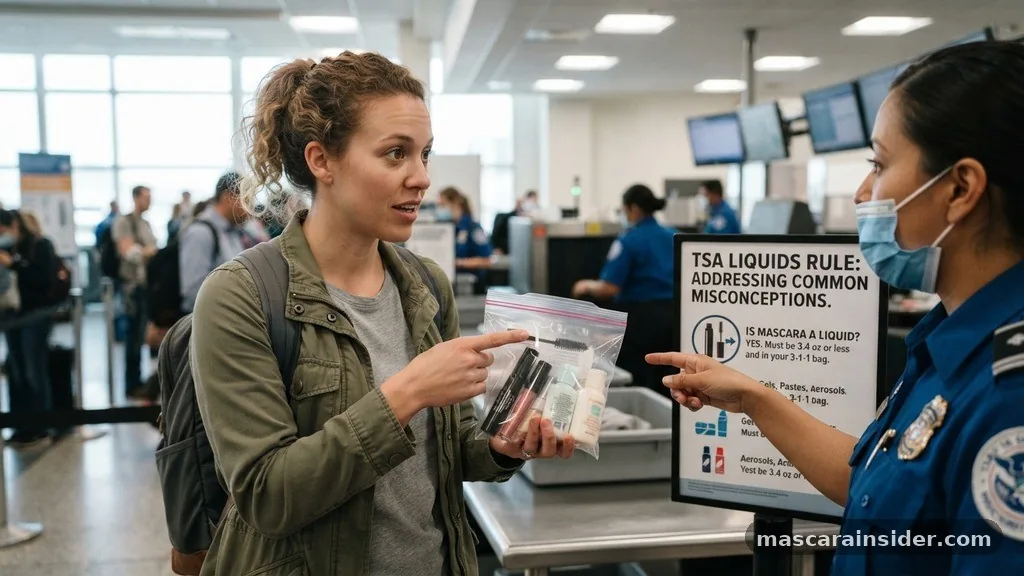
A frequent point of confusion is whether high-end or specialized formulas change the rules. Regardless of the cost, brand, or the specific chemical makeup of the product, the rules remain the same.
Some travelers assume that because a product is “waterproof” or “long-wear,” it might be exempt, but this is not the case. The airline carry-on policy focuses entirely on the state of the matter, not the performance of the beauty product.
Another common gap in traveler knowledge involves the use of travel size containers. If you are decanting your favorite liquid foundation or primer into smaller jars to save space, ensure they are clearly marked if possible.
While the TSA does not explicitly require labels for mascara, having your items organized in a transparent, easy-to-inspect bag helps security officers process your bins faster. If your mascara is part of a larger kit, do not try to hide it underneath bulky items; the X-ray machines are designed to flag dense areas of liquid, which can lead to a manual bag check.
Packing Strategies for Beauty Enthusiasts
If you are a heavy makeup user, fitting everything into a single quart-sized bag can feel restrictive. The best strategy is to prioritize your essentials. Since mascara is a daily staple for most, it should always be placed in your clear bag to avoid delays.
To maximize your space:
- Switch to powder-based versions of products like blush or bronzer to free up room for your liquid essentials.
- Use solid perfume instead of spray-on bottles to avoid liquid volume issues.
- Pack your overflow liquids or larger toiletries in your checked luggage where the 3-1-1 rule does not apply.
- Keep your clear bag in an easily accessible pocket of your backpack or carry-on so you can pull it out quickly at the security belt.
Remember that prohibited substances are rarely related to standard cosmetics, but having too many items in your carry-on can clutter the X-ray view. By keeping your liquids organized, you minimize the risk of having a security officer rummage through your personal items, which keeps your makeup kit tidy and your stress levels low.
Managing Liquid Limits on International Flights
While the 3-1-1 rule is standard for domestic flights in the United States, international travel can sometimes present variations. Many countries follow the same guidelines, but some airports in Europe or Asia may have different requirements regarding the total volume of liquids or the specific type of bag allowed.
Always check the local airport authority’s website before you head to the terminal. Even if your mascara fits the TSA rules, you might find that different screening protocols in other nations are stricter about how you present your liquids.
When in doubt, checking your bag is the only way to avoid the limitations entirely. If you choose to keep your mascara in your carry-on, simply ensure it is neatly tucked into that quart-sized bag to satisfy international standards.
Conclusion
Navigating airport security does not have to be a source of stress for your beauty routine. Because is mascara considered a liquid TSA rules view it as a gel, you must pack it inside your quart-sized bag along with your other toiletries. By following the 3-1-1 guidelines and keeping your liquid makeup easily accessible, you ensure that your travel experience remains efficient and organized.
Preparing your luggage before you reach the airport allows you to breeze through security with confidence. If you have any specific concerns about unusual makeup formulas, checking them in your main luggage is always the safest approach. Safe travels on your next trip, and may your makeup bag stay perfectly organized from takeoff to landing.
Frequently Asked Questions
Is mascara considered a liquid TSA compliant item?
Yes, mascara is classified as a gel-based cosmetic and must be packed in your quart-sized bag.
Does lipstick have to go in a clear bag?
Traditional solid lipstick bullets are not considered liquids and can remain in your bag without restriction.
Can I bring full-sized mascara on a plane?
Yes, standard mascara tubes are well under the 3.4-ounce limit and are permitted in carry-on baggage.
Does lip gloss count as a liquid?
Yes, lip gloss and lip oils are considered liquids and must be placed in your quart-sized bag.
What happens if my mascara isn’t in a clear bag?
You may be asked to remove it and place it in a bag, or a manual inspection occurs.
Are cream-based eyeshadows considered liquids?
Yes, cream-based cosmetics are treated as gels or liquids and must comply with the 3-1-1 rule.
Can I bring more than one bag of liquids?
No, the TSA limits each passenger to one single quart-sized bag for all liquids, gels, and aerosols.


