

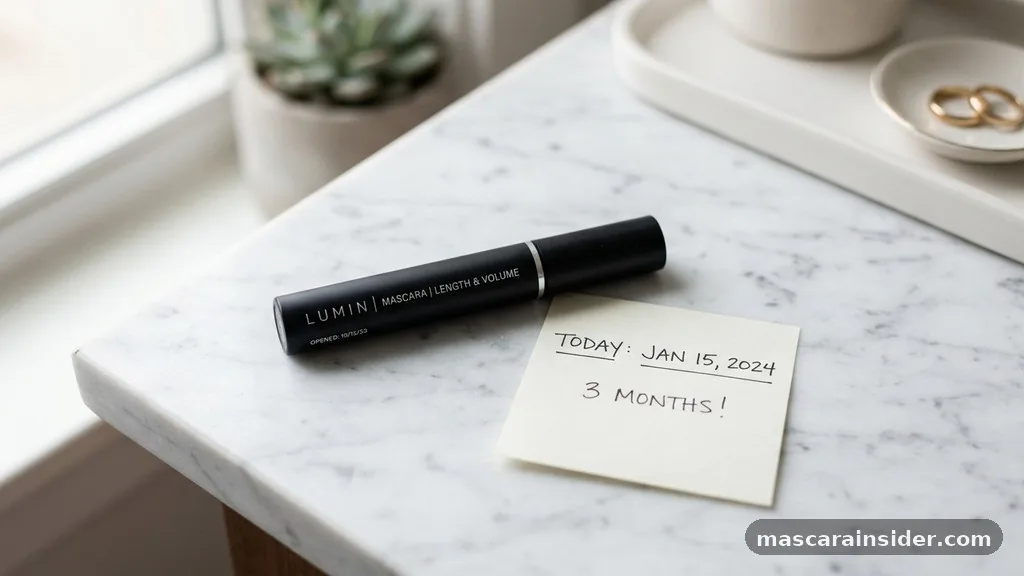
Knowing exactly when to replace mascara is a critical part of maintaining eye health and achieving the best makeup results. Many users hold onto their favorite tubes far longer than they should, often unaware that the product formula degrades and becomes a breeding ground for microorganisms.
Because the eye area is incredibly sensitive, following a strict timeline for disposal is more than just a beauty preference—it is a necessary safety habit. By understanding how environmental exposure impacts the shelf life of your cosmetics, you can protect your vision while ensuring your lashes always look their best.
Understanding the Three-Month Rule
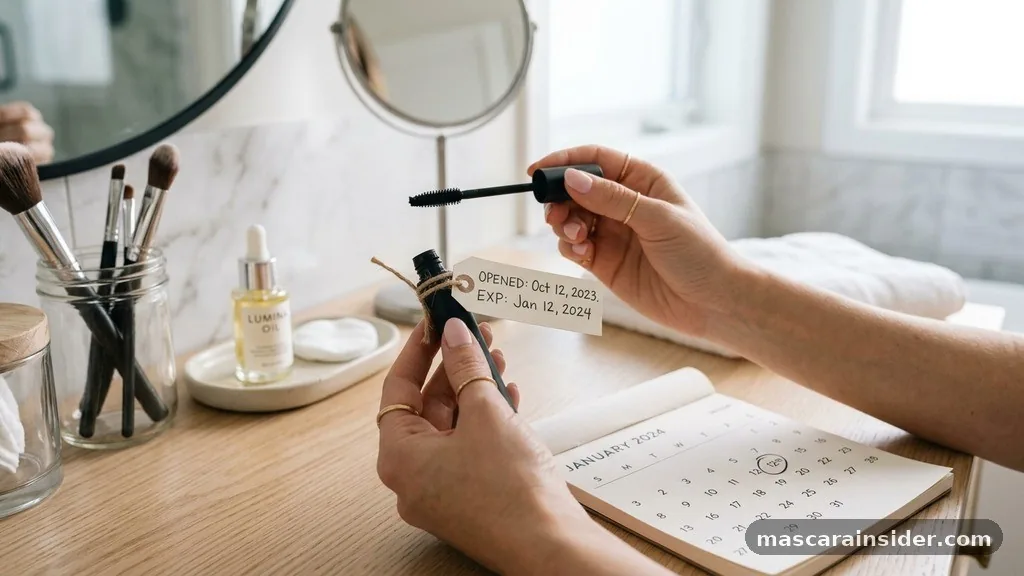
The industry standard for eye makeup is clear: you should replace your mascara every three months. This timeframe is not arbitrary; it is based on the reality of how cosmetic preservatives break down over time.
Once you open a tube, the protective system meant to keep bacteria at bay begins to lose its efficacy. Every time you pull the wand out and push it back in, air enters the tube, which accelerates the oxidation of the formula and introduces environmental contaminants directly into the product.
Most manufacturers design their formulas to remain stable for approximately 90 days after the initial seal is broken. While a tube might seem like it still has plenty of product left, continuing to use it past this threshold significantly increases your risk of developing infections. Because the environment inside a mascara tube is dark, moist, and warm, it serves as an ideal incubator for various pathogens that can cause irritation or more serious ocular conditions.
Signs Your Mascara Has Expired
Even if you haven’t hit the three-month mark, your product might show warning signs that it is time to move on. If you notice any of these changes, discard the product immediately to avoid potential harm.
* Unpleasant Odor: If the formula develops a sharp, chemical, or sour smell, the preservatives have failed.
* Texture Changes: A dry, clumpy, or stringy consistency indicates that the moisture balance is gone, and the product is no longer safe or effective.
* Separation: If the liquid and pigments have separated in a way that shaking cannot fix, the chemical stability is compromised.
* Application Issues: If the mascara starts flaking off your lashes shortly after application, it is a sign that the binding agents have degraded.
The Risks of Using Old Mascara
Using expired eye makeup is one of the most common ways to introduce harmful bacteria to your eyes. When you apply an old product, you are essentially brushing a concentrated mixture of microbes directly onto your lash line. This is a primary cause of conditions including styes, which are painful, red bumps that form on the eyelid.
Beyond styes, you risk developing conjunctivitis (pink eye), a highly contagious infection that causes redness, itching, and discharge. If you experience eyes that feel itchy, red, or watery after application, stop using the product instantly. The eye is a delicate organ, and the cost of replacing a tube of mascara is far lower than the cost of a doctor’s visit or a prescription for antibiotic eye drops.
Best Practices for Mascara Hygiene
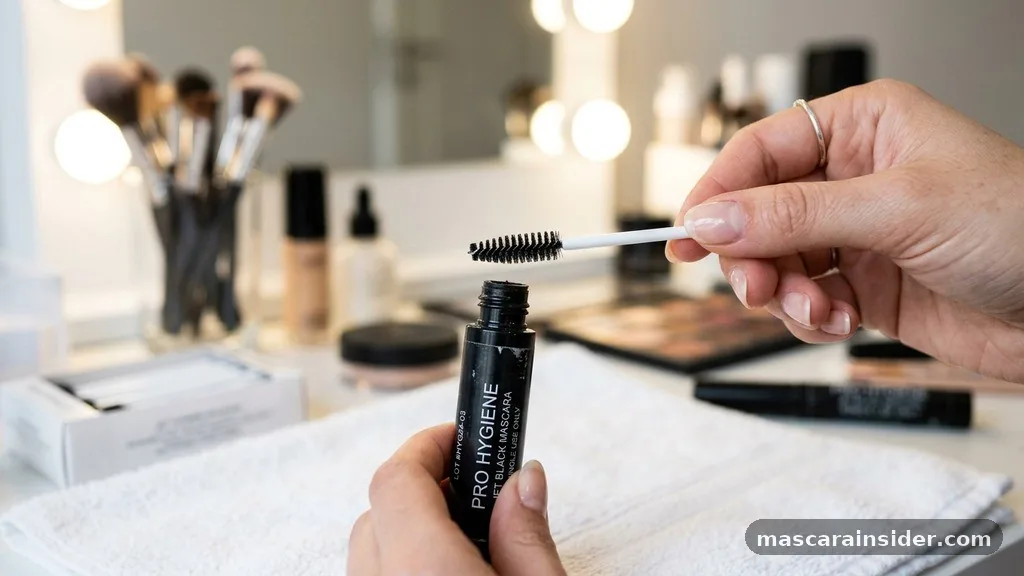
To keep your eyes safe and your makeup performing well, you should follow these expert-approved habits:
* Never pump the wand: Pumping forces excess air into the tube, which dries out the product and invites contamination.
* Avoid sharing: Never let others borrow your mascara, as this is the fastest way to transmit eye infections.
* Store correctly: Keep your makeup in a cool, dry place away from direct sunlight or bathroom humidity.
* Remove thoroughly: Always take your mascara off before bed using a gentle, oil-based cleanser to prevent lash breakage and buildup.
The following table summarizes the typical shelf life of various eye makeup products compared to mascara to help you manage your beauty kit.
| Makeup Category | Recommended Replacement Time |
|---|---|
| Mascara | 3 Months |
| Liquid Eyeliner | 3 Months |
| Pencil Eyeliner | 6 to 12 Months |
| Cream Eyeshadow | 6 Months |
Addressing Common Misconceptions
Many users wonder if they can extend the life of their product by adding water or eye drops when it gets dry. You should never add liquids to your mascara tube, as this dilutes the preservatives and creates a perfect environment for bacterial growth. If your mascara is dry, it has reached the end of its functional life.
Another common question involves whether high-end mascaras last longer than drugstore versions. The truth is that the chemical composition of mascara is relatively consistent across price points regarding its susceptibility to bacteria.
Regardless of how much you paid for the product, the three-month rule remains the gold standard for safety. Buying a “mini” or travel-size mascara can be a great way to ensure you finish the product before it expires while saving money and reducing waste.
Topical Gaps: Managing Mascara in Humid Climates
One area often overlooked in beauty advice is the impact of geography on product shelf life. If you live in a high-humidity environment, the moisture content of your cosmetics can be affected, and the risk of mold growth increases. In humid climates, you may find that your mascara starts to smell or change texture faster than the standard three-month window.
If you notice your products consistently degrading before the 90-day mark, consider keeping your makeup in an airtight bag or a climate-controlled room rather than a steamy bathroom. Additionally, always check the “Period After Opening” (PAO) symbol on the packaging—it usually looks like a small jar with a number and an “M”—which provides the manufacturer’s specific guidance for that particular formula.
FAQ
How do I track when to replace mascara?
Write the date you opened the tube on the bottom of the container using a permanent marker.
Can I use mascara for longer than three months?
No, doing so significantly increases your risk of eye infections due to bacterial growth inside the tube.
What is the main reason for the three-month rule?
Preservatives in mascara break down over time, allowing bacteria to multiply once the seal is broken.
Is it okay to add water to dry mascara?
Never add water, as it dilutes the preservatives and creates a breeding ground for harmful microorganisms.
Does waterproof mascara last longer?
No, the timeline remains the same; all mascara formulas become prone to contamination after three months.
What should I do if my eyes feel irritated?
Stop using the product immediately, clean your eye area, and consult a doctor if symptoms persist.
Should I replace my mascara after having an eye infection?
Yes, you must discard any eye makeup used before or during the infection to prevent re-infection.
Conclusion
Prioritizing your eye health is the most important step in any beauty routine. Knowing when to replace mascara ensures that you aren’t just looking your best, but also protecting your vision from unnecessary risks. By marking your calendars or setting a reminder on your phone, you can easily stay on top of the three-month replacement cycle.
If you notice any changes in the smell, texture, or performance of your product, don’t hesitate to toss it and start fresh with a new tube. Maintaining these simple, expert-approved hygiene habits will keep your lashes healthy and your makeup application smooth. If you found this information helpful, consider checking your current makeup bag today and clearing out any expired products.


