

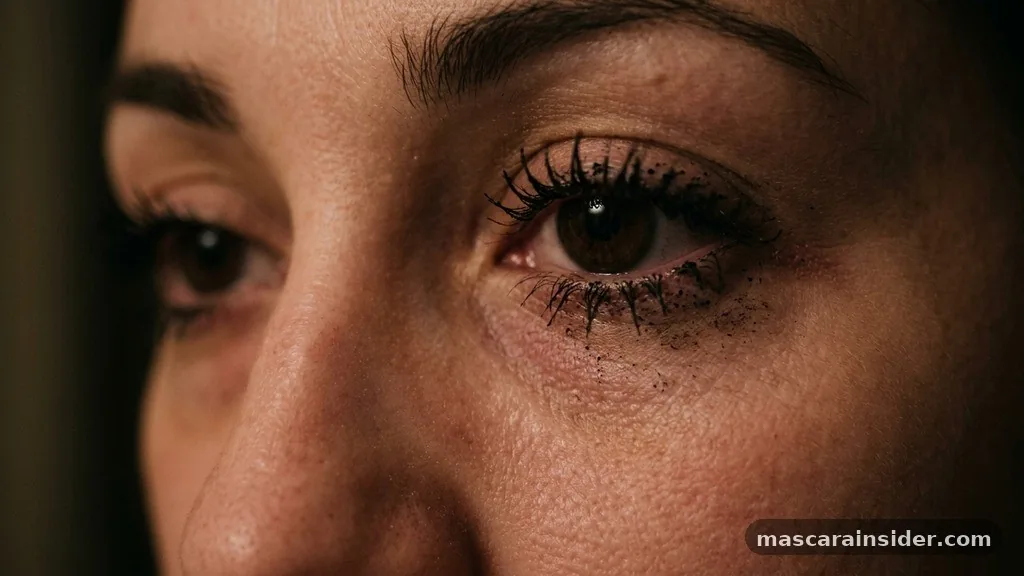
Most of us have had those nights where exhaustion wins and the thought of standing at the bathroom sink feels like a monumental task. When you find yourself wondering if it is bad to sleep with mascara on, the short answer is that your eyes are paying a price for that extra bit of rest. While one accidental night might not cause permanent damage, turning it into a habit compromises your ocular hygiene and risks long-term irritation.
This article explores why your nightly routine matters for your eye health, the specific risks of leaving eye makeup on overnight, and the best ways to protect your natural lashes.
Why Your Eyes Need a Break at Night 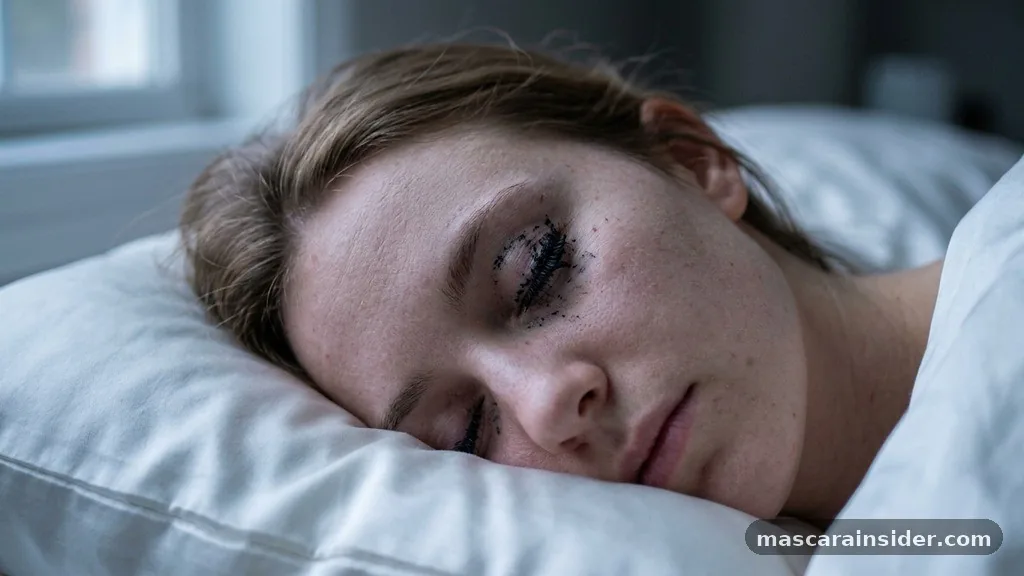
The primary reason you should remove makeup is that your eyes undergo a natural recovery process while you sleep. Throughout the day, your lashes act as a barrier against dust, debris, and pollutants. When you leave mascara residue on your lashes, you are essentially trapping these irritants against the delicate skin of your eyelids and the surface of your eye.
Your eyelids are not just simple skin folds; they contain complex structures that require cleanliness to function. The meibomian glands located along the lash line produce essential oils that maintain the lipid layer of your tear film. If these glands become clogged by dried, hardened makeup, your eyes lose their ability to stay properly lubricated.
This leads to dryness, redness, and a gritty sensation that persists long after you wake up.
The Relationship Between Mascara and Lash Breakage
If you care about the length and fullness of your natural lashes, sleeping in mascara is a major mistake. Mascara formulas are designed to harden, providing structure and volume to the hair shaft.
Once this product dries on your lashes, it becomes rigid. As you toss and turn on your pillow throughout the night, your lashes rub against the fabric.
Because the lashes are stiffened by the product, they cannot bend or flex naturally. This friction causes significant lash breakage, which can lead to thinning over time. Over weeks or months, you might notice your lashes looking shorter or sparse, not because they aren’t growing, but because they are physically snapping off due to the weight and hardness of the dried makeup.
Understanding the Risk of Ocular Infections
The skin around your eyes is incredibly thin and sensitive, making it a prime target for bacterial growth.
Mascara is a cosmetic product that, once opened, becomes a breeding ground for microorganisms. When you leave this product on your eyes for eight hours or more, you are inviting bacteria to settle into the eyelash follicle.
This environment can trigger conditions like blepharitis, an inflammation of the eyelid margins. Symptoms often include crusty debris at the base of the lashes, swelling, and persistent itching. In more severe cases, you might deal with conjunctivitis, commonly known as pink eye.
These conditions are not just uncomfortable; they often require medical intervention and can be highly contagious, making them a serious consequence of neglecting your nightly makeup removal.
The Danger of Corneal Abrasions
While it might seem unlikely, the risk of a corneal abrasion is a very real concern for those who sleep in eye makeup. As mascara dries and flakes off during the night, tiny, sharp particles can fall into your eye. Because your eyelids are closed, these flakes become trapped between the lash line and the surface of the eye.
If you rub your eyes while sleeping or even just move your eyelids, these microscopic, hardened flakes of pigment and polymer can scratch the surface of your cornea. A corneal scratch is extremely painful and can lead to blurred vision, light sensitivity, and, if left untreated, potential infection of the corneal tissue.
It is a high price to pay for skipping a two-minute cleaning routine.
Addressing Common Misconceptions and Topical Gaps
Many people wonder if there is a “safe” way to sleep in mascara, or if certain products are exempt from these rules. There is a common myth that waterproof mascara is somehow safer because it doesn’t flake as much, but the reality is that it is often even harder to remove, leading to more aggressive scrubbing that damages the delicate eye area.
Is it ever okay to nap in mascara?
While a short nap is less risky than an overnight sleep, it is still not ideal. If you are exhausted, consider using a gentle, non-oily makeup wipe specifically designed for the eye area. This provides a quick fix that is far better than leaving the product on for hours.
Do natural lashes suffer more than extensions?
If you wear eyelash extensions, the rules are even stricter. Extensions rely on a delicate adhesive bond. Mascara can degrade this glue, causing the extensions to fall out prematurely, and the inability to clean the base of the lashes can lead to severe buildup and follicle infection.
The role of dermocosmetics in eye health
Using high-quality dermocosmetics can help mitigate some irritation, but they do not replace the need for removal. Even the most “gentle” or “clean” formulas are essentially foreign substances that your body prefers to have cleared away before the restorative sleep cycle begins.
The Best Methods for Effective Makeup Removal
Removing mascara should be a gentle process that prioritizes the health of your skin and hair follicles. If you find yourself struggling to get everything off, you may be using the wrong tools or technique. Start by choosing a cleanser that matches your needs and the type of product you wear.
- Micellar water: Perfect for sensitive eyes, it uses micelles to lift away dirt and makeup without heavy rubbing.
- Oil-based cleanser: The most effective way to break down waterproof formulas, as oil dissolves the wax in traditional mascaras.
- Cotton pads: Always use soft, lint-free pads to prevent fibers from getting stuck in your lashes.
- Gentle pressure: Hold the saturated pad against your closed eyelid for 20 seconds to allow the product to dissolve before wiping.
Comparing Removal Techniques
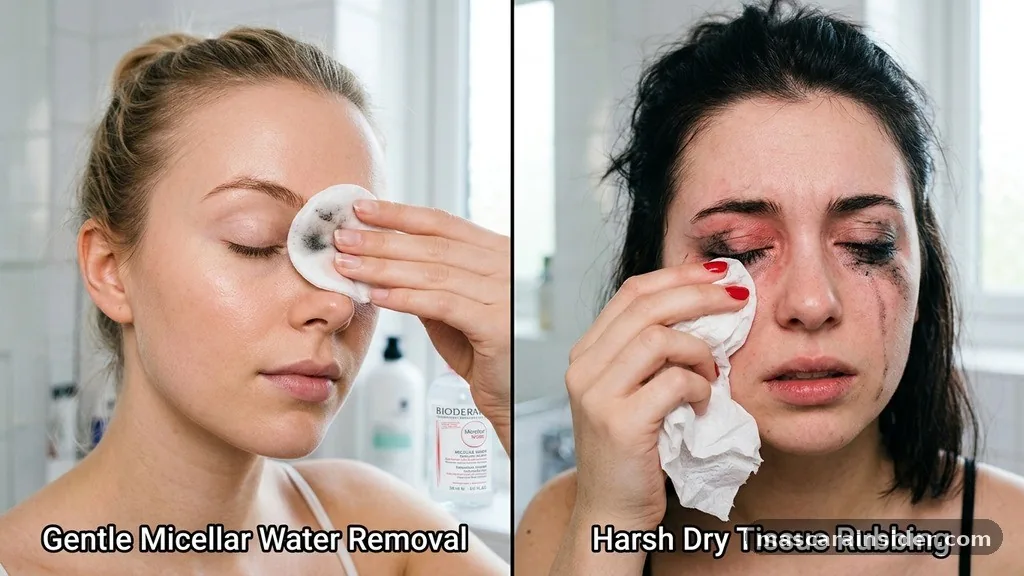
Different products offer varying levels of efficacy when it comes to cleaning the delicate eye area. Choosing the right one depends on your skin type and the specific mascara formulation you prefer.
| Cleanser Type | Best For | Key Benefit |
|---|---|---|
| Micellar Water | Sensitive skin | Non-greasy; requires no rinsing |
| Oil Cleanser | Waterproof makeup | Breaks down wax and polymers |
| Biphasic Remover | Heavy/Long-wear makeup | Combines oil and water for efficiency |
| Makeup Wipes | Travel/Convenience | Fast, one-step solution |
Avoiding Contact Dermatitis and Long-term Sensitivities
Contact dermatitis is an allergic or irritant reaction that can occur when chemicals in your makeup remain in contact with your skin for extended periods. When you sleep in mascara, you are essentially performing a patch test on your eyelid skin for eight hours. This constant exposure can lead to swelling, scaling, and darkening of the skin around the eyes.
Once you develop a sensitivity to a specific ingredient, it can be difficult to reverse. Many people find that their eyes become “reactive,” meaning they suddenly cannot tolerate products they have used for years. By ensuring that your skin is completely clean every night, you reduce the cumulative exposure to these chemicals, significantly lowering the likelihood of developing a chronic allergy or skin irritation.
Establishing a Sustainable Nighttime Routine
The secret to avoiding the temptation of sleeping in makeup is to make the process as frictionless as possible.
If you keep your makeup removal products right next to your bed, you remove the excuse of being too tired to walk to the bathroom. Keep a small bottle of micellar water and a stack of cotton pads on your nightstand for those nights when the bed is simply too inviting.
Another strategy is to wash your face the moment you get home, rather than waiting until you are ready to climb into bed. This early cleanup ensures that your eyes are fresh and clean long before you are physically exhausted. By treating your nightly skincare as a form of self-care rather than a chore, you are more likely to stay consistent.
Your eyes work hard for you all day; giving them a clean, fresh start every morning is the simplest way to show them some appreciation.
Conclusion
Is it bad to sleep with mascara on? The evidence is clear: it is a habit that invites unnecessary risks, ranging from simple irritation to more complex infections and physical damage to your lashes. By understanding the importance of ocular hygiene and the structural impact of makeup on your lash follicles, you can make better choices for your long-term eye health.
Implementing a quick, gentle removal routine using an oil-based cleanser or micellar water ensures that your eyes remain healthy, comfortable, and free from debris. Taking these few extra minutes each evening is a small investment that pays off in clearer vision, fuller lashes, and a more refreshed appearance every morning. Start prioritizing your nightly routine tonight to protect your eyes for the future.
Is it ever okay to leave mascara on overnight?
No, it is never recommended to sleep in mascara, as it increases the risk of infection and damage.
Can sleeping in mascara cause permanent lash loss?
Frequent breakage due to hardened lashes can lead to thinning, though it is rarely permanent with proper care.
What is the fastest way to remove stubborn mascara?
An oil-based cleanser is the most efficient way to break down mascara without excessive scrubbing or eye irritation.
Does waterproof mascara cause more damage if left on?
Yes, it is harder to remove and can cause more physical trauma to lashes during the cleaning process.
How do I know if I have an eye infection from makeup?
Signs include redness, itching, crusting, or a gritty sensation, which should be evaluated by a healthcare professional.
Can I use soap and water to clean my lashes?
Standard soaps are often too harsh for the eye area and can dry out the delicate skin and lids.
What should I do if I wake up with mascara residue?
Gently cleanse your eyes immediately with a mild eye makeup remover to prevent further irritation or potential abrasions.


