

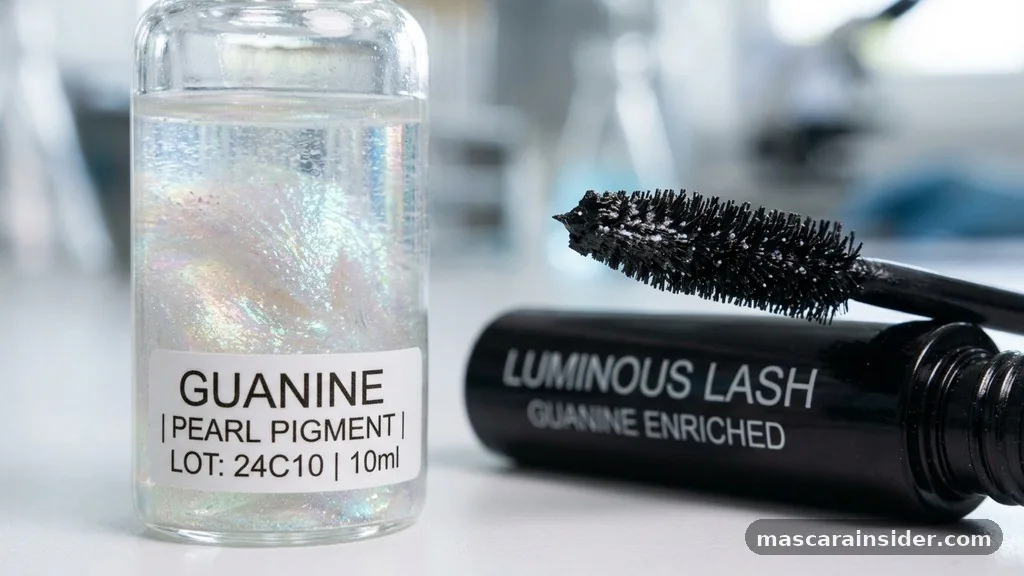
Rumors about what goes into our beauty products often circulate online, leading many to wonder if there is any truth to the claim that bat poop in mascara is a standard industry practice. It sounds like the kind of urban legend that gains traction on social media, yet it remains a persistent question for curious consumers.
Understanding the reality of cosmetic chemistry helps clear up these misconceptions once and for all. By looking at how ingredients are sourced and regulated, we can separate the bizarre myths from the actual components used in your favorite makeup products.
The Origin of the Guanine Myth
The confusion regarding whether there is bat poop in mascara stems from a linguistic misunderstanding involving the word guanine. Guanine is a naturally occurring compound that contributes to the shimmer or pearlescent effect in many cosmetic products, including mascaras, nail polishes, and eyeshadows.
Because the word sounds phonetically similar to guano—the term for bat excrement—a persistent myth developed that these products are formulated with waste. In reality, the two substances share no biological or chemical connection in the context of beauty manufacturing.
The cosmetic industry utilizes guanine for its unique crystalline structure, which reflects light to create a soft, iridescent glow. Historically, this substance was extracted from fish scales, specifically those of herring, to provide what is known as pearl essence.
Modern advancements have largely moved away from animal-derived ingredients, but the confusion between guano and guanine remains a classic example of how misheard terminology can fuel internet rumors. Rest assured, manufacturers do not collect or process bat droppings to achieve the desired luster in their formulas.
Understanding Guanine and Its Role in Cosmetics
When you look at a label for eye makeup, you might see guanine listed, but it is essential to recognize what it actually represents in cosmetic chemistry. This nitrogenous base is a fundamental building block of life, found in the DNA and RNA of all living organisms.
In the lab, it is processed into a fine, crystalline powder that provides a high-shine finish to various pigments. It serves as a functional additive that helps catch light, giving lashes a deeper, more vibrant appearance rather than a flat, matte finish.
Because of the high cost and ethical concerns associated with animal-derived ingredients, the industry has shifted significantly toward alternatives. Today, most companies use synthetic pearls or processed natural mica to achieve the same reflective quality that guanine once provided.
These alternatives are not only more sustainable but also easier to standardize for quality control. The shift toward vegan beauty has pushed brands to be more transparent about their sourcing, making it easier than ever to verify that your mascara contains no animal-derived byproducts.
Regulatory Oversight and Ingredient Safety
The FDA labeling requirements ensure that every ingredient included in your beauty products is documented and safe for consumer use. If a company were using an unconventional substance like bat guano, it would be subject to rigorous testing and disclosure regulations that make such a practice virtually impossible in a commercial setting. The cosmetics industry operates under strict safety protocols designed to prevent contamination and ensure that all additives, especially those used near the sensitive eye area, are inert and non-toxic.
Safety assessments for mascara formulation involve checking for potential irritants and ensuring that all pigments are stable. If a substance like guano were present, it would introduce harmful bacteria and pathogens, which would trigger immediate recalls and severe legal penalties.
The regulatory framework acts as a barrier against the inclusion of unapproved or hazardous materials. Consumers can trust that the products found on store shelves have undergone extensive safety screenings, far removed from the primitive or unsanitary myths that circulate online.
Addressing Common Cosmetic Myths
Many people encounter misinformation regarding ingredients and assume that because a product is “natural” or “shimmering,” it must involve bizarre organic sources. Beyond the bat poop myth, there are several other misconceptions about what is used in eye makeup. The following table highlights the difference between common rumors and the actual substances used in modern manufacturing.
| Myth | Reality |
|---|---|
| Bat poop (guano) in mascara | Guanine (a crystalline compound) |
| Spider legs in mascara | Synthetic polymers and waxes |
| Crushed beetles in all reds | Synthetic dyes or iron oxides |
| Fish scales in all shimmers | Natural mica or synthetic pearls |
It is helpful to separate these claims from the truth by looking at how ingredients function. If you are concerned about specific additives, you can always check the ingredient list for the following indicators:
- Synthetic Fluorphlogopite: A common synthetic alternative to natural mica.
- Iron Oxides: The primary source of pigment in most dark mascaras.
- Carnauba Wax: A plant-based ingredient used to thicken formulas.
- Synthetic Pearls: Used to provide shimmer without animal-derived compounds.
Topical Gaps: What Else Are People Misidentifying?
A common gap in understanding involves the difference between “natural” ingredients and their synthetic counterparts. Many consumers assume that if an ingredient is synthetic, it is inherently worse than something derived from nature. However, in the world of eye makeup, synthetic ingredients are often safer because they are manufactured in controlled environments, free from the impurities found in raw, harvested materials.
Another point of confusion is the term “pearl essence.” While it was once synonymous with fish scales, the term has evolved. Today, it describes the effect of the product rather than the specific source material.
When you read a label and see a pearlescent finish, it is a result of light-reflecting minerals like mica or titanium dioxide, not animal waste. By focusing on the chemical purpose of these additives, you can better understand why they are included in your mascara without falling for sensationalized stories.
Conclusion
The idea that bat poop in mascara is a hidden industry secret is entirely false, rooted in a simple confusion between the chemical name guanine and the word guano. Cosmetic manufacturers rely on precise, lab-tested ingredients to ensure that your makeup is both effective and safe for daily use near the eyes. Modern formulations prioritize synthetic pearls and mineral-based pigments, moving away from animal-derived sources to meet the high standards of the vegan beauty movement.
When you see a shimmering finish on your lashes, you are witnessing the result of advanced chemistry, not an unusual biological additive. If you ever feel uncertain about a product, consulting the official ingredient list or checking with a brand’s transparency report is the best way to gain peace of mind. Feel free to reach out if you have more questions about specific ingredients or want help decoding your next beauty purchase.
Is bat guano used in any commercial cosmetics?
No, bat guano is not used in cosmetics; it is a waste product that would be considered a contaminant.
Why does the word guanine sound like guano?
They are etymologically unrelated; guanine comes from the Spanish word for guano, but the substances are completely different.
Are there animal products in my mascara?
Some mascaras use beeswax or shellac, but most modern brands are moving toward plant-based or synthetic alternatives instead.
Is guanine dangerous to wear on my eyes?
Guanine is a safe, inert compound used in many beauty products to provide a shimmering, pearlescent finish.
How can I tell if my mascara is vegan?
Look for the “vegan” certification label or check the ingredient list for common animal derivatives like beeswax.
What is the main ingredient in mascara?
Most mascaras contain water, pigments like iron oxides, and various waxes such as carnauba or paraffin for texture.
Should I be worried about ingredients in drugstore makeup?
No, all makeup, regardless of price, must follow strict safety regulations set by health authorities like the FDA.


