

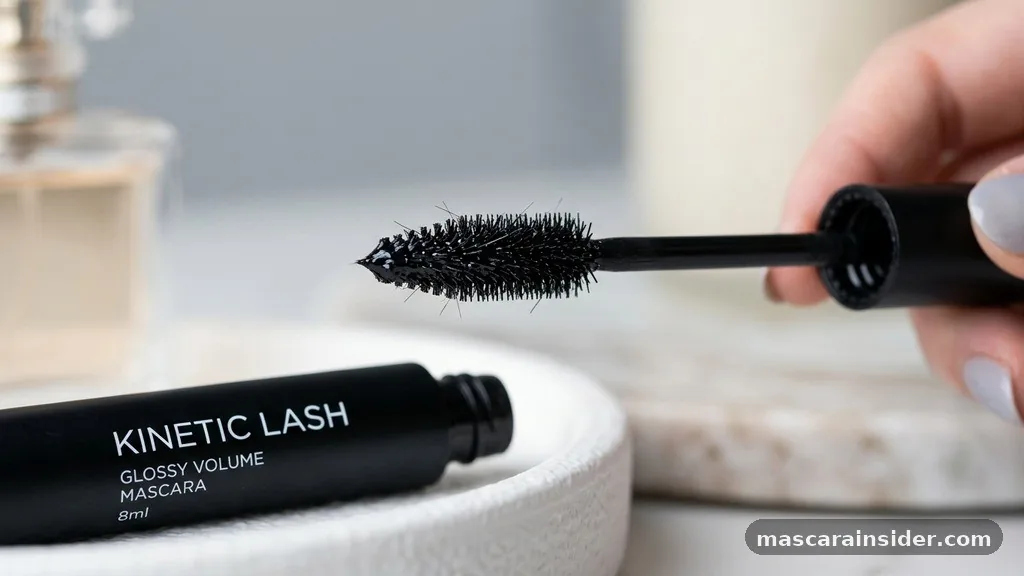
Knowing how long to keep mascara is a fundamental aspect of maintaining proper eye health. While that tube of pigment might seem perfectly fine months after you first cracked the seal, the reality is that your cosmetic bag is a breeding ground for invisible risks. Because mascara brushes enter and exit a dark, moist environment repeatedly, they inevitably introduce debris and skin cells into the tube.
Most experts agree that three months is the absolute maximum lifespan for this product. Staying aware of your mascara expiration dates isn’t just about color payoff; it’s about protecting your delicate ocular surfaces from potential irritation or more serious complications.
The Science Behind Mascara Expiration
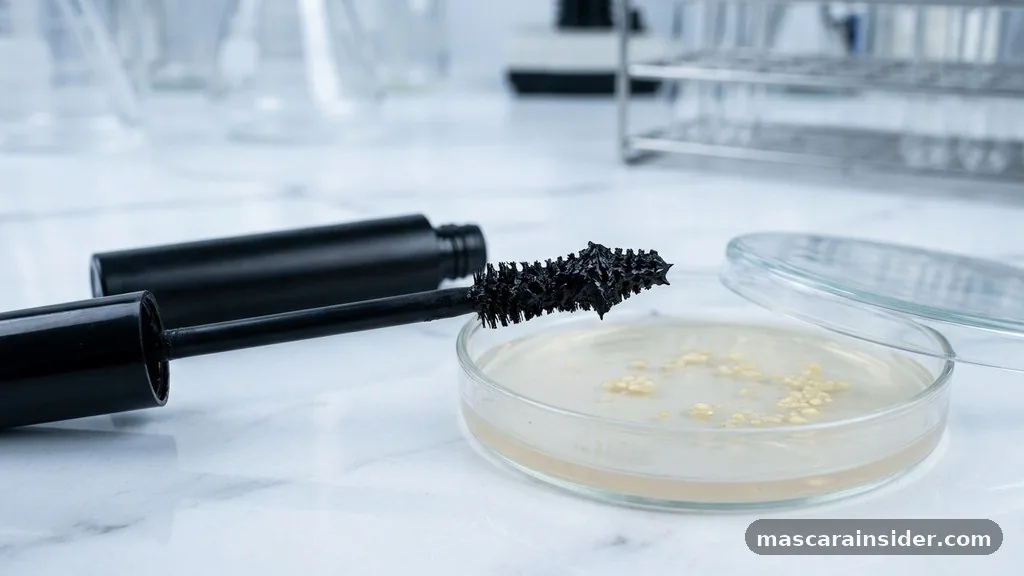
The primary reason you shouldn’t hold onto mascara indefinitely is the inherent risk of bacterial growth. Every time you pull the wand out to apply product and push it back in, you are pumping air and potential pathogens into the container. This cycle creates a cozy, nutrient-rich environment for microbes to thrive, especially since the formula is designed to be moist.
Even though manufacturers include a preservative system in their formulas, these chemicals have a finite capacity. Once the product is exposed to air, the preservatives begin to degrade, leaving the formula vulnerable to contamination. Using a product beyond its intended lifespan significantly increases the likelihood of developing an eye infection or localized inflammation.
Understanding the Period After Opening
If you look closely at the label of your makeup, you will often find a small icon that looks like an open jar with a number and the letter “M” inside. This is the PAO symbol, which stands for period after opening. This symbol provides a standardized guideline for the product’s stable shelf life once it has been unsealed.
While many products can last for a year or more, mascara is almost always marked with a “3M” or “6M” designation. This serves as a manufacturer-backed timeline for when the product’s safety and efficacy are guaranteed. Ignoring this symbol is a common mistake that compromises your cosmetic safety and exposes your eyes to unnecessary hazards.
Signs Your Mascara Has Expired
Sometimes, your mascara will signal that it’s time to toss it long before the three-month mark arrives. You should pay attention to changes in texture, smell, and application. If you notice any of these red flags, stop using the product immediately, regardless of when you purchased it.
- The formula feels clumpy or develops a stringy consistency.
- The product has a sharp, chemical, or “off” odor that wasn’t there before.
- The consistency becomes a dried out formula that flakes off onto your cheeks.
- You experience new or persistent itching, redness, or burning after application.
- The color appears uneven or separates within the tube.
Risks of Using Old Makeup
Neglecting makeup hygiene can lead to several uncomfortable and potentially painful conditions. The most common issues arise when bacteria from the skin or the environment are transferred into the eye via the mascara wand. These bacteria can multiply rapidly within the tube, eventually leading to infections that require medical intervention.
Common Eye Health Complications
The most frequent issues resulting from expired eye makeup include:
| Condition | Common Symptoms |
|---|---|
| Conjunctivitis | Redness, discharge, itching, and crusty eyelids. |
| Stye | A painful, red bump near the edge of the eyelid. |
| Blepharitis | Inflammation of the eyelids, flaking skin, and irritation. |
Why You Should Never Share Mascara
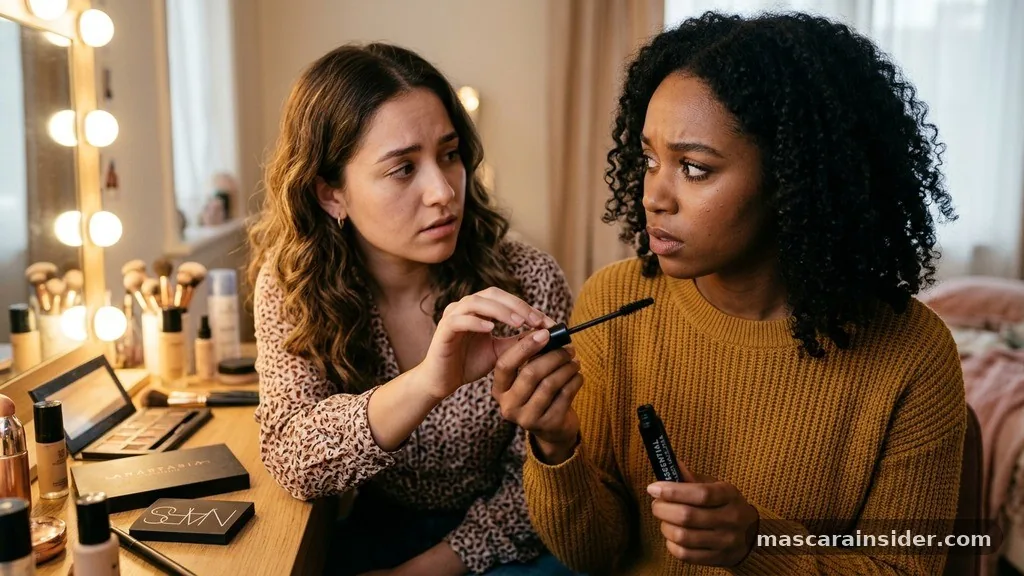
Sharing makeup is one of the quickest ways to facilitate contamination. Even if your own mascara is relatively new, introducing someone else’s bacteria into your tube disrupts the product’s delicate balance. Everyone has a unique microbiome on their skin and around their eyes; mixing these can lead to an unexpected flare-up of bacteria that your eyes aren’t accustomed to.
If you are applying makeup for a friend or at a beauty counter, always use a disposable, single-use wand. Never double-dip the same brush back into the tube after it has touched your skin.
Addressing Common Topical Gaps
There is often confusion regarding whether “clean” or “natural” formulas require different care. Because these products often use fewer synthetic preservatives, they may actually be more susceptible to microbial growth than traditional formulas. If you switch to a cleaner brand, be extra diligent about your three-month replacement schedule.
Another common misconception is that adding water or eye drops to a dried out formula can “revive” it. Do not do this. Adding liquids introduces moisture that creates an ideal breeding ground for bacteria and dilutes the preservatives, making the mascara unsafe to use.
Best Practices for Makeup Hygiene
Maintaining the health of your eyes requires more than just replacing your products on time. It involves consistent habits that keep your tools and your face clean. Following these simple steps will help you maximize the safety of your beauty routine:
- Wash your hands thoroughly before touching your eyes or applying makeup.
- Keep your makeup bag clean and wipe it out with an antibacterial wipe periodically.
- Store your cosmetics in a cool, dry place rather than a steamy bathroom cabinet.
- Never apply makeup while in a moving vehicle to avoid accidental eye injury.
- If you develop an eye infection, throw away all eye makeup you were using at the time.
The Role of Synthetic Fibers and Ingredients
Modern mascara formulas often include synthetic fibers designed to lengthen or volumize lashes. While these ingredients provide a dramatic aesthetic effect, they can also trap bacteria more effectively than smooth, traditional formulas. If you use a fiber-heavy mascara, be particularly mindful of the expiration date.
These tiny fibers can sometimes shed into the eye, causing mechanical irritation that mimics the symptoms of an infection. Keeping an eye on the texture of your mascara is the best way to determine if those fibers are beginning to break down or clump in an unhygienic way.
When to Replace Other Eye Products
While this discussion focuses on mascara, it is worth noting that your other eye products have similar shelf lives. Eyeliner pens and pencils can also harbor bacteria, especially liquid liners that use a felt tip. Because these products come into direct contact with the inner rim of the eye, they are high-risk items.
If you find yourself frequently dealing with eye irritation, audit your entire makeup collection. If you have been holding onto your products for more than a few months, it is time for a refresh.
Conclusion
Prioritizing your ocular health is essential for long-term comfort and beauty. Knowing how long to keep mascara is a simple yet powerful habit that prevents the buildup of harmful bacteria and reduces your risk of infection. By sticking to a strict three-month replacement schedule, paying attention to the PAO symbol, and maintaining clean application habits, you ensure that your makeup enhances your look rather than harming your eyes.
If you can’t remember when you opened your current tube, it is safer to replace it today. Taking these small, proactive steps today will save you from unnecessary discomfort and keep your eyes looking and feeling their best for years to come.
Can I use 1 year old mascara?
No, you should never use year-old mascara, as it is well past its safety and hygiene expiration limit.
When should you throw away mascara?
You should discard mascara after three months of use or immediately if it smells or changes in texture.
How to tell if your mascara is expired?
Look for a clumpy texture, a strange chemical odor, or if it causes any irritation after you apply it.
How long are you supposed to keep your mascara?
Most beauty professionals and health experts recommend replacing your mascara every three months to ensure maximum safety standards.
Does waterproof mascara last longer?
No, waterproof mascara should still be replaced every three months to prevent bacterial growth and formula degradation.
Can old mascara cause pink eye?
Yes, using old, contaminated mascara can introduce bacteria to the eye, which may lead to infections like conjunctivitis.
Should I replace my mascara after an eye infection?
Yes, always throw away all eye makeup used during an infection to prevent re-introducing bacteria to your eyes.


