

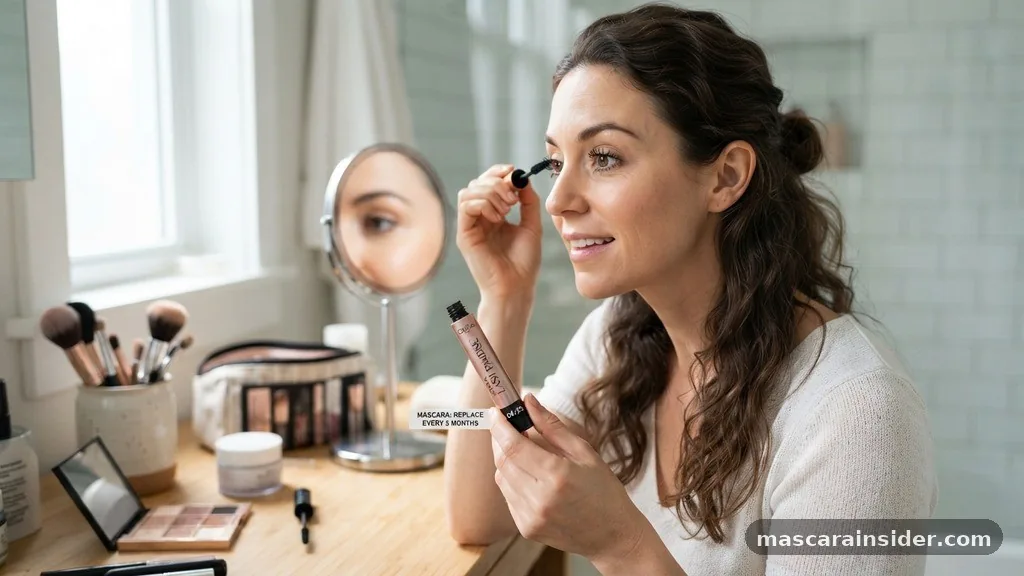
Knowing exactly how often change mascara is a cornerstone of maintaining healthy eyes, yet many beauty enthusiasts push their products well past their prime. Most dermatologists and makeup artists agree that you should replace your tube every three months to prevent the buildup of harmful microorganisms. Because the environment inside a mascara tube is dark, moist, and warm, it serves as an ideal breeding ground for bacteria.
Ignoring these timelines doesn’t just impact your makeup application; it puts your ocular health at direct risk. By prioritizing your cosmetic hygiene, you ensure that every swipe is safe, effective, and free from unwanted irritants that could lead to discomfort or infection.
Understanding the Three-Month Rule
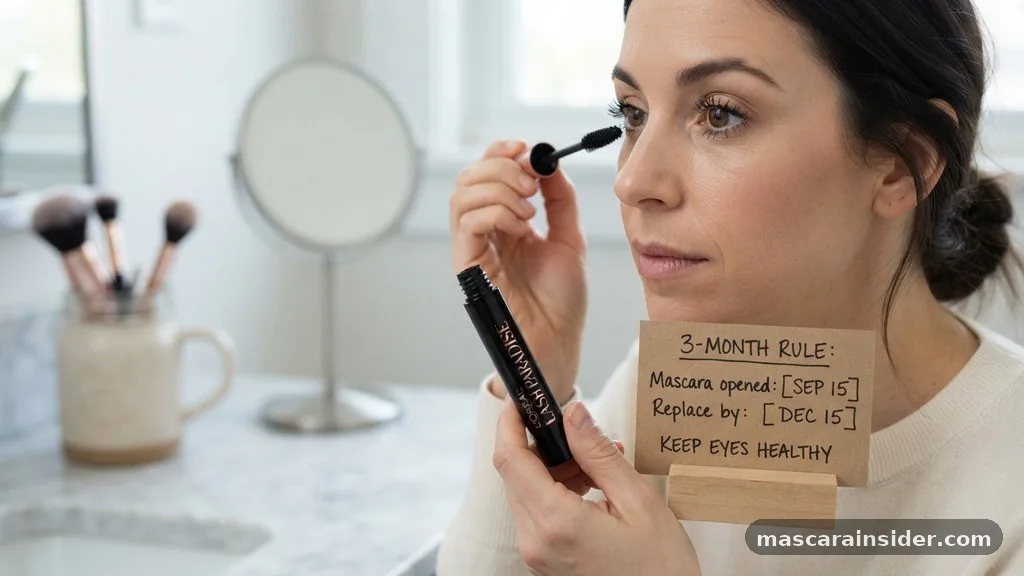
You should replace your mascara every three months because the formula begins to degrade and accumulate bacteria after it is first opened. Each time you remove the mascara wand and pump it back into the tube, you introduce air and skin-surface bacteria into the container.
This repeated exposure compromises the preservative system designed to keep the product stable. Once those preservatives are overwhelmed, the risk of bacterial growth increases significantly, which is why sticking to a strict three-month cycle is the industry gold standard.
Many people wonder if they can stretch this timeframe by adding water or oil to a dried out mascara formula. You should never attempt to revive an old product this way, as doing so only accelerates the breakdown of the formula and introduces new contaminants.
If your mascara has become clumpy, thick, or develops an “off” smell before the three-month mark, it is a clear sign that you need to discard it immediately. Trusting your senses is often the best way to determine if a product has reached its end.
Identifying the PAO Symbol
If you look closely at the packaging of your cosmetics, you will find a small icon that looks like an open jar with a number and a letter inside. This is the PAO symbol, which stands for “Period After Opening.”
It provides a manufacturer-recommended timeframe for when you should dispose of the product after it has been unsealed. While most mascaras carry a 3M or 6M label, the nature of eye products makes the three-month threshold the safest choice regardless of what the label suggests.
The shelf life icon serves as a vital tool for organizing your beauty routine. If you struggle to remember when you purchased a specific tube, try using a permanent marker to write the date you opened it directly on the bottom or side of the container.
This simple habit removes the guesswork from your makeup safety routine. Following the manufacturer’s guidance ensures that the ingredients remain effective and that the product expiration doesn’t catch you off guard.
Risks of Using Expired Eye Makeup
The primary danger of keeping mascara too long is the potential for developing an eye infection. Because the eyes are highly sensitive, any introduction of foreign pathogens can lead to conditions like conjunctivitis or a painful stye. These infections occur when bacteria from the lashes or the environment colonize the product and are then transferred directly onto the delicate tissue of the eyelid or the conjunctiva.
Beyond infections, old mascara can cause significant irritation, leading to red, itchy, or watery eyes. If you find that your eyes feel gritty or look inflamed after applying your makeup, the culprit is often a product that has passed its peak. You might assume you have developed an allergy to a new brand, but it is frequently just a matter of contamination within an aging tube.
| Indicator | Fresh Mascara | Expired Mascara |
|---|---|---|
| Consistency | Smooth and fluid | Clumpy, thick, or flaky |
| Scent | Mild/Neutral | Sharp, chemical, or sour |
| Application | Even coating | Spidery or uneven |
| Eye Comfort | No irritation | Itching, redness, or burning |
Addressing Common Misconceptions
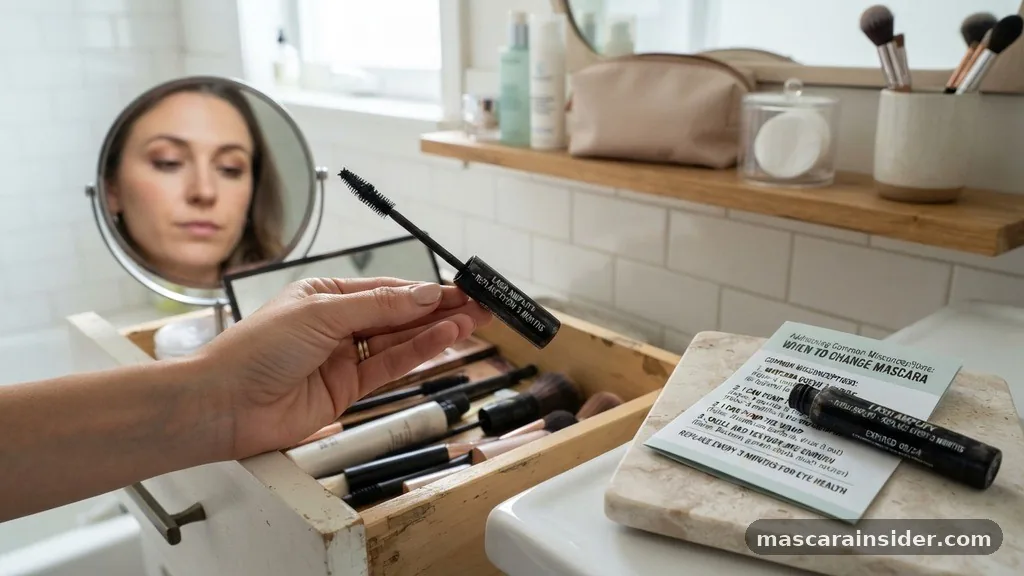
There is a common belief that high-end or “natural” products have a longer lifespan than budget options. This is a dangerous myth, as natural formulations often lack the robust preservative system found in conventional products, meaning they may actually be more prone to spoilage.
Price does not correlate with how long a product remains safe for use on your eyes. You must treat every tube with the same level of caution, regardless of the brand or the retail cost.
Another persistent myth is that if the product looks and smells fine, it is safe to use for up to a year. This is incorrect because the most dangerous pathogens are often invisible and odorless. Shelf stability is not determined by how the product looks in the mirror; it is determined by the chemical integrity of the formula and the level of internal contamination. Never rely on aesthetics alone when making decisions about your eye health.
Best Practices for Cosmetic Hygiene
Maintaining high standards of cosmetic hygiene goes beyond just replacing your mascara on time. How you handle your tools and your face throughout the day plays a massive role in preventing contamination. Follow these practical steps to extend the quality of your makeup and protect your vision:
- Avoid pumping the wand inside the tube, as this forces air inside and promotes drying.
- Never share your mascara with friends or family members to prevent cross-contamination.
- Always remove your eye makeup completely before going to sleep to prevent residue buildup.
- Store your makeup in a cool, dry place rather than a steamy bathroom cabinet.
- Clean your eyelash curler regularly to remove dried product and bacteria.
- Replace your mascara immediately if you have recently recovered from an eye infection.
- Keep your makeup bag clean by wiping it out with an antibacterial cloth every few weeks.
Why Gen Z and Minimalist Trends Matter
Recent discussions around how often change mascara have been influenced by a shift toward “clean girl” aesthetics and minimalist beauty routines. Many people are moving away from heavy eye makeup, which can actually be beneficial for ocular health. By using less product, you have fewer opportunities to accidentally contaminate your tools.
However, even if you only wear makeup once a week, the three-month rule still applies. Once the seal is broken, the clock starts ticking regardless of how frequently you actually apply the formula to your lashes.
If you find that you are throwing away nearly full tubes of mascara every three months, consider purchasing “mini” or “travel-size” versions. These smaller tubes are often more cost-effective for those who don’t wear makeup daily and ensure you are always using a fresh, safe product. This strategy reduces waste while keeping your eyes protected from the risks associated with long-term product use.
Frequently Asked Questions
How often should you replace your mascara?
You should replace your mascara every three months to prevent bacterial growth and ensure product safety.
Can I use mascara that is one year old?
No, one-year-old mascara is likely contaminated and should be discarded to avoid potential eye infections.
Why does my mascara smell like chemicals?
A sharp or chemical odor is a clear sign that the preservatives have degraded and it’s expired.
Is it okay to add water to dried out mascara?
Never add water or oil to mascara, as this introduces bacteria and breaks down the product’s protective formula.
What should I do if I get an eye infection?
Discard all eye makeup used before or during the infection and consult a doctor for proper treatment.
Does the PAO symbol on the package matter?
Yes, the PAO symbol provides the manufacturer’s safety limit, but three months is the standard for eye products.
How can I remember when to change my mascara?
Write the date you opened the tube on the container with a permanent marker to track usage easily.
Ensuring Long-Term Eye Health
Knowing how often change mascara is more than just a beauty tip; it is a vital part of your personal health regimen. By adhering to the three-month replacement window, you significantly lower the risk of infections that can cause lasting discomfort. Always pay attention to how your products perform, and never hesitate to toss a tube if it shows signs of age or if you have recently experienced an eye issue.
Consistent habits, like tracking your open dates and avoiding the sharing of wands, create a safer environment for your eyes while ensuring your makeup always looks its best. Taking these small, disciplined steps today will help you maintain clear, healthy eyes for years to come. If you have questions about your specific products, don’t hesitate to reach out to a professional or share your experiences in the comments below.


