

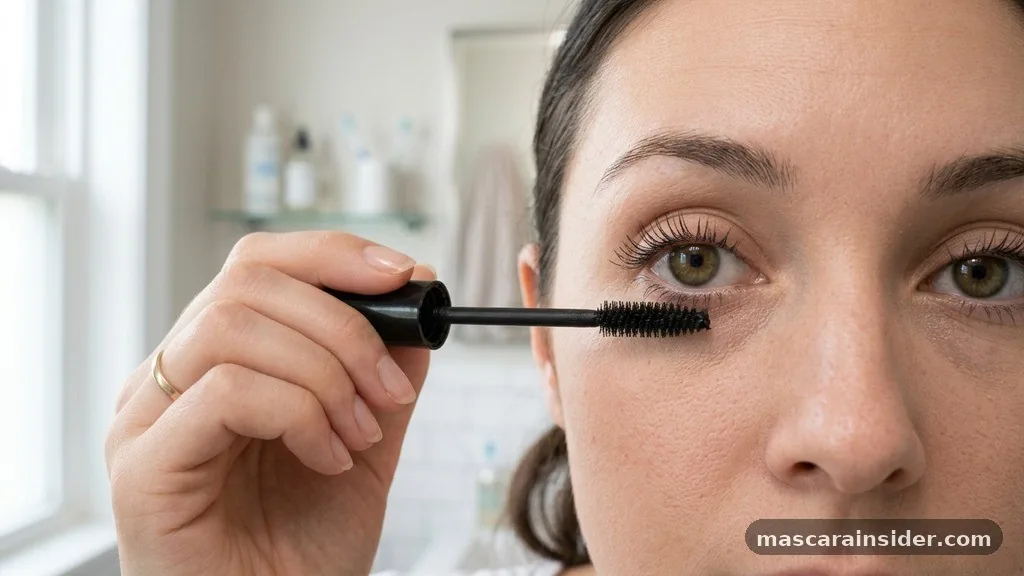
Many people wonder if their daily beauty routine is the culprit behind an unexpected, painful bump on the eyelid, and finding out whether can mascara cause a stye is a frequent concern for makeup enthusiasts. A stye, medically known as a hordeolum, often develops when oil glands or an eyelash follicle become clogged or infected. Because mascara is applied directly to the base of the lashes, it sits in close proximity to these sensitive structures.
If your tools or products harbor bacteria, you increase the risk of an ocular infection. Learning how to manage your makeup habits is essential for maintaining healthy eyes and preventing these uncomfortable, albeit common, irritations.
The Link Between Makeup and Eyelid Health
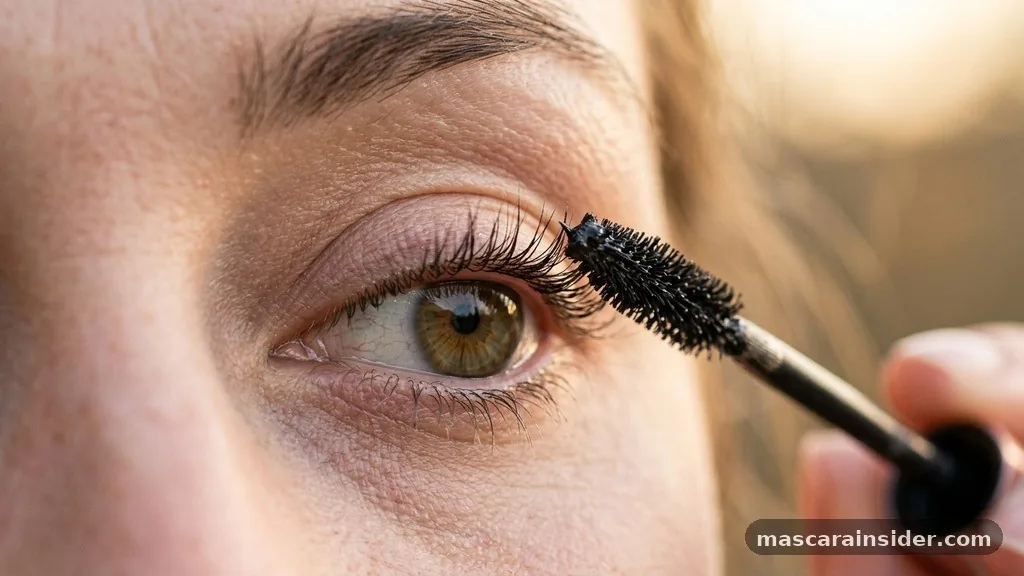
The connection between eye cosmetics and eyelid health is significant because the eyes are incredibly sensitive to foreign substances. When you ask if can mascara cause a stye, the answer is rooted in how bacteria interact with the meibomian glands and hair follicles. Mascara wands are prime real estate for microorganisms, particularly if they are shared or used long after they should have been discarded.
Every time you pull the wand out of the tube and apply product, you risk transferring bacteria from your skin back into the container. Over time, this creates a breeding ground for Staphylococcus aureus, the primary pathogen responsible for most styes. Once these bacteria enter the tiny ducts of your oil glands, they can cause a blockage, leading to the inflammation and pus-filled bump that characterizes a stye.
Common Risk Factors for Developing a Stye
Several habits can exacerbate the risk of eye infections when wearing cosmetics. Understanding these factors is the first step toward better eyelid hygiene.
- Sharing eye makeup with friends or family members.
- Failing to remove makeup completely before going to sleep.
- Using expired eye products that have lost their antimicrobial preservatives.
- Rubbing your eyes frequently throughout the day with unwashed hands.
- Applying mascara too close to the waterline, which physically blocks the oil ducts.
The Role of Bacterial Contamination
Bacterial contamination is the silent enemy of eye health. Most liquid makeup, including mascara, contains preservatives designed to inhibit bacterial growth, but these chemicals lose their efficacy over time. Once a product is opened, it is exposed to air and moisture, which accelerates the breakdown of these protective ingredients.
If you notice your mascara has developed an unusual odor, a change in texture, or is clumping more than usual, it is likely compromised. Continuing to use such a product invites bacteria directly onto your lash line. If you are prone to blepharitis or other chronic eyelid conditions, you are even more susceptible to these infections, making the selection and maintenance of your makeup products critical.
How to Identify and Manage a Stye
If you suspect you have a stye, the first priority is to stop wearing all eye makeup immediately. A stye usually presents as a red, tender bump near the edge of the eyelid.
It may feel like a small grain of sand is stuck in your eye. While most styes resolve on their own with proper care, it is vital to avoid squeezing or attempting to pop the bump, as this can spread the infection to surrounding tissues.
The gold standard for at-home treatment is the warm compress. Applying a clean, damp, warm cloth to the affected area for 10 to 15 minutes, several times a day, helps liquefy the trapped oils and encourages the gland to drain naturally. If the swelling does not subside within a few days, or if it begins to affect your vision, you should consult an eye care professional for antibiotic treatment.
Comparing Makeup Habits and Infection Risks
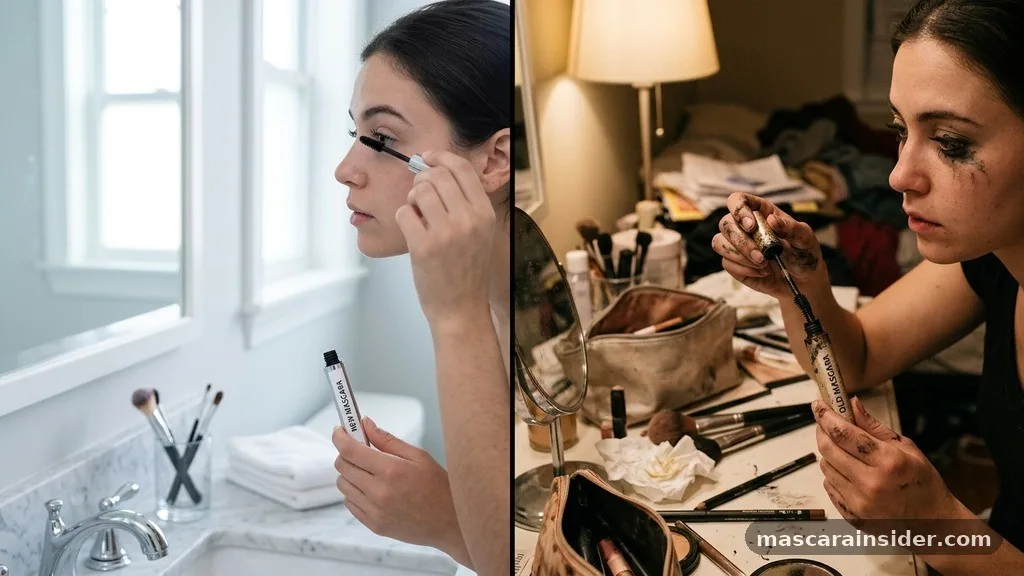
Different types of eye makeup carry varying levels of risk depending on how they are applied and maintained. The table below outlines common practices and how they relate to potential infection.
| Practice | Risk Level | Impact on Eye Health |
|---|---|---|
| Sharing makeup brushes | High | High risk of cross-contamination |
| Using waterproof mascara | Moderate | Harder to remove; can clog glands if residue remains |
| Discarding mascara after 3 months | Low | Minimizes exposure to expired preservatives |
| Removing eye makeup at night | Low | Prevents debris from entering follicles |
Maintaining Hygiene for Sensitive Eyes
If you have experienced recurrent styes, your makeup brushes and application techniques might be the hidden issue. Brushes that are not cleaned regularly collect dead skin cells, oils, and bacteria. Even if your mascara is fresh, using a dirty brush to blend or apply shadows can introduce pathogens to your eyelid skin.
You should aim to wash your brushes at least once a week with a gentle, fragrance-free soap. Additionally, consider the formula of the products you use. Waterproof mascara, while long-lasting, is notoriously difficult to remove.
If you do not use a dedicated oil-based makeup remover, you might be leaving microscopic traces of pigment and wax behind, which can easily clog your meibomian glands. Always ensure your removal process is thorough but gentle to avoid irritating the delicate skin around the eyes.
Addressing Common Misconceptions and Gaps
There is often confusion regarding when it is safe to resume wearing makeup after an infection. Many people rush back to their routine as soon as the physical bump disappears. However, the bacteria may still be lingering on your old applicators.
If you have had an infection, the most important step is to throw away all eye makeup you were using at the time. This includes mascara, eyeliner, and even eyeshadows that might have come into contact with the affected area.
Another frequent question concerns whether high-end or hypoallergenic products are “safer.” While these products are often formulated with fewer irritants, they are not immune to bacterial growth. Even the most expensive mascara will become a hazard if it is kept for six months or a year.
The key is not necessarily the price point, but the adherence to makeup expiration dates and consistent daily cleaning. If you have extremely sensitive eyes, look for products that are ophthalmologist-tested and fragrance-free, but remember that the shelf life remains the same regardless of the brand.
Frequently Asked Questions
Can I wear makeup while I have an active stye?
No, you should avoid all eye makeup until the stye has completely healed to prevent further infection.
How often should I replace my mascara?
You should replace your mascara every two to three months to maintain the effectiveness of its preservatives.
Does waterproof mascara increase the risk of styes?
Waterproof formulas can be harder to remove, potentially leaving residue that clogs oil glands if not cleaned properly.
Can sharing makeup cause a stye?
Yes, sharing makeup is a leading cause of cross-contamination and can easily spread bacteria between different users.
How do I clean my makeup brushes to prevent infections?
Wash your brushes weekly with a mild soap and water, ensuring they are completely dry before next use.
Is it safe to use old makeup if it still looks fine?
No, even if the product looks normal, the antimicrobial preservatives degrade over time, increasing your infection risk.
What is the best way to remove stubborn mascara?
Use a gentle, oil-based makeup remover to dissolve the product, followed by a mild cleanser to remove residue.
Prioritizing Eye Health in Your Daily Routine
Protecting your eyes from infection requires a combination of vigilance and consistency. While it is true that can mascara cause a stye, you do not necessarily need to give up your favorite products to stay safe. By being mindful of your makeup expiration dates, keeping your tools clean, and never sharing your products, you can significantly lower the likelihood of developing a painful hordeolum.
Remember that your eyes are one of your most valuable assets, and a little extra effort in your nightly cleansing routine goes a long way toward long-term health. If you ever notice persistent redness, pain, or swelling that does not improve with simple hygiene, reach out to an eye doctor to ensure you receive the proper care. Keep your routine simple, your tools clean, and your eyes will thank you.


