

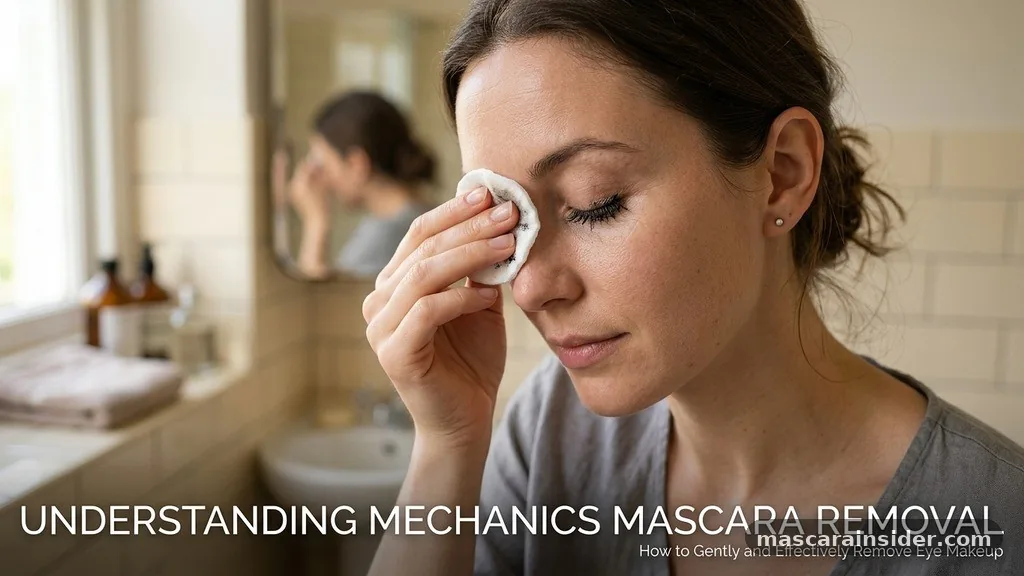
Learning how to gently remove mascara is a fundamental skill for maintaining long-term eye health and keeping your lashes full and strong. Many people inadvertently contribute to lash breakage or irritation by scrubbing their eyes with harsh cleansers or using dry cotton pads that pull at the delicate skin around the orbital bone.
By switching to more nourishing techniques and products, you can easily dissolve stubborn pigments without putting unnecessary strain on your hair follicles. This approach not only preserves the density of your lashes but also protects your sensitive eyelid skin barrier from premature aging and chronic inflammation caused by aggressive daily makeup removal routines.
Understanding the Mechanics of Mascara Removal
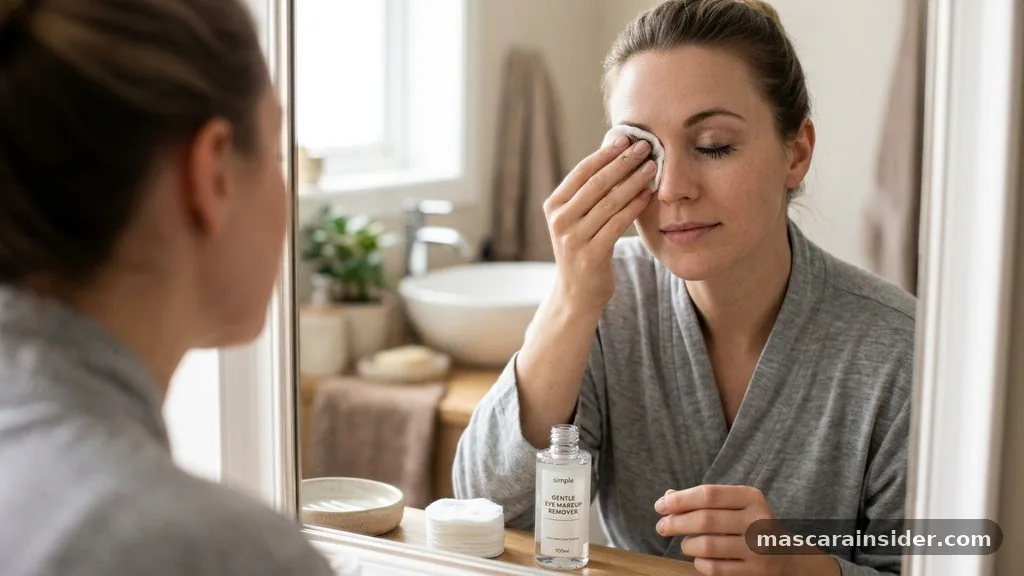
To effectively remove mascara without damage, you must understand that most modern formulas—especially waterproof versions—are designed to be hydrophobic. This means they are engineered to resist water, making simple rinsing ineffective and potentially harmful if you scrub too hard.
The goal is to break down the polymers, waxes, and pigments using ingredients that have a higher affinity for those substances than your lashes do. When you use the right solvent, the mascara essentially slides off the hair shaft rather than being physically scraped away.
Most professional makeup artists emphasize the importance of patience during this process. If you rush the removal, you are far more likely to apply gentle friction that leads to lash breakage. Instead, think of your eye makeup removal as a mini-spa treatment rather than a chore.
By allowing the product time to sit and emulsify the mascara, you ensure that the removal process remains effortless. This prevents the mechanical stress that often causes thinning lashes over time.
Choosing the Right Cleansing Medium
Selecting the correct product is the first step toward avoiding irritation. If you have eye sensitivity, you should avoid harsh toners or alcohol-based wipes that strip the skin of its natural moisture.
Instead, opt for products specifically formulated for the eye area. An oil-based cleanser or a high-quality cleansing balm is typically the most effective choice because the oils easily dissolve the waxes found in almost all mascaras.
Some people prefer using natural oils, and while these can be effective, you must ensure they are non-comedogenic if you are prone to milia or breakouts. Coconut oil is a popular choice for its ability to melt thick formulas, while almond oil offers a lighter texture that is easier to rinse away. Jojoba oil is another excellent option because its chemical structure closely mimics the natural sebum produced by your skin, making it highly compatible with the thin, fragile eyelid skin barrier.
The Technique of Proper Emulsification
Once you have chosen your cleanser, the technique you use is what truly makes the difference. Start by applying a small amount of your chosen product to dry, clean fingertips or a soft cloth.
Gently massage the product over your closed eyelids, focusing on the lash line where the mascara is most heavily concentrated. Do not rub back and forth aggressively; instead, use small, circular motions to encourage the cleanser to coat every individual lash from root to tip.
Allow the cleanser to sit for about thirty to sixty seconds. This waiting period is critical because it gives the oils time to break down the makeup residue.
If you try to wipe the mascara away immediately, you will likely find that it smears rather than lifts. Once the mascara has softened, you can use a damp cotton pad or a warm, wet washcloth to gently sweep the pigment away in a downward motion, following the natural growth pattern of your lashes.
Managing Waterproof Mascara Challenges
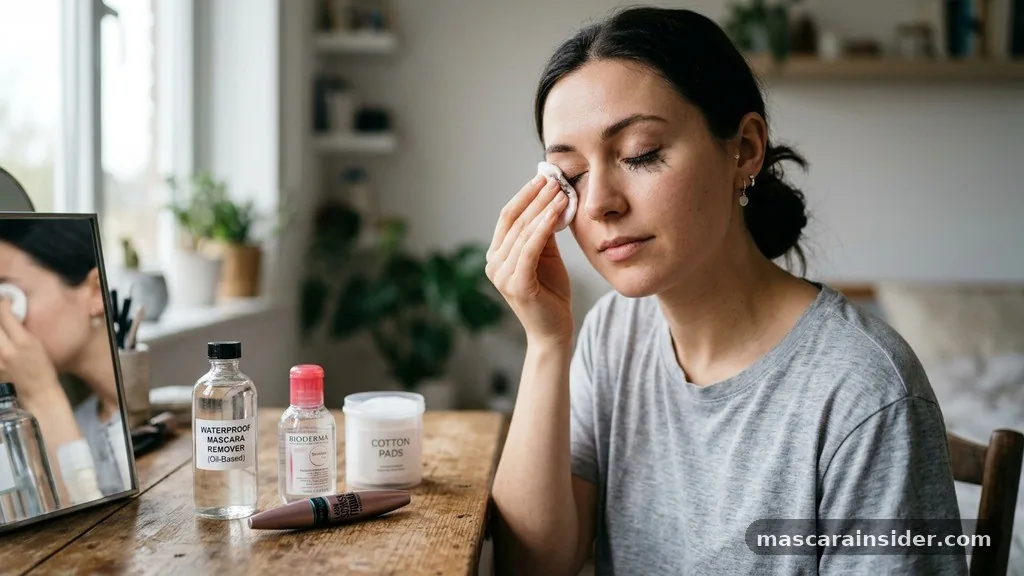
Removing waterproof mascara often requires a slightly different approach than standard formulas. Because these products are designed to stay put through humidity and moisture, they are often resistant to standard water-based face washes.
If you find yourself struggling with stubborn clumps, do not try to pick or pull them off. This is a common cause of losing eyelashes prematurely.
The most effective strategy for waterproof formulas involves the double cleansing method. Start by applying an oil-based balm or a dedicated eye makeup remover on a cotton pad, holding it firmly against the closed eyelid for twenty seconds. This pressure allows the solvent to soak into the waterproof coating.
After the initial lift, follow up with a gentle gel or cream cleanser to remove any remaining oily film. This ensures that no debris is left behind to clog your hair follicles overnight.
| Cleansing Method | Best For | Key Benefit |
|---|---|---|
| Cleansing Balm | Heavy/Waterproof makeup | Deep dissolution of waxes |
| Micellar Water | Sensitive skin/Light makeup | No-rinse, soothing finish |
| Natural Oils | Dry skin/Natural routines | Nourishes lashes |
Protecting Eyelash Health During Removal
Your lashes are delicate, and they require a consistent care routine to remain healthy. Excessive pulling is the primary enemy of eyelash health.
When you use a cotton pad, ensure it is saturated enough that it glides over the eyelid rather than dragging. If the pad feels dry, you are creating friction that can cause the hairs to snap or pull out at the root.
It is also helpful to pay attention to the tools you use. Disposable cotton rounds are standard, but reusable microfiber cloths or bamboo pads are often softer and less likely to leave lint behind.
Lint can accumulate at the base of the lashes, leading to irritation or even styes. By keeping your tools clean and prioritizing soft materials, you support the longevity and strength of your lashes over the long term.
Addressing Topical Gaps in Removal Routines
Many people wonder why they still wake up with “raccoon eyes” despite using a cleanser. This usually happens because they focus only on the top of the lashes and ignore the underside.
To ensure every trace of pigment is gone, you should gently tilt your head back and look into a mirror while cleaning the base of your upper lashes from underneath. Using a small, soft-bristled brush or a clean spoolie dipped in a little oil can help navigate those tight, hard-to-reach areas.
Another common gap in knowledge is the importance of the final rinse. Even if you use a “rinse-free” product, residual surfactants can be left on the skin.
A quick splash of lukewarm water or a gentle swipe with a damp cloth helps remove the last of the cleanser and any dissolved makeup particles. This prevents the ingredients from potentially irritating your eyes while you sleep, keeping the skin around your eyes fresh and clear.
Incorporating Micellar Water Properly
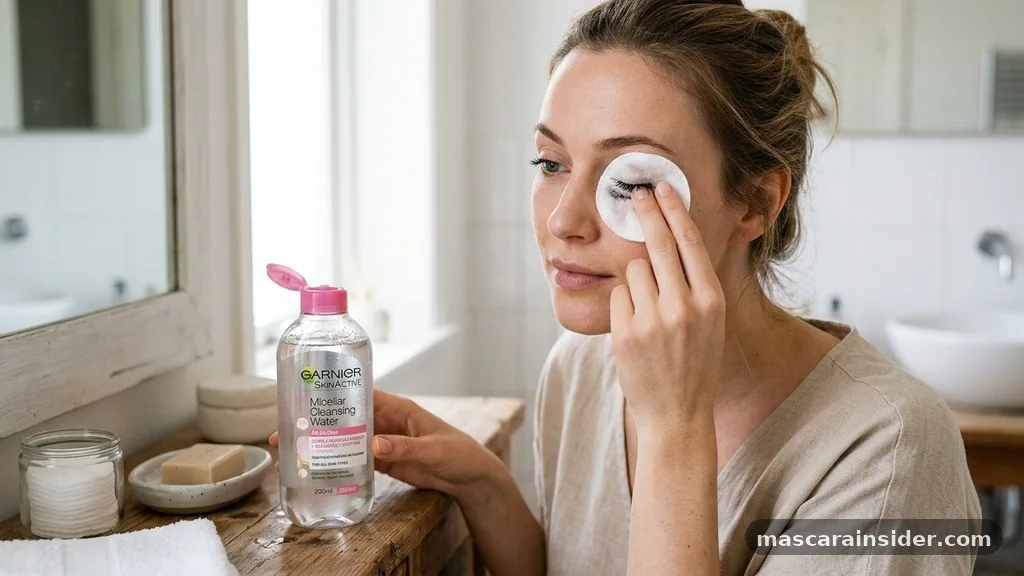
Micellar water has become a staple for many because of its convenience, but it is often misused. Many people treat it like a traditional toner, swiping it over the eyes with a dry cotton pad until the skin is red.
The correct way to use it is to saturate a pad completely and then press it against the eye for a few moments. This allows the micelles—tiny oil molecules suspended in water—to attract and pull the makeup away from the lashes like a magnet.
If you are using micellar water, choose a version that is fragrance-free, especially if you have known allergies. Because you don’t necessarily have to rinse it, it is a great travel-friendly option, but you should still ensure that you are not leaving behind any residue that could cause puffiness. Always follow up with a light moisturizer or eye cream to replenish the hydration that the cleansing process might have depleted.
The Role of Eyelid Skin Barrier Integrity
The skin around your eyes is the thinnest on your entire body. When you learn how to gently remove mascara, you are also learning how to protect this crucial eyelid skin barrier.
Frequent tugging or the use of harsh, stripping ingredients can lead to micro-tears and a compromised moisture barrier. This damage often manifests as redness, flakiness, or increased sensitivity to other skincare products.
To maintain this barrier, avoid hot water, which can be dehydrating. Lukewarm water is the gold standard for cleansing.
Additionally, try to avoid products with harsh fragrances or essential oils, which can be particularly volatile near the mucous membranes of the eye. By treating your eyelids with the same care you would use for a healing wound, you ensure that your skin remains resilient, hydrated, and capable of protecting your eye area from environmental stressors.
Consistency and Long-Term Eyelash Maintenance
Developing a consistent habit is just as important as the products you choose. If you consistently remove your mascara every night, you prevent the buildup of bacteria and the hardening of the product on the lashes, which makes them brittle over time.
If you find yourself too tired to perform a full routine, keep a gentle makeup-removing cloth or a bottle of micellar water at your bedside. This eliminates the excuse of being too exhausted to clean your face.
Remember that your lashes have a growth cycle, just like the hair on your head. They will naturally shed, but you want to ensure that you aren’t accelerating this process through physical trauma.
By focusing on gentle friction and using nourishing ingredients, you create an environment where your lashes can grow to their full potential. Over time, you will notice that your lashes look thicker and healthier simply because you have stopped damaging them during your nightly routine.
FAQ: Common Questions on Mascara Removal
Is it okay to use soap and water to remove mascara?
Using regular soap can dry out the delicate skin around your eyes and cause irritation or lash brittleness.
Does Vaseline effectively remove waterproof mascara?
Yes, petroleum jelly acts as an occlusive that breaks down oil-resistant formulas, but it can be difficult to rinse.
What is the best way to remove mascara without losing lashes?
Always saturate the lashes with an oil-based cleanser and wait for it to dissolve before wiping away gently.
Can I use coconut oil for everyday mascara removal?
Coconut oil is effective at removing makeup, but be careful if you are prone to clogged pores or milia.
Why do my eyes burn when I remove my makeup?
Burning often results from using harsh alcohol-based products or getting residue inside the eye during the removal process.
How often should I clean my eyelash tools?
You should clean any brushes or spoolies used for lash maintenance after every single use to prevent bacterial growth.
What should I do if I get makeup residue in my eye?
Rinse your eye immediately with clean, lukewarm water or a sterile saline solution to flush out the particles safely.
Achieving a clean eye area without the need for aggressive scrubbing is entirely possible when you prioritize the health of your lashes and the sensitivity of your skin. By utilizing the right solvents and allowing them time to do the heavy lifting, you ensure that your nightly routine is both effective and restorative. Take the time to choose products that align with your skin’s needs, and always remember to move with a light touch.
Your lashes will thank you for the extra care, and you will likely see an improvement in their overall density and health. If you have been struggling with a particular formula, try switching to a cleansing balm or an oil-based solution tonight to see the difference firsthand. Your eyes deserve a gentle, soothing end to every day.


