

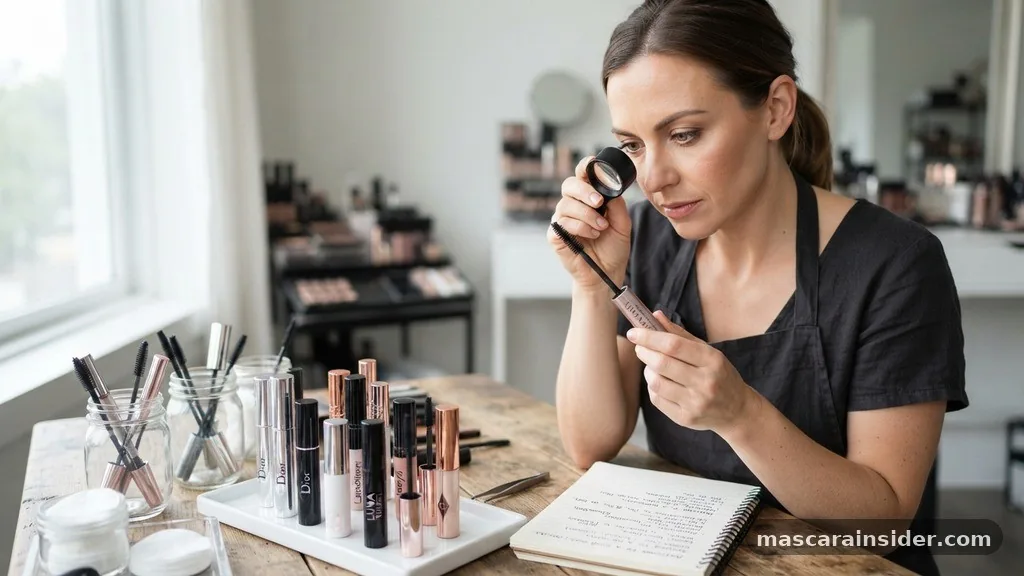
Finding what is a good mascara often feels like a never-ending quest through a sea of neon-colored tubes and bold marketing claims. While one person dreams of sky-high length, another prioritizes a smudge-proof finish that survives a rainy commute.
The truth is that a high-quality product isn’t just about the brand name on the label; it’s about how the specific chemistry interacts with your unique lash structure. By understanding the core components of these formulas—from the brush design to the conditioning ingredients—you can stop guessing and start picking products that actually deliver the results you want every single morning.
Understanding the Anatomy of Quality Mascaras
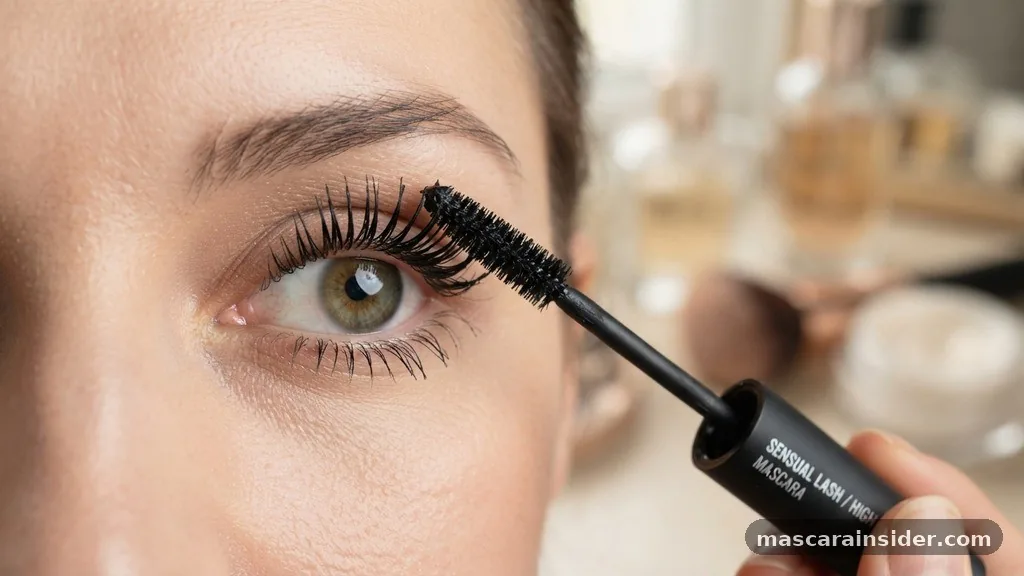
A top-tier cosmetic isn’t just black pigment in a tube. It is a precise blend of waxes, oils, and polymers designed to coat each individual lash without causing irritation. When you are determining what is a good mascara for your routine, you need to look past the packaging and evaluate the actual composition of the liquid inside.
The most effective formulas rely on a balanced ratio of film-forming agents and waxes. Carnauba wax is a common industry standard because it provides structure and hold, ensuring that the curl you create with your wand stays in place throughout the day. Meanwhile, polymers act like tiny structural supports, helping the product adhere to the hair shaft without feeling heavy or brittle.
The Role of Ingredients in Lash Health
You wouldn’t put just anything on your skin, so why ignore what goes on your eyes? Many high-end and drugstore options now include conditioning agents that treat your lashes like hair on your head. Panthenol, a form of Vitamin B5, is frequently added to high-quality formulas to provide moisture and prevent the lashes from drying out and snapping.
If you have sensitive eyes, you should prioritize products that are ophthalmologist-tested and marked as hypoallergenic mascara. These labels indicate that the product has undergone rigorous testing to ensure it won’t cause redness, burning, or allergic reactions. Avoiding harsh fragrances and unnecessary preservatives is a hallmark of a well-formulated product that respects the delicate skin around your lash line.
Choosing the Right Wand Shape
The applicator is just as important as the formula itself. You could have the most advanced liquid on the market, but if the applicator can’t reach your inner corners, you won’t get the desired effect. The wand shape dictates how the product is distributed and how much separation you achieve between individual hairs.
* Hourglass Wands: These are ideal for building significant volume by grabbing lashes at the center and the corners simultaneously.
* Tapered Wands: These offer precision, making them perfect for reaching tiny lashes in the inner corners of the eye.
* Curved Wands: These mimic the natural shape of the eyelid, helping to lift and set a curl as you apply.
* Plastic/Rubber Bristles: These are usually better for lash definition and ensuring a clump-free application by combing through the hairs.
* Natural Fiber Brushes: These tend to hold more product, making them a better choice if you prefer a thicker, more dramatic look.
Identifying Your Specific Lash Needs
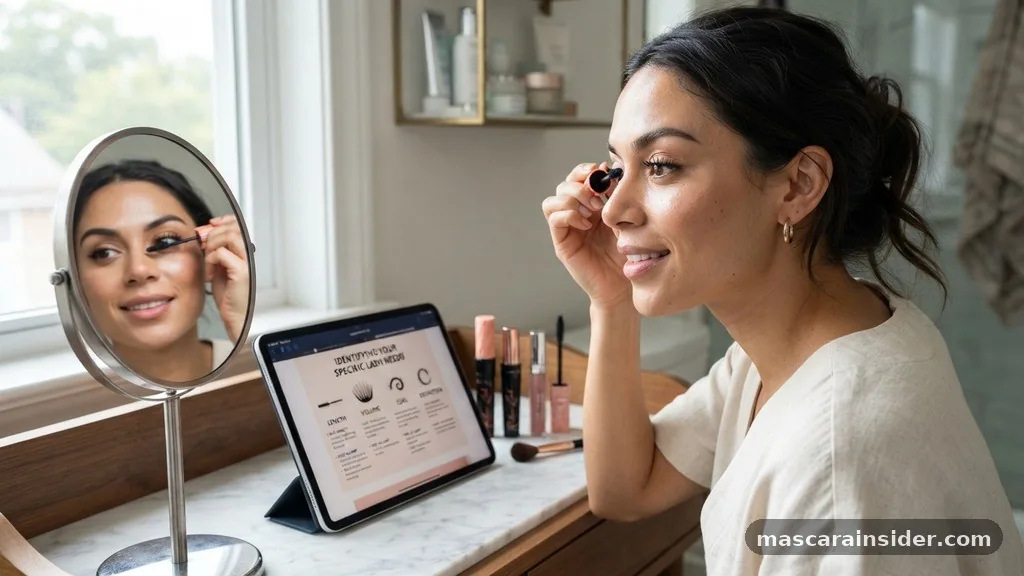
Most users search for what is a good mascara because they feel their current tube isn’t doing enough. To solve this, categorize your needs into functional buckets. Do you want to add height, thickness, or just a bit of natural definition?
| Category | Primary Goal | Key Ingredient/Feature |
|---|---|---|
| Volumizing | Thicken the look of lashes | Thickening polymers |
| Lengthening | Extend the appearance of tips | Fiber-infused formula |
| Waterproof | Resist moisture and sweat | Hydrophobic waxes |
| Tubing | Prevent smudging and flaking | Water-soluble polymers |
Why Fiber-Infused Formulas Are Popular
If you are looking for dramatic length, fiber-infused products are often the answer. These contain microscopic synthetic fibers that cling to the end of your natural lashes, essentially building a physical extension.
It is a brilliant bit of chemistry, but it requires a bit of technique. You must apply them carefully to ensure the fibers lie flat, otherwise, they can look messy or spikey by midday.
Addressing Common Performance Issues
Even expensive products can fail if they aren’t used correctly. If you find yourself dealing with “raccoon eyes” by 3:00 PM, you likely need a tubing mascara.
Unlike traditional formulas that coat your lashes in oil-based pigments, these wrap each lash in a water-resistant tube. They are incredibly smudge-proof and stay put until you use warm water to gently slide them off your lashes.
Clumping is another common frustration that usually stems from a dried-out wand or an expired product. Always store your tubes in a cool, dry place and replace them every three months. Bacteria can build up in the dark, damp environment of a mascara tube, which is not only bad for your lash health but can also change the consistency of the product, making it thick and difficult to apply.
Filling the Gaps: Beyond the Basics
Many people struggle with the “in-between” period of a product’s life. A brand-new tube is often too wet, causing it to transfer onto the eyelid, while an older tube becomes dry and flaky.
To manage a new tube, try wiping the excess product off the wand onto a clean tissue before application. This simple step prevents the heavy build-up that leads to clumping.
Another common gap in knowledge involves the layering technique. If you want a truly professional look, combine two different types.
Start with a lengthening mascara to separate and stretch the lashes, then follow up with a volumizing mascara only at the roots. This creates a base of thickness while keeping the ends light and separated, avoiding that heavy, “spider-leg” effect that ruins a clean aesthetic.
FAQ: Common Questions on Mascara Selection
What is the most important factor when choosing a mascara?
The most important factor is your specific lash goal, whether that is volume, length, or smudge-proof durability.
Does a waterproof formula damage lashes?
It can be drying, so ensure you use a gentle oil-based remover to avoid pulling or breaking the lashes.
How often should I replace my mascara?
You should replace your mascara every three months to prevent bacterial growth and maintain the formula’s intended consistency.
Is there a difference between drugstore and luxury mascara?
Often, the difference lies in the brush engineering, ingredient quality, and the specific polymers used for long-term wear.
How do I stop my mascara from smudging?
If you have oily eyelids, try a tubing formula or apply a light dusting of translucent powder before your application.
Can I wear mascara if I have sensitive eyes?
Yes, look for hypoallergenic, ophthalmologist-tested formulas that exclude common irritants like fragrance and heavy chemical dyes.
What is the best way to remove stubborn mascara?
Use a dedicated bi-phase makeup remover or a cleansing balm to melt the product without tugging the delicate eye area.
Final Thoughts on Finding Your Perfect Match
Selecting the right product for your eyes is a personal journey that balances your aesthetic preferences with the realities of your daily life. Whether you gravitate toward a curling mascara that opens up your eyes or a simple, smudge-proof daily wear option, the best choice is one that makes you feel confident while keeping your lashes healthy. Remember that technique—how you hold the wand, how many coats you apply, and how you remove the product at night—is just as critical as the ingredients inside the tube.
Experimenting with different wand shapes and formulas is the best way to discover what works for your specific eye shape and lash texture. Once you find a reliable staple, don’t be afraid to stick with it, but keep an eye out for innovations that might serve your routine even better. If you have a favorite technique or product, feel free to share your experience and keep the conversation going.


