

If you have ever wondered what mascara primer do for your daily beauty routine, you are certainly not alone in seeking that extra boost for your lashes. Many people assume it is just another unnecessary step in a makeup bag, but it actually serves as a foundational base that transforms how your final coat of color sits on the eye.
By understanding the science behind these formulas, you can achieve better definition and long-term health for your natural lashes. This article explores the specific benefits and mechanics involved in using a primer effectively, helping you decide if this product deserves a permanent spot in your morning ritual.
The Core Function of Mascara Primer
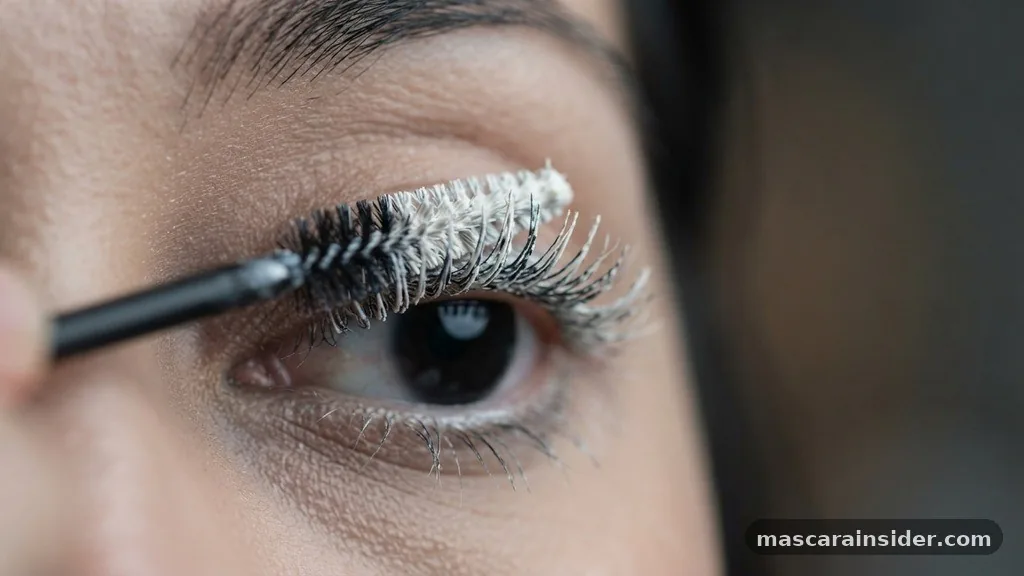
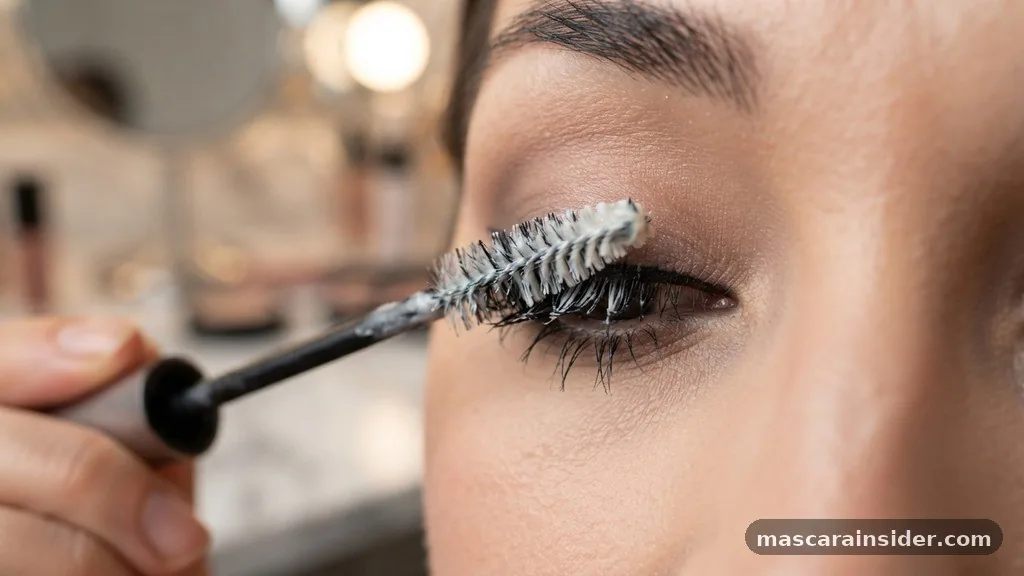
At its most basic level, mascara primer acts as a protective and adhesive barrier between your natural eyelashes and your chosen mascara. When you apply this product, you are essentially creating a smooth, even surface that improves formula adhesion. Without a primer, mascara often has to grip directly onto the hair cuticle, which can lead to uneven application or tiny gaps where the product fails to stick.
Most primers are white or semi-transparent, allowing you to see exactly where you have coated your lashes before you add the dark pigment. This visual aid is incredibly helpful for ensuring that every single lash, even the tiny ones in the inner corners, receives equal attention.
By providing this uniform base, the primer ensures that your mascara glides on without skipping or dragging. You end up with a much more polished look that mimics the effect of high-end professional makeup applications.
Boosting Lash Volume and Thickness
One of the primary reasons beauty enthusiasts reach for a primer is to achieve significant lash volume. Many primers contain thickening agents that coat each individual hair, effectively increasing the diameter of the lash before the mascara is even applied. This pre-coating creates a thicker canvas, making it appear as though you have more lashes than you actually do.
When you layer your regular mascara over this thickened base, the pigment has more surface area to cling to. Instead of applying multiple heavy layers of mascara that can become clumpy or brittle, you achieve maximum impact with just one or two passes. This layering technique is particularly effective for those with naturally thin or sparse lashes who want a fuller, more dramatic look without the weight of false lashes or the maintenance of extensions.
Enhancing Length with Fiber Technology
If your goal is to achieve longer-looking lashes, you should look for formulas that incorporate lengthening fibers. These tiny synthetic or natural strands cling to the tips of your lashes, extending their reach significantly. When you apply your mascara over these fibers, it seals them in place, creating a seamless extension that looks natural rather than spidery.
The magic happens during the transition from primer to mascara. Because the primer is wet when you begin the application, it acts as a glue for the fibers.
As the dry time elapses, the fibers become a permanent part of your lash structure for the day. This is a brilliant way to gain extra length without needing to purchase a separate, potentially expensive “fiber mascara” that might flake off throughout the afternoon.
Improving Mascara Longevity and Preventing Smudges
We have all dealt with the frustration of “raccoon eyes” by the end of a long day. A high-quality primer is often the secret to mascara longevity, as it creates a barrier that prevents the oils on your eyelids from breaking down your mascara. Many people find that their favorite formulas smudge simply because their skin type is naturally oily; a primer acts as a buffer against that natural moisture.
Furthermore, a primer helps to lock the mascara in place, making it essentially smudge-proof even in humid conditions. By anchoring the pigment to the lash rather than allowing it to migrate onto the skin, you maintain a fresh appearance from morning until night. If you frequently struggle with mascara transferring to your brow bone or under-eye area, incorporating a primer is the most effective way to address the root cause of the problem.
The Role of Lash Conditioning and Nourishment
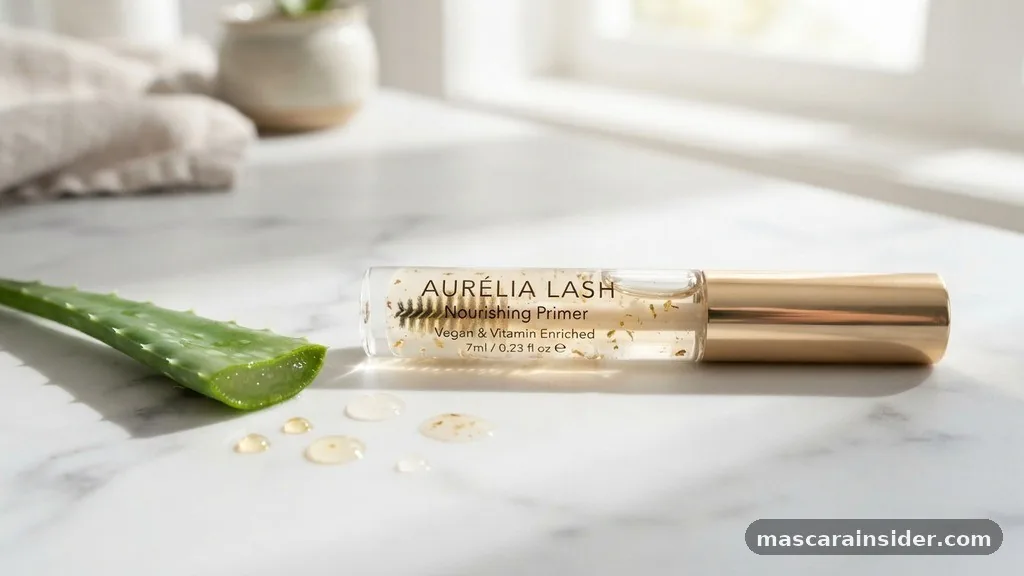
Beyond the aesthetic benefits, modern beauty products are increasingly focused on eyelash nourishment. Many primers are now infused with beneficial ingredients that treat your lashes like hair on your head. Ingredients such as panthenol or various peptide complexes work to hydrate and strengthen your lashes, preventing the brittleness that can occur from daily mascara use.
When you remove your makeup at night, you might notice that your lashes feel softer or less prone to breakage if you have been using a conditioning primer. This is a vital benefit for anyone who wears makeup every single day.
Think of it as a leave-in conditioner for your eyes. By prioritizing the health of your lashes, you ensure that they remain flexible and strong, which actually helps them hold a curl better over time.
Techniques for Effective Lash Separation
One of the most common complaints with mascara is the dreaded “spidery” look caused by clumps. Clump prevention is a standout feature of a good primer. Because the primer coats the lashes in a thin, uniform layer, it acts as a separator before the heavy pigment is introduced. This ensures that when you apply your mascara, the bristles of your wand can move through the lashes with ease.
If you have trouble with your lashes sticking together, try wiggling the primer wand at the roots and pulling it straight through to the tips. This action defines the lashes early in the process.
Once the primer is set, your mascara application becomes much more fluid. You will find that you can achieve perfect lash separation without having to use a metal lash comb or a safety pin to pick out clumps, which saves time and prevents damage.
Comparing Primer Types and Their Effects
Not all primers are created equal, and understanding the different categories can help you choose the right one for your specific needs. The following table breaks down the common types of primers you might encounter in the beauty aisle.
| Primer Type | Primary Benefit | Best For |
|---|---|---|
| Volumizing (Creamy) | Adds density and thickness | Thin, sparse lashes |
| Lengthening (Fiber-based) | Adds length via fibers | Short, stubby lashes |
| Conditioning (Clear) | Hydration and health | Damaged or brittle lashes |
| Waterproof-base | Enhanced hold and humidity resistance | Active lifestyles/High humidity |
Addressing Common Topical Gaps
There are several nuanced questions that often confuse users when they first start using a primer. For instance, many wonder if they can use it on its own.
While you certainly can, most formulas are designed to be covered by mascara, so they may look a bit chalky or grey if left bare. However, some clear conditioning primers are designed to be worn at night as a treatment or during the day for a “no-makeup” look that simply adds shine and keeps lashes groomed.
Another gap in knowledge concerns the application order. You should always apply the primer and then immediately follow up with mascara before the primer dries completely. If you wait too long—say, five or ten minutes—the primer will set, making it difficult to coat the lashes evenly with your mascara.
This could lead to a clumpy or uneven finish. Aim to apply your mascara while the primer is still slightly tacky to ensure the best bond between the two layers.
Tips for Integration into Your Beauty Routine
Adding an extra step to your morning routine might feel daunting, but it becomes second nature quickly. To get the most out of your primer, keep these practical tips in mind:
- Start at the very base of your lash line to ensure maximum volume.
- Don’t be afraid to apply two thin coats of primer if you want extra dramatic results.
- Ensure your mascara wand is clean so you don’t transfer old, dried product onto your fresh primer layer.
- If you use lash extensions, check with your technician before applying primer, as some formulas contain oils that can break down the adhesive.
- Experiment with different mascara pairings; sometimes a budget-friendly primer can make a drugstore mascara perform like a luxury product.
- Always store your primer tightly closed to prevent the formula from drying out prematurely.
- Use a gentle, oil-based makeup remover in the evenings to ensure all the fibers and primer are fully cleansed away.
Conclusion
Integrating a primer into your routine is one of the most effective ways to upgrade your lash game. By providing a base for formula adhesion, adding volume, and protecting the hair with eyelash nourishment, it solves many of the common issues associated with standard mascara. Whether you are dealing with smudging, lack of length, or brittle lashes, the right primer can offer a solution that lasts throughout the day.
It is a small investment of time that yields significant, visible results in the quality of your eye makeup. If you have been on the fence about adding this step, try a simple formula and observe how it changes the way your mascara performs. You might find that it becomes an essential part of your daily look.
Do you really need a mascara primer?
It is not mandatory, but it significantly improves results for volume, length, and long-term lash health.
When should I apply lash primer?
Apply it immediately before your mascara while the primer is still slightly damp for the best adhesion.
What are the benefits of using a mascara primer?
It prevents smudging, adds extra volume, extends lash length, and conditions lashes to prevent breakage.
How long should I let mascara primer sit?
Do not let it dry completely; apply your mascara within 30 to 60 seconds of the primer application.
Does mascara primer help with smudging?
Yes, it acts as a protective barrier that stops oils from breaking down your mascara throughout the day.
Can you use mascara primer on its own?
You can, but it may appear white or dull, so it is best used as a base coat.
What is the difference between clear and white primers?
White primers show exactly where you have applied product, while clear primers are invisible and often conditioning.


