

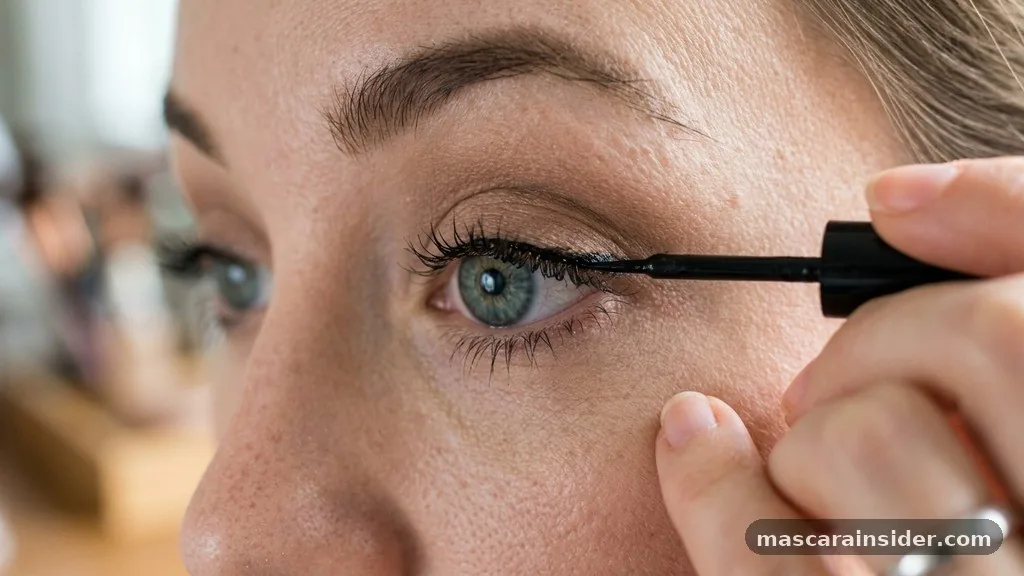
Figuring out if you can use eyeliner as mascara is a common dilemma when you find yourself staring at an empty makeup tube just minutes before heading out the door. While the impulse to swap these two products is understandable, the chemical composition and intended application areas of these cosmetics differ significantly.
Applying a product designed for skin or the lash line onto your delicate eyelashes can lead to unexpected results or discomfort. Understanding the differences between these formulations helps you decide whether to attempt this beauty swap or reach for a safer alternative to achieve your desired lash look without compromising your ocular health.
Understanding the Compositional Differences in Eye Makeup
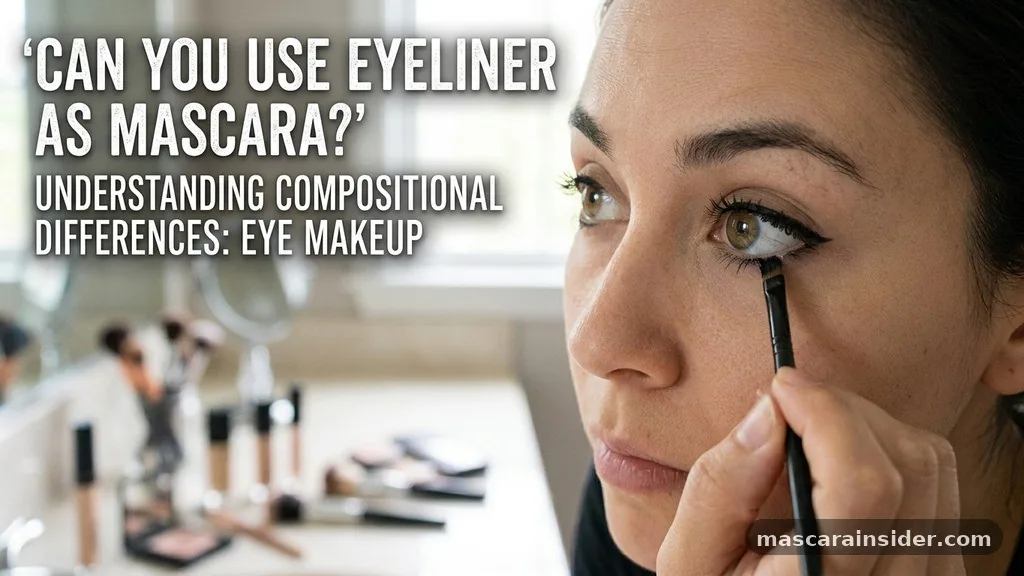
The primary reason you might hesitate before substituting one product for another lies in the specific cosmetic ingredients used for different zones of the eye. Mascara is formulated with film-formers, waxes, and pigments designed specifically to coat and lengthen hair fibers. In contrast, liquid eyeliner or gel eyeliner contains high concentrations of polymers and solvents meant to dry quickly on the skin, creating a precise, smudge-proof line that adheres to the eyelid rather than individual lashes.
When you attempt to use these liners on your lashes, the texture is often too thin or too sticky. Mascara includes thickening agents that provide lash volume, whereas liquid liners are designed for high-pigment saturation and fluid movement.
Because liners lack the structural waxes found in mascara, they rarely provide the lift or hold you expect from a standard lash product. Using them on your lashes often results in a brittle, stiff sensation that can cause your lashes to break or shed prematurely during removal.
Evaluating Eye Safety and Potential Irritation
Prioritizing eye safety is paramount when experimenting with unconventional beauty routines. The skin around your eyes is the thinnest on your body, and the mucosal membrane along the waterline is incredibly sensitive to foreign substances. An ophthalmologist would generally advise against using products outside of their intended zone because the chemical preservatives and stabilizers in eyeliner may not be as tolerated by the lash follicles or the surface of the eye as those in mascara.
Using these products near your eyes carries the risk of eye irritation, stinging, or watery eyes. If the liner contains harsh solvents, they may evaporate too close to the eye, causing a burning sensation.
Furthermore, because liners are not designed to be applied with a spoolie brush, you risk poking the eye or applying the product unevenly. If you have a history of sensitivity or conditions like blepharitis, introducing non-standard products into your lash line can exacerbate inflammation and lead to secondary infections.
The Practical Challenges of Application
Even if you successfully navigate the safety concerns, the application process presents a significant hurdle. Mascara applicators are engineered to distribute product evenly, separating lashes while building volume.
Eyeliner applicators, whether a felt tip or a fine brush, are designed for precision line-drawing on a flat surface. Attempting to coat individual lashes with a fine-tipped pen or a gel-pot brush is physically tedious and often leads to a messy, clump-free application that is nearly impossible to achieve.
Instead of the fanned-out, voluminous look, you are more likely to end up with wet, clumped lashes that stick together. The lack of a spoolie means you cannot comb through the product as it dries, which is a standard step in achieving a professional finish.
Additionally, because many liners are designed to be waterproof or long-wearing, they become incredibly difficult to remove from lashes. You may find yourself pulling or tugging on your lashes during makeup removal, which can damage the hair cuticles and lead to thinning over time.
Risks of Cross-Contamination and Bacteria
Maintaining hygiene is a critical aspect of eye health that many overlook when testing makeup hacks. Mascara tubes are designed with narrow openings and specialized wipers that help keep the inner product relatively free of external debris. When you use eyeliner—especially if it is an open-pot gel or a dip-style liquid—the risk of cross-contamination increases significantly.
If you use an eyeliner brush that has touched your eyelid and then re-dip it into the container, you are effectively introducing skin oils, bacteria, and dead skin cells into your product. This is particularly problematic with gel eyeliners stored in jars. Bacteria thrive in damp, enclosed environments, and once the product is contaminated, you risk transferring those pathogens directly to your eyes every time you apply it.
This can lead to styes, conjunctivitis, or chronic irritation. Always ensure that any tool you use is sanitized, but realize that eyeliner formulations are simply not designed to survive the same level of exposure that mascara tubes are engineered to withstand.
Comparing Common Cosmetic Formulations
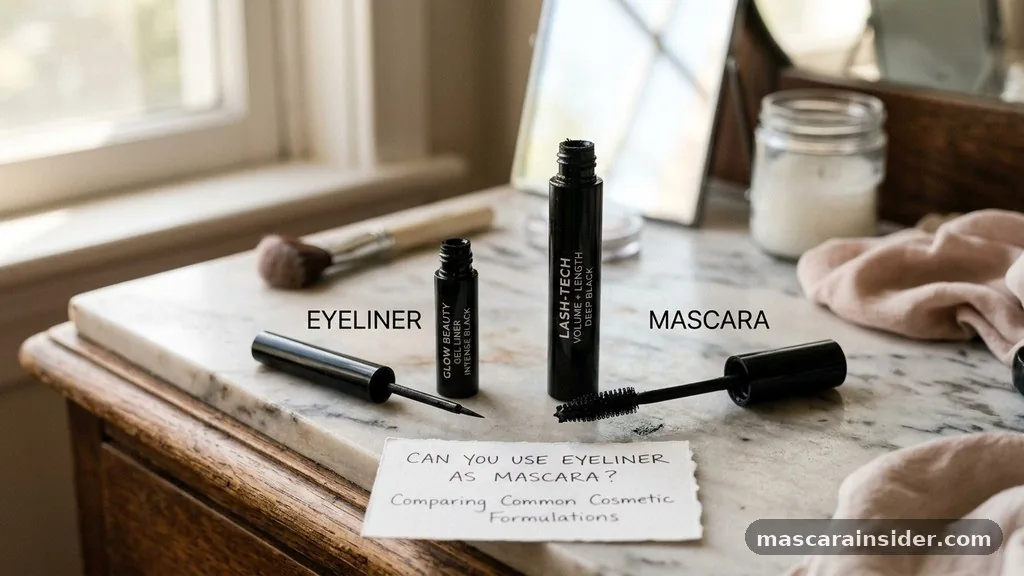
To better understand why these products are not interchangeable, it helps to look at the specific characteristics of the substances involved. The table below outlines the key differences between standard mascara and typical eyeliner products.
| Feature | Mascara | Liquid/Gel Eyeliner |
|---|---|---|
| Primary Goal | Coating and volumizing hair | Defining the lash line |
| Key Texture | Waxy, thick, film-forming | Fluid, quick-drying, pigmented |
| Safety Focus | Lash health and ocular tolerance | Skin adhesion and durability |
| Application Tool | Spoolie/Mascara wand | Fine tip or precision brush |
As shown, the engineering goals are diametrically opposed. Mascara is built to add physical mass to the lashes through waxes like carnauba or beeswax.
Eyeliner is built to bond to skin using synthetic polymers. When you force a bonding agent onto hair, you aren’t creating volume; you are merely coating the hair in a substance that may eventually flake off into your eyes or dry out the lash entirely.
Alternative Solutions When You Are Out of Mascara
If you find yourself without mascara, there are safer ways to define your eyes than repurposing eyeliner. Many people turn to natural oils or simple grooming techniques to give their lashes a more prominent appearance. For example, a tiny amount of clear lip balm or petroleum jelly can add a glossy, dark look to your lashes, mimicking a “wet” makeup aesthetic without the risk of heavy pigments or drying polymers.
- Use a clean spoolie to apply a small amount of castor oil, which conditions lashes while darkening them naturally.
- Apply a tiny dab of clear brow gel, which holds the curl and adds a slight sheen to the lashes.
- Focus on tight-lining your upper lash line with a pencil; this creates the illusion of thicker, darker lashes without needing to coat the hair itself.
- Use an eyelash curler to provide lift, which opens the eye significantly even without the addition of any colored product.
- Consider using a dark eyeshadow applied with a damp, angled brush, which is much safer for the eye area than liquid liner.
These methods provide a cleaner, more professional look while keeping your eyes safe from the potential irritants found in liquid or gel eyeliners. By focusing on defining the lash base rather than coating the hair fibers, you achieve a sophisticated result that doesn’t involve the risks of using the wrong product.
The Role of Carbon Black and Synthetic Dyes
The ingredient lists for these products often contain carbon black or intense synthetic pigments that provide the characteristic darkness of eyeliner. While these ingredients are safe for skin, they can be problematic if they migrate into the eye. Mascara formulas undergo rigorous testing to ensure that any flakes that fall into the eye are non-irritating and can be cleared away by natural tear production.
Eyeliner, however, is not necessarily tested for this level of ocular interaction. If you use a product containing harsh dyes on your lashes, the movement of your eyelids throughout the day will eventually cause the dried product to flake.
These tiny particles can get trapped under your contact lenses or scratch the surface of your cornea. If you wear contacts, this is an even greater concern, as the debris can become lodged behind the lens, causing significant pain and potential long-term damage to your vision.
Addressing Topical Gaps: Why People Attempt This Hack
A common question is why people are so interested in using eyeliner as mascara, especially given the clear drawbacks. The trend often stems from social media influence, where creators showcase “hacks” that prioritize quick fixes over long-term health.
Some users are also motivated by the desire to streamline their makeup kits or save money. There is also a pervasive myth that because both products are “eye makeup,” they must be chemically similar.
However, the reality is that the cosmetic industry segments these products for specific anatomical reasons. The eyelid skin is a flat, semi-oily surface, while eyelashes are cylindrical, porous, and constantly moving. A product that successfully adheres to skin will not perform the same way on hair.
Understanding this helps you appreciate why specialized products exist. Instead of chasing these risky hacks, investing in a high-quality, travel-sized mascara ensures you have a safe, effective product on hand whenever you need it without resorting to shortcuts that could harm your eyes.
When to Replace Your Eye Makeup
Regardless of the product you use, maintaining a strict replacement schedule is essential for eye health. Mascara should generally be replaced every three months to prevent the accumulation of bacteria.
If you have attempted to use eyeliner on your lashes, you may be unknowingly introducing new strains of bacteria into your supply. If your eyes feel itchy, red, or gritty, stop using the products immediately and allow your eyes to recover.
If you develop a stye or any form of infection, discard all eye makeup currently in your rotation. The cost of a new tube of mascara is negligible compared to the cost of treating an ocular infection or dealing with the discomfort of irritated eyes.
Always prioritize the longevity of your eye health over the convenience of a quick makeup fix. If you must use a substitute, choose products that are specifically ophthalmologist-tested and designed for use near the ocular surface.
Conclusion
While the idea of using eyeliner as mascara might seem like a clever trick, the risks to your eye health and the poor cosmetic results make it an unwise choice. The structural differences between these two products are significant, and using them improperly can lead to irritation, infection, and damage to your lashes. By sticking to products specifically formulated for your lashes, you ensure a safe, beautiful look that enhances your eyes without compromising your wellbeing.
If you ever find your mascara tube empty, opt for safer alternatives like curling your lashes or using a bit of clear brow gel instead. Keep your beauty routine simple, safe, and effective by respecting the intended purpose of your cosmetics. We encourage you to prioritize your eye health and stick to products designed for the specific needs of your lashes.


